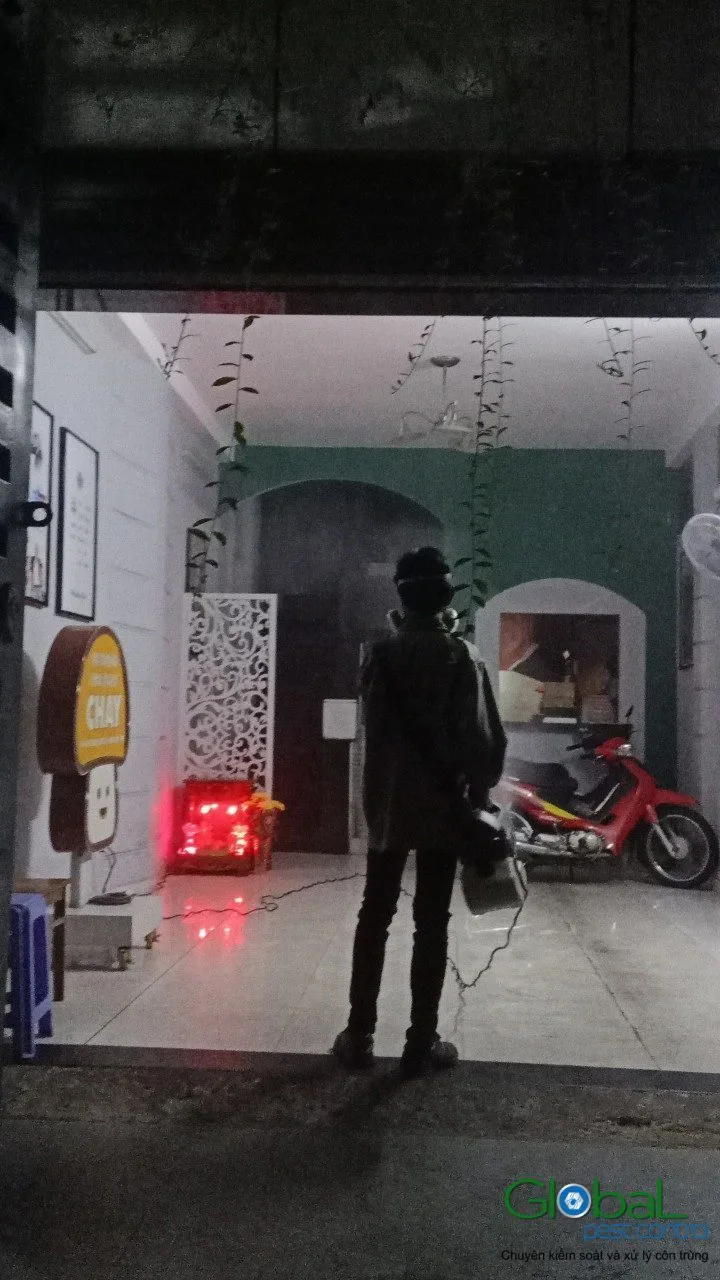
A shop floor is watched all day by staff and customers. The stockroom is watched by nobody, and the delivery door decides what arrives in it.
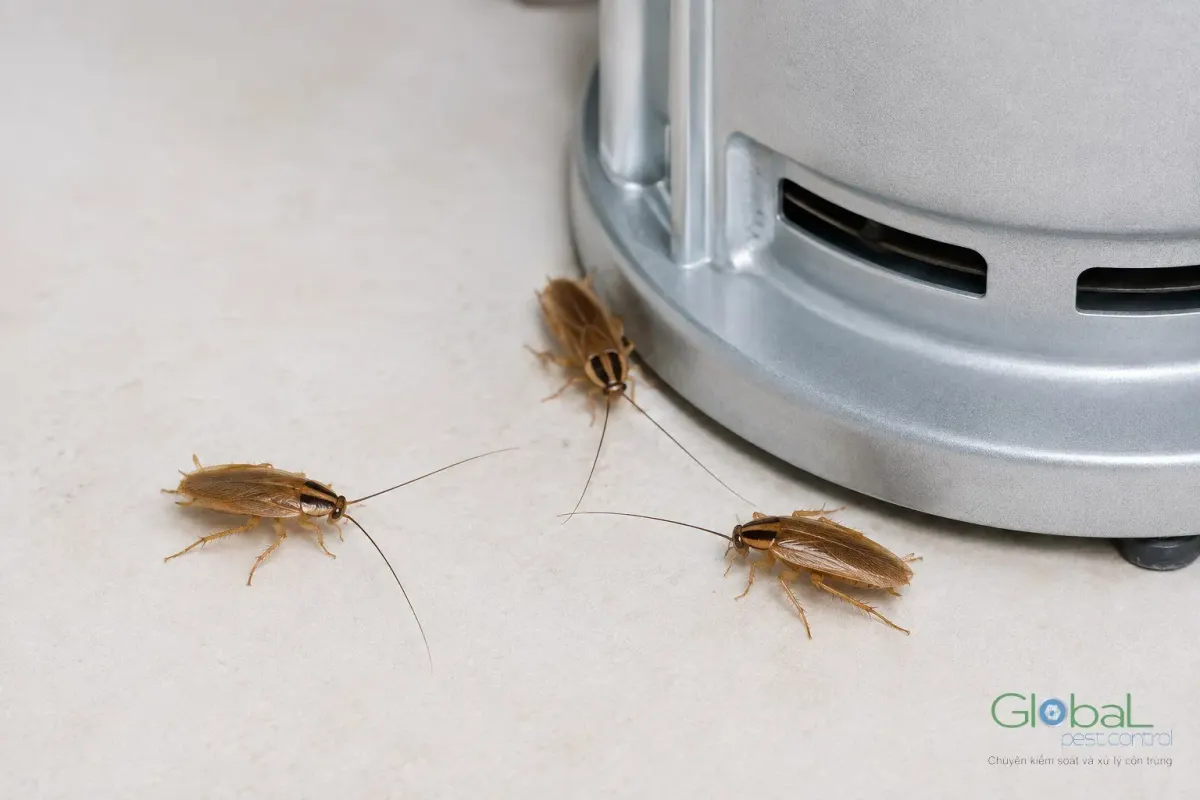
A shared kitchen has forty users and no owner. That is not a cleaning problem — it is a structural one, and it needs a structural answer.
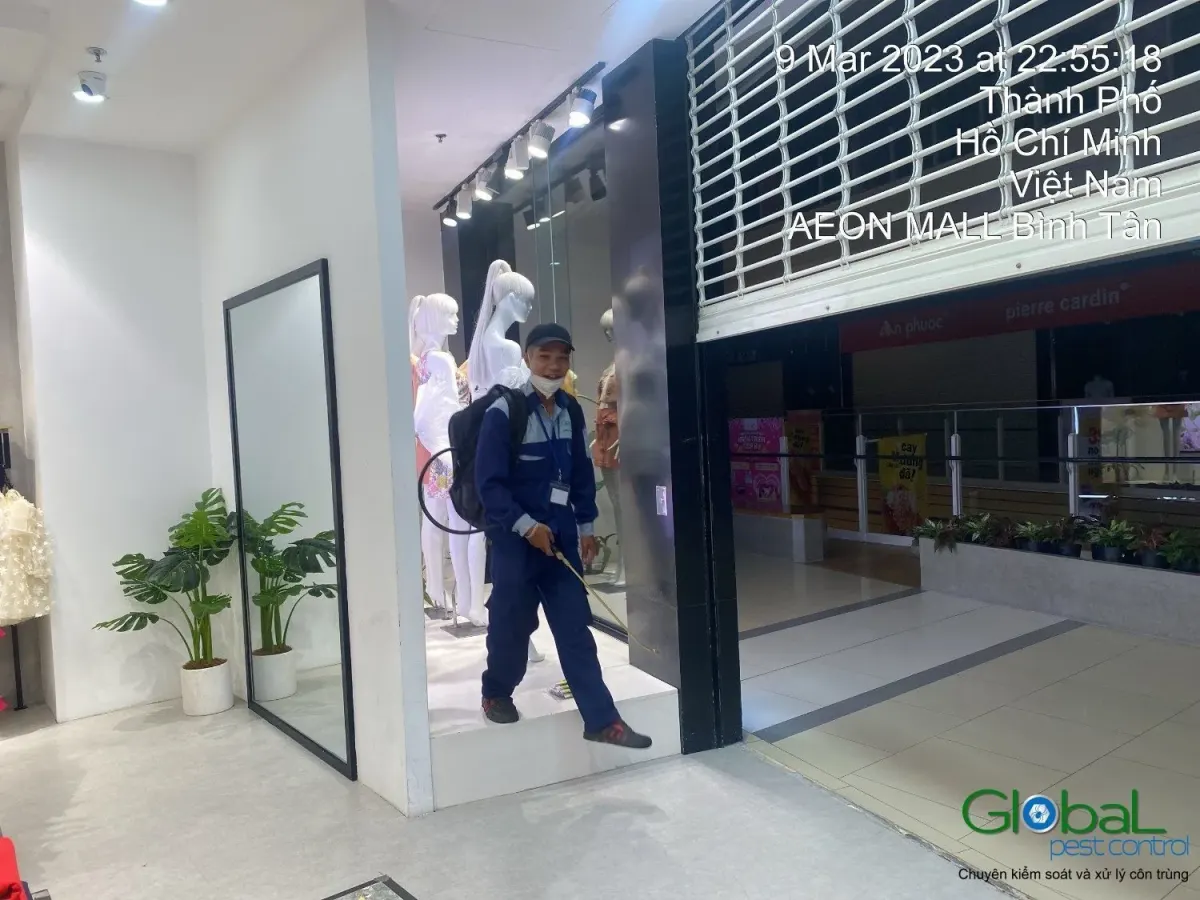
The parts of a building that carry cables are warm, dry, dark and entered perhaps twice a year. That combination is rarer than it sounds, and pests find it.
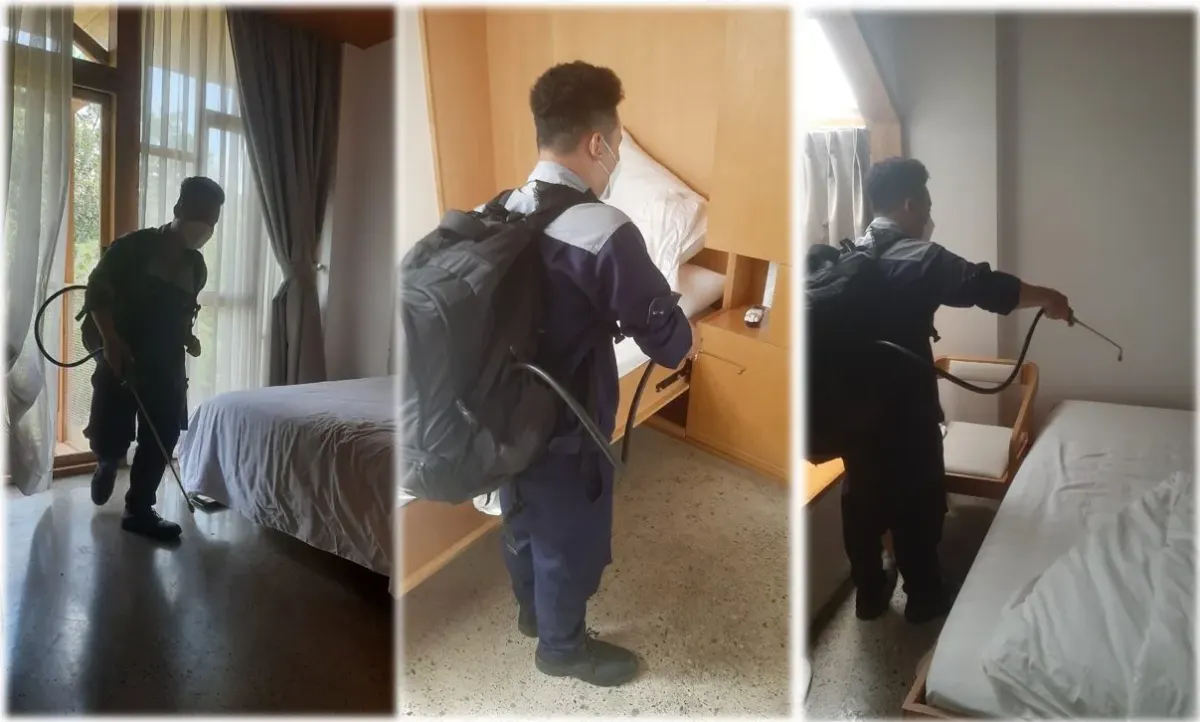
Bed bugs arrive in luggage, not through windows. That means the only moment a hotel genuinely controls them is the half hour between one guest leaving and the next arriving.
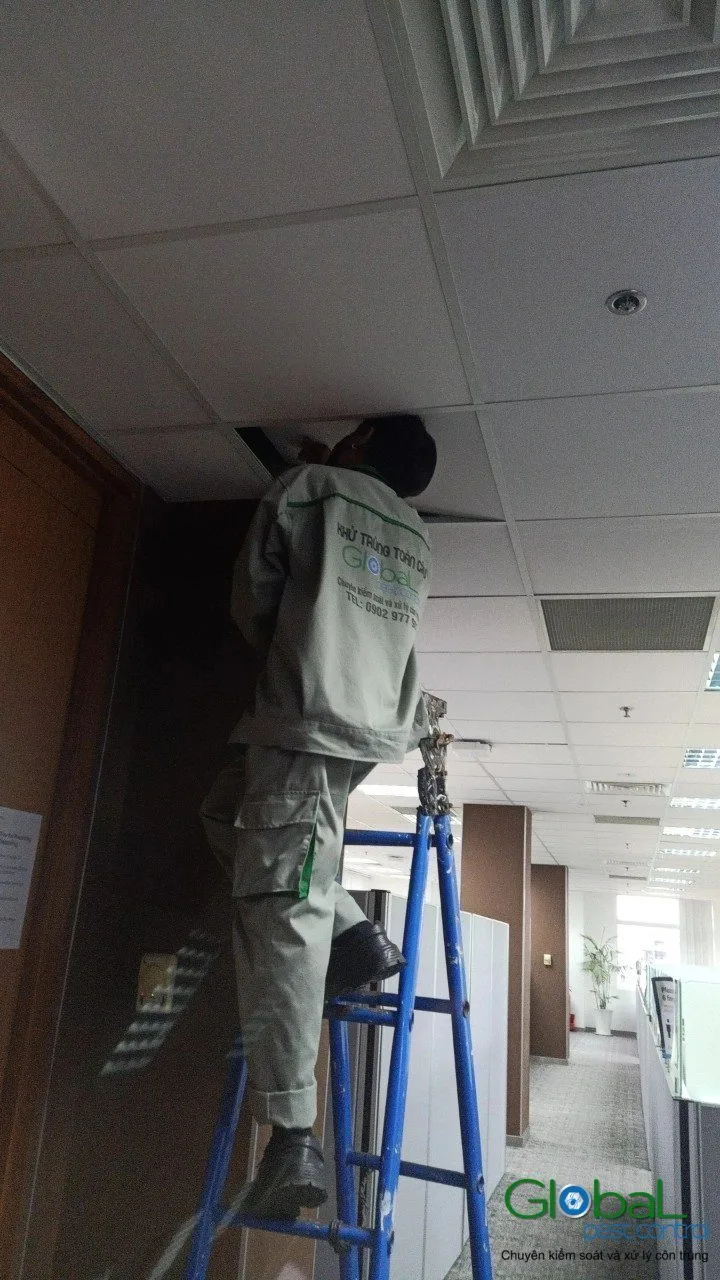
A pantry is five square metres that behaves like a restaurant kitchen, used by fifty people who each assume somebody else cleans it.
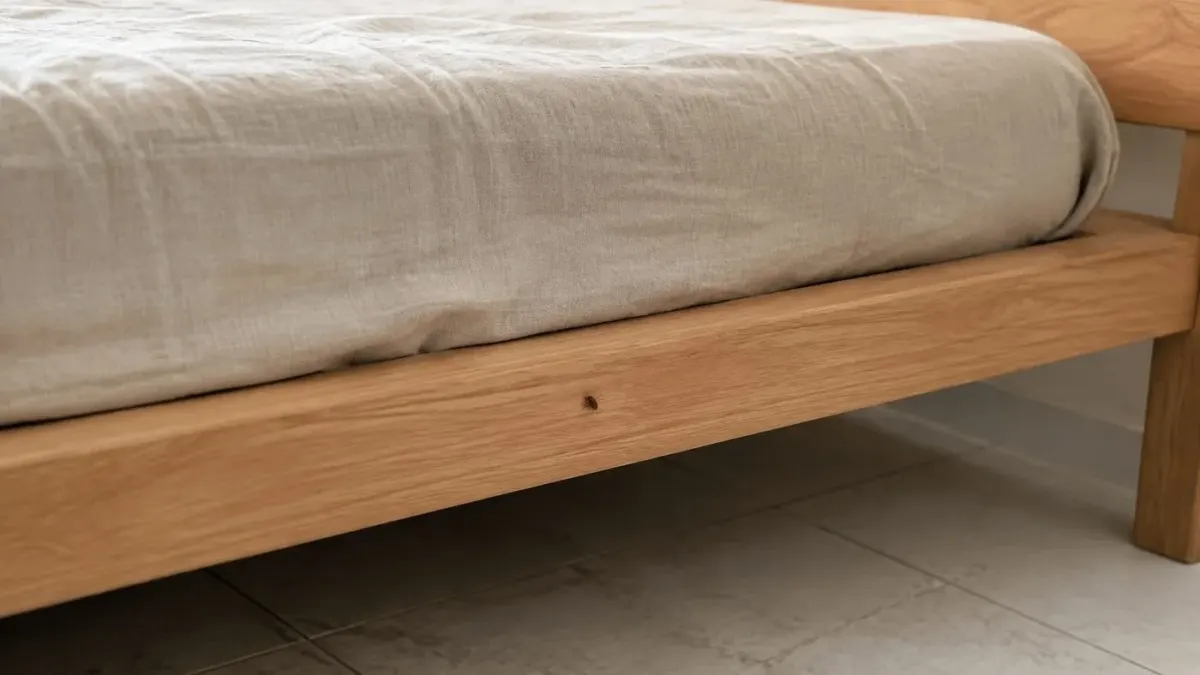
Linen is the one thing in a hotel that visits every room, and that makes the laundry circuit the fastest route a localised problem has.
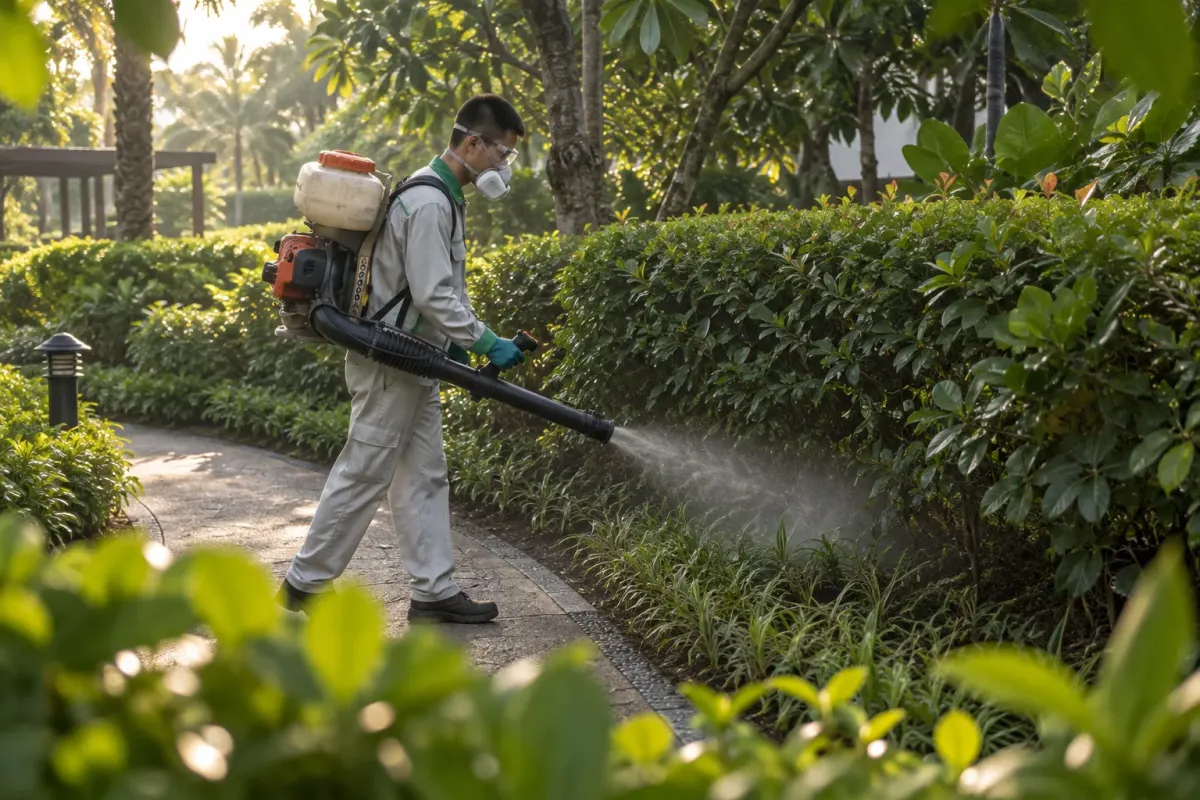
The most valuable pest control in a hotel is not a treatment. It is three minutes of looking in six specific places while the room is being made up.
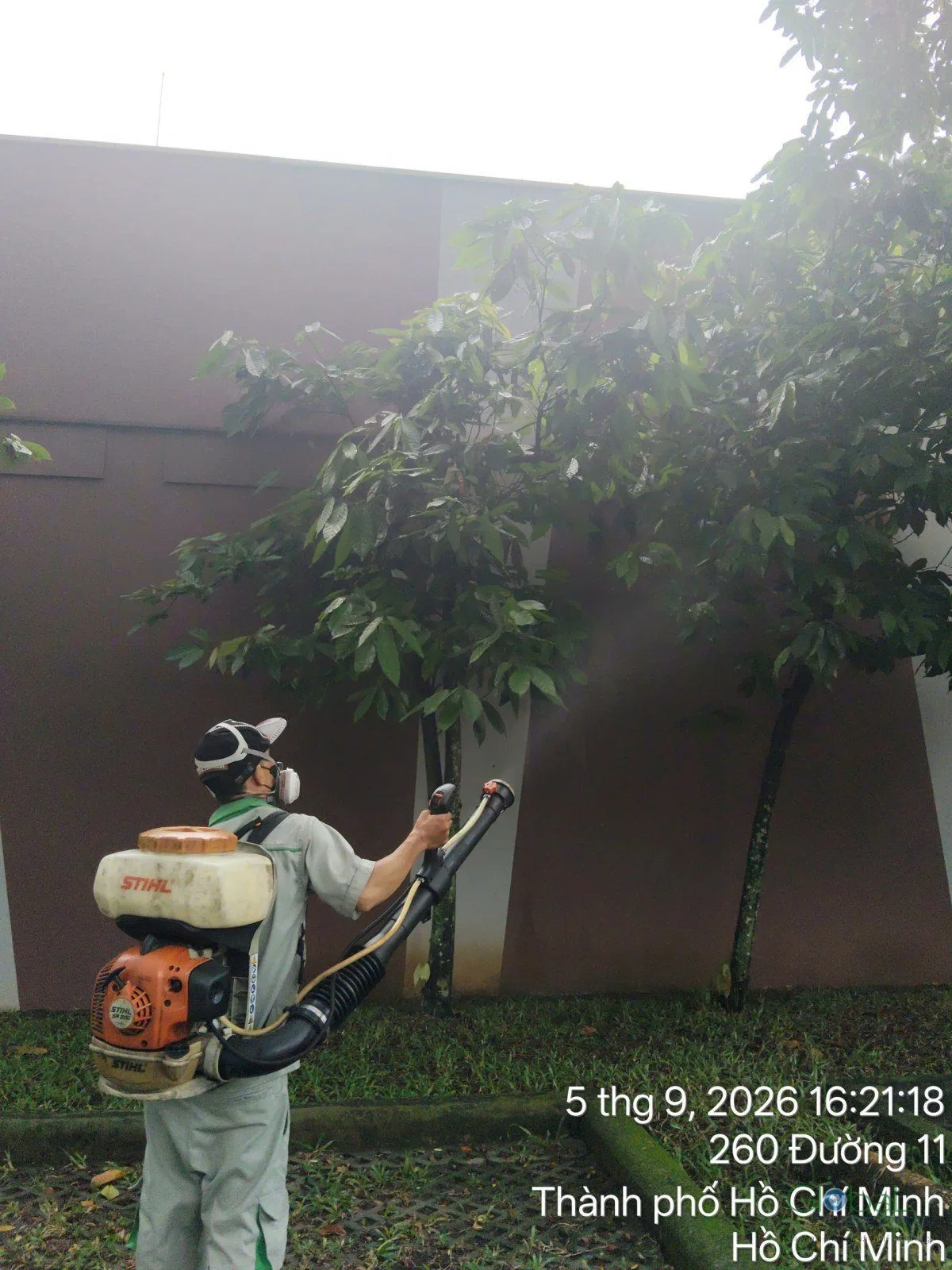
A terrace that empties at six in the evening is losing its best hour, and the cause is almost always five containers of water within twenty metres.
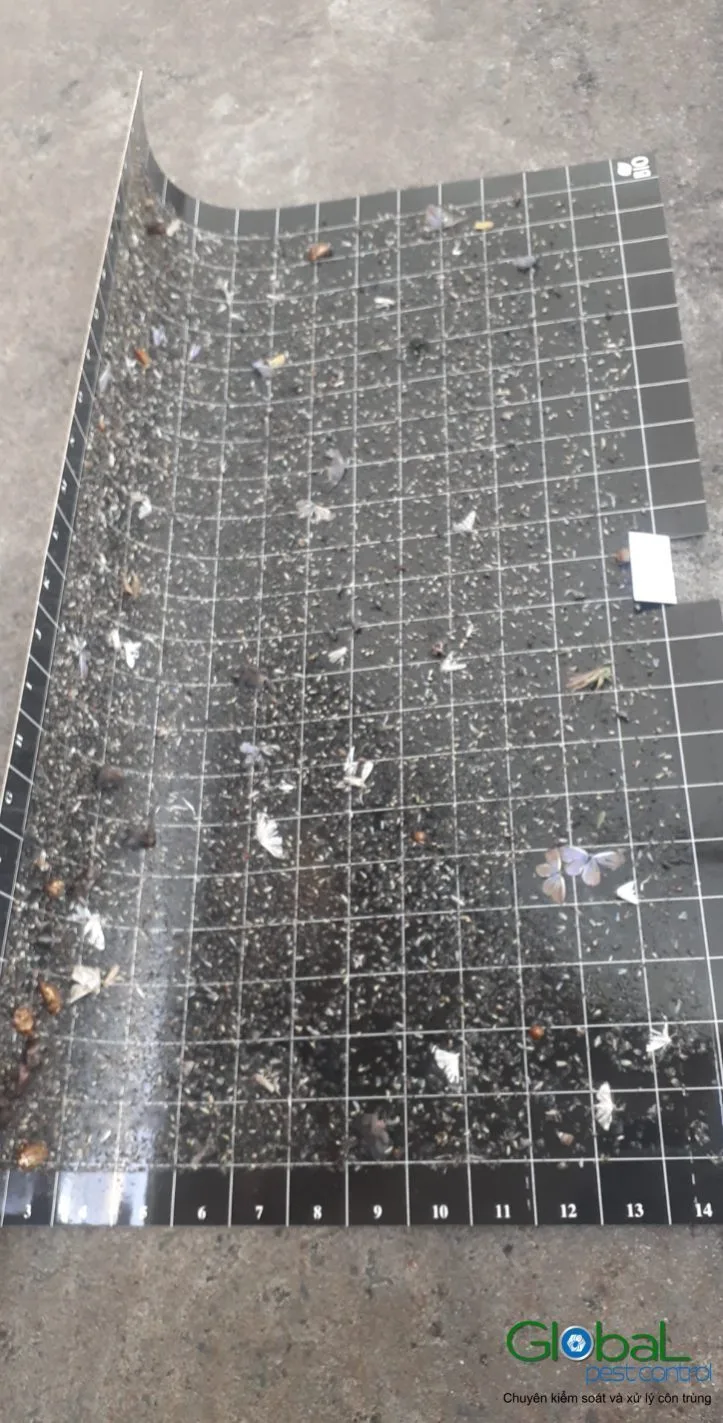
Fruit flies at a bar are never an air problem, and spraying the air is why they are still there next week. They are breeding in six specific places.
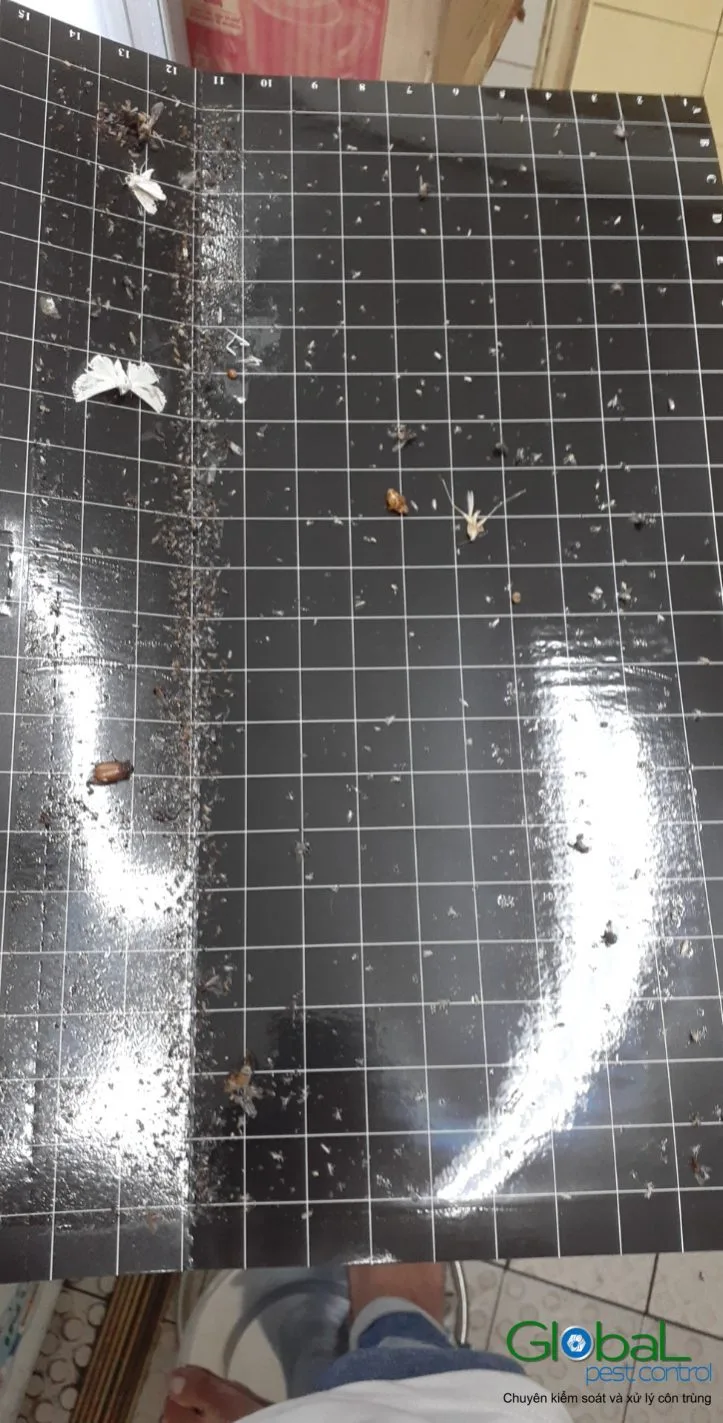
The insect is a small problem. The response in the first thirty seconds is the one that decides whether it becomes a public review.