Handling a Customer Who Photographed an Insect
A customer holding up a phone is not a pest problem. It is a reputation event that happens to involve an insect, and the two need completely different handling. The treatment can wait until tonight; the response cannot wait thirty seconds.
What follows is the sequence we give operators, in order, because the order matters more than the words.
The first thirty seconds
Go to the table yourself if you are the manager. Do not send a server back with a message. Say three things and nothing else: that you are sorry, that you are taking the dish or the table out of use now, and that you will come back in a moment. Then do exactly that — remove the item, move the table if the customer wants to move, and step away.
What loses control of the situation is arguing about whether it came from your kitchen, offering a discount before apologising, or explaining that you have pest control. All three sound like defence, and defence is what gets quoted in a review.
What to do in the next ten minutes
Come back with a decision, not a discussion. Remove the item from the bill without being asked. Offer a replacement rather than a refund if the customer still wants to eat, because a refund ends the visit and a replacement usually rescues it. Then ask one question — "Would you mind showing me the photograph so I can tell our technician exactly what it was?" — which converts the phone from a weapon into evidence and almost always lowers the temperature.
Do not ask them to delete it. Ever. That single request is what turns a private annoyance into a public post.
The identification matters more than it seems
A drain fly in a dining room means something in your drainage. A German cockroach nymph means a breeding population on the premises. A single large American cockroach means the building drainage rather than your kitchen. A ladybird or a flying ant that came in through an open door means nothing at all about your operation — and in an open-fronted restaurant in this city, that is genuinely common.
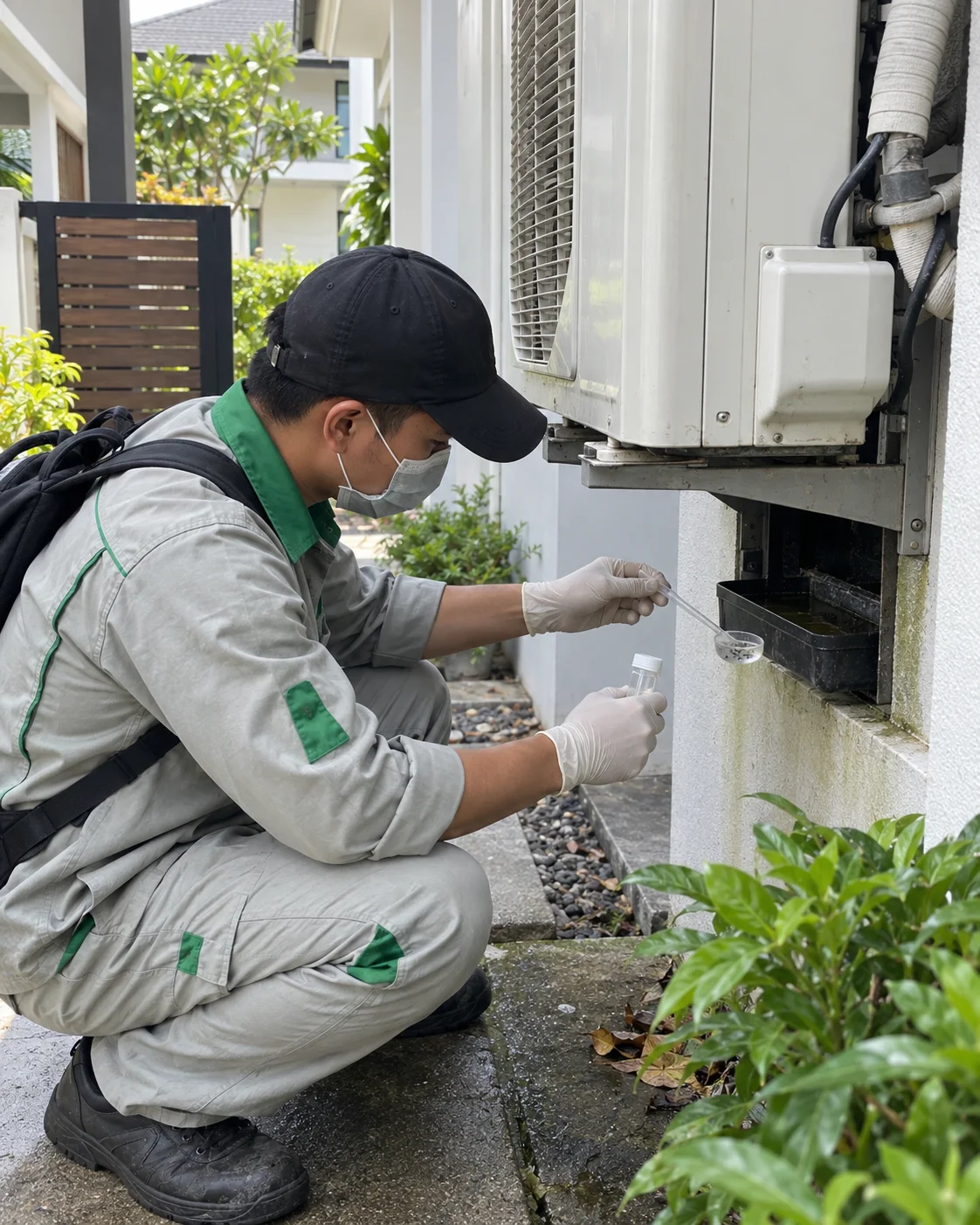
You cannot say any of that to a customer in the moment, but knowing it within the hour changes what you do next and what you can honestly say if they follow up. Photograph it yourself if the insect is still there.
Putting it in writing, same day
- Log it: date, time, table, what was seen, who dealt with it, what was removed from the bill.
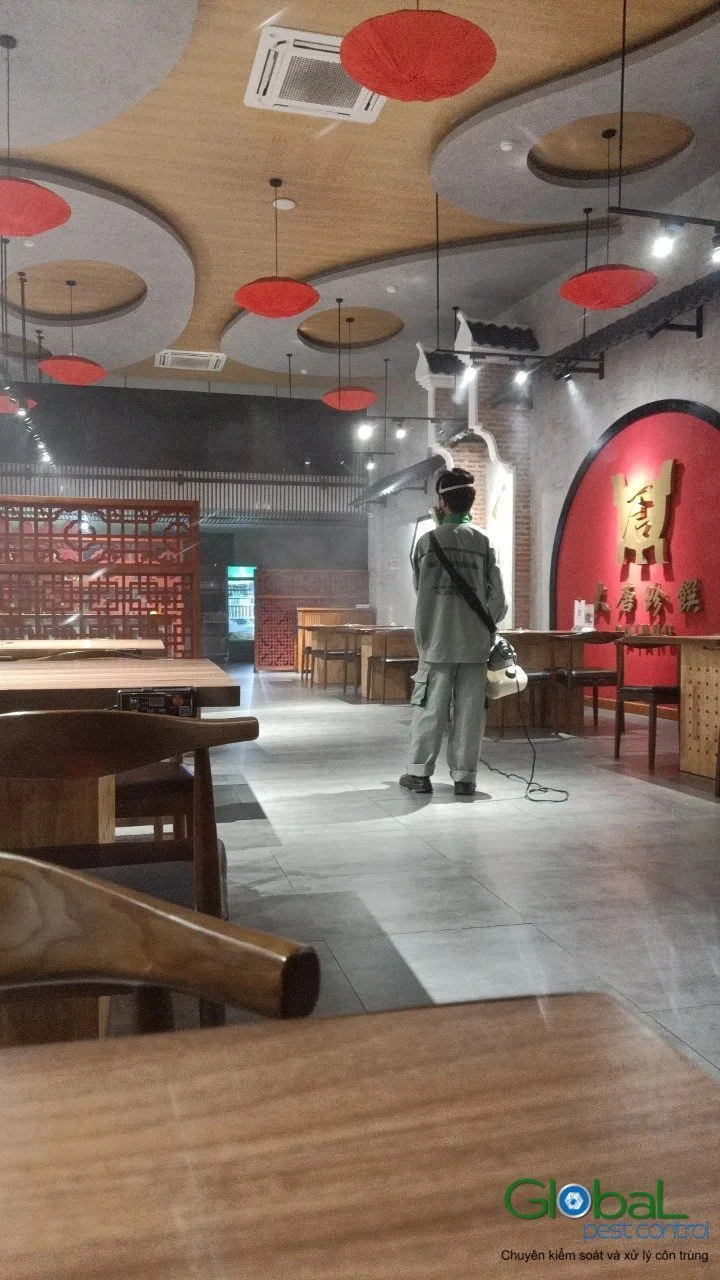
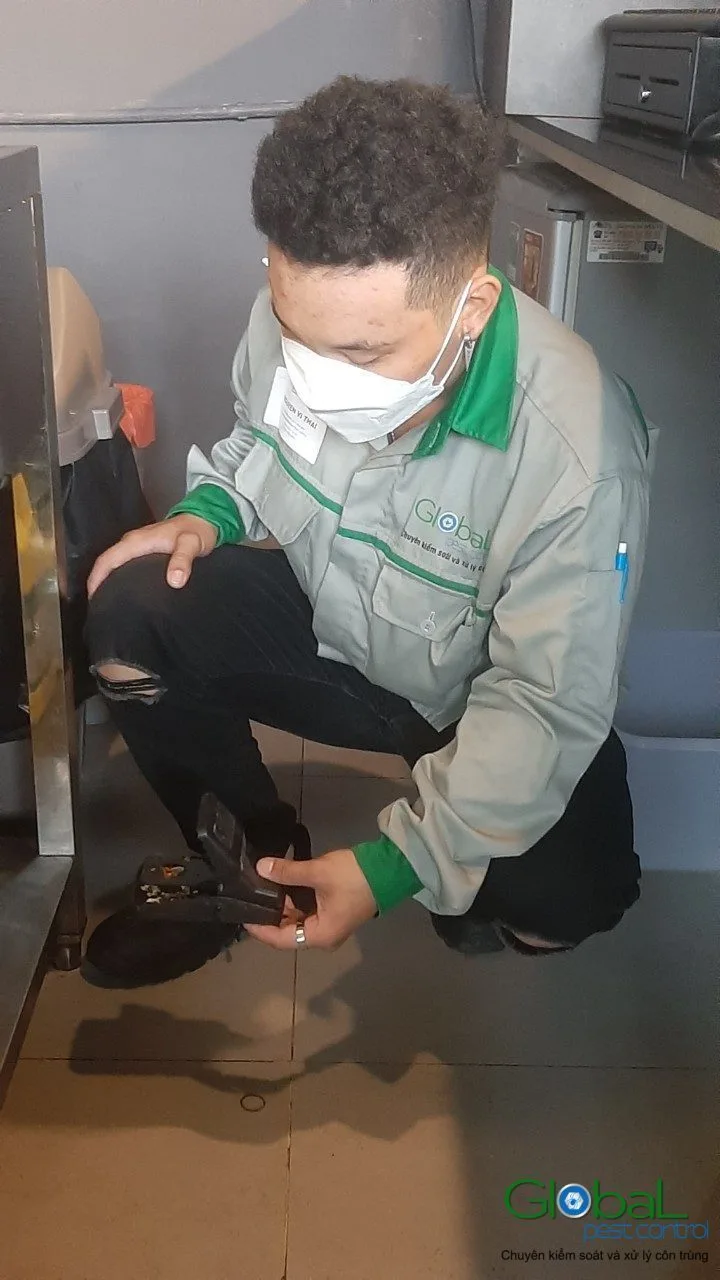
- Tell your pest contractor the same day, with the photograph. On a contract this should get you a same-day or next-morning attendance.
- Get a dated report naming the species and the action taken. This is the document that answers a platform, a landlord or an inspector later.
- If the customer left contact details, follow up once in writing within twenty-four hours — briefly, factually, no excuses.
If a review appears anyway
Reply once, publicly, and keep it short. Acknowledge, state the specific action with a date, and stop. "Thank you for telling us. A technician attended the same afternoon and treated the kitchen and drainage; we have moved to a fortnightly drain schedule as a result." That reply is written for the next hundred readers, not for the reviewer, and specificity is what makes it credible. Long replies, apologies repeated three times, and any hint of disputing the account all read badly to a stranger.
The pattern to watch for
One complaint is an event. Three complaints in a month, or two involving the same species in the same part of the room, is a signal that something structural is producing them — usually a drain, a void under a fixed unit, or a neighbouring tenancy. That is the point at which more cleaning is the wrong answer and an inspection of the fabric is the right one. See why pests come back after a treatment and grease traps and the flies they produce.
Related reading
For the hotel version of the same situation, see handling guest pest complaints in a hotel. For the staff side, see the ten-minute pest briefing. The underlying programme is the restaurant programme, and the records are covered in HACCP pest control records. Our parent company's Vietnamese-language restaurant and kitchen programme covers the same work for Vietnamese-speaking operators.
Global Pest Control is the English-language arm of Khử Trùng Toàn Cầu, based in Thu Duc City. Same-day response on contract, and reports in English.
Common questions
Should we offer a free meal?
Remove the affected item without being asked; go further only if the customer is genuinely distressed or the visit is ruined. Over-compensating immediately can read as an admission that this is normal for you, and it also sets an expectation. The apology and the visible action matter more than the money.
A customer is threatening to post unless we pay. What do we do?
Handle the pest issue exactly as you would anyway, in writing, and decline the demand politely. Keep the log, the photographs and the technician report. A documented, proportionate response is a complete defence in front of any platform, and paying under threat rarely ends the matter.
Can we ask the customer not to post?
You can ask, but it almost always backfires and it is the single most quoted line in restaurant reviews. Focus on giving them something better to write about: a manager who came immediately, removed the item and told them what would be done.