A split air-conditioner requires a 65 mm hole through your external wall and a drain pipe to somewhere outside. Neither is normally sealed by anyone who was thinking about insects.
Of everything a household pest needs, the hardest to find is somewhere nobody goes. A spare room provides it, and a spare room in this climate provides the rest too.
Aedes mosquitoes need a teaspoon of clean water and a week. A drip saucer under a balcony planter provides both, two metres from where you sleep.
A laundry area combines warmth, moisture, a floor drain and low foot traffic in about three square metres. Very few spaces in a home concentrate risk that efficiently.
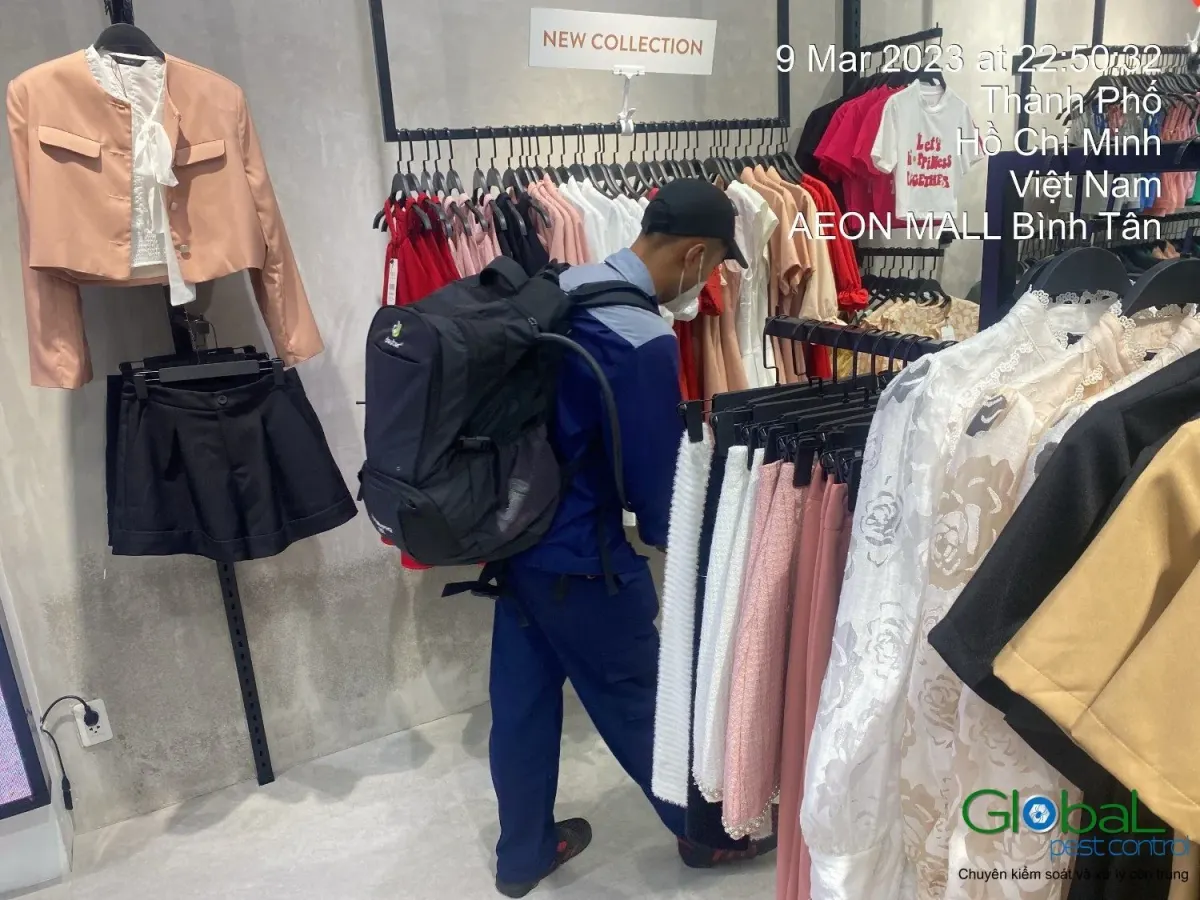
A wardrobe in Ho Chi Minh City sits at around 75 per cent humidity for most of the year. That single number explains almost everything that happens to stored clothing here.
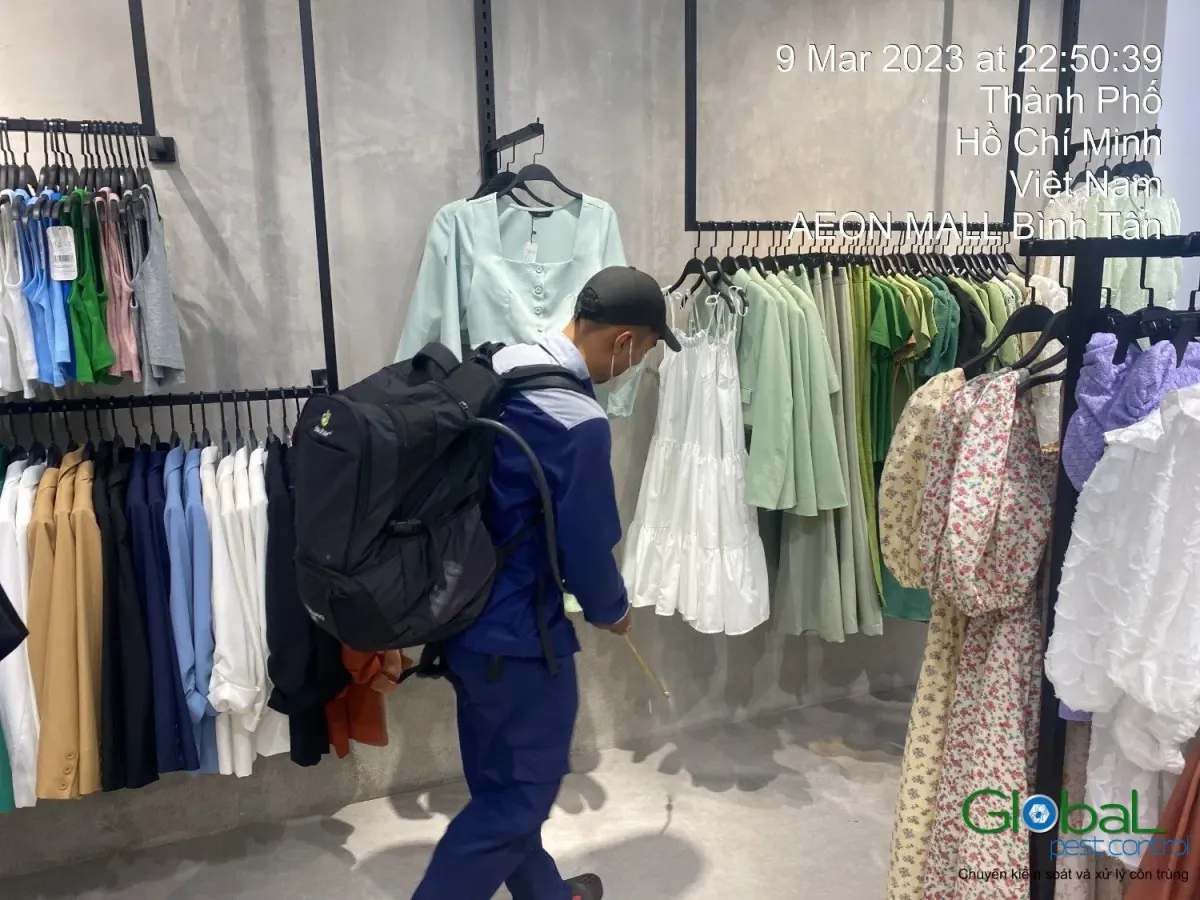
In a room used by toddlers, every surface below knee height is a surface that gets touched, mouthed and crawled on. That changes the method, not just the dose.
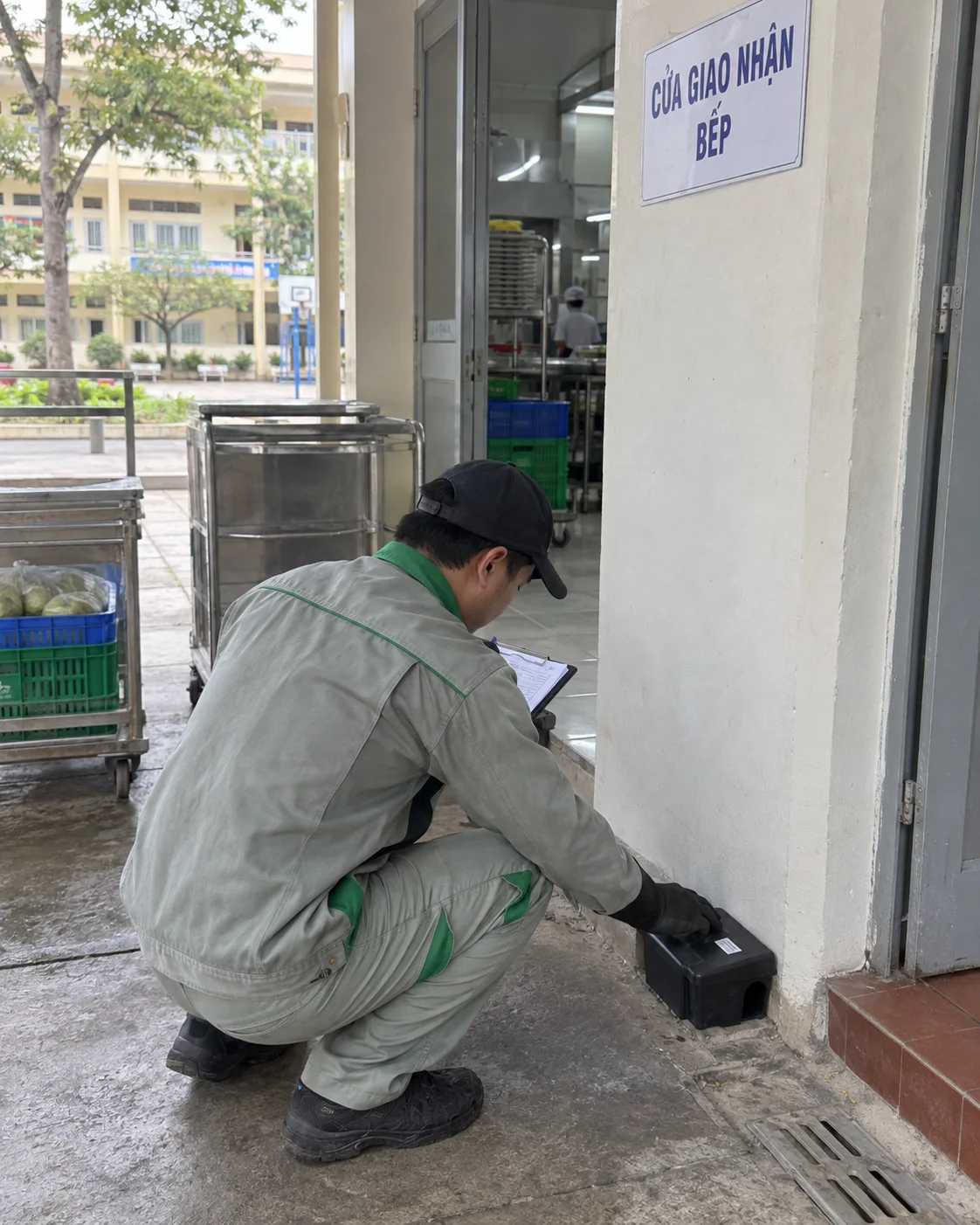
A school canteen produces restaurant volumes in a forty-minute window and then stands empty. Both halves of that pattern shape how it has to be treated.
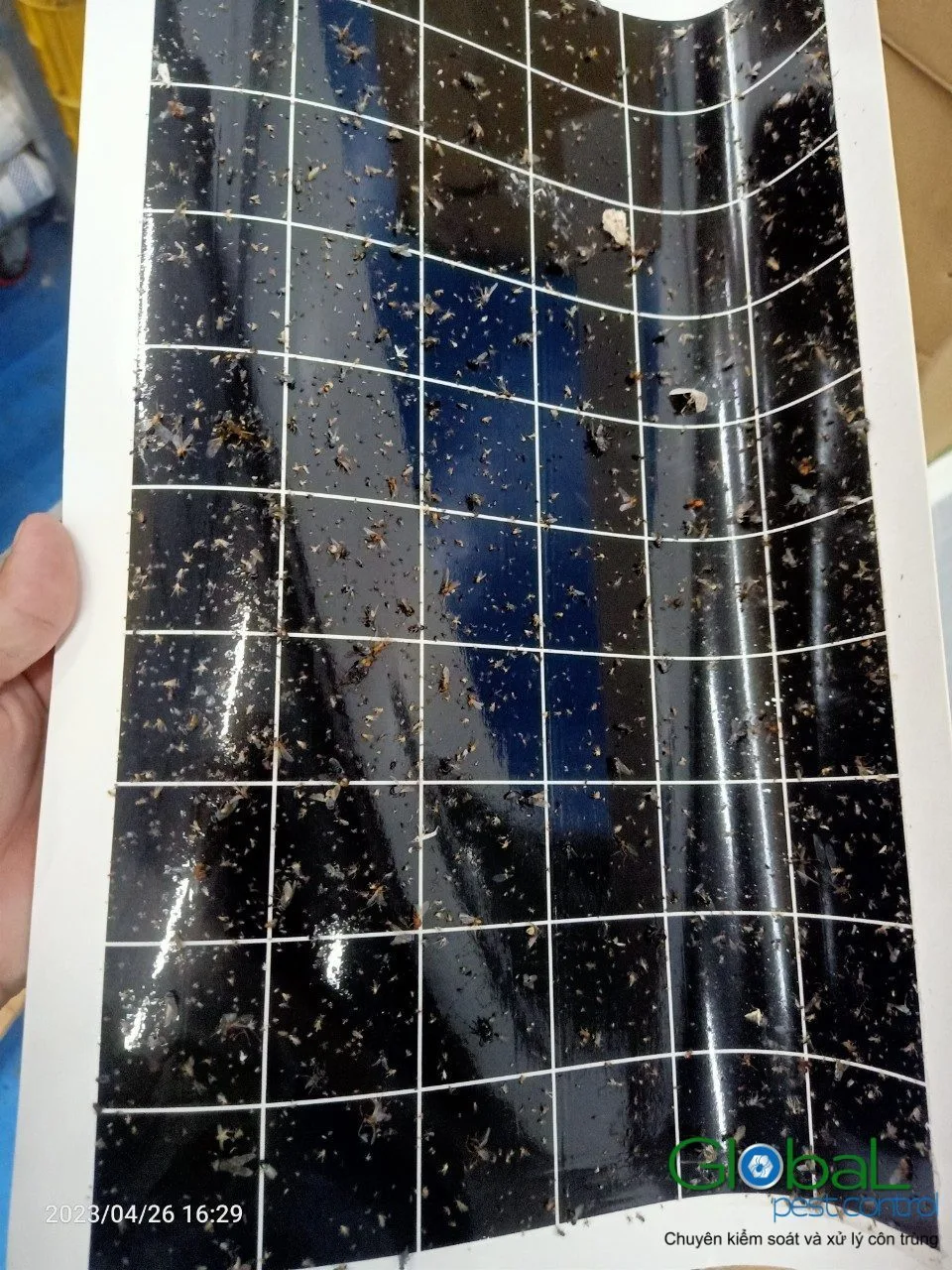
Most goods-in pest procedures are written to satisfy an auditor and are therefore never performed. This one is written to be done in ninety seconds by a busy person.
You cannot inspect what you cannot walk around. In a warehouse, pallet discipline is not housekeeping — it is the thing that makes pest control possible at all.
A chiller keeps food cold by moving heat somewhere else. In a supermarket that somewhere is a warm, damp cavity under the unit that nobody can reach.