Treat Before or After Moving In
The question comes up in almost every relocation. The keys are collected, the furniture arrives on Saturday, and somebody asks whether a treatment should happen first.
There is a real trade-off here, and the answer depends on one thing: whether you found evidence at handover.
The case for treating first
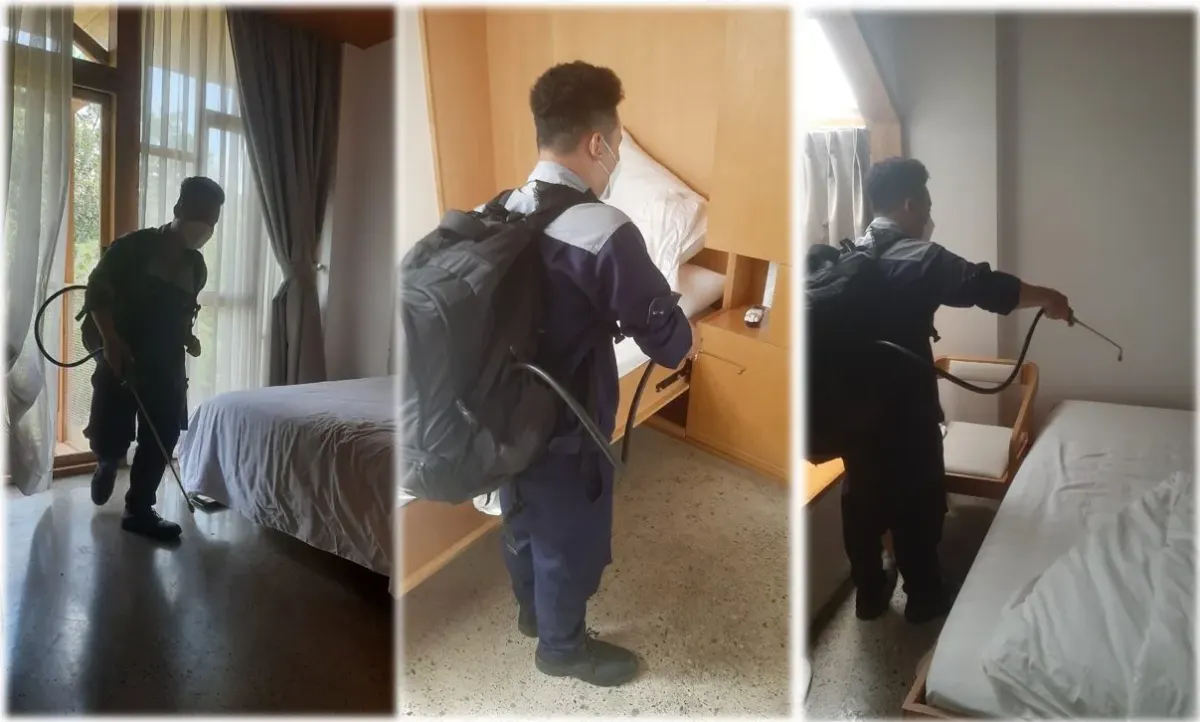
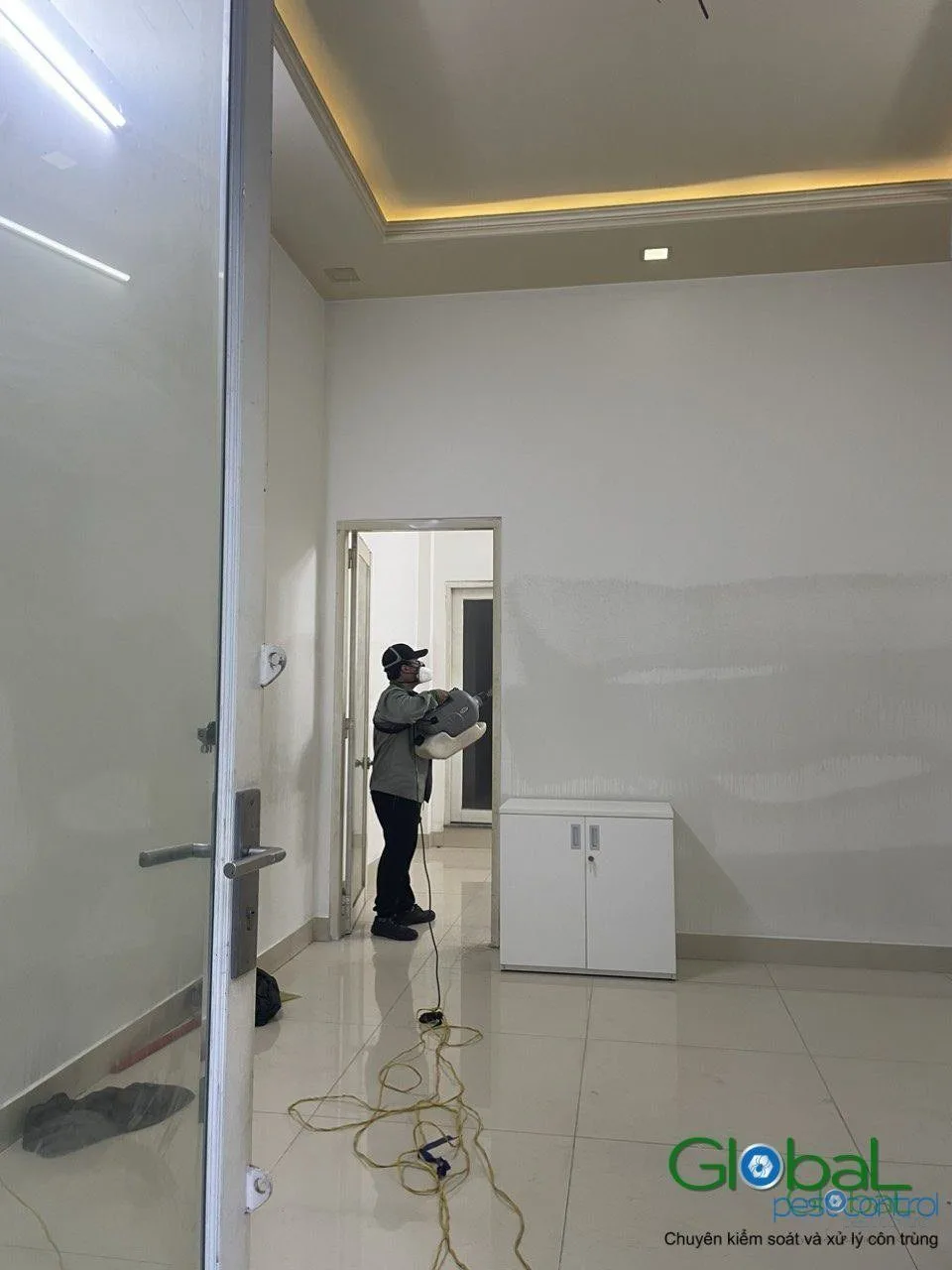
An empty apartment is the easiest working environment there is. Every skirting, every cabinet void, every wall-floor junction and the space behind every appliance is reachable. No possessions need covering, no furniture needs moving, and there is no re-entry constraint because nobody is living there.
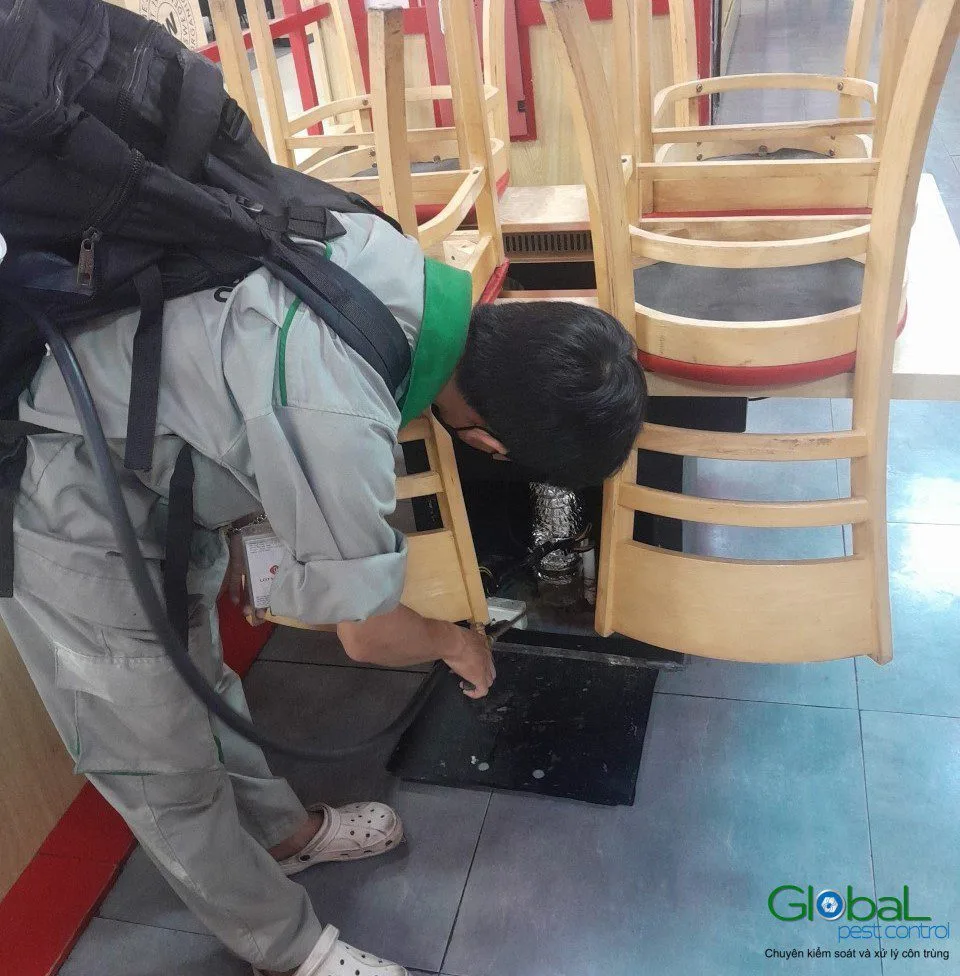
It is also the only time proofing is straightforward. Sealing pipe penetrations, fitting brush strips and treating voids before they are boxed in behind a wardrobe is work that becomes considerably harder once the flat is furnished.
The case against
A treatment aimed at nothing in particular is a treatment applied to the accessible surfaces of a clean empty room. It has no target, so it is a residual applied broadly on the chance that something crosses it, and in a kitchen with no food and no water that is a weak proposition.
You also learn nothing. Two or three weeks of living in a flat tells you where the activity is, what time it happens and which species is involved, and none of that is available on handover day.
The decision rule
Treat before if you found evidence at handover — droppings, egg cases, a smell that will not clear, live insects, or a previous tenant\x27s bait gel still in the cabinets. In that case the empty flat is the best opportunity you will ever have and it should not be wasted.
Wait if you found nothing. Live in it, note what you see, and spend the money on a visit that has something specific to address. That is usually a better outcome for the same cost.
What to do before moving in either way
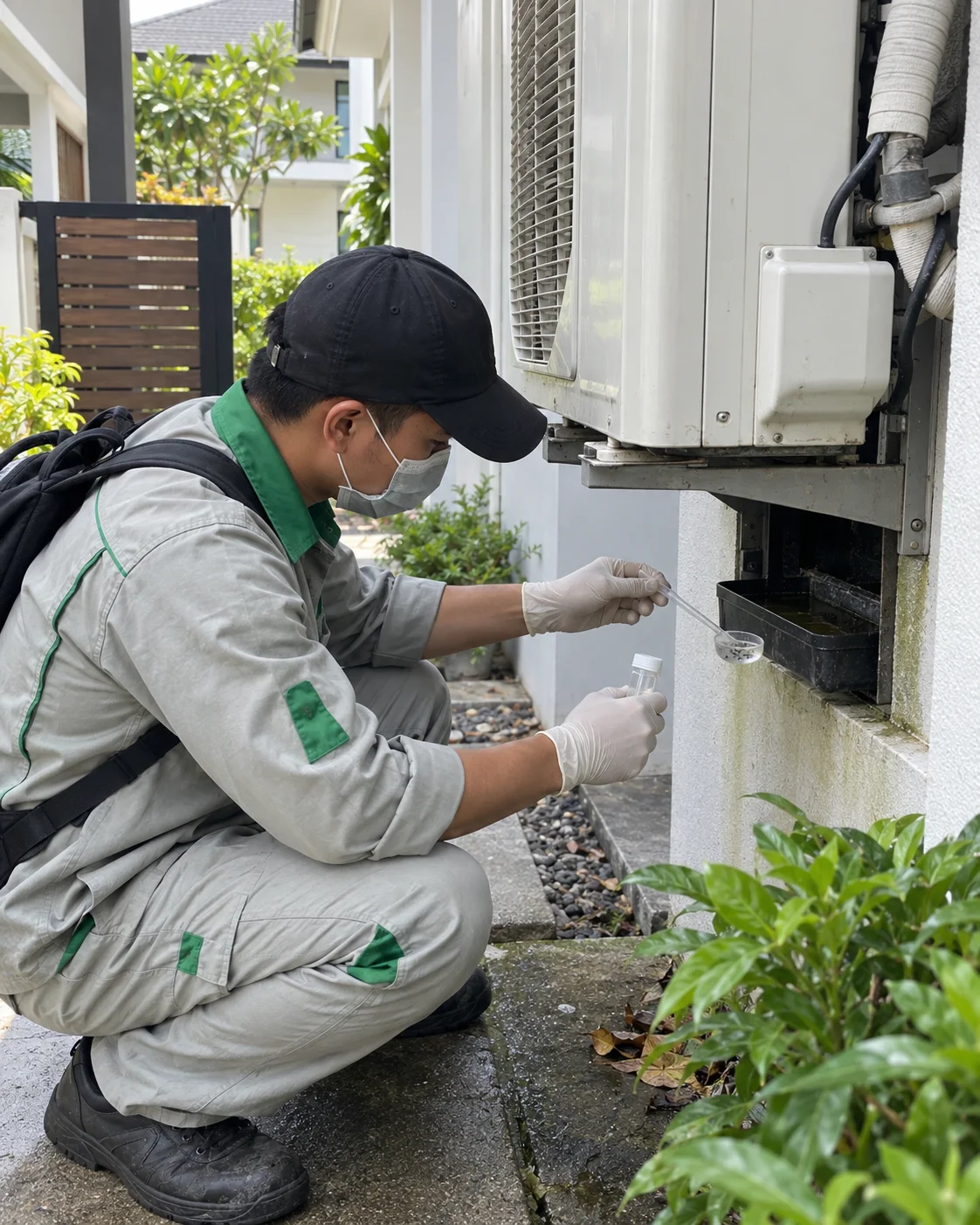
This part is not a treatment and it is worth doing on handover day regardless. Fill every floor drain. Look under the sink and seal the gap where the waste pipe passes through. Check the balcony for standing water and empty every saucer. Look at the gap under the front door.
None of it costs anything and it addresses the three most common entry routes in a Vietnamese apartment before a single box is unpacked.
The exception: furnished apartments
If the flat comes furnished with a mattress, a sofa and soft furnishings that have had previous occupants, the calculation shifts. An inspection of those items before you move in is worth doing, and if anything is found, treating an empty apartment before your possessions arrive is unambiguously the right sequence.
A mattress in particular is worth asking to have replaced as a condition of the lease rather than treated, and that request lands much better during negotiation than after signing.
The proofing argument, which is separate
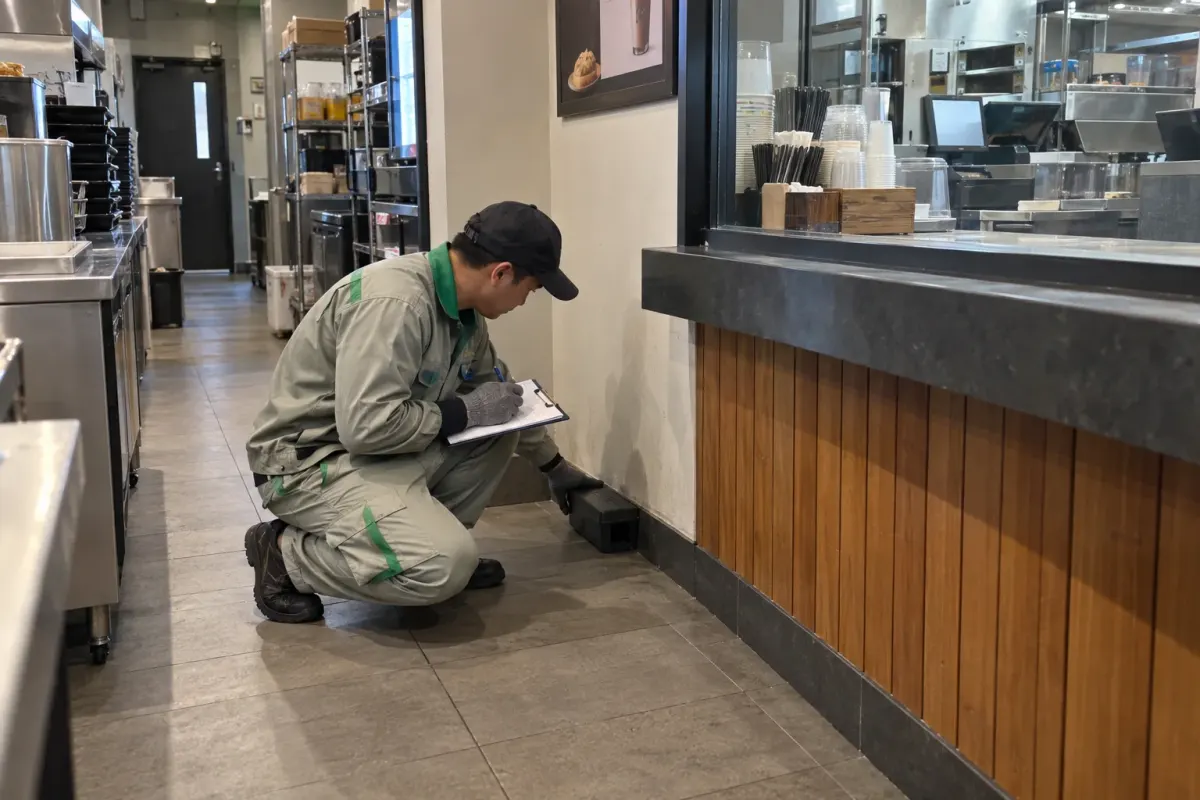
Even where a treatment is not warranted, the proofing work is. Sealing, brush strips, drain inserts and screens are permanent, they do not depend on anyone remembering anything, and they are far easier before the furniture arrives.
If you only do one thing on handover day, make it this rather than a treatment. It is cheaper and it lasts for the whole tenancy.
There is a middle option worth knowing about. An inspection-only visit on handover day costs considerably less than a treatment, produces a written record of the condition at the start of the tenancy, and tells you whether the treatment question even arises. For a landlord-funded visit it is also the version that produces the most useful document.
What about a new building?
A brand new apartment rarely needs a treatment on handover, since nothing has had time to establish. What it does need is the drains filled — traps in unsold units dry out and the stack is often open at several points — and a look at whether the riser penetrations into your unit were sealed after the fit-out. Those two checks are worth more than any product in a new tower.
Related reading
See the pre-move-in checklist and your first month. On furnished flats, furnished or unfurnished. For the proofing, physical proofing, and on responsibility, who pays. Our parent company runs the Vietnamese-language residential programme.
Global Pest Control is the English-language arm of Khử Trùng Toàn Cầu, based in Thu Duc City.
Common questions
The landlord offered to pay for a treatment before we move in. Take it?
Yes, and ask for an inspection with it rather than a blanket spray. A landlord-funded visit to an empty flat is the ideal moment to have the penetrations sealed and the drains checked, and a good contractor will do that as part of the visit. It is a better use of the same offer than a residual applied to empty rooms.
How long before moving in should it happen?
Two to five days is comfortable, allowing the surfaces to dry fully and the rooms to be aired, and leaving time for any proofing work identified. Doing it the morning the furniture arrives is unnecessarily tight and means the removal team is walking over freshly treated surfaces.
We already moved in and now we have a problem. Have we missed the window?
No — the empty-flat advantage is real and it is a convenience rather than a requirement. A treatment in an occupied apartment works perfectly well; it just takes longer because things have to be moved. What you have lost is the easy opportunity for proofing behind furniture, and that can still be done at the next opportunity.