Dog Tick Control for Homes with Pets in Ho Chi Minh City
Quick answer. The tick most homes in Ho Chi Minh City deal with is the brown dog tick. It feeds on dogs, then drops off and climbs walls to lay eggs in cracks, behind skirting boards, under furniture and in kennels, so treating only the dog leaves the house full of young ticks. We treat those places with a residual spray; ticks crawling across the treated surface pick it up and die slowly. Your vet treats the dog at the same time, because we do not treat animals. Visits are monthly until tick numbers are low.
Why ticks end up in the house
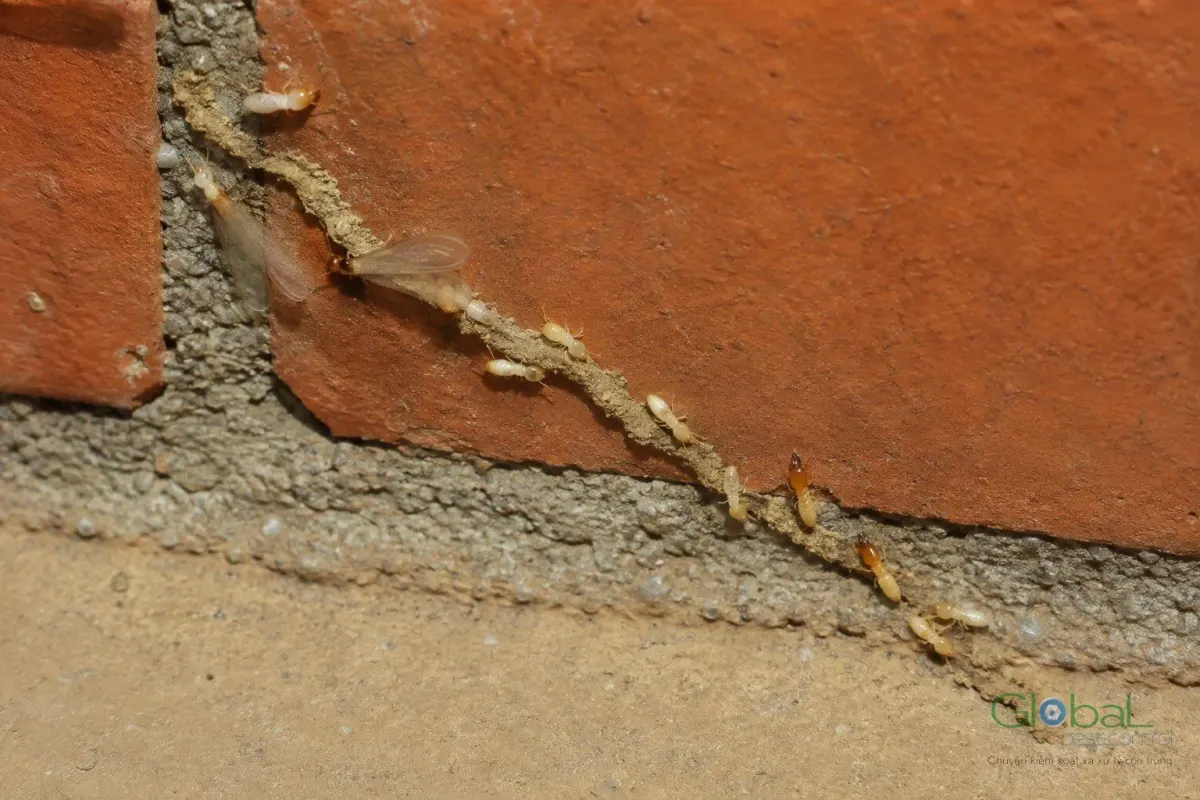
- Brown dog ticks are one of the few ticks that live and breed indoors.
- An engorged female drops off the dog, crawls upwards and hides in a crack or corner, where she lays thousands of eggs.
- Young ticks come out over the following weeks and look for the dog again, so the cycle keeps running inside the home.
- You often find them on walls near where the dog sleeps, around door frames and window sills, and in the kennel.
Ticks carry diseases to dogs, and they can bite people, although they prefer dogs.
How we treat
- Survey: where the dog sleeps, eats and rests; kennels, wall bases, cracks, door frames, skirting boards, furniture legs, and yard edges where dogs lie.
- Residual spray: along wall bases, cracks, door and window frames, the kennel and its surroundings, and shaded yard edges.
- Advice for the pet: we ask you to take the dog to your vet for tick treatment in the same week, so ticks on the dog and in the house are dealt with together.
Pets are kept out of treated rooms until the surfaces are dry; we tell you when they can come back.
Why monthly
Tick eggs hatch in stages over several weeks, and a treated surface does not reach eggs already hidden deep in a crack. Monthly visits catch each new group of young ticks until the numbers drop. After that, many homes with dogs keep the monthly general programme, which also covers cockroaches and ants.
What you can do between visits
- Wash the dog's bedding in hot water every week and vacuum where the dog sleeps; empty the vacuum bag outside.
- Check the dog after walks, especially ears, neck and between the toes.
- Keep grass short and move clutter away from where the dog lies in the yard.
- Seal cracks near the dog's sleeping area once treatment has settled things.
Common questions
Can I just treat the dog?
The dog needs treating, but most of the ticks at any moment are in the house, not on the dog.
Are the ticks dangerous to people?
Brown dog ticks prefer dogs, but they can bite people. If a tick is attached, remove it with fine tweezers close to the skin and pull straight out; see a doctor if you get a fever or rash afterwards.
How much does it cost?
It depends on the size of the home and yard. Starting prices are on the price list.