
Thu Thiem is built on ground that was marsh and river bank within living memory, and Sala sits in the middle of it. New buildings, new drainage and a lot of open land between them produce a pest profile that does not look like the rest of District 2 at all: fewer building-borne problems, considerably more that arrives from outside.
Why new buildings are not automatically clean
A five-year-old tower has tight construction, sealed risers and modern drainage, and it genuinely does suppress the classic apartment problems. What it does not do is control what walks in from the plot next door. In Thu Thiem the dominant complaints are mosquitoes, ants and occasional rodents at podium and low-floor level — all of them coming from ground outside the building, not from the building itself.
The consequence is that treatment weight shifts outward: the podium perimeter, landscaping, drainage channels, basement ramps and car park entrances matter more than the risers do.
Water, and a lot of it
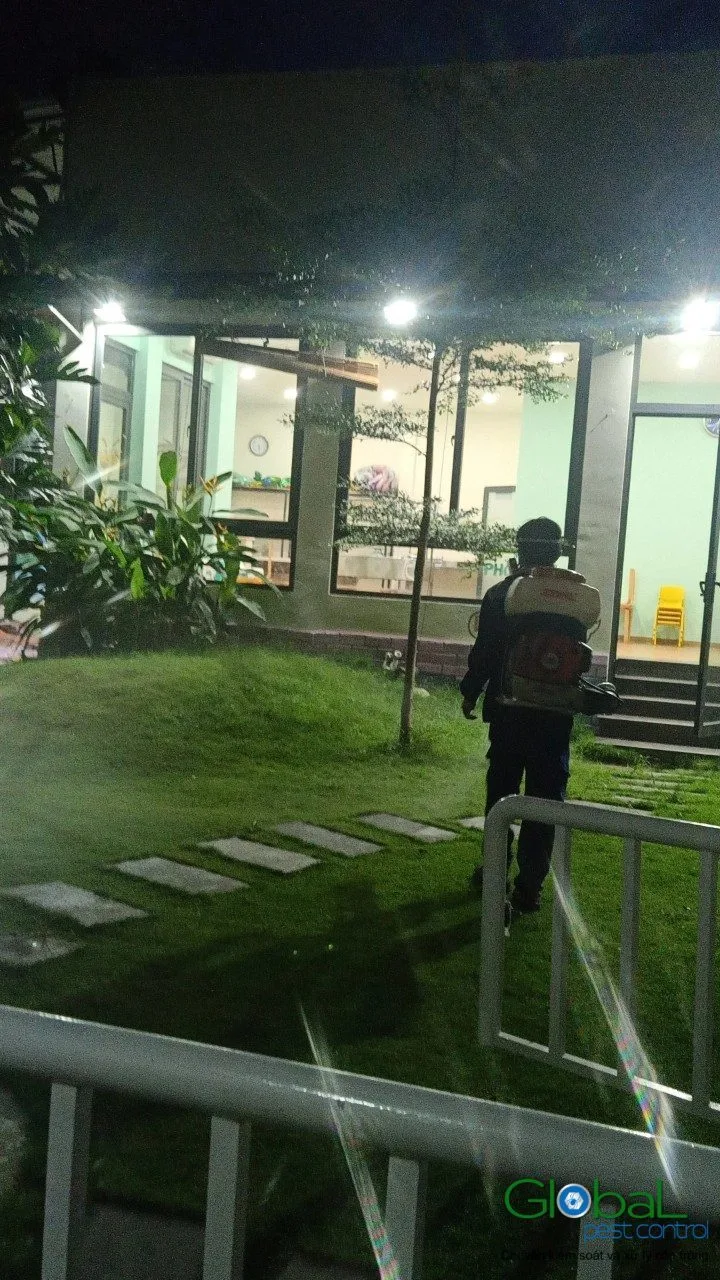
Reclaimed ground drains slowly. Add ornamental water features, extensive landscaping, irrigation and open plots that hold rainwater for days, and you have as much mosquito habitat as anywhere in the city. Between May and November this is the single most common complaint from Sala residents, and it is very largely a drainage and container problem rather than an insecticide problem.
What actually works: emptying or draining every container weekly, keeping planter saucers dry, treating the base of dense planting where adults rest in daylight, and larviciding water that genuinely cannot be removed. Fogging alone knocks down the adults present that evening and nothing else. Read mosquito breeding sites around your home for the checklist.
Villas, townhouses and gardens
The low-rise villa streets in Sala have gardens, boundary walls and direct ground contact, which brings them back into ordinary villa territory: ants, termites, rodents at the wall base and mosquitoes in the planting. These properties benefit from a perimeter programme rather than an interior one. See pest control for villas and compounds.
Offices and ground-floor retail
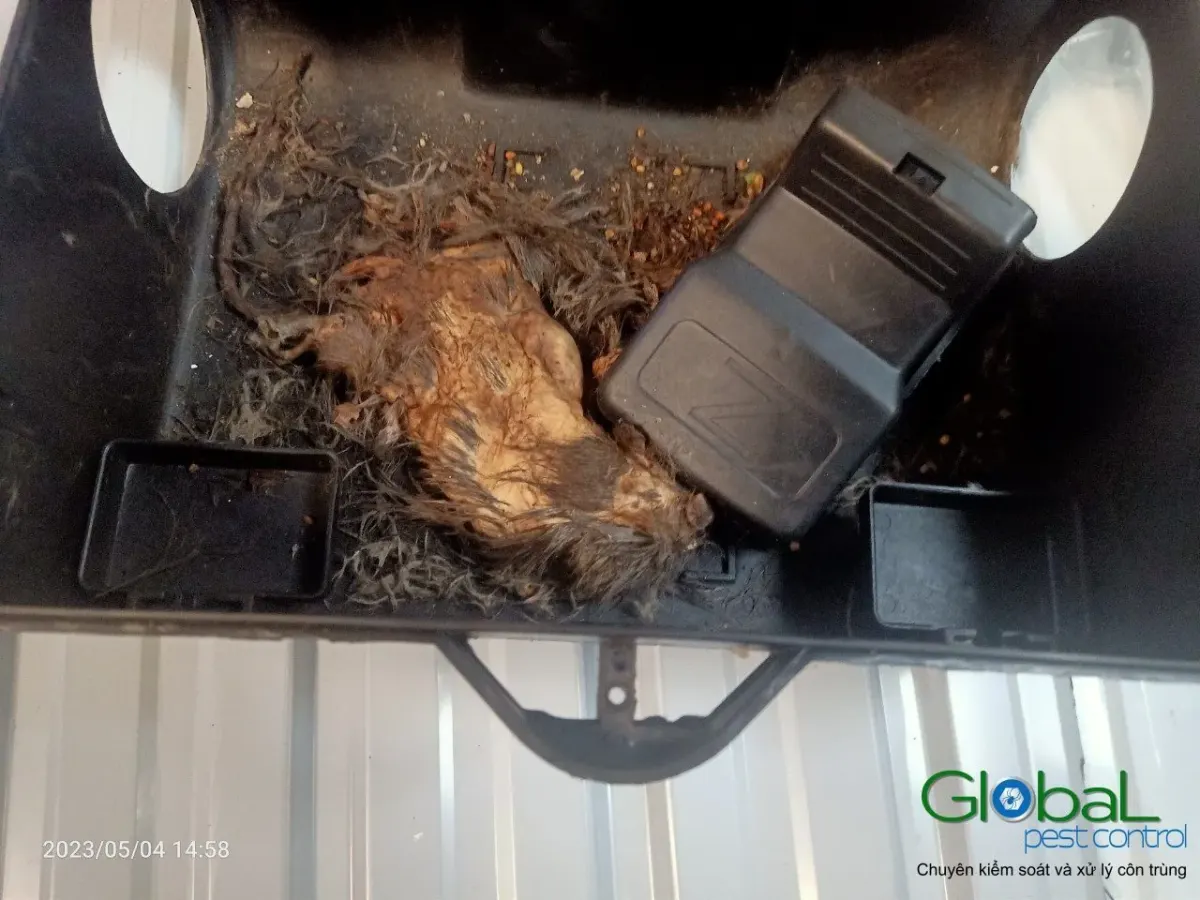
The office towers and the retail podium share a single condition — heavy landscaping right up against the building and food outlets at ground level. Cafés and restaurants on a podium generate waste and drainage in the same envelope as the offices above them, so a complaint in an office is frequently a problem originating two floors below. Where that is the case, treating the office alone repeats indefinitely. Our office programme and café and bakery programme cover both halves.
Open plots and what happens when they are built on
Thu Thiem still has large undeveloped parcels, and each one is grassland with standing water. While it sits idle it produces mosquitoes; the month machinery arrives, it displaces rodents into whatever is nearest. Neither is a reason for alarm, but both are reasons to treat the perimeter of an adjacent building on a shorter cycle while it is happening.
What we cover here
- Apartments in Sala, Empire City, The River and the surrounding towers.
- Villas, townhouses and compound houses with private gardens.
- Offices, showrooms and podium retail.
- Mosquito programmes built around drainage and containers rather than around fogging.
- Construction-adjacent perimeter treatment while a neighbouring plot is active.
Arranging a visit
The inspection is free, in English, and comes with a written quotation normally within one working day. Request an inspection, see the indicative price list, or read how pest treatment works if you want to know what will actually happen in the property first. Vietnamese-language services are at khutrungtoancau.vn.
Common questions
Our building is new. Why do we have mosquitoes?
Because mosquitoes are produced outside the building and fly in. Reclaimed ground drains slowly, landscaping is dense and irrigated, and there are open plots nearby. The building's condition barely affects it; the surrounding water does.
Is fogging the answer during the rainy season?
Fogging kills the adults present at that moment and has no residual effect on breeding. It is useful before an outdoor event. For a household it is the least valuable part of the programme — removing standing water and treating resting sites in planting does far more.
Do you treat the landscaping, or does management?
Management usually treats common landscaping. Private gardens, terraces, planters and balconies are yours, and they are where most of the containers are. We treat what you control and tell you what to raise with management.
Balconies and terraces
Apartments here have generous balconies, and a balcony is the part of the home most likely to be producing insects rather than merely receiving them. Plant saucers, an unused bucket, a folded umbrella base, a drainage outlet blocked by leaves and a barbecue cover holding rainwater are five complete mosquito breeding sites, and all five are within two metres of the door. A weekly two-minute check of the balcony does more for a household than any additional treatment inside.
Ants arrive by the same route, following a planter or a wire to the door. Keeping planters a hand-width off the wall and off the floor breaks most of those trails without any product at all.
Moving in, and the first month
A high proportion of Thu Thiem and Sala residents are new arrivals, and the first month in a new apartment is when a problem is either prevented or imported. Two things are worth doing on the day the furniture arrives. Check the mattress seams and the joints of any second-hand or shipped furniture before it enters the bedroom — furniture is the commonest route for bed bugs into a clean building. And run water down every floor drain in the property, including the one in a bathroom you do not intend to use, because a dry trap is an open pipe.
For the longer version, see renting and moving in Ho Chi Minh City and shipping furniture into Vietnam.