
Phu Nhuan is dense, mixed and busy at every hour, and its pest profile follows directly from that. Buildings touch each other, kitchens sit under bedrooms, and the alleys carry food waste, drainage and foot traffic all day. Treating a single property here without accounting for what it is attached to rarely holds for long.
Buildings that share walls share populations
Most of the district is narrow tube houses and small apartment blocks built wall to wall. A cockroach or rodent population does not recognise the boundary between two addresses, and a wall shared with a neighbour who has a problem is effectively an open door. This is the district where we most often recommend treating a neighbouring property as well — and where the neighbour, once the situation is explained, usually agrees.
It is also why proofing matters more here than treatment volume. Roof junctions, shared parapets, wire and pipe runs between buildings, and the gap where two structures meet are all routes, and none of them are affected by anything applied indoors.
The alley frontage
Phu Nhuan's alleys are commercial. Food stalls, small kitchens, waste awaiting collection, motorbikes parked over drainage covers and a constant supply of organic residue mean that pressure on the ground floor of any building is continuous. For residents this shows as ants and American cockroaches at ground and first-floor level; for businesses it shows as flies and rodents.
The realistic goal on a frontage like this is a defended threshold rather than a clean street: a treated band at the doorway, sealed gaps under doors and around pipes, a bin with a lid that closes, and drainage covers that seat properly.
Serviced apartments and long-stay rentals
The district has a large stock of small serviced apartments and long-stay rooms, popular with people working near the airport corridor and in Binh Thanh. High turnover in small units is the classic route for bed bugs, and the response has to include the units either side rather than only the one that reported. Operators should read the serviced apartment programme; residents should read bed bugs in Ho Chi Minh City.
Rodents, and why they are worse here
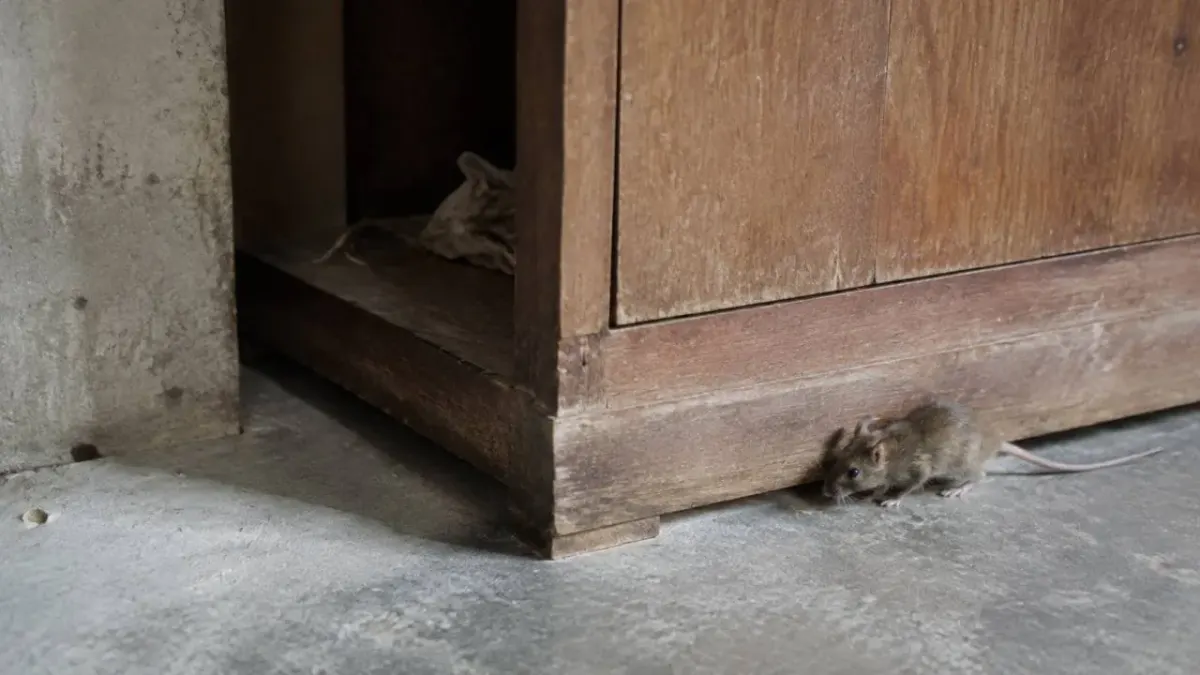
Density, continuous food supply, old drainage and building-to-building routes are exactly the four conditions rodents need. In Phu Nhuan a rodent complaint is almost never solved by traps alone; it needs the entry point found and closed. A mouse passes through a gap the width of a finger joint, and the commonest entries we photograph are the gap under a roller shutter, an unsealed pipe penetration, and a hole at the wall base opening onto the alley.
What we cover in Phu Nhuan
- Tube houses and townhouses, including roof junction and party-wall proofing.
- Apartments and small blocks, with adjoining-unit treatment where the layout requires it.
- Serviced apartments, long-stay rooms and guesthouses.
- Cafés, small kitchens and ground-floor retail on alley frontages.
- Rodent programmes built around entry-point proofing rather than trap counts.
Arranging a visit
The inspection is free and in English, and the quotation is written — method, areas, visits, warranty and exclusions. Request an inspection, or see indicative prices and how treatment works. Vietnamese-language services are at khutrungtoancau.vn.
Common questions
My neighbour will not treat their property. Is mine hopeless?
No, but expect a shorter interval between visits and put more of the budget into proofing. Sealing the routes between the two buildings is the part you control, and it is the part that holds when the neighbour does nothing.
Do I need to be there for the treatment?
For the first visit, yes — the inspection is where the decisions are made and we need access to every room including the roof terrace and any storage. Later visits can be arranged with whoever is at home.
The alley floods in heavy rain and then we see insects. Related?
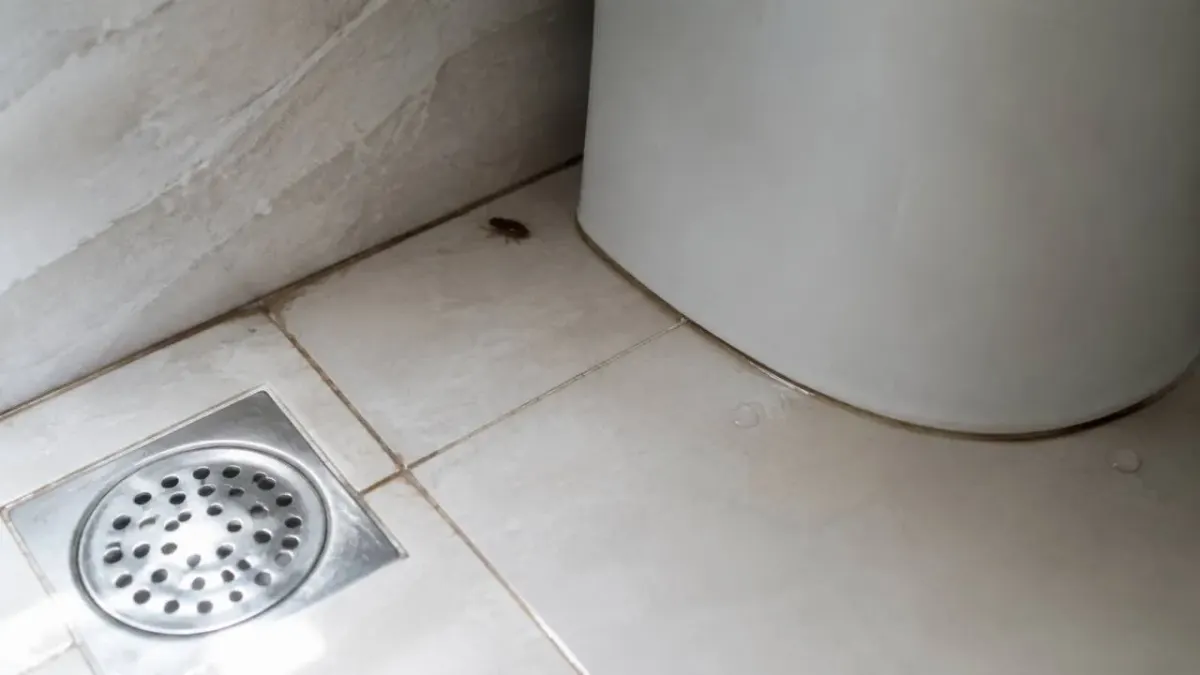
Directly. Flooding pushes what lives in the drainage system upward and outward, which is why American cockroaches appear indoors in the hours after heavy rain. Wet floor traps and sealed penetrations are what keep them in the pipe.
Waste, and the hour it goes out
In a dense district the single most controllable factor is when refuse sits outside. Waste put out early and collected late is a food supply on your threshold for several hours every day, and rodents and cockroaches organise their night around it. Putting bags out within thirty minutes of collection, using a bin with a lid that actually closes, and keeping the area under the bin clean does more than an extra treatment visit.
This is also the one measure a whole alley can adopt cheaply, and it is worth raising with neighbours before anyone spends money on treatment.
What a visit costs here
A tube house or small apartment in Phu Nhuan sits at the lower end of residential pricing because the treated area is small. What raises the figure is the number of floors and the amount of proofing needed at roof and party-wall level. Indicative ranges are on the price list and the survey that produces your figure is free.
Getting the building to act
In a district of shared walls, the most useful thing you can do is often not a treatment but a conversation — with the neighbour whose kitchen backs onto yours, or with the building manager who controls the corridor and the refuse room. Those conversations go better with a document. A dated technician report naming the species and identifying the route is far more persuasive than a complaint, and we write it in a form you can forward.
Where the conversation needs to happen in Vietnamese, we can have it. See booking pest control without speaking Vietnamese and what building management covers.