Bed Bugs in Ho Chi Minh City: Hotels, Rentals and Second-Hand Furniture
Bed bugs move in luggage, in second-hand furniture and along shared walls. They have nothing to do with how clean a home is, which is worth saying plainly because the assumption that they do is what stops people reporting them early.
How to know that is what you have
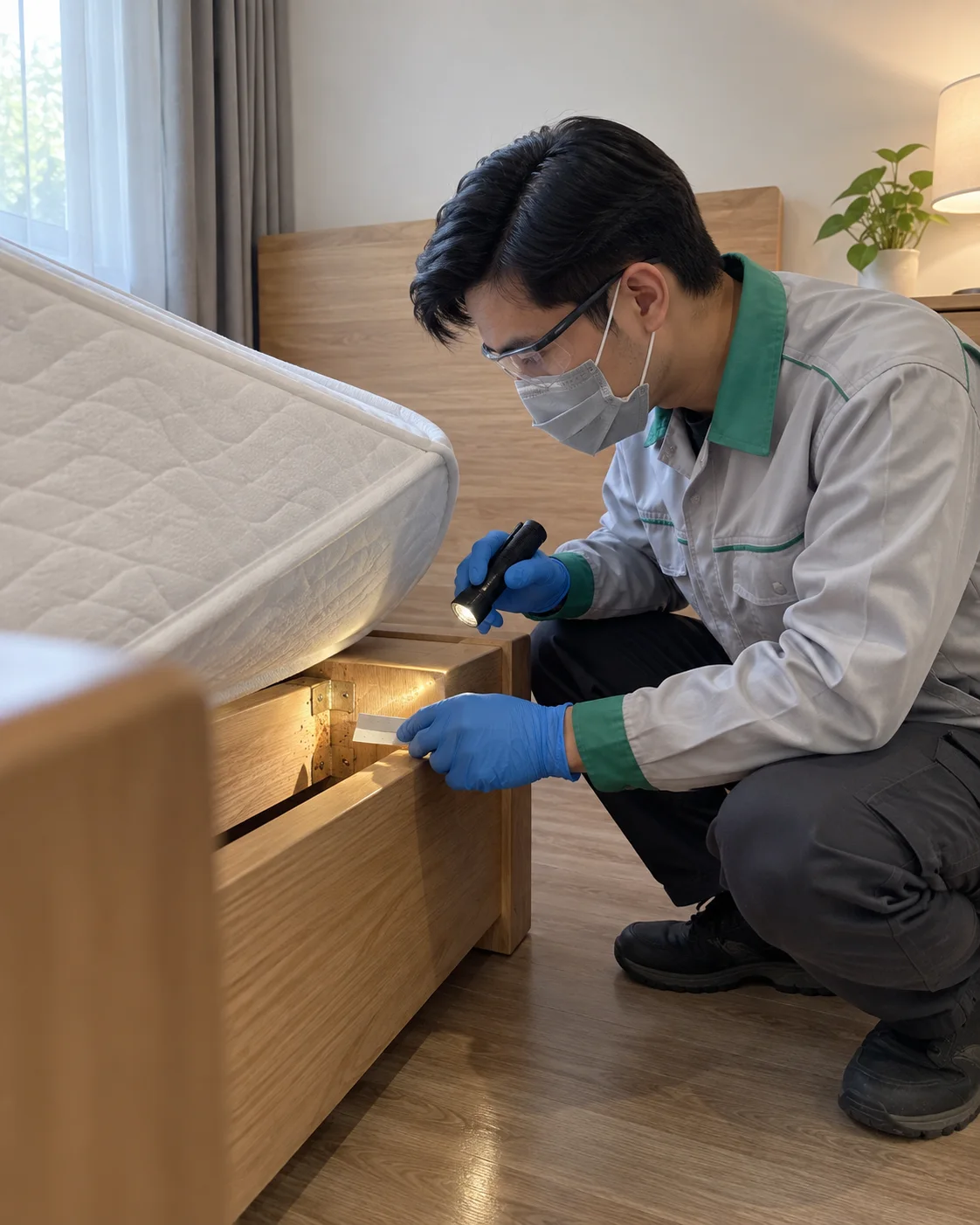
Bites alone are not diagnostic — people react very differently and some not at all. The reliable signs are physical:
- Dark specks along the mattress seam, on the label, and in the piping, in lines or clusters
- Small pale shed skins in the same places
- Live insects about the size and shape of an apple pip, flat and reddish-brown
- Specks on the bed frame joints and where the headboard meets the wall
- A faint sweetish smell in a heavily infested room
Look with a torch at the head end of the bed first. That is where the great majority of a population sits, because it is closest to a sleeping person.
Second-hand furniture is the main route here
Ho Chi Minh City has an active second-hand market, and mattresses, bed frames, sofas and upholstered chairs are the items most likely to carry bed bugs into a home. The insects sit inside joints and under fabric, so an item can look immaculate.
If you buy second-hand, inspect the joints and seams in daylight before it comes into the building, and never bring an upholstered item straight into a bedroom.
What does not work
Throwing out the mattress rarely solves it, because the population is also in the frame, the skirting and the furniture nearby — and moving an infested mattress through a building spreads it. Aerosol sprays scatter the insects into wall voids and adjacent rooms.
Bombs and foggers are the worst option of all: they repel, they do not reach the harbourage, and they routinely turn a one-room problem into a whole-apartment one.
What a proper treatment involves
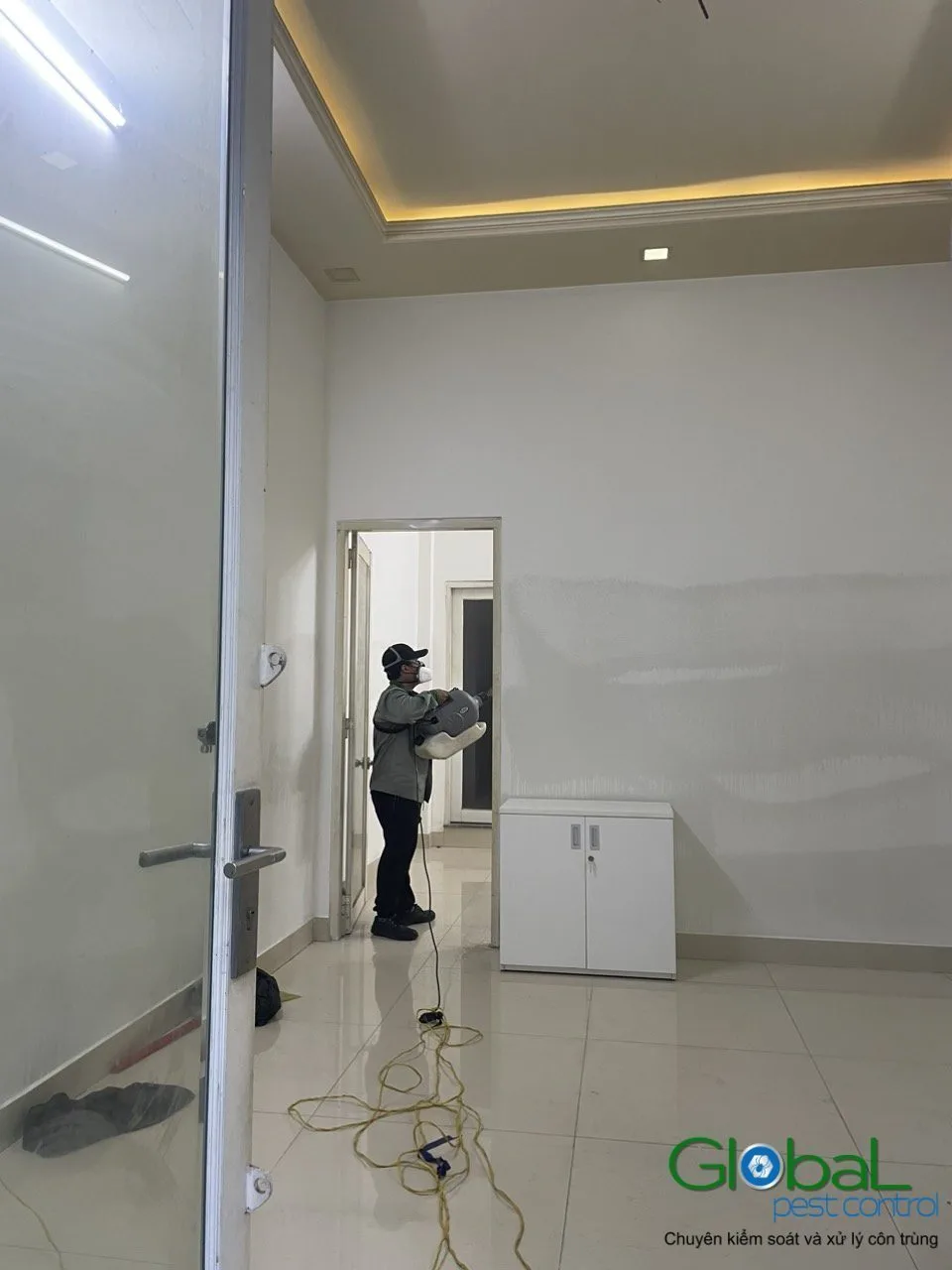
- A full inspection of the bed, frame, adjacent furniture, skirting and any upholstered item in the room
- Targeted treatment of harbourage rather than broadcast spraying
- Laundering and hot drying of bedding and clothing, or bagging it for the duration
- Encasements on the mattress and base where appropriate
- A second treatment at two to three weeks, because eggs are not affected by most products
- Re-inspection before declaring the room clear
Why the follow-up is not optional
Bed bug eggs hatch over roughly one to two weeks and are far more tolerant than the adults. A single treatment that appears completely successful at day five commonly fails at day twenty, and the room is then declared clear at exactly the wrong moment.
Any quotation for bed bugs that includes only one visit is quoting for half the job.
Preparing a room for treatment
- Strip the bed and launder bedding at the highest temperature the fabric allows, then hot tumble dry
- Bag clothing from wardrobes and drawers in the affected room and launder it in batches
- Do not move furniture or belongings into another room — that is how a one-room problem spreads
- Vacuum the mattress seams, frame joints and skirting, then seal and dispose of the bag outside
- Leave the bed frame accessible; it may need dismantling
The instruction that surprises people is the third one. The instinct to move out of the room and take belongings elsewhere is exactly what turns one room into three.
Heat treatment and when it is worth it
Heat treatment raises the whole room above the lethal temperature for all life stages including eggs, which is why it can work in a single session. It requires equipment, time and careful monitoring, and it costs more than a chemical treatment.
It is worth considering for a hotel room that must return to service quickly, for a heavy infestation, or where chemical treatment has already failed twice. For a single bedroom caught early, targeted treatment with a follow-up is usually sufficient and considerably cheaper.
Living with the room during treatment
You can normally continue sleeping in the room, and in most cases you should. Bed bugs feed on a host; removing the host causes them to disperse to find another one, often into adjacent rooms. Moving to the sofa is one of the most reliable ways to spread a bedroom problem through an apartment.
The exception is where a medical reason makes bites unacceptable, in which case say so and the treatment plan changes accordingly.
Apartment buildings and adjacent units
In an apartment building bed bugs can move along skirting, through wall voids and along service penetrations into the units either side. Where an infestation is established rather than newly introduced, treating one apartment alone frequently fails.
The signal is whether neighbours report bites. If they do, this is a building matter and the management should be told, because the alternative is each affected unit paying separately for treatments that reinfest one another. That is an uncomfortable conversation to start and a much cheaper one than the alternative.
Global Pest Control is the English-language arm of Khử Trùng Toàn Cầu. The same technicians and the same programmes are described on the Vietnamese service pages.
Book an inspection
Site inspections are free of charge and carry no obligation. A technician walks the property, identifies the species and the harbourage, and sends a written quotation with the method and the schedule — normally within one working day.
Request an inspection · See indicative prices · All services