Supermarket Products: Where They Help and Where They Waste Money
It would be convenient for us to say that nothing on a supermarket shelf works. Several things on it work perfectly well, and it is worth being straightforward about which.
What matters is knowing which category each product falls into, because one of the categories makes a later professional treatment considerably harder.
What genuinely works
Cockroach gel bait, provided it is placed into cracks and voids rather than on open surfaces, and provided nothing has been sprayed nearby. It is the same class of product a professional uses, in smaller quantity, and placement is the only real difference.
Ant bait stations, on the trail rather than beside it. Sticky monitors, which cost almost nothing and tell you where activity is. Topical mosquito repellent with DEET, picaridin or lemon eucalyptus. Rigid sealed food containers, which prevent a whole category of problem. Silicone sealant and door brush strips, which are the best value on this list by a wide margin.
What is neutral
Electric mosquito rackets, which kill the individual in front of you and nothing else. Plug-in vaporisers, which work in a closed bedroom and do very little in a room with a door open. Fly papers, which catch some flies and are unpleasant to look at.
Aerosol sprays used to kill a specific visible insect are also in this category. Used that way they are fine; used as a treatment they move into the next section.
What actively causes harm
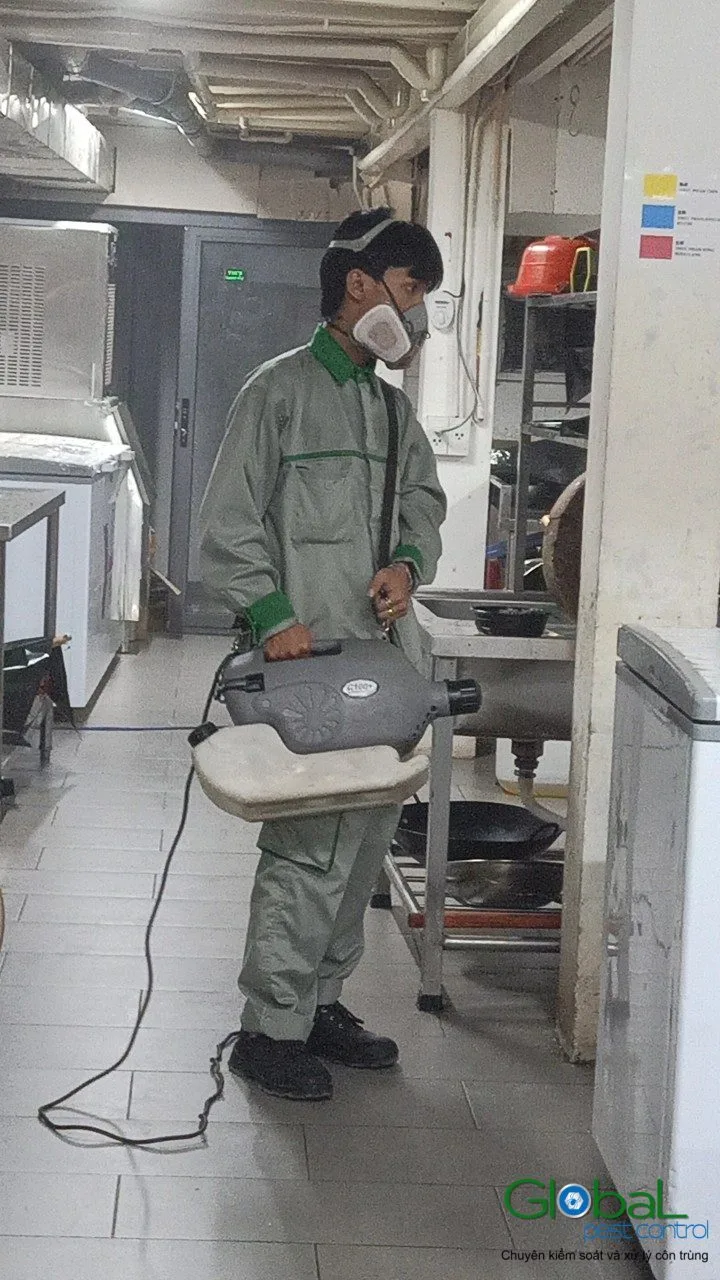
Aerosol insecticide used broadly around a kitchen or a bedroom. It scatters a German cockroach population into new voids and adjacent rooms, disperses ants without touching the nest, and for bed bugs it spreads a localised problem through a property.
It also leaves repellent residue on exactly the surfaces where bait needs to go, which means a professional treatment afterwards starts from a worse position. When we ask people to stop spraying before a visit, this is why.
What does not work
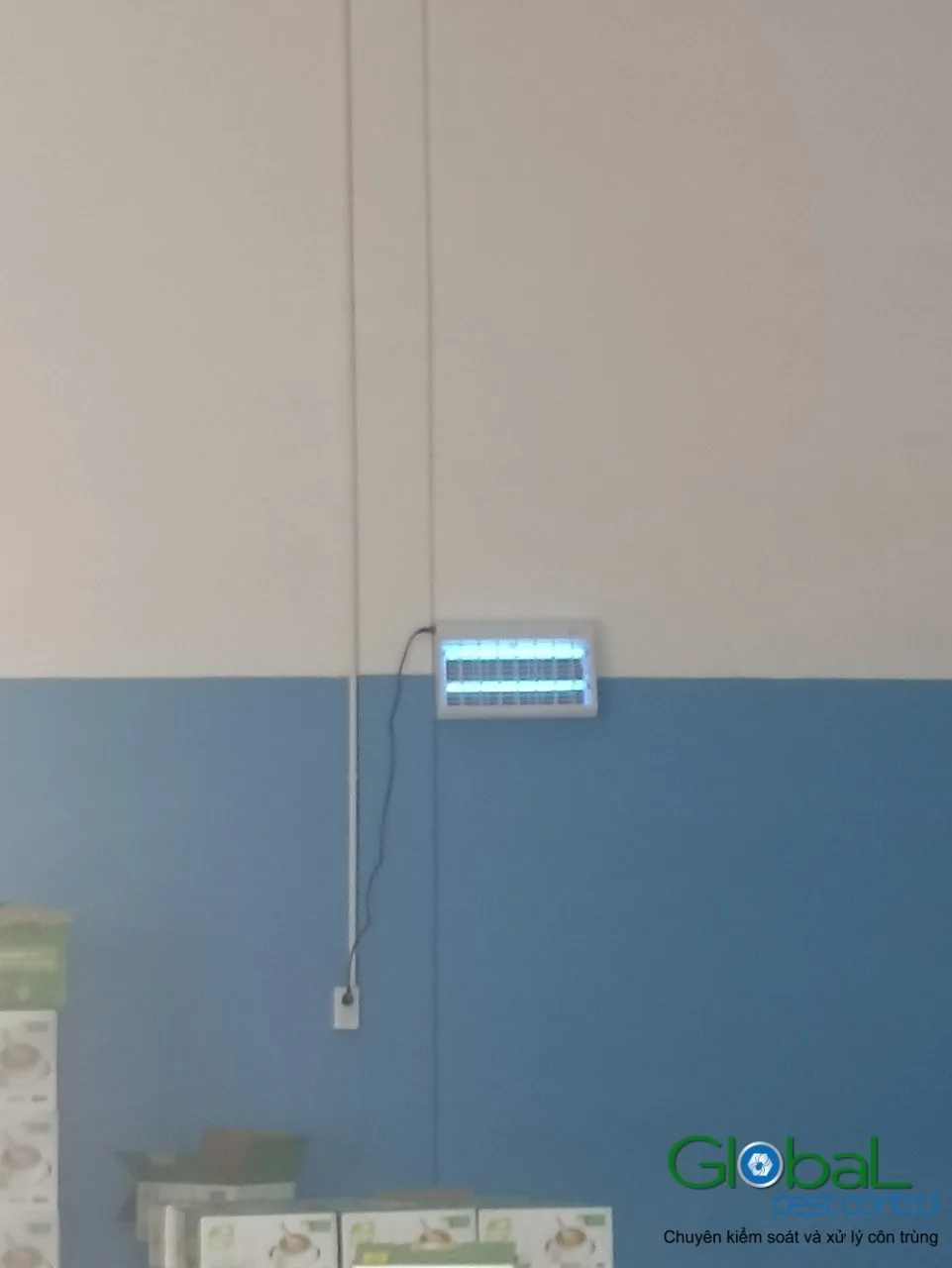
Ultrasonic and electromagnetic plug-in repellers, which have been tested repeatedly against every relevant species with no meaningful effect. Mosquito-repelling plants sitting in a pot. Mothballs used against rodents. Cucumber, bay leaves and coffee grounds against cockroaches. Blue-light zappers marketed for mosquitoes, which catch large numbers of harmless insects and very few mosquitoes.
The placement rule that decides most of it
Almost every failure of a supermarket product in a home is a placement failure rather than a product failure. Gel bait on the visible surface of a cabinet floor instead of in the corner crack. An ant station on the counter instead of on the trail. A monitor in the middle of the room instead of tight against a wall.
Insects travel along edges and live in gaps. Anything placed where a person would find convenient is placed where nothing goes.
The one thing to buy first
A tube of silicone and a door brush strip. Sealing the gap where the waste pipe passes through the sink cabinet and closing the undercut on the front door removes two of the three commonest entry routes in a Vietnamese apartment, costs very little, and never needs reapplying.
It is a dull recommendation and it does more than anything else on the shelf.
One more category deserves care: products bought online from outside Vietnam. Concentrates and professional-grade products ordered from abroad arrive without a Vietnamese registration number, without local label instructions, and sometimes without any label a household can read. Dosing by guesswork is both less effective and a genuine exposure risk, and it is one of the few situations where doing nothing is clearly better than doing something.
When to stop and call somebody
When a German cockroach population is established rather than incidental, when bed bugs are confirmed, when there is rodent evidence, when termites are suspected, or when two weeks of correctly placed bait has produced nothing. Those five are jobs where the domestic version does not scale, and continuing to try usually costs more than the visit would have.
Related reading
See gel bait or spray and baiting versus killing. On what does not work, things that do not work. For placement, hidden gaps, and for labels, reading a Vietnamese product label. Our parent company sets out professional methods in Vietnamese at khutrungtoancau.vn.
Global Pest Control is the English-language arm of Khử Trùng Toàn Cầu, based in Thu Duc City.
Common questions
Is supermarket gel the same as what you use?
Often the same class of active ingredient at a similar concentration, so the chemistry is comparable. What differs is the range of matrices available, the applicator, and knowing where to put it. Placement in voids you cannot see is most of the value of a professional visit, which is a genuine difference rather than a sales point.
Can I use bait and spray together?
Not in the same area, and this is the most common self-inflicted problem we see. Spray residue near a bait point makes the bait unattractive and kills the foragers that would carry it back. Pick one approach per area, and if you have already sprayed, tell us so the bait goes somewhere else.
Which is better value, a professional visit or buying products?
For a small, correctly identified, early problem, the products are excellent value and we would say so. For an established population, anything in a void you cannot reach, or a species where identification matters, a visit is cheaper than three months of buying things that do not quite work. The deciding question is whether you know where the harbourage is.