Bar Areas, Drip Trays and Fruit Flies
Every bar in this city fights fruit flies at some point, and almost every bar fights them the wrong way. They are not in the air; they are breeding in a very small number of places, all of which hold two or three millilitres of fermenting sugar, and all of which are within reach of the person standing behind the counter.
Find the six sites and the problem ends in about four days, which is one fruit fly generation. Spray the air and it ends until tomorrow evening.
The six places, in order of likelihood
- Pourers and speed pourers. The inside of the spout holds residue permanently. Take them off nightly and soak them; do not just wipe the bottle.
- The drip tray and its drain line. Not the visible tray — the pipe under it, which is rarely flushed.
- The ice well overflow. Sweet residue washes into it all evening and it never fully drains.
- Bar mats. Underneath, where liquid pools between the rubber and the counter.
- The bin and the recycling crate. Bottles with a centimetre left in them, standing overnight.
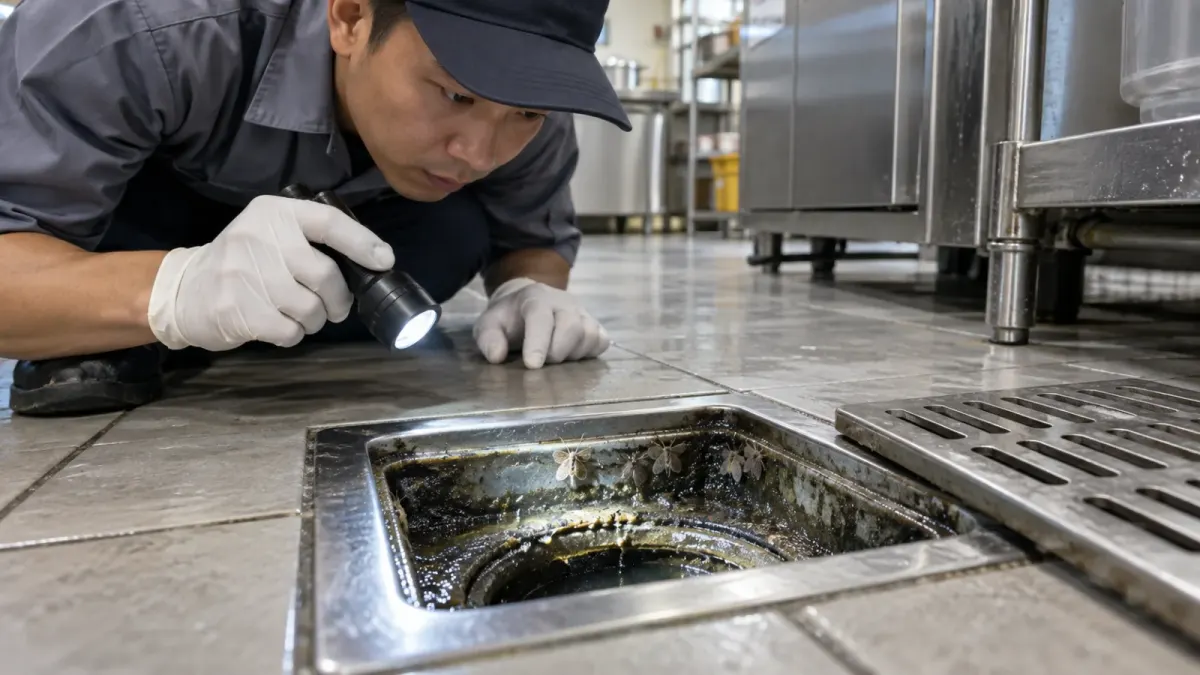
- The floor gully behind the bar, which usually receives everything above and is cleaned least.
Why they multiply so fast here
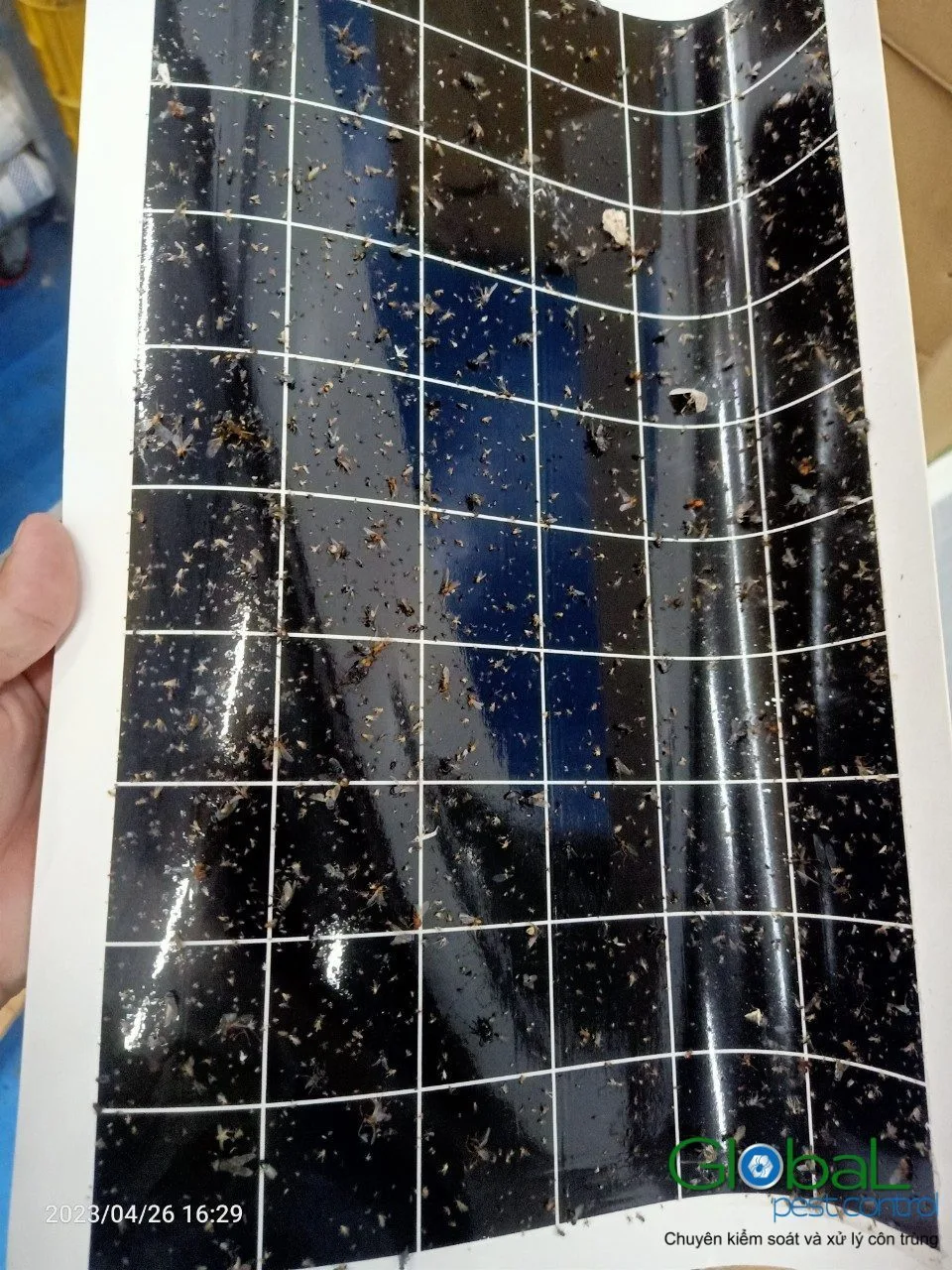
A fruit fly completes egg to adult in eight to ten days at 30 °C — roughly half the time it takes in a temperate climate. A single female lays several hundred eggs. That is why a bar can go from nothing to visibly infested in about ten days, and why a source removed today shows a clear improvement within four or five days rather than immediately: the adults already flying still have their normal lifespan.
It also means the problem is genuinely seasonal here — pressure rises through the rains as humidity keeps residues wet for longer.
The nightly routine that actually works
Five minutes at close, done every night rather than thoroughly once a week. Pourers off and into a soak. Drip trays lifted, emptied and rinsed, including the line beneath. Bar mats lifted and the counter under them wiped. Bin emptied and the liner changed even if it is not full. And a litre of water down the floor gully, which both flushes it and keeps the trap sealed against anything coming the other way.
The weekly addition is a biological drain treatment down the bar gully and the drip tray line at close, left overnight so it is not immediately flushed away.
When it is not fruit flies
If the insects rest on walls with wings held like a tent and are fuzzy, they are drain flies and the source is the film inside a drain rather than sugar. If they run on surfaces in short bursts rather than flying, they are phorid flies and something organic is under or behind a fixed unit — a cracked drain, a spill under a sealed plinth. Both need different work, and both are covered in grease traps and the flies they produce.
The build details that decide the next five years
If you are fitting out, three decisions remove most of this permanently. Drip trays that drain to a trapped point rather than into a container somebody empties. A bar plinth either sealed to the floor with no cavity or raised on legs with 150 mm of moppable clearance. And a floor gully with a removable basket, positioned where a person can actually reach it rather than under the ice well. See the café and bakery programme and fitting out a café.
What a bar back should be able to do without asking
Most bars put the five-minute routine in the closing checklist and then never check that it happens. It works far better when one person owns it and knows why each item is on the list. A bar back who understands that the pourer interior is a breeding site treats the soak differently from one who has simply been told to soak pourers.
The other half is permission: staff need to be able to lift a drip tray, pull out a bar mat and open the gully without asking a manager. If any of those requires permission, none of them happens on a busy night — which is exactly the night they matter.
Before a private event
If you have a function booked and flies are visible now, the sequence is: strip and soak everything on the list two nights before, apply a biological drain treatment that night, and if adults are still flying on the day, a knock-down two to three hours before guests arrive with glassware covered or removed. That order matters — a knock-down applied before the sources are cleared buys one evening and hides the fact that nothing changed.
Related reading
The full kitchen and bar programme is the restaurant programme; the fly species pages are flies. For customer-facing incidents, see handling a customer who photographed an insect. Our parent company covers the same work in Vietnamese on its fly control programme.
Global Pest Control is the English-language arm of Khử Trùng Toàn Cầu, based in Thu Duc City. Out-of-hours work as standard on contract.
Common questions
We clean the bar every night and still have them. Why?
Because cleaning the visible surfaces does not reach the six breeding sites. Pourer interiors, drip tray lines, the ice well overflow and the underside of bar mats are all missed by a normal close-down, and any one of them sustains the population on its own.
Do fruit fly traps work?
Vinegar traps catch adults and are useful for measuring whether numbers are falling, which makes them a good monitoring tool. They will not clear an infestation, because they do not touch the larvae developing in the residue. Use them to check your progress rather than as the treatment.
How long after we fix the source will they disappear?
Four to six days. The adults already flying live out their normal lifespan, so the numbers fall progressively rather than stopping overnight. If they are still at the same level after a week, you have found one source and missed another.