
Diplomatic missions, representative offices and international NGOs buy pest control the way they buy every other service: against a specification, with named personnel, documented products and reporting in English. The insects are the same ones in every building in this city. The procurement is not.
What this sector actually asks for
- Named technicians for every attendance, notified in advance, with identity details supplied to security before the visit rather than at the gate.
- Product transparency. Active ingredient, registration number, safety data sheet and the quantity applied, per visit and per area.
- Written scope. Which areas are treated, which are excluded, what happens with restricted or secure areas, and who escorts.
- Reporting in English that an administrative officer can file without translating, and that reads the same in month twelve as in month one.
- A defined escalation route for an out-of-hours incident, with a named contact rather than a general hotline.
- Continuity. The same small team attending each month, because re-briefing a new technician on a controlled site costs your staff more than the visit costs us.
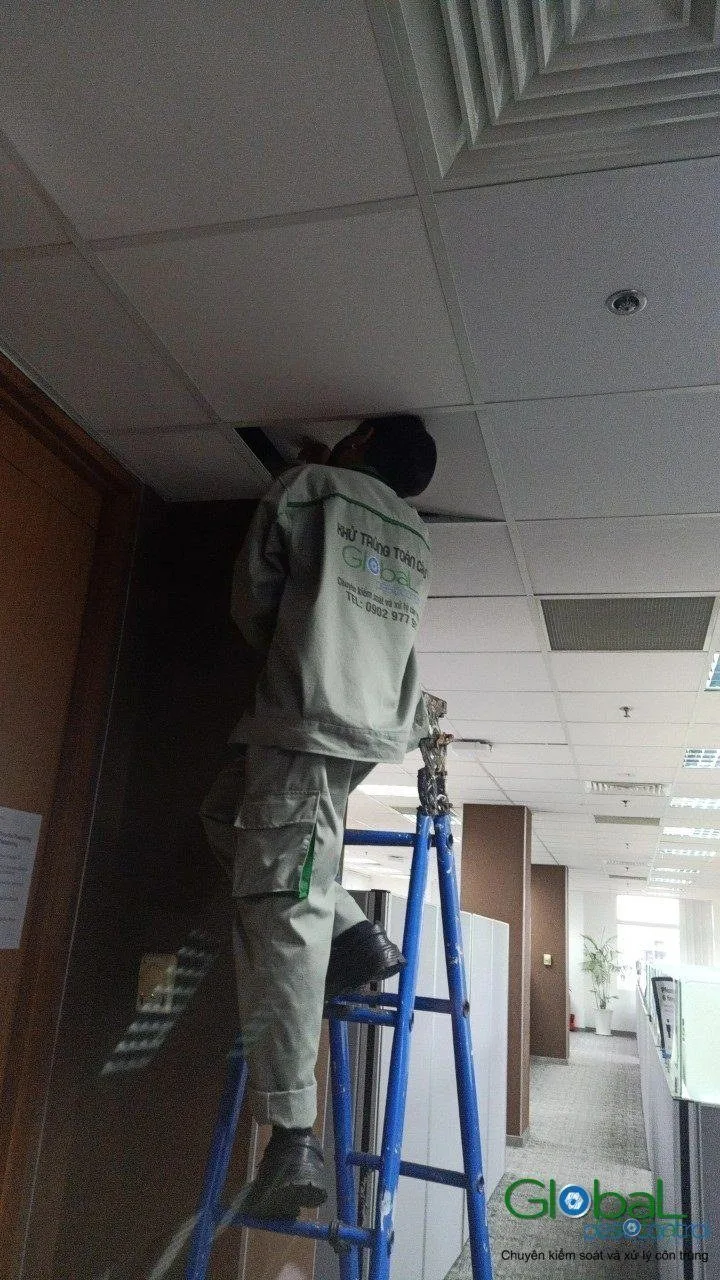
Working inside access restrictions
On a controlled site the constraint is never the treatment; it is movement. We plan a visit as a route with escorts rather than as a list of rooms, so the escorting officer's time is used once. Where an area cannot be entered, we say so in the report and record it as not inspected rather than as clear — an inspection record that quietly implies coverage it did not have is worse than an honest gap.
Equipment brought on site is listed in advance. Photographs are taken only where permitted, and the report notes where photographs were not possible.
Residences as well as offices
Missions typically hold a portfolio: chancery, staff residences, sometimes a school or a cultural centre. Residences are ordinary villas and apartments with an extra requirement — appointments arranged directly with the resident family, in English, and a treatment approach suited to households with young children. Our villa programme and the guide to safety around children, pets and pregnancy cover that side.
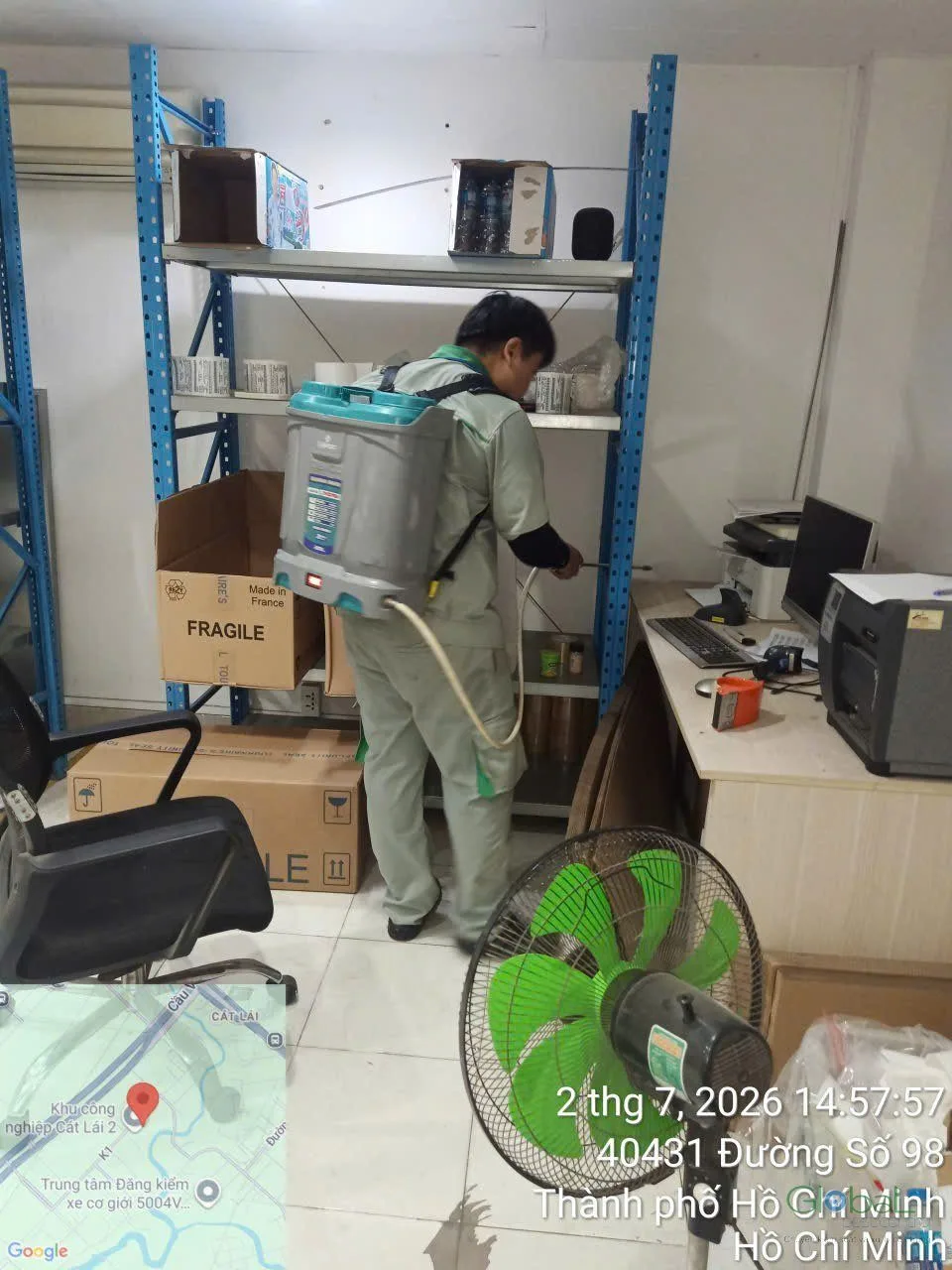
Why an English-language provider matters here
Not for the treatment — for the record. A pest management file is read by people who were not present: an auditor, an incoming administrative officer, a headquarters compliance team. If the report exists only in Vietnamese, every one of those readings requires a translation, and translated technical records lose exactly the detail that made them worth keeping. We write the record once, in English, and speak Vietnamese to the building, the landlord and the authorities on your behalf.
Tendering and comparison
If you are running a formal comparison, ask every bidder for the same six items: species covered, method per species, visit frequency, product registrations, reporting format and the exclusions. Bids that look far apart on price usually differ on the last two. The guide to choosing a pest control company in Vietnam sets out what to check, and pest control regulations in Vietnam explains what the law actually requires of a provider here.
Common questions
Can you supply technician details in advance for security clearance?
Yes. Names, identity document numbers, photographs and vehicle details are supplied ahead of each visit in whatever format your security office uses, and we keep the same team on the site so the process is repeated rather than restarted.
Do you carry insurance and licences we can verify?
Yes. Business registration, the licences required for this activity in Vietnam, product registration certificates and insurance documents are provided at contract stage and refreshed on renewal without being asked.
Can reporting follow our own template?
Usually. Tell us the fields your headquarters requires and we will map our report to them. Where a field cannot be evidenced honestly we will say so rather than fill it in.
Scope of works we normally propose
A mission specification usually resolves into five recurring elements, and it is worth seeing them written out before you write your own. Perimeter and external: bait stations along the boundary, drainage inspection, landscaping bases, and the vehicle entrance. Public and reception areas: monitors and gel bait only, no residual treatment where visitors sit. Office floors: pantries, cable trays, service risers and waste points, treated outside working hours. Catering and kitchen, where present: drainage cycle, equipment voids, dry store inspection. Residences: separate scope, arranged with each household.
Anything outside those five — a specific termite programme, a mosquito programme for an outdoor event, a response to a single incident — is quoted separately rather than folded into the monthly figure, so the recurring cost stays comparable year on year.
Response and escalation
For sites on a contract we hold a same-day or next-morning response for reported incidents, with a named contact rather than a general number. Where an incident affects a public-facing area or a catering operation, the written report follows within twenty-four hours so it can go into your own incident record while the detail is current.
Who we are
Global Pest Control is the English-language arm of Khử Trùng Toàn Cầu, a Vietnamese company registered under number 0316590468 with its office in Thu Duc City. The Vietnamese entity holds the licences and the product registrations; the English-language arm exists so that the record you keep is in the language your organisation reads. Vietnamese-language services are at khutrungtoancau.vn.