Cable Trays, Risers and Server Rooms
Ask a facilities manager where the pest risk in an office building is and the answer is almost always the pantry or the bin store. Those are the places where activity is seen. The places where a population actually survives between sightings are the cable trays, the service risers and the server room, and those are entered perhaps twice a year.
Warm, dry, dark, structurally continuous from the basement to the roof, and undisturbed. In a tropical building that combination is scarcer than it sounds, and anything that finds it stays.
Why the riser is the route that matters
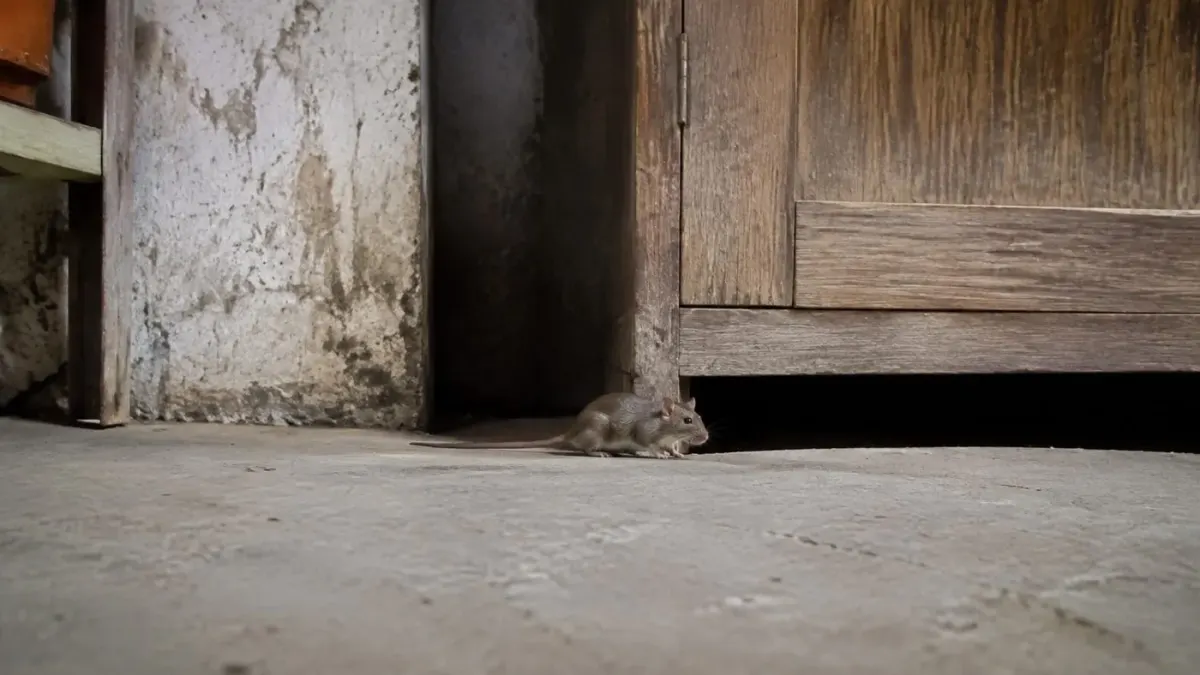
A service riser is a vertical shaft running the full height of a building, carrying power, data, water and sometimes drainage. From a rodent point of view it is a motorway with an exit on every floor, and the exits are the penetrations where cables leave the shaft into the ceiling void of each tenancy. Those penetrations are made by different trades at different times and are very rarely sealed to the same standard twice.
This is why a single tenancy on the eleventh floor can have activity while the floors either side have none, and why treating that one tenancy repeatedly never resolves it. The population is not living in the office. It is living in the shaft and visiting.
Cable trays as a horizontal road
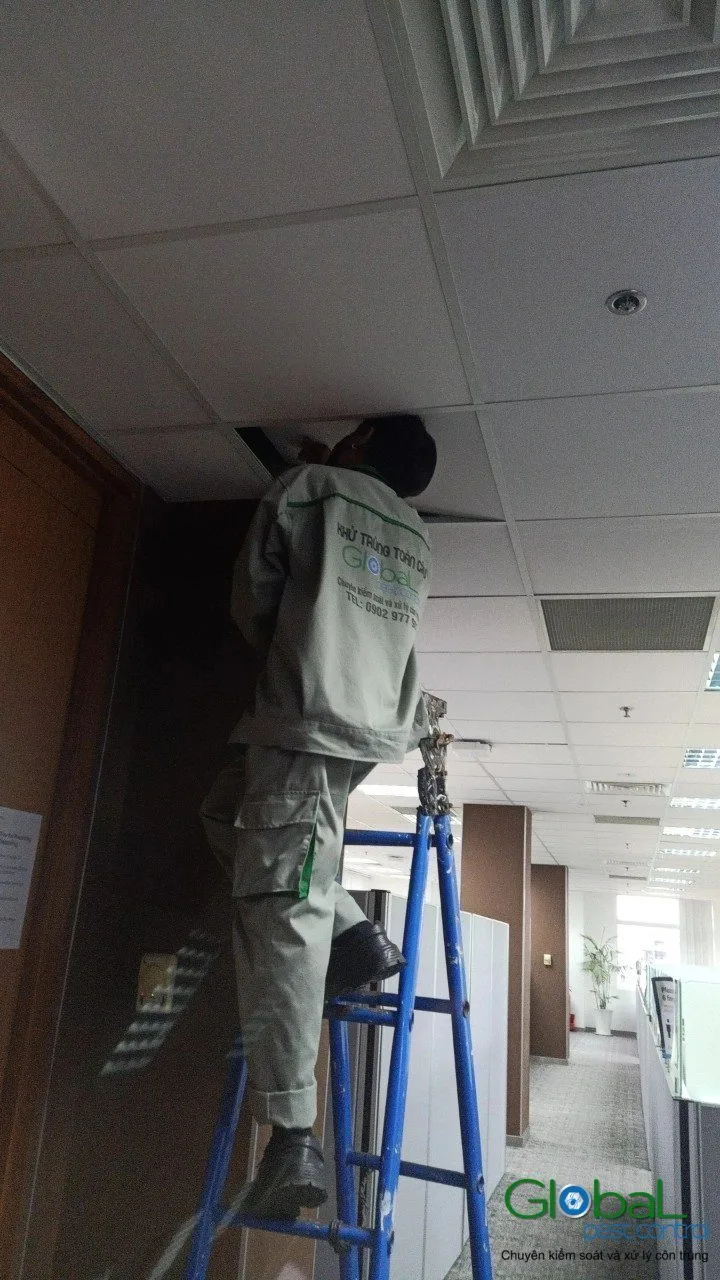
Above a suspended ceiling, cable trays run continuously across a floor plate, over partition walls that stop at ceiling level and do not continue into the void. To an insect or a rodent the floor has no internal walls at all. A cockroach population established above the pantry ceiling therefore has unobstructed access to every meeting room on the floor, which is why treating the pantry alone produces a fortnight of quiet and then a return.
The server room is a special case
A server room is kept dry and at a steady temperature all year, has raised floor voids or deep cable trays, is cleaned rarely because equipment cannot be moved, and is entered by a small number of people. For rodents it offers uninterrupted shelter; for cockroaches it offers warmth without competition. The damage when it happens is disproportionate: gnawed data cabling causes intermittent faults that are diagnosed as network problems for weeks before anyone lifts a floor tile.
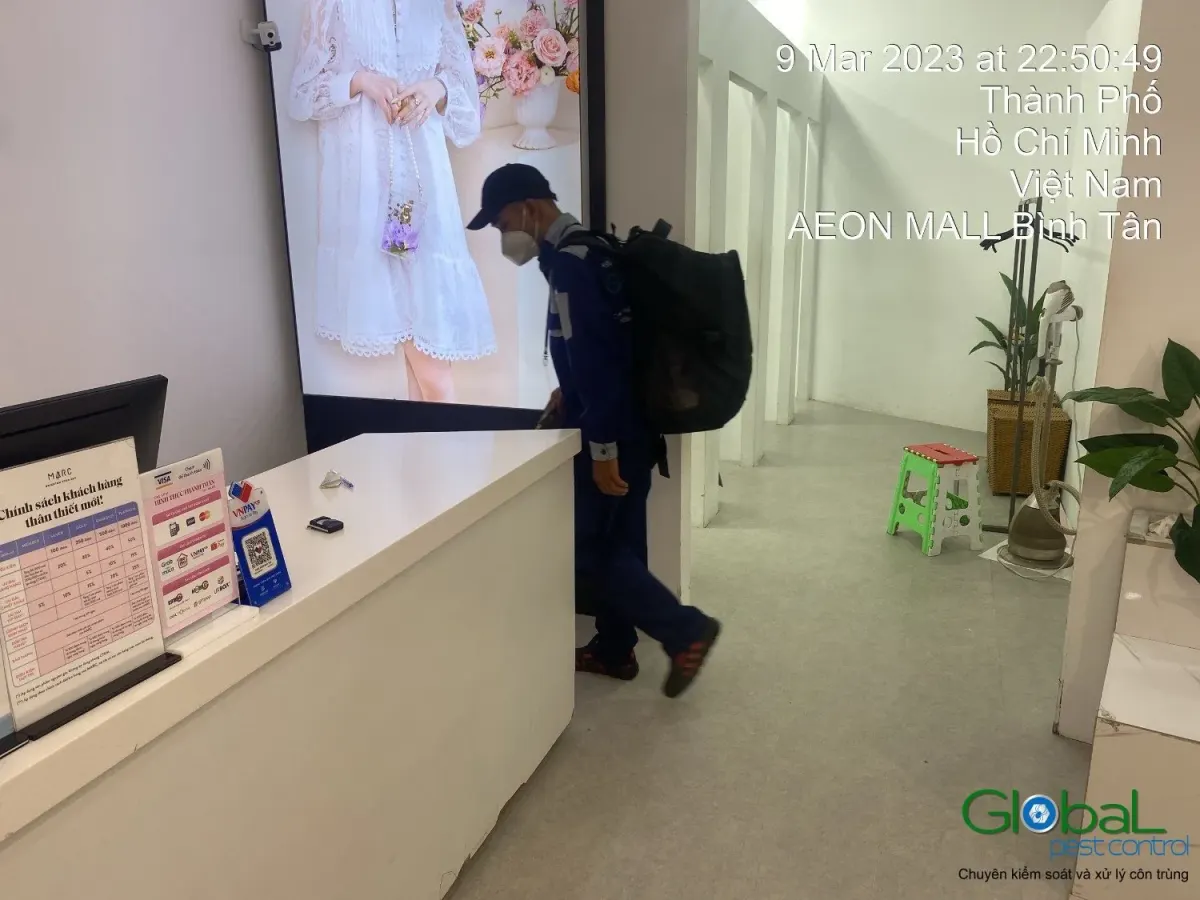
Treatment in a server room also has constraints that most spaces do not. Liquid application near live equipment is not acceptable, so the work is dust in voids, sealed bait in secured stations, and monitoring — which is precisely why proofing matters more here than product does.
What good proofing looks like in these spaces
- Fire-rated sealing at every floor penetration in the riser. This is usually already a fire compliance requirement, which makes it the easiest budget conversation in the building.
- Brush strips or grommets where cable trays pass through walls, rather than an oversized rough opening left by the contractor.
- Riser doors that actually close, with an intact bottom seal — a 15 mm gap under a riser door is an open invitation.
- Raised floor tiles that seat flush, and a stated rule that lifted tiles are replaced the same day.
Monitoring instead of guessing
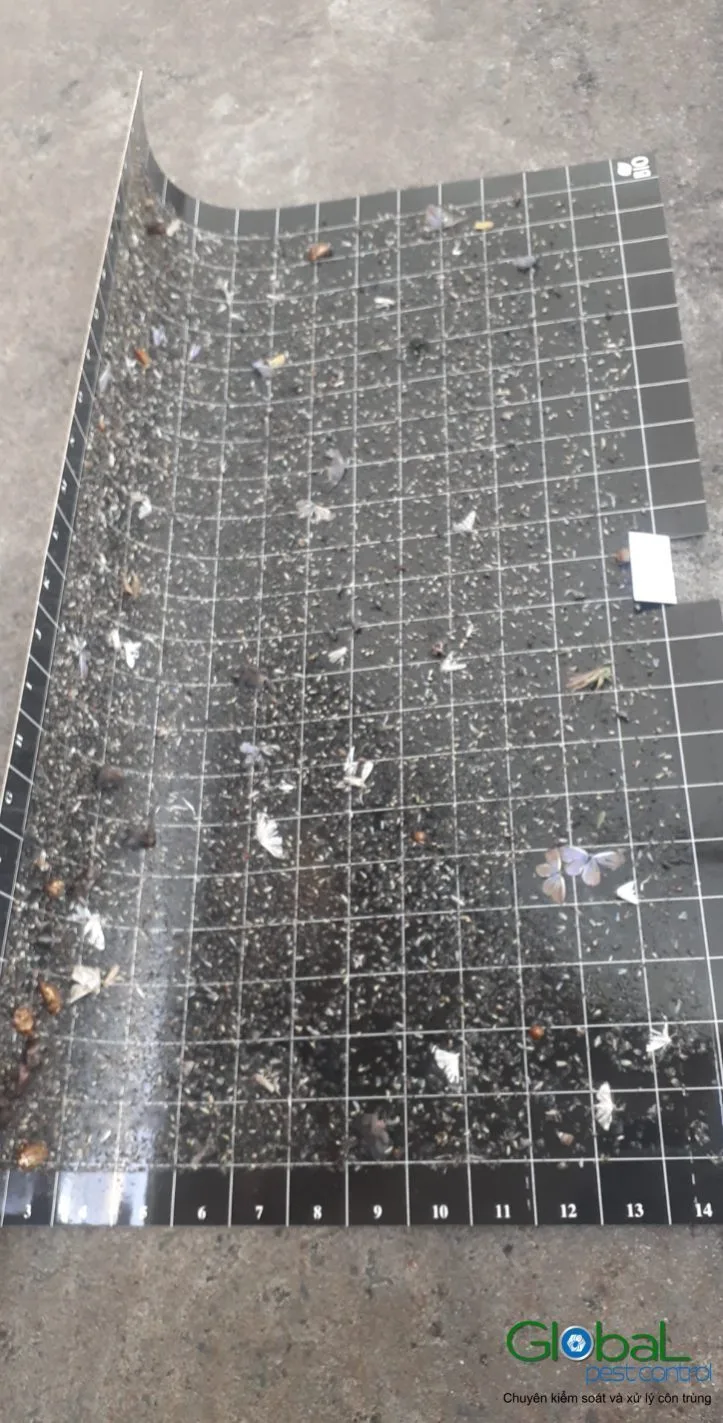
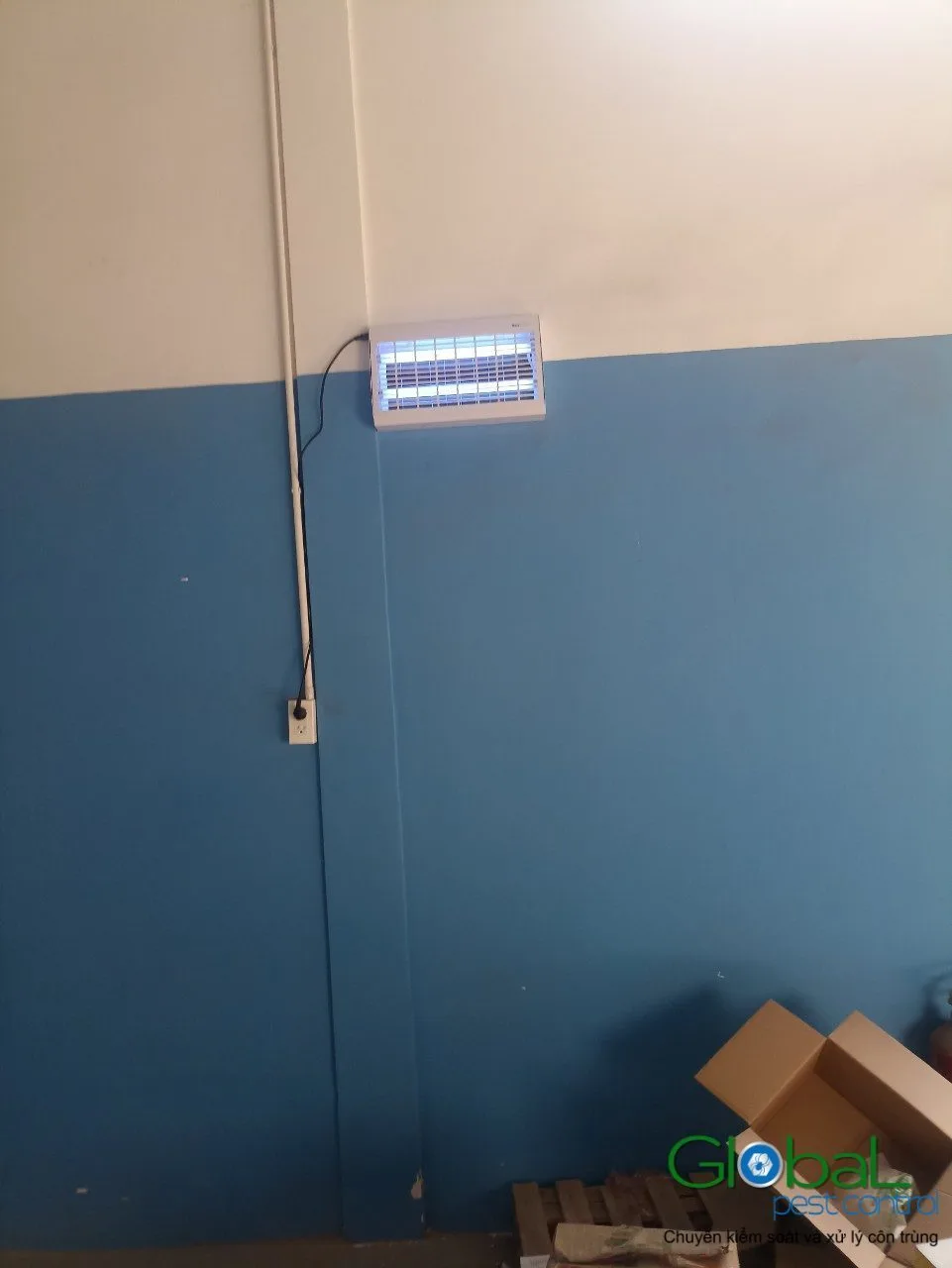
Because nobody enters these spaces, activity is invisible until it is severe. Non-toxic monitors placed at riser landings, at tray penetrations and inside the raised floor void give you a dated record of whether anything is moving, and they cost almost nothing to service during a routine visit. Three months of clean monitors is genuine evidence; three months without a sighting is not.
Monitors also settle arguments. When a tenant reports activity and the landlord believes it is the tenant kitchen, the riser monitors either support that or they do not.
Coordinating with IT and with the landlord
The practical obstacle is rarely technical. Server rooms are controlled by IT, risers by building management, and the tenancy ceiling void by whoever last did a fit-out. Getting all three into one scope is most of the work, and it is why we ask for a single named contact who can authorise access to all three rather than three separate appointments across a month.
Related reading
The building-wide version of this problem is covered in service risers and in false ceilings and ceiling voids. For shared-tenancy offices see coworking and small offices, and for the property programme, the office programme or whole-building programme. Our parent company covers the same rodent work in Vietnamese on its rodent control programme.
Global Pest Control is the English-language arm of Khử Trùng Toàn Cầu. We survey risers and server rooms out of hours when a building requires it.
Common questions
Is it safe to put bait in a server room?
Only in secured, tamper-resistant stations, and often the better answer is a non-toxic monitor plus proofing. A rodent that takes bait and dies inside a raised floor void creates an odour problem in a sealed, air-conditioned space that is considerably harder to resolve than the original activity.
Who pays for sealing riser penetrations, landlord or tenant?
Risers are almost always landlord territory in a Vietnamese office lease, while the tenancy ceiling void usually follows the fit-out. In practice the fastest route is to raise it as a fire-stopping defect rather than a pest one, because that has a clear owner and an existing budget line.
How often should these spaces be inspected?
Quarterly is adequate for most office buildings, with monitors checked at every routine visit and a full riser walk twice a year. Buildings with food tenancies at ground level need more, because the food source and the vertical route are then in the same structure.