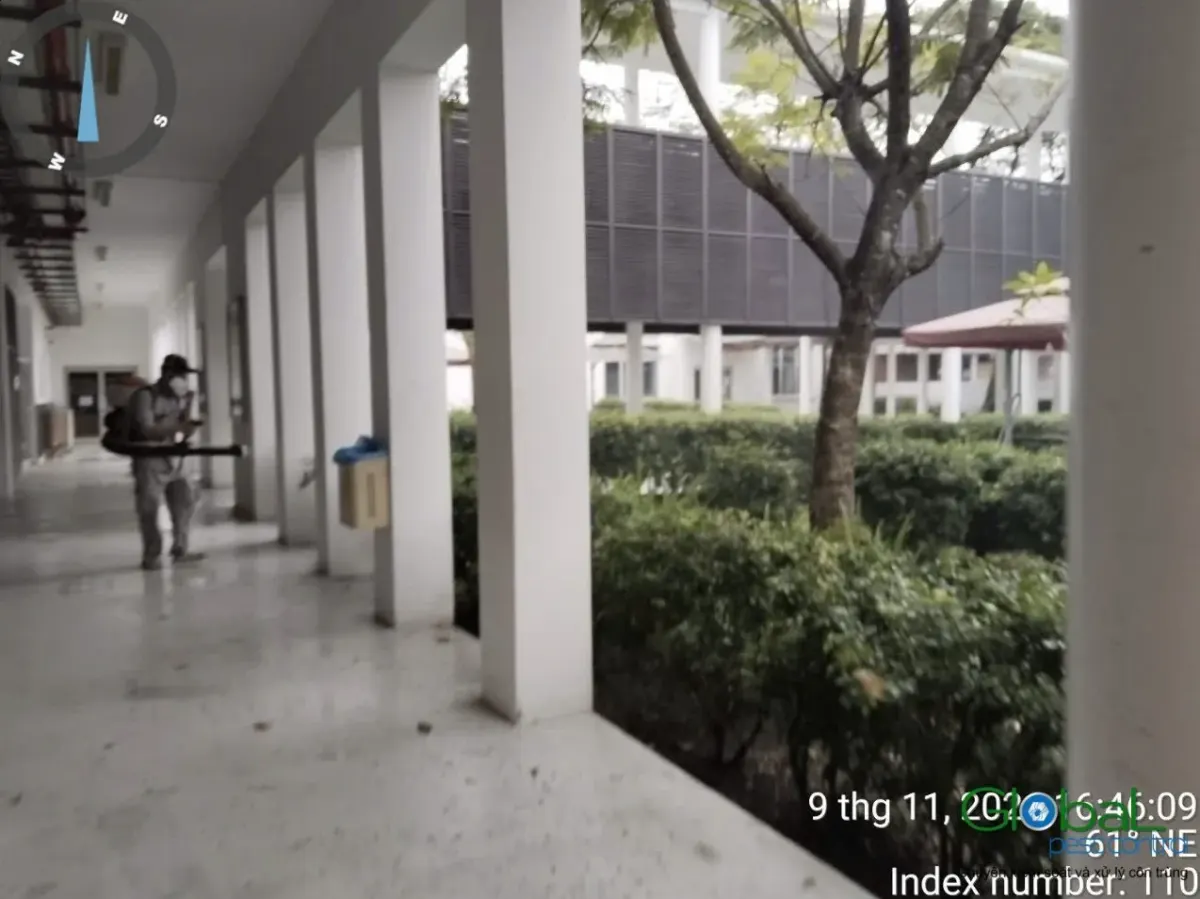
Mosquito Control in Ho Chi Minh City
Quick answer. Mosquito control in Ho Chi Minh City is about water first. We remove or treat the water mosquitoes breed in. We mist the area to reduce the adults. We apply a residual band along the walls, from the floor up to about one metre, where mosquitoes rest. Visits are monthly; sites that are damp and shaded usually need two visits a month in the rainy season.
Which mosquitoes you have
- Aedes (the dengue mosquito) bites during the day, especially early morning and late afternoon. It breeds in small containers of clean water: plant saucers, buckets, air-conditioner trays, blocked gutters, roof water tanks.
- Culex bites at night and is the one you hear. It breeds in dirty water: drains, septic outlets, blocked gullies and stagnant ponds.
When you are bitten tells you where to look: bitten at your desk in the afternoon means containers; woken at night means drains.
How we treat
- Breeding water: we find and empty, cover or treat standing water on the property, and give you a list of what needs fixing (gutters, tank lids, saucers). This is the part that changes the numbers.
- Misting: ULV misting of gardens, planting, car parks, stairwells and the shaded spots where adults rest. For large outdoor areas we use thermal fogging.
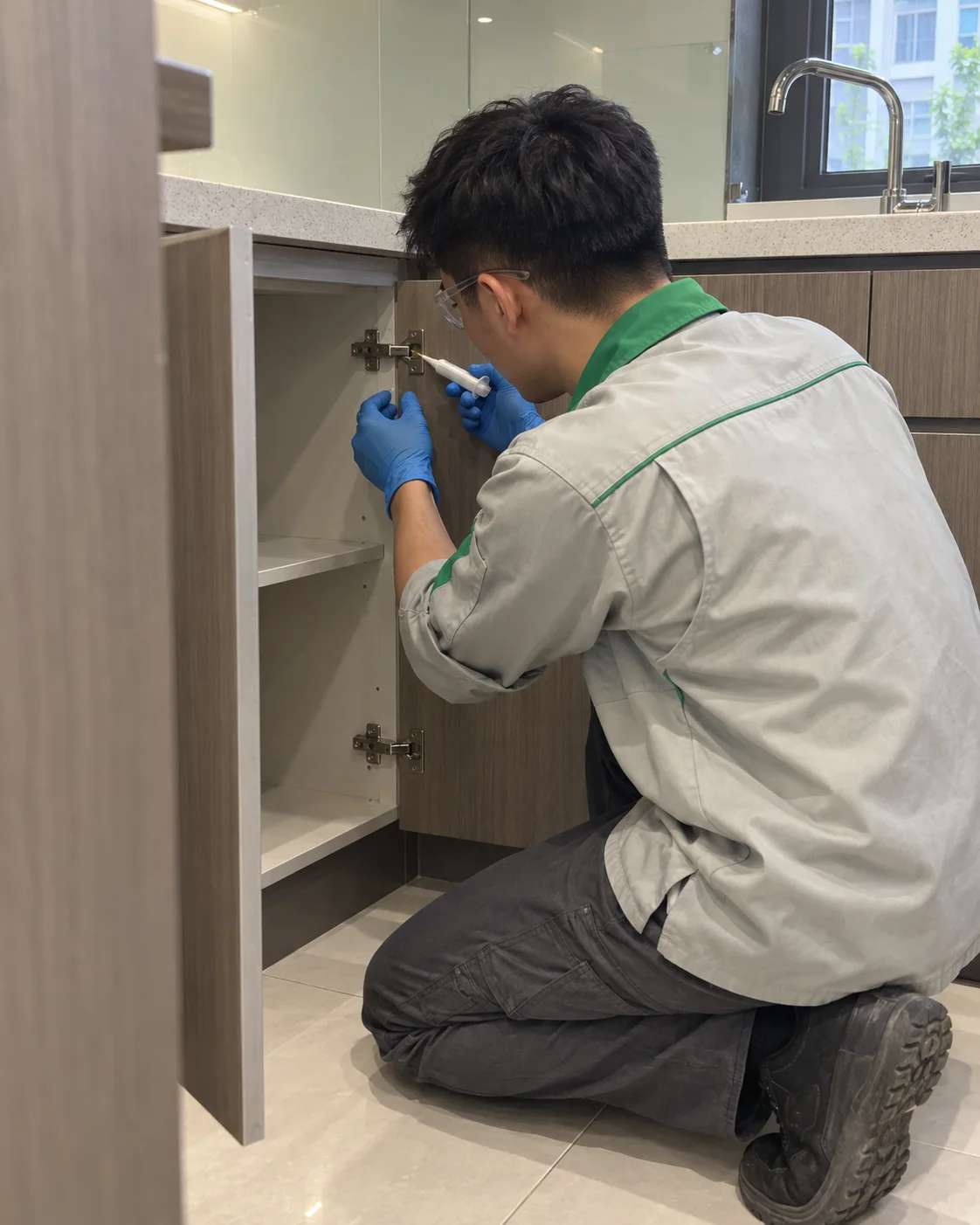
- Residual band: a residual treatment on walls, from the floor up to about one metre, under eaves and in damp, dark corners. Mosquitoes that land there are affected over the following hours.
Treatment happens when people are away from the treated areas. For homes this is usually during the day. For restaurants and hotels it is outside service hours, as agreed with you.
How often
Mosquitoes breed in about a week in the rainy season, and they fly in from neighbouring properties that nobody treats. A single visit gives a short break, not a lasting result. For that reason our mosquito programme is monthly. For sites that are damp, shaded or next to canals and parks, we recommend two visits a month during the rains. Costs are on the price list.
What you can do between visits
- Tip out water from saucers, buckets and toys once a week.
- Keep roof and ground tanks covered with tight lids.
- Clean air-conditioner drip trays and check they drain.
- Use screens and a fan in bedrooms at night.
Dengue in your building
If someone in the household or building has dengue, tell us when you book. We prioritise removing breeding water around the building and misting the grounds. Local health authorities may also spray in the area during an outbreak.
What a visit looks like
The technician walks the whole property with you first: roof, balconies, gutters, planters, drains, car park, and any water feature. You see every breeding site found, and the ones you can fix yourself are written down. Misting and the wall treatment follow, room by room or area by area, and you are told when each area can be used again. A visit to an apartment usually takes under an hour; a villa or compound takes longer.
For hotels, schools and businesses
Grounds with planting, pools and water features need a programme, not a one-off spray. Each monthly visit is recorded: breeding sites found and cleared, areas misted, and what the site team needs to fix. Schools and hospitals are treated when children and patients are away from the area.
Common questions
Is misting safe for pets and fish?
Keep pets indoors and cover fish tanks and ponds during the visit. The technician tells you when the area can be used again.
Can you treat just my apartment?
Yes. Treating the building's common areas and grounds at the same time gives a much better result.