Ant Control in Ho Chi Minh City: Pharaoh, Ghost and Fire Ants
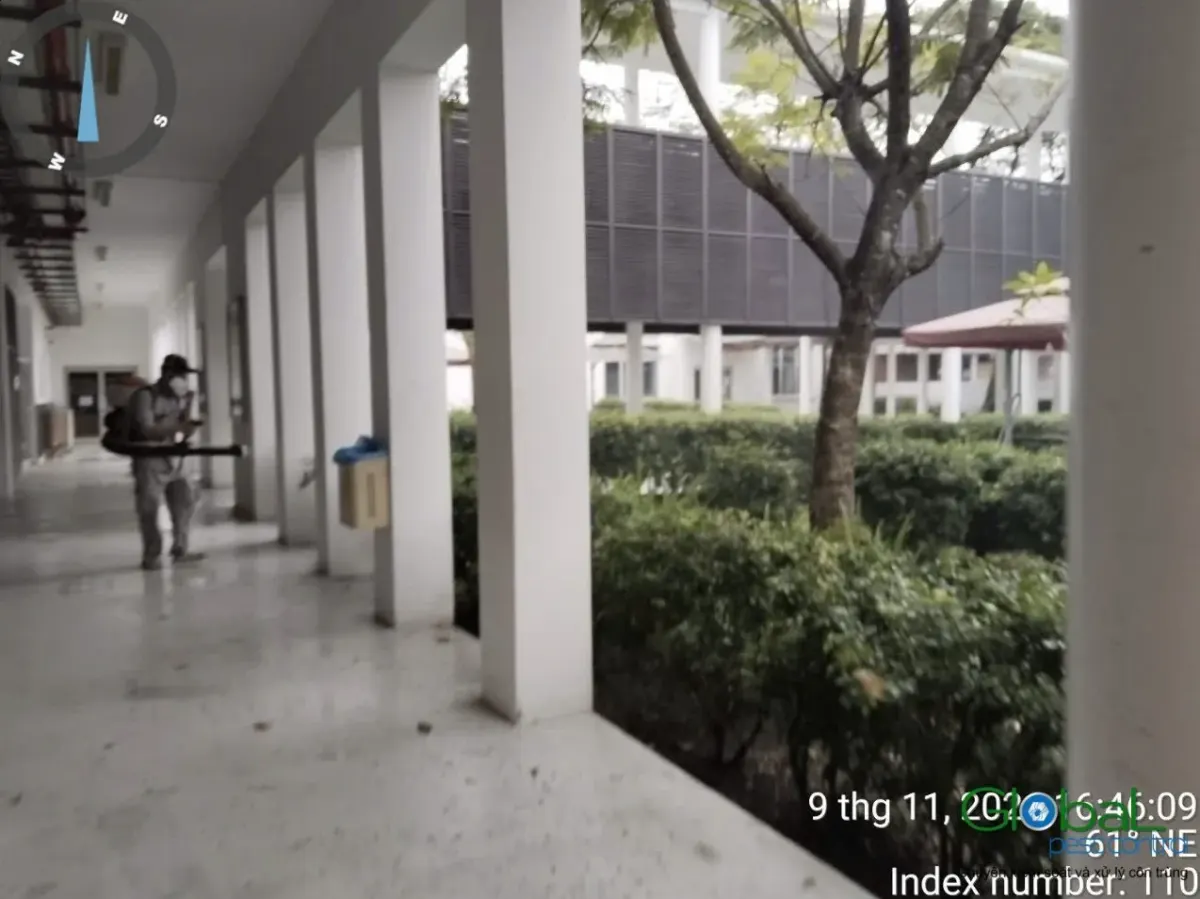
Quick answer. Most indoor ant problems in Ho Chi Minh City are tiny pharaoh ants or ghost ants that nest inside walls, cabinets and appliances. Outside, fire ants build mounds in lawns and planters and sting. We treat with a residual spray along the routes ants travel, wall bases, cracks and pipe entries. We add bait placed where they feed, which the workers carry back to the nest. Around fire ant mounds we spread bait. Ants return from nests next door, so we recommend a monthly visit.
Which ants you have
- Pharaoh ant: very small (about 2 mm), pale yellow to light brown, trails along pipes, sockets and cabinets. Colonies split when disturbed, which is why spraying them with household spray often makes the problem spread.
- Ghost ant: tiny, dark head with a pale, almost clear body, loves sugar and moisture in kitchens and bathrooms.
- Fire ant: reddish-brown, builds loose soil mounds in lawns, planters and along paths, and stings painfully in numbers.
- Crazy ant: dark, long legs, runs in erratic lines, often comes in from outside in wet weather.
Why wiping the trail makes it worse
A trail shows the route between food and the nest. Wiping it with detergent or spraying it with a household aerosol kills the ants you see and scatters the rest. Pharaoh ants respond by splitting into more nests. Leave the trail until the technician has seen it; it is the most useful clue to where the nest is.
How we treat
- Survey: follow trails to entry points, find nests where possible, and identify the species.
- Residual treatment along wall bases, skirting, cracks, pipe and cable entries, and around the outside of the building. Ants that cross it are affected and carry it back.
- Bait placed in cracks and near feeding points, not on open surfaces, so workers carry it back to the nest and the queen.
- Fire ants outside: bait spread around the mounds, and residual treatment along paths and building edges.
Treatment is scheduled at a time that suits you. For homes this is usually during the day; for restaurants, after closing.
How often
Ant colonies in apartment blocks and terraced houses extend beyond one unit. A single visit brings numbers down sharply, but ants from neighbouring nests move in. A monthly visit keeps activity low. Starting prices are on the price list.
Fire ants in gardens and compounds
Fire ant mounds appear in lawns, flower beds and along paths, often after rain. Disturbing a mound brings out many ants at once, and the stings leave itchy pustules; children and pets are the usual victims. Do not dig the mound out or pour water on it, which only moves the colony. We spread bait around the mound for the workers to carry in, and treat the edges of paths and play areas.
Ants in restaurants and offices
In a restaurant kitchen, ants follow the same routes as cockroaches: wall bases, equipment plinths and pipe entries. They are treated in the same monthly visit, after closing, and recorded in the visit report. In offices, ants usually come from the pantry and from food kept at desks. The pantry is treated, and bait is placed along the cable trays and wall bases they follow.
What you can do
- Store sugar, honey and pet food in sealed containers.
- Fix dripping taps and wipe up water around sinks.
- Do not spray the bait placements; spray stops the ants taking the bait.
- Keep plant pots off window sills where they touch the wall.
Common questions
Why do I see more ants for a day or two after the visit?
Bait draws them out to feed. That is the treatment working; numbers drop over the following days.
Can you treat only my unit?
Yes, and we treat the routes into it. If the whole building has ants, treating common areas at the same time helps.