
A villa fails in the garden, not in the kitchen. In an apartment almost everything arrives through the building — risers, shared drainage, a neighbour's kitchen. In a villa the boundary is yours: the wall, the planting, the drainage channel, the roof edge and the gaps a house was built with. Treat the inside only and you spend every dry season repeating the same visit.
What makes a villa different
Three things, and all three sit outside the front door.
The first is ground contact. A villa touches soil along its whole footprint, so ants, termites and rodents reach it without crossing a single shared corridor. Subterranean termites in particular are a ground-level problem: they arrive through the slab, through a garden wall, or up a pipe penetration, and by the time timber sounds hollow the colony has been feeding for months.
The second is standing water. Ornamental ponds, plant saucers, pool surrounds, blocked gutters and the channel along the boundary wall all hold water for the seven days an Aedes mosquito needs. A garden that looks immaculate can still be producing mosquitoes from four or five containers nobody thinks of as containers.
The third is volume of openings. Villas in Thao Dien and An Phu were built for airflow: louvred vents, service doors, roof overhangs, kitchen extract openings, a gap under the gate. Each is a route, and none of them is anybody else's responsibility.
What a villa programme covers
- Boundary and perimeter. A treated band along the wall base and the garden side of the boundary, plus the approach path, so the property is defended before anything reaches the house.
- Drainage and water. Every gully, channel, downpipe and pond edge inspected; larvicide where standing water genuinely cannot be removed, and a written list of what to empty weekly.
- Planting. Hedging and dense ground cover treated at the base, where mosquitoes rest in daylight and where ants build. Not blanket fogging of the whole garden.
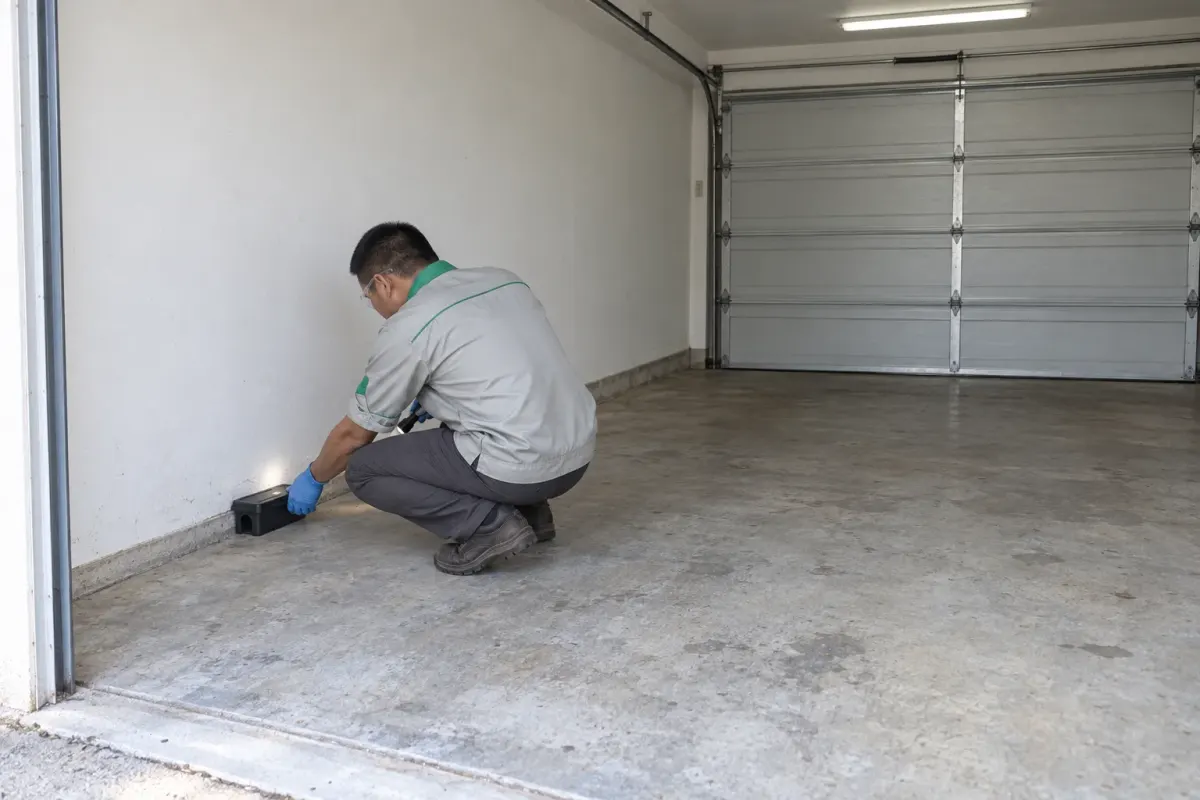
- Ground floor and service areas. Kitchen, utility room, storerooms, staff quarters and the garage — usually the three rooms nobody shows a visitor and the three where activity starts.
- Roof void and upper level. Checked for rodent runs, wasp and hornet nests, and bat or gecko activity where the roof meets the wall.
- Proofing report. A list of the physical gaps found, with photographs, so your builder or maintenance team can close them permanently.
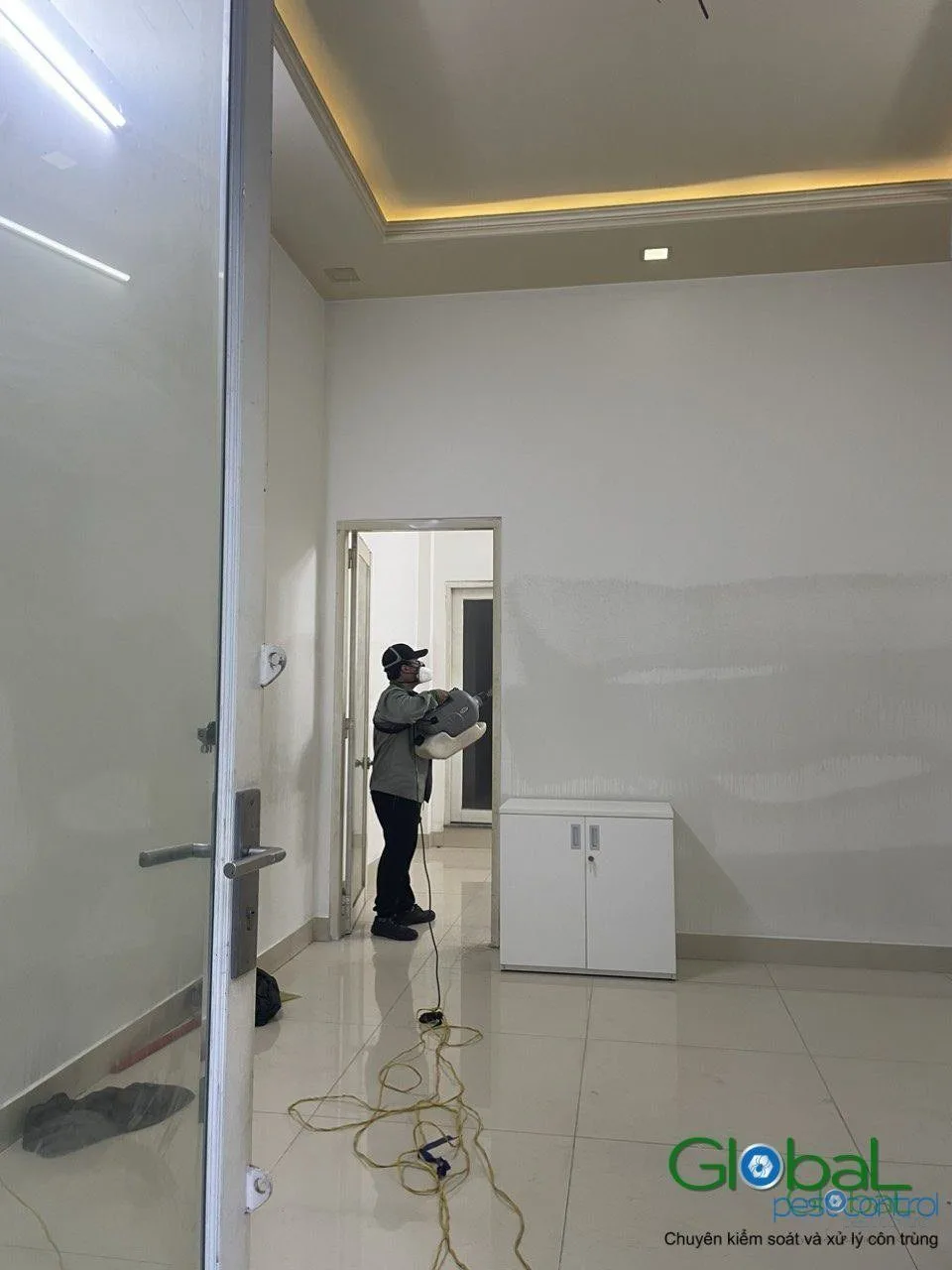
Termites deserve their own conversation
A villa with timber flooring, fitted wardrobes, a wooden staircase or a garden pergola is a termite target, and termite work is not the same job as a general treatment. It involves inspection of the slab perimeter, bait stations or a soil barrier, and a warranty measured in years rather than weeks. If you own the property, ask for it as a separate quotation; if you rent, it is almost always the landlord's cost. Our page on how pest treatment works sets out which methods suit which problem.
Ponds, pools and koi
A pond with fish is not a mosquito problem — the fish eat the larvae. A pond with a pump switched off for the dry months, a filter box holding water, or a plant tray beside it usually is. We treat the surroundings, not the water, unless a specific larvicide approved for use around fish is appropriate and you agree to it in writing first. The article on garden ponds and pests in villa compounds goes through this in detail.
If you rent the villa
Most villa leases in District 2 and Thu Duc put structural pest issues — termites, rodents entering through the fabric of the building — on the owner, and routine treatment on the occupier. The wording varies, so read it before you pay for anything. We can send the quotation and the report to whichever party is responsible, in English, so the discussion is about a document rather than a memory. See who pays for pest control, landlord or tenant.
Visit pattern and cost shape
A villa is usually quoted as an initial treatment plus a follow-up at two to three weeks, then a maintenance visit every one to three months depending on garden size and how close the property sits to a canal, a market or open ground. Pricing combines a call-out element with an amount related to the treated area and the number of external structures. Indicative ranges are on the price list; the figure for your property comes after the free inspection.
Common questions
Do you need access to every room?
For the first visit, yes — including the roof void, the garage and any staff or storage rooms. The inspection is where the value is, and a room nobody opens is usually the room the problem is living in. Later maintenance visits can be limited to the perimeter and the service areas if you prefer.
Is the garden treatment safe for pets and children?
Products are applied to the base of planting and along hard surfaces, not broadcast over lawns where children play. Keep pets and children indoors during the treatment and off treated ground until it is dry, usually two to four hours. Tell us in advance about dogs, cats, fish, tortoises and chickens so we can adjust.
We have a gardener already. Does that change anything?
It helps considerably. Most of the long-term result in a villa is drainage and planting management, which is your gardener's work, not ours. We give them a short written list — what to empty, what to cut back, where not to stack pots — and the treatments then have far less to fight against.
Part of a Vietnamese company, working in English
Global Pest Control is the English-language arm of Khử Trùng Toàn Cầu, a Vietnamese pest control company with its office in Thu Duc City. The technicians, the products and the programmes are the same ones used across our Vietnamese operation; what changes is that the survey, the quotation and the reports are in English, and that somebody will talk to your building management, your landlord or your gardener in Vietnamese on your behalf. Vietnamese-language services are at khutrungtoancau.vn.
What the first visit looks like
Expect the technician to spend longer outside than inside. A villa inspection walks the boundary first, then the drainage, then the garden and outbuildings, and only then the house — because that is the order the problem arrives in. Allow forty-five minutes to an hour for a typical Thao Dien or An Phu property, longer if there is a large garden, a pool, a roof void or staff quarters.
You will be told the species by name, shown where it is living, and given a written quotation setting out method, areas, number of visits, warranty period and what is excluded. Nothing is applied on the inspection visit unless you ask for it and agree the price first.