
An operator's real exposure is not the insect. It is the twenty-four hours between a guest reporting one and the unit being lettable again, and the review that appears if that window is handled badly. A serviced apartment programme is therefore built around turnover, not around a calendar.
Three risks specific to this format
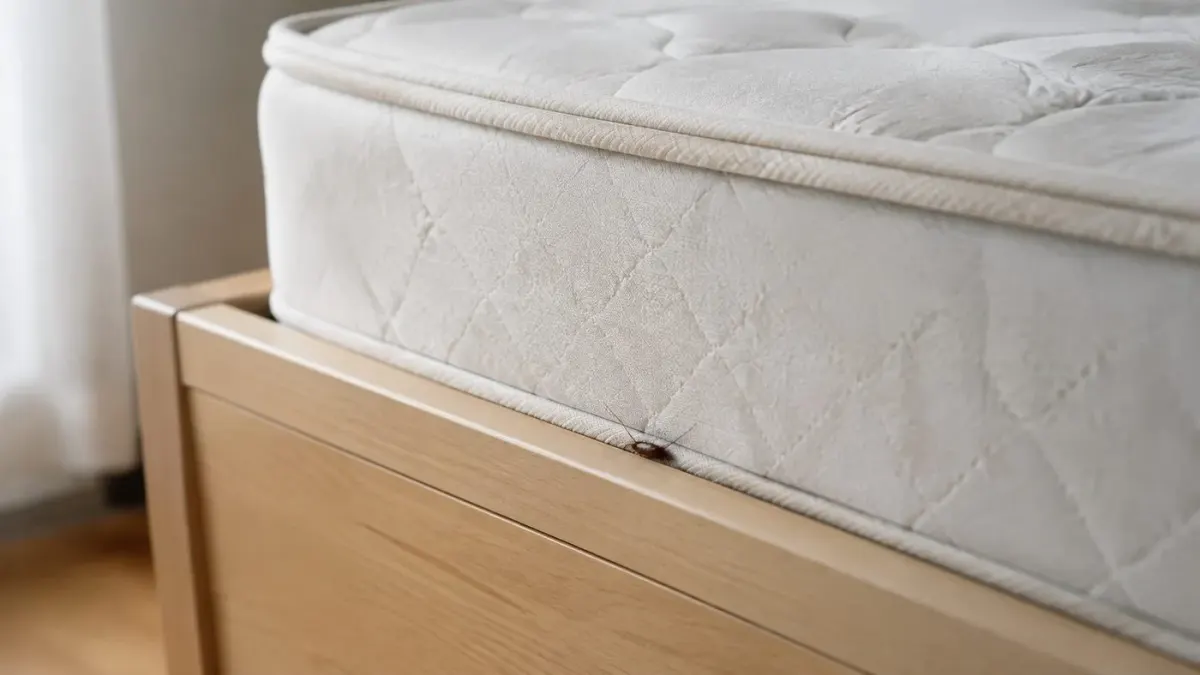
Guests bring things in. Every arrival is a suitcase that was on a hotel luggage rack somewhere else last week. Bed bugs move between properties in exactly this way, and a serviced apartment sees more arrivals per year than a private home sees in a decade.
Kitchenettes are used unevenly. A guest cooks for three nights, leaves, and the unit stands closed and warm for a week with something in the bin liner. German cockroaches breed on precisely that cycle, and a unit that is let intermittently can build a population while looking spotless.
Units share everything. One infested kitchenette is connected to the next by a riser, a shared waste stack and a common corridor. Treating the reported unit alone is the single most common reason an operator sees the same problem move down the building.
What the programme includes
- Baseline treatment of every unit, not only the ones with complaints, plus the corridors, refuse room, laundry and back-of-house.
- A between-stay check protocol your housekeeping team can run in three minutes: the six places to look in a bedroom and the four in a kitchenette, with a photograph of each.
- A bed bug response that isolates the unit, treats it and the units either side and above, and gives you a written clearance before it is re-let.
- Neighbour treatment as standard. When a unit reports cockroaches we quote the adjoining and vertically stacked units in the same visit, because that is where the population actually is.
- Monthly written reporting by unit number, so a corporate client asking "what is your pest management" gets a document rather than a reassurance.
Working around occupancy
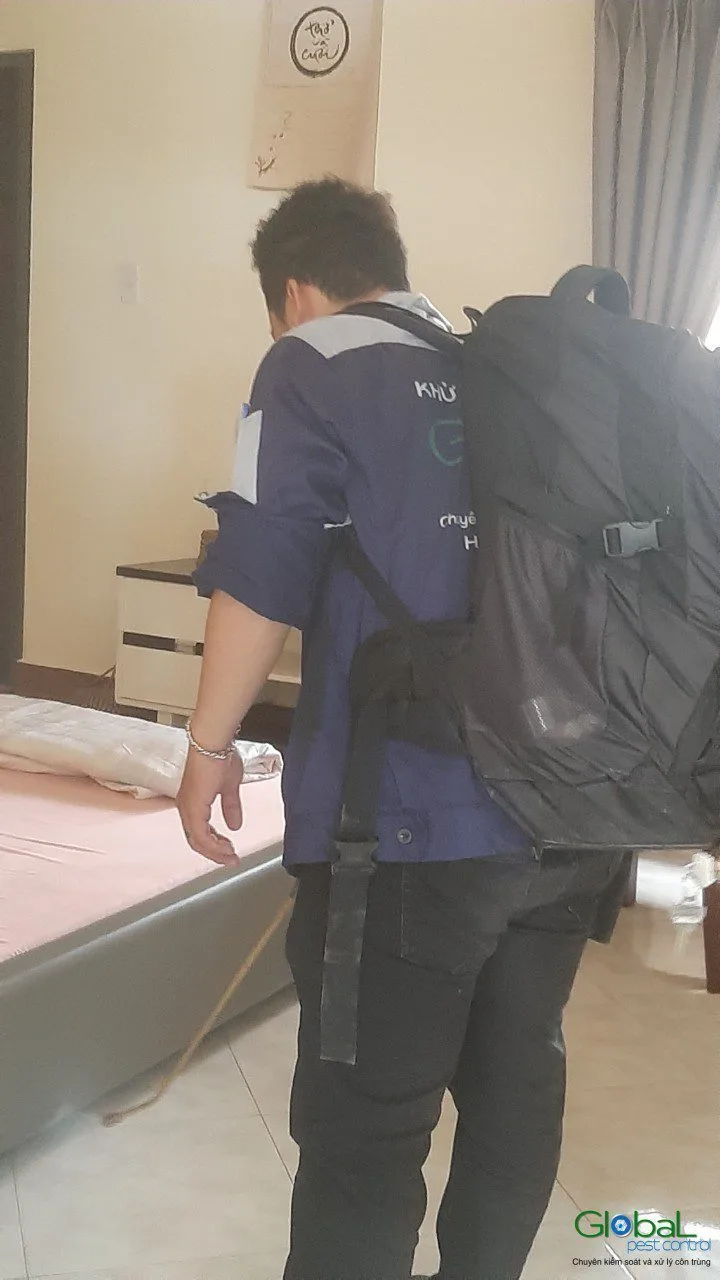
Nothing useful happens if the technician cannot get in. We schedule around your housekeeping list rather than around ours: vacant units first, then units with departures that morning, then occupied units by arrangement. Gel bait work is odourless and needs no re-entry period, so an occupied unit can usually be treated the same day without moving the guest. A residual spray does need surfaces to dry — two to four hours — so those units are done on turnover days.
What a guest should be told
A guest who reports an insect and hears nothing assumes nothing was done. A guest who is told "a technician attended at 14:00, treated the kitchen and bedroom, and the bait remains active for three weeks; please do not wipe inside the cabinets" usually accepts it and does not write about it. We provide that wording in English so your front desk can send it without drafting anything.
Documentation for corporate clients
Companies placing staff in serviced apartments increasingly ask the same questions their facilities team asks of an office: who treats the property, how often, with what products, and where are the records. The monthly report covers all four, and product registration documents and safety data sheets are supplied on request. Our guide to pest control for businesses in Vietnam sets out what a complete file contains.
Related reading
For the tenant's side of the same question, see serviced apartments and short lets: who handles pest control. For the specifics of bed bugs in this city, see bed bugs in Ho Chi Minh City. Prices are indicated on the price list.
Common questions
How quickly can you attend a live guest complaint?
For properties on a contract we hold same-day or next-morning slots for complaints. Tell us the unit number, what was seen and where; if it is a bed bug report we bring the equipment for it rather than making a diagnostic visit first and returning.
Do you treat units that have no complaint?
On a baseline visit, yes — that is the point of it. After that, occupied units without complaints get a light inspection rather than a full treatment, and we report what we find. Treating everything every month is expensive and unnecessary.
Can housekeeping handle the between-stay checks themselves?
Yes, and they should. The check is visual and takes about three minutes per unit. We train the team once, leave a laminated card in English and Vietnamese, and the value comes from someone looking in the right six places rather than from anything technical.
Cost, and where it actually goes
For an operator the per-unit figure falls sharply with the number of units in one building, because most of the cost of a small treatment is travel and set-up rather than product. Twenty units in one tower cost far less per unit than twenty units spread across four districts. What raises the figure is the number of separate visits, not the number of rooms treated in a visit — which is why a baseline treatment of the whole property is usually cheaper than six months of responding to individual complaints.
Indicative ranges are published on the price list. A quotation for a property follows a walk-through of a representative sample of units plus all back-of-house areas, and it is free.
The English-language part of this
Global Pest Control is the English-language arm of Khử Trùng Toàn Cầu. For an operator that matters in two directions: your reports, guest-facing wording and corporate documentation arrive in English, and the conversations with the building owner, the management company and the local authorities happen in Vietnamese without you standing in the middle of them. Vietnamese-language services are at khutrungtoancau.vn.