
District 4 is almost an island — canal on three sides, the densest housing in the city, and a food street that runs until the early hours. Water on the boundary and density in the middle are the two facts that decide what happens inside a building here.
The canal boundary
Being close to open water changes the mosquito picture completely. It is not the canal itself that produces most of the biting mosquitoes — Aedes breeds in small clean containers, not in moving water — but the canal edge, the drainage that discharges into it, and the tidal backflow that leaves standing water in channels all do. Between May and November, mosquito complaints in District 4 run above the city average and they concentrate near the water.
The response is drainage and containers first, resting-site treatment second, fogging last. Read mosquito breeding sites around your home — most households find four or five containers they had not counted.
Density, and what it does
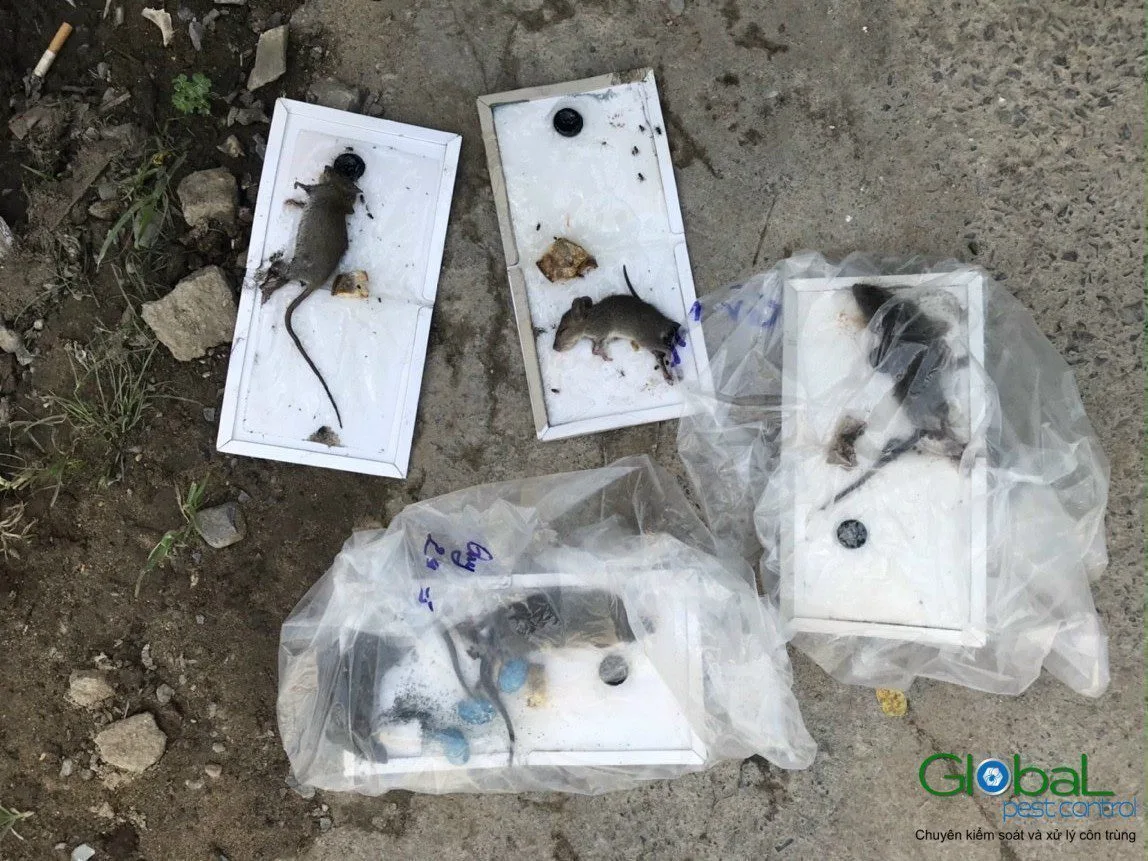
District 4 has the smallest average distance between buildings in Ho Chi Minh City. Buildings share walls, roofs almost touch across alleys, and drainage is shared and old. For rodents and cockroaches this is close to ideal: continuous shelter, continuous food and unlimited routes.
Two consequences follow. First, a single-property treatment holds for a shorter time here than almost anywhere, so proofing — closing the specific gaps found — carries more of the result than the product does. Second, when a whole building or a run of neighbouring houses treats together, the outcome is markedly better and the per-property cost falls. It is worth proposing to neighbours.
The food street
Vinh Khanh and the surrounding lanes are one of the busiest eating areas in the city, running late and generating waste on a scale that a residential street does not. Businesses there need a drainage cycle, disciplined waste handling and a defended threshold; residents above and behind them need proofing at roof and party-wall junctions, because that is the route into an upstairs home. See living above a restaurant or café and the restaurant programme.
New towers next to old lanes
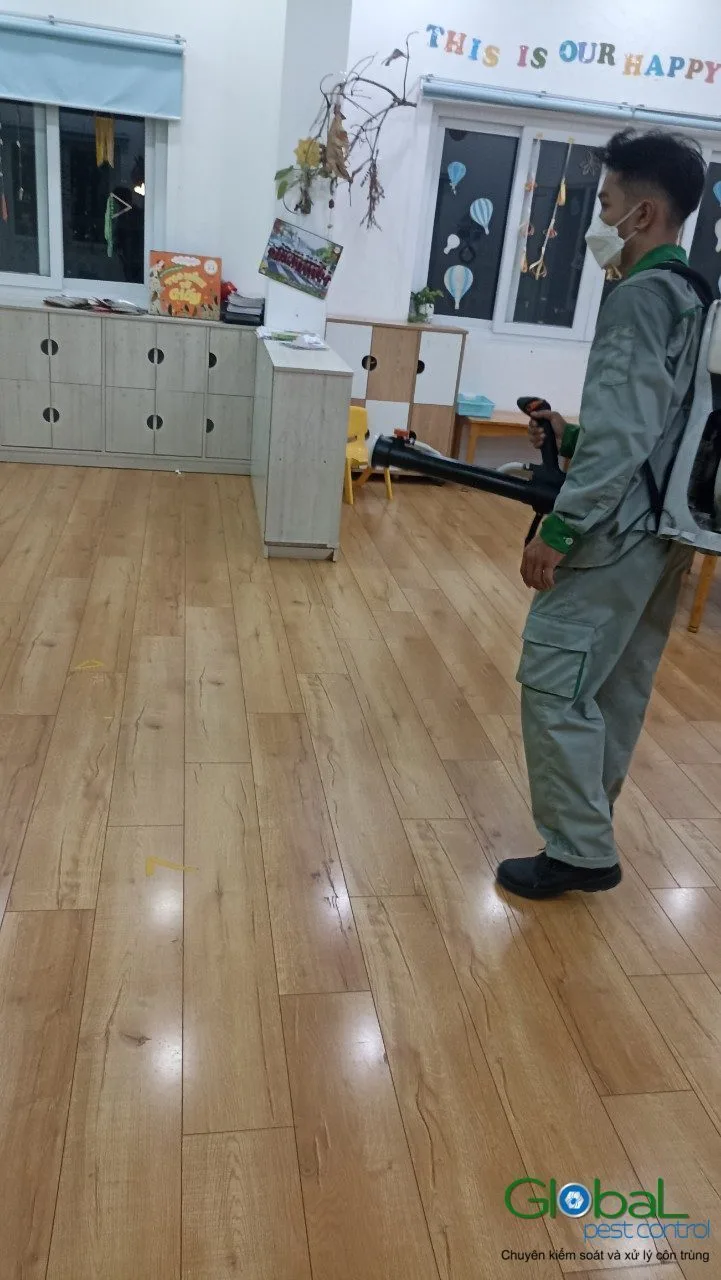
The waterfront towers along the canal sit directly against the older fabric, and residents are often surprised to find a new apartment reporting American cockroaches. The explanation is usually drainage rather than the building: a floor trap that dried out, or a pipe penetration left unsealed during fit-out. Both are cheap to fix and both stop the recurrence, which a treatment alone will not.
What we cover in District 4
- Apartments in waterfront towers and older blocks.
- Tube houses and townhouses in the alleys, with party-wall and roof junction proofing.
- Restaurants, street-front kitchens and cafés on and around Vinh Khanh.
- Mosquito programmes built for a waterside district.
- Rodent proofing and whole-building treatment where neighbours are willing to coordinate.
Arranging a visit
The inspection is free and in English, with a written quotation normally within one working day. Request an inspection, see the price list, or read how pest treatment works. Vietnamese-language services are at khutrungtoancau.vn.
Common questions
Is it worth treating if the whole alley has the same problem?
Yes, but manage the expectation: a single property in a dense alley will need a shorter interval between visits. The best value by a wide margin is several neighbouring properties treated on the same day — the result is better and the per-property price is lower.
We are on the tenth floor by the canal and still get mosquitoes. How?
Mosquitoes reach high floors through lifts, stairwells and open windows, and they also breed in containers on the balcony itself — a plant saucer or an unused bucket is a complete breeding site. Height is much less protective than people expect.
Does the canal need treating?
No, and we would not propose it. Open moving water is not where the biting mosquitoes here breed, and treating it would be both ineffective and environmentally wrong. The productive sites are small containers and blocked channels within a few dozen metres of where you live.
Living above a kitchen
A large share of District 4 homes sit directly above a food business, and that arrangement carries a predictable set of problems: heat and grease rising through service voids, waste stored at street level, and drainage shared between the two. It is not a reason to avoid the district — it is a reason to check the specific junctions. The ceiling void above the kitchen, the shared riser and the stair leading up from the ground floor are the three routes, and all three can be proofed.
If you rent, raise it with the owner before signing rather than after the first sighting. See what to check before you sign a lease.
Treating a whole building or a run of houses
This is the district where coordinated treatment pays off most, and it is worth raising with neighbours even if it feels awkward. When four or five adjoining properties are treated on the same day, the population has nowhere to retreat to, the result lasts several times longer, and the price per property falls because the technicians are already there. We are happy to survey several properties in one visit and quote each owner separately, so nobody has to handle anyone else's money.
For apartment buildings, the same logic applies vertically — see apartment programmes and why pests come back after a treatment.