One Unit or the Whole Floor
A resident has a problem, gets a quotation for their apartment, and asks whether treating one unit will work when the building clearly has a wider issue.
It is a good question and the answer is genuinely species-dependent. For some problems a single unit is the correct scope; for others it is money spent on a temporary result.
When one unit is the right scope
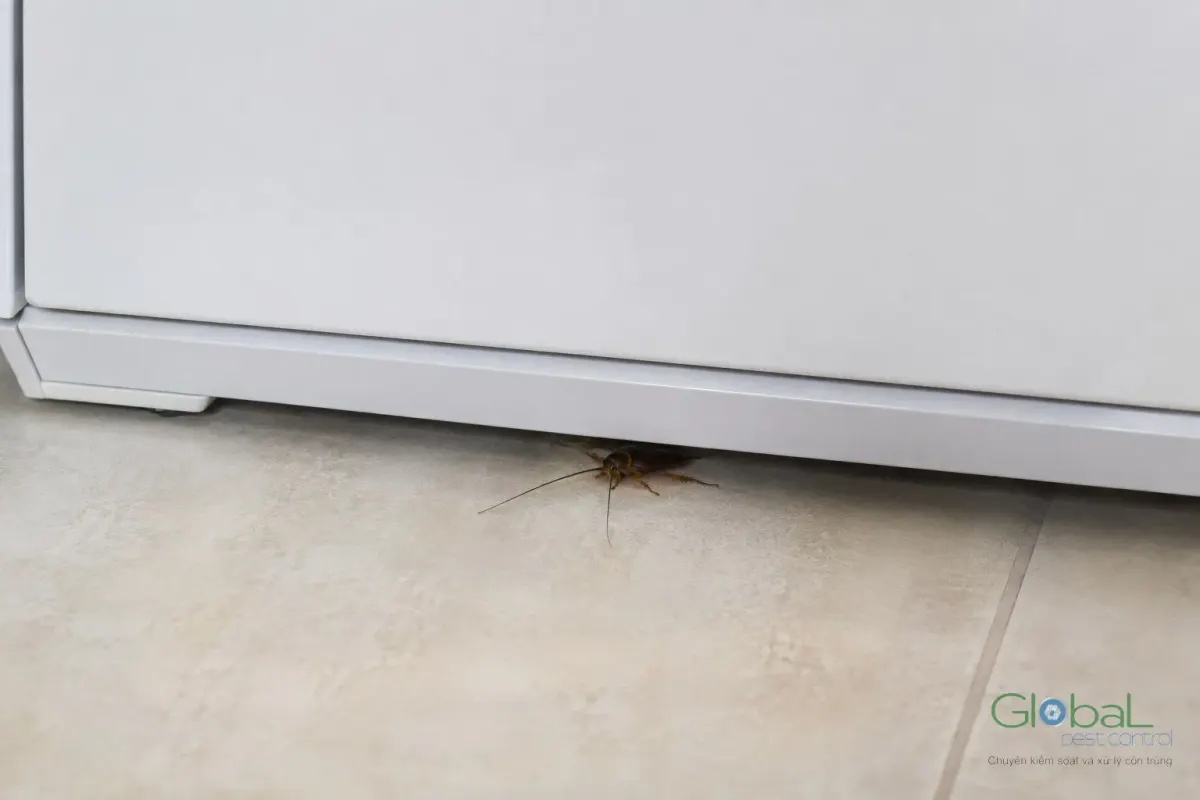
German cockroaches introduced into your kitchen in a cardboard box, with no evidence in neighbouring units. Bed bugs brought back in luggage, caught early, with adjacent rooms inspected and clear. Pantry moths from an infested packet. Fleas from a household pet.
What these have in common is that the population originated inside the unit and is confined to it. Treating the unit properly resolves it, and treating more would be treating nothing.
When it is not
American cockroaches from the drainage stack, rodents using risers and ceiling voids, ants nesting in a wall void or podium planting, and any German cockroach population where neighbours report the same thing.
In each case the population lives in shared structure and the apartment is where it is observed. Treating the flat reduces what is inside it and the source is untouched, which from inside looks exactly like a treatment that stopped working after a month.
How to tell which you are in
Three questions. Is the species one that lives in shared structure or one that lives indoors? Do neighbours have it? Does the activity correlate with a shared feature — a riser wall, a floor drain, a ceiling, a party wall?
A vertical pattern across several floors on one line points at a riser or a stack. A horizontal pattern across one floor points at a ceiling void or a corridor. Activity confined to your kitchen with clean neighbours points at your kitchen.
The half you can always do
Whatever the scope question, sealing your own unit is worth doing and is entirely within your control. Penetrations where pipes and cables enter, the gap under the front door, floor drain inserts, and the air-conditioning wall hole.
That converts an open unit into a defended one, which for many shared-structure problems is most of the practical benefit available to a single household.
Making the case to the building
A survey of your own unit is the most useful thing you can commission, because it produces a document. A report stating that the harbourage is not inside the apartment and that entry is via a specific unsealed penetration in the riser wall is a diagnosis management can act on.
Combine that with a list of other affected units and the conversation changes from a complaint to a work order.
The cost arithmetic
For a shared problem, treating one unit repeatedly for a year usually costs more than a single coordinated treatment of the affected units would have. That arithmetic is worth putting in front of neighbours and management directly, because it is the argument that moves people rather than the technical one.
For several units treated together, the price per unit is normally lower as well, which makes a joint approach easier to propose than it sounds.
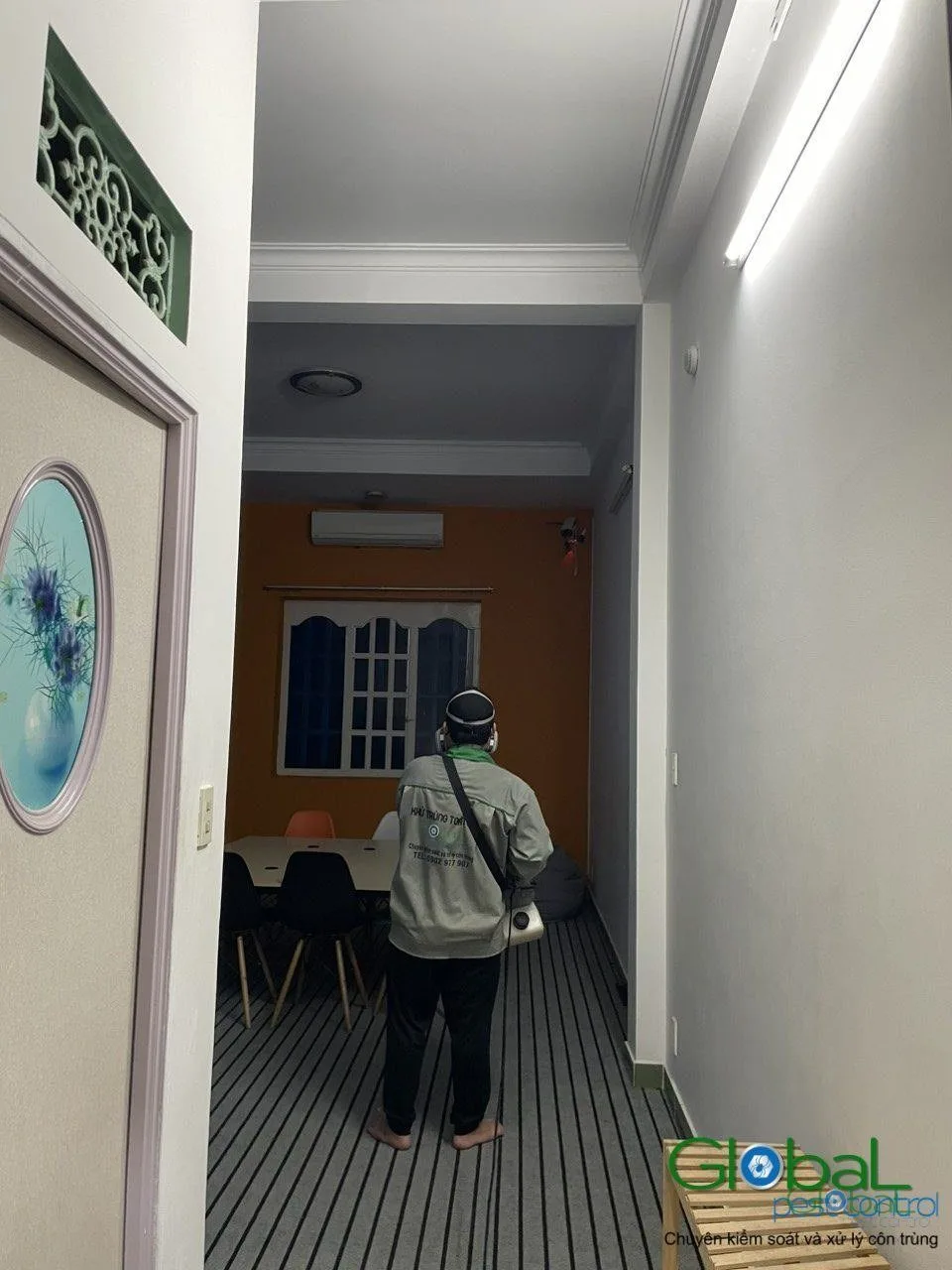
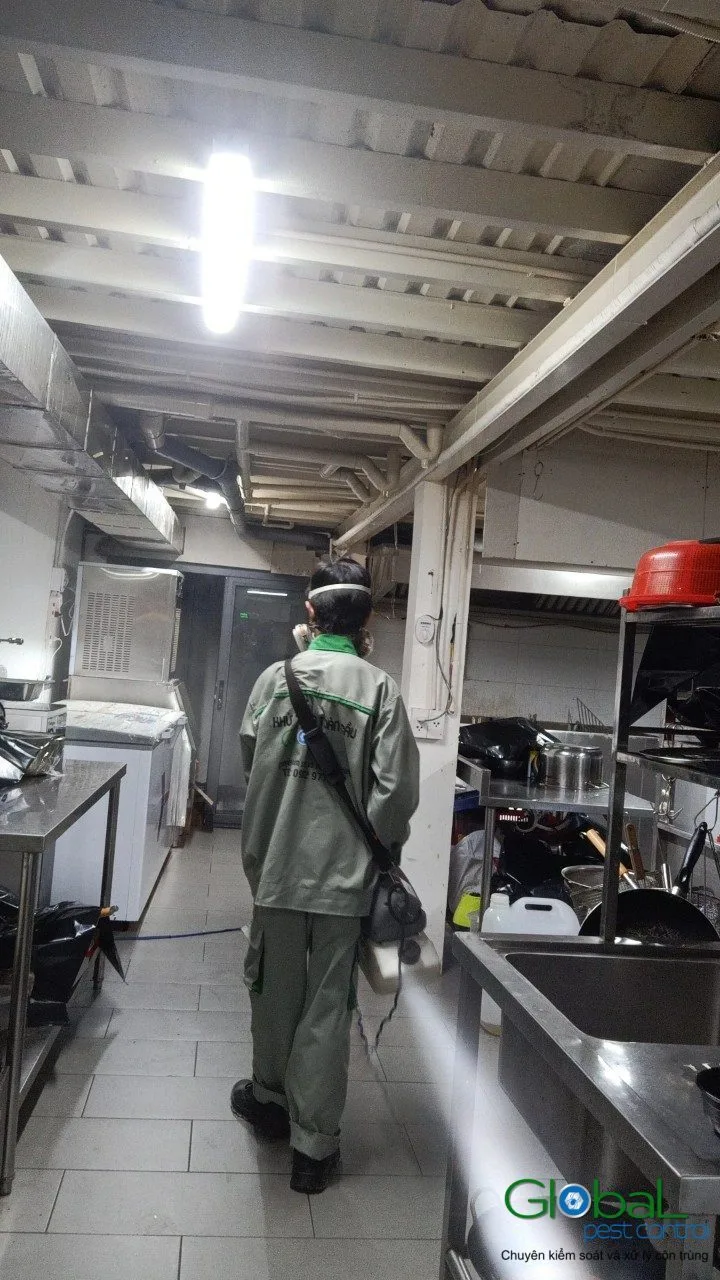
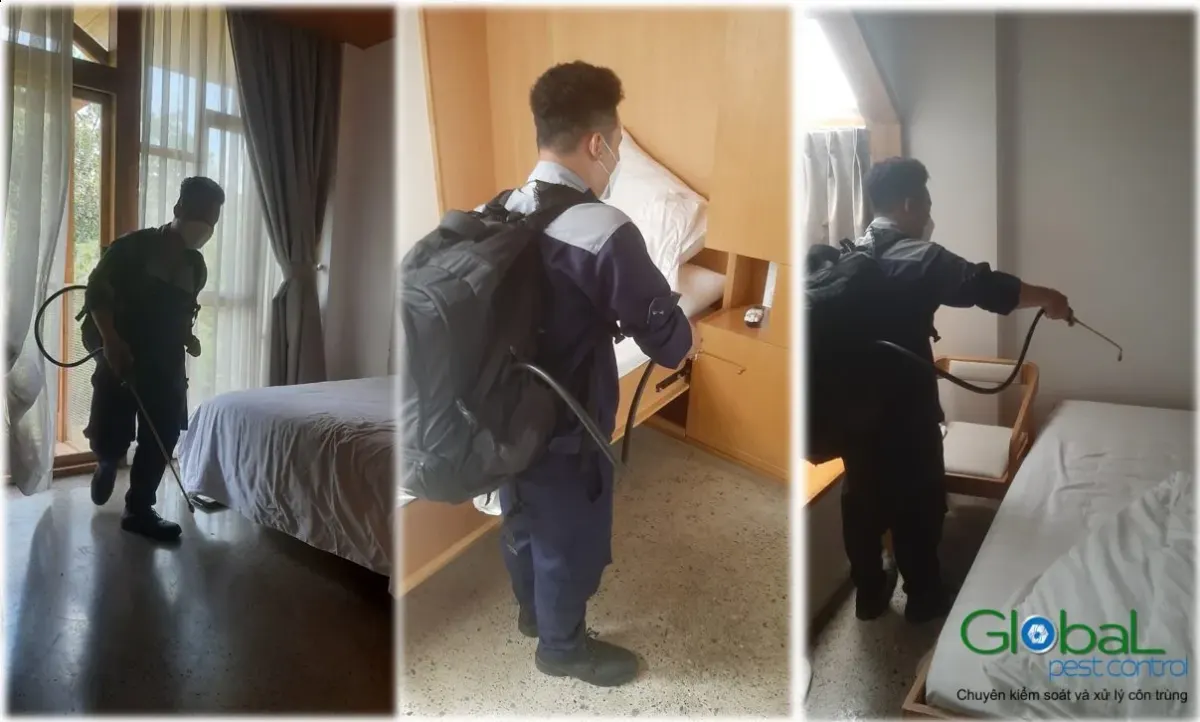
Timing matters as much as scope when several units are involved. Treating three apartments over three weeks gives a population time to move between them, and treating them on the same day does not. Where a joint treatment is agreed, doing it simultaneously is worth insisting on, because the alternative is a slower version of treating one unit repeatedly.
What a good contractor should tell you
Plainly, at the survey, which of the two situations you are in — and if it is the shared one, that a single-unit treatment will give a partial and temporary result. A contractor who quotes for one apartment without mentioning that the source is in the riser is selling a visit rather than a solution.
Related reading
See service risers and when the building says it is not their problem. On the species question, the two cockroach species. For shared houses, splitting costs between housemates, and for responsibility, what building management covers. Our parent company handles building-wide work in Vietnamese through its cockroach control programme.
Global Pest Control is the English-language arm of Khử Trùng Toàn Cầu. We will quote a joint treatment for several units and issue a single report to the building.
Common questions
My neighbours refuse to participate. What can I do?
Seal and treat your own unit, and expect ongoing pressure rather than resolution. That is a legitimate and worthwhile outcome — it is the difference between an unpleasant home and a normal one — and it should be understood as exclusion rather than elimination. Meanwhile, a documented survey sent to management sometimes moves the building even when neighbours will not move.
Would treating the corridor help?
Occasionally, for ants or where a corridor is genuinely a route, and it is management territory rather than yours. In most towers the productive shared spaces are the riser, the bin store, the basement and the drainage stack rather than the corridor itself, so a corridor treatment tends to be the visible half of the wrong answer.
How do I know if my neighbours have it?
Ask. It is a more normal conversation than people expect, particularly among foreign residents in the same building, and it is the single most informative piece of evidence available. Four units reporting the same thing is a diagnosis; one unit reporting it is a symptom.