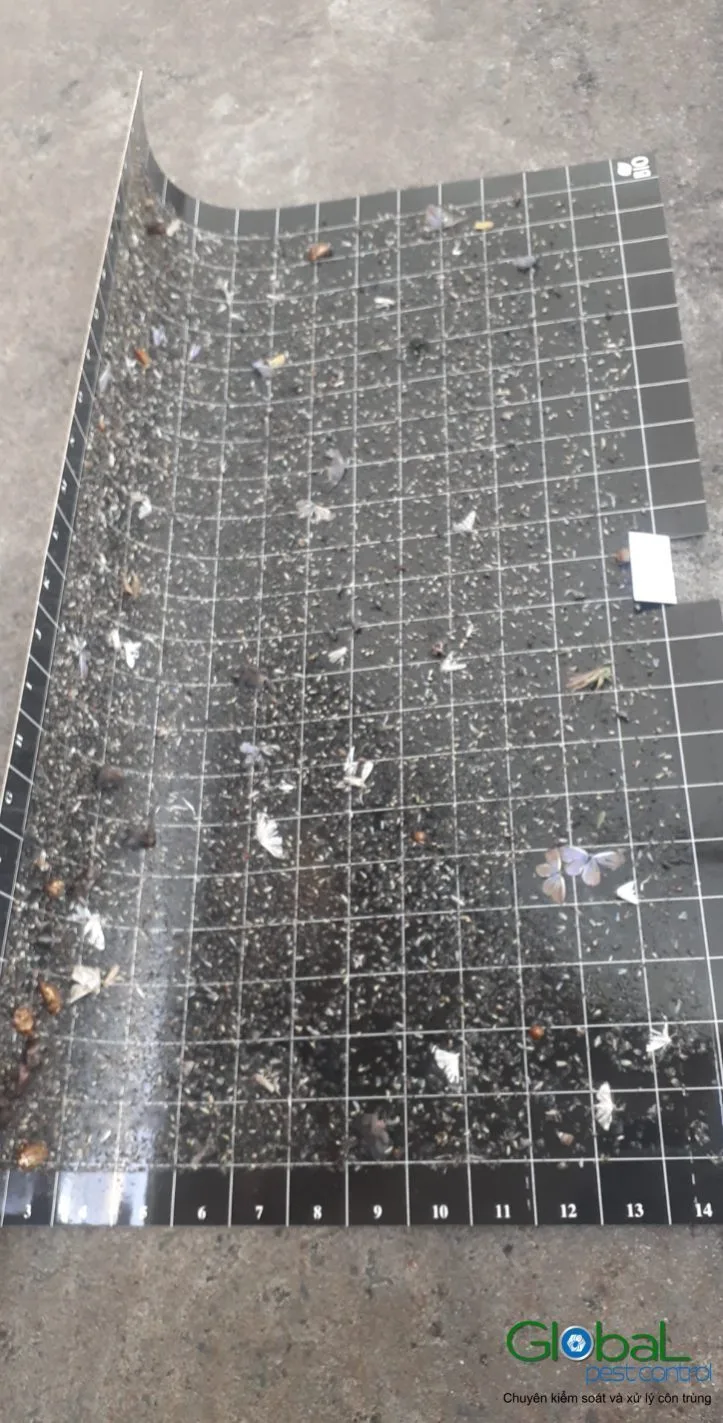
School Canteens and Food Service Areas
A school canteen is not a small restaurant. It serves several hundred covers inside a forty-minute window, using a kitchen sized for that peak, and then it is empty and quiet for sixteen hours. Restaurants have volume spread across a long service and staff present late into the evening. Schools have a spike and then a void.
Both halves matter. The spike generates waste faster than a normal cleaning rhythm can absorb, and the void gives anything that survives an undisturbed night in a building with no one in it.
The forty-minute problem
During service, trays, plates and food waste move faster than the wash-up can process them, so waste accumulates in the scrape area for the duration. That is unavoidable. What is avoidable is the waste still being there at 15:00 because the kitchen team went straight from service to preparation for the next day.
The single most valuable operational change we recommend in school kitchens is a fixed waste-out time within an hour of service ending, treated as a named task rather than as part of general cleaning. It sounds trivial. It moves the whole risk profile of the site.
Where problems actually start
- The scrape and wash-up area, particularly the floor gully and the gap behind the dishwasher.
- Dry store shelving, where bulk rice and flour sacks sit on the floor against a wall.
- The bin compound, which in most schools is close to a boundary wall and shaded all day.
- Serving counters and hot cupboards, where the underside is warm and the joint between counter units is never cleaned.
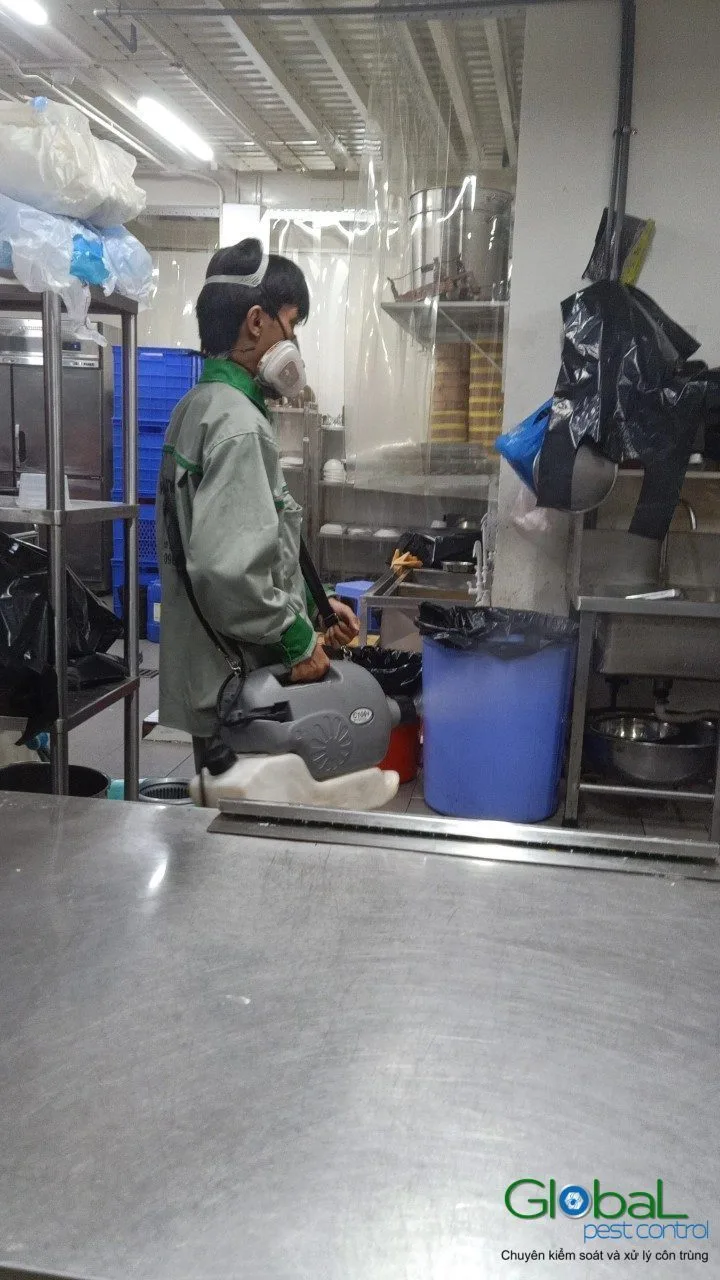
Treatment has to fit the calendar, not the other way round
Schools have a structural advantage almost no other food site has: long, completely empty periods. Term breaks are the correct time for anything substantial — deep cleaning behind equipment, drain work, proofing, and any treatment with a re-entry period. Trying to schedule that work into a Wednesday evening is a much weaker version of the same job.
The corresponding disadvantage is that a problem discovered in week two of term has to be managed for weeks with children in the building, which sharply narrows the methods available. That asymmetry is the whole reason school programmes are planned annually rather than monthly.
What we will and will not use around children
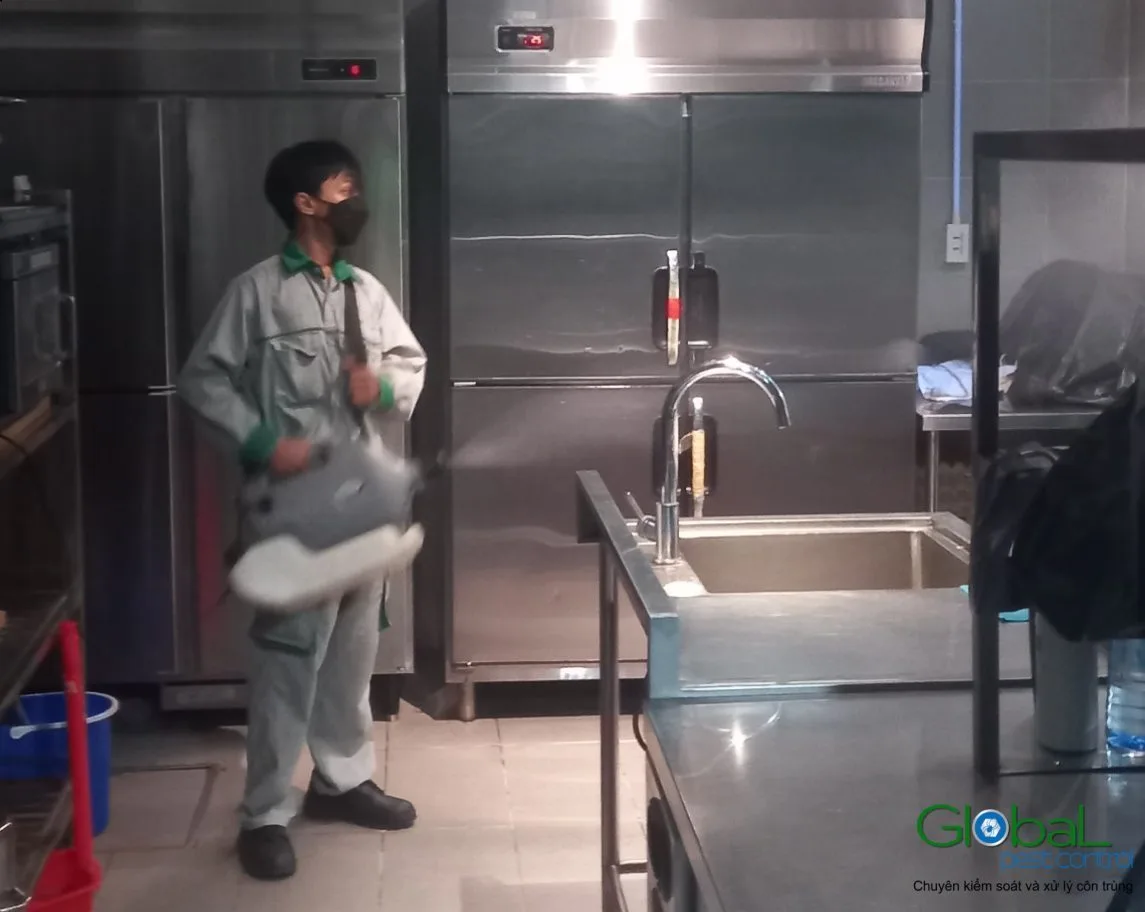
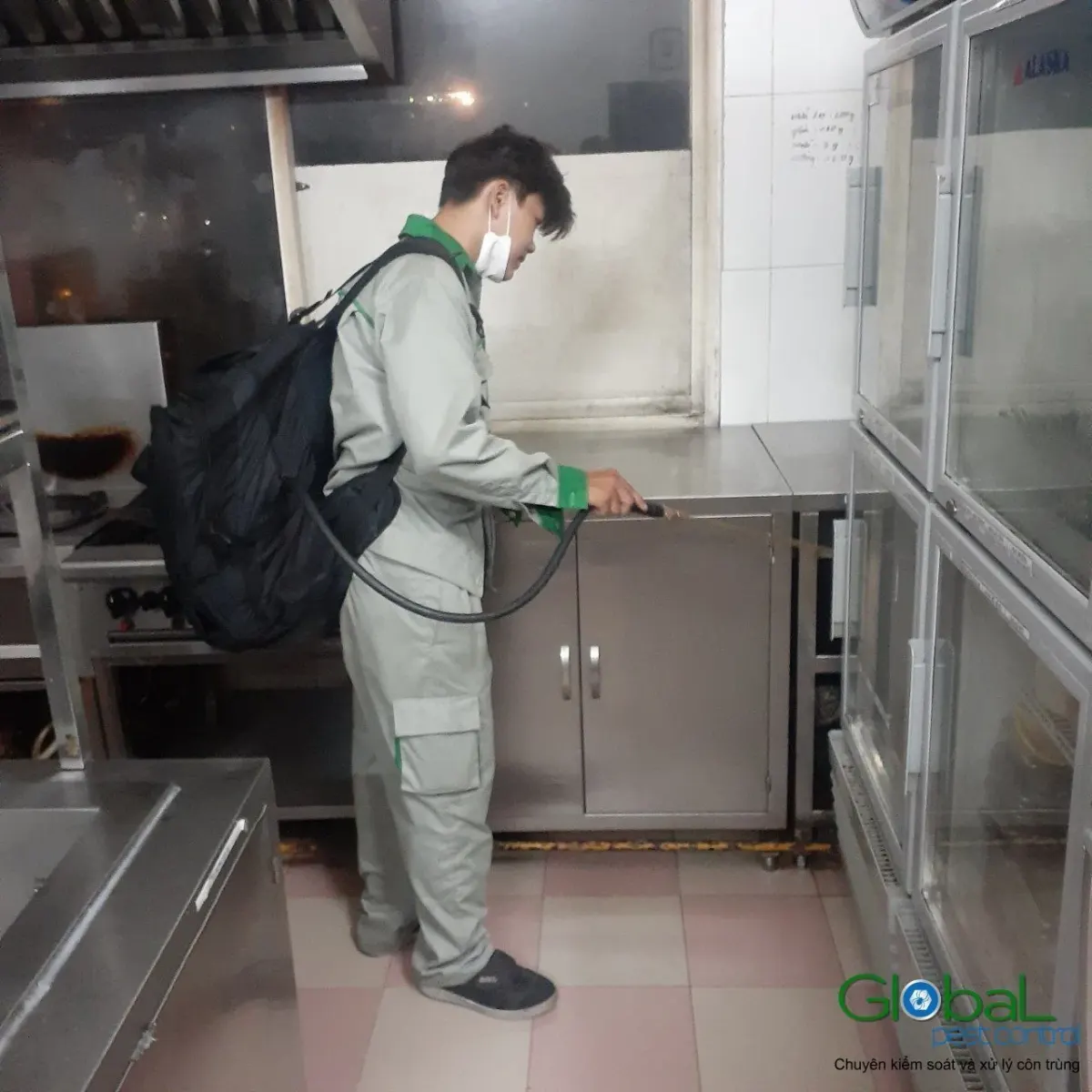
In a canteen with children present we use gel bait in sealed voids, insecticidal dust in structural gaps that cannot be reached, secured monitors and insect light traps sited away from food. We do not use residual surface spray in accessible areas during term, and we do not fog. Where a situation genuinely needs a broader treatment, it waits for a break or the area is closed, and we say so plainly rather than working around it.
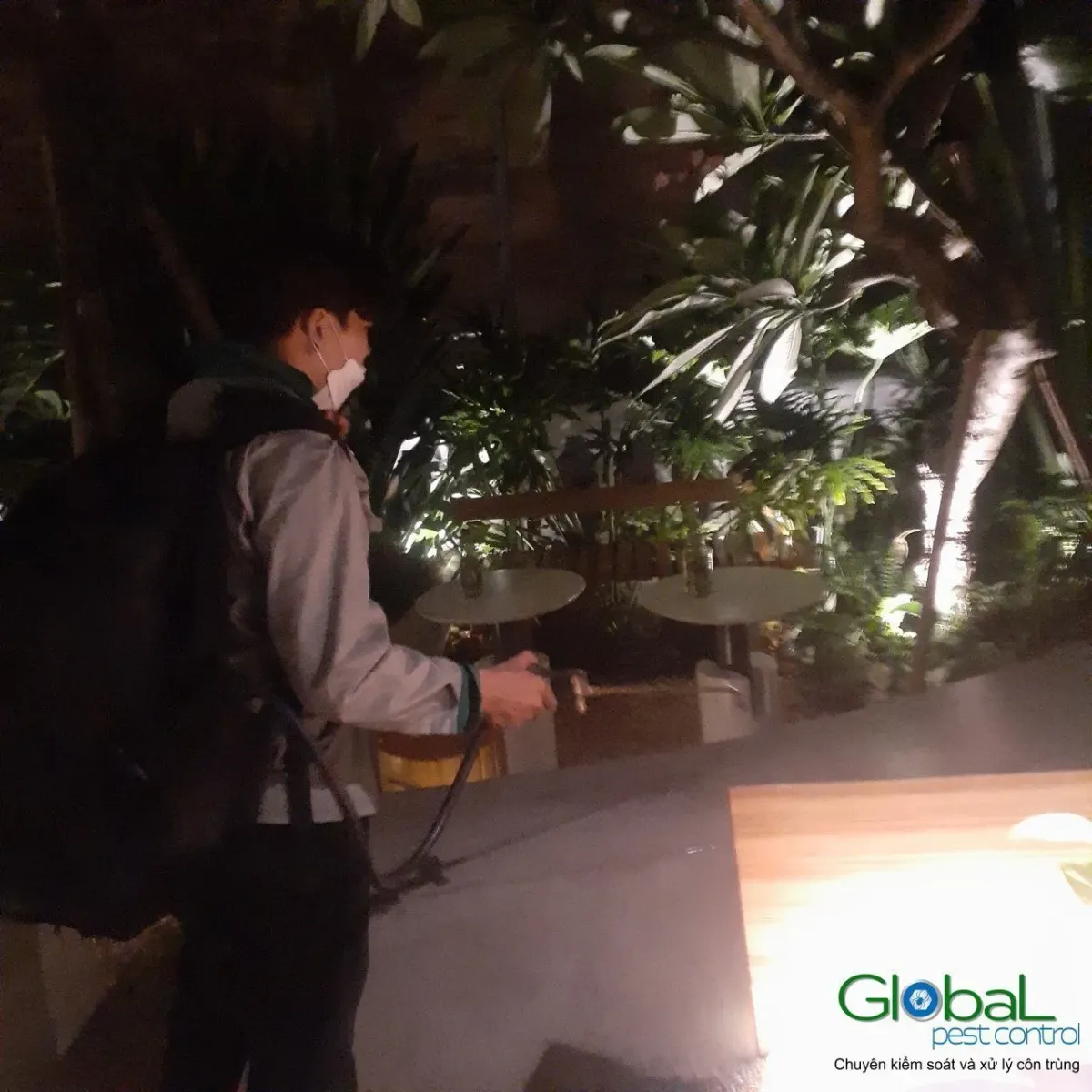
Ants are the most common actual complaint
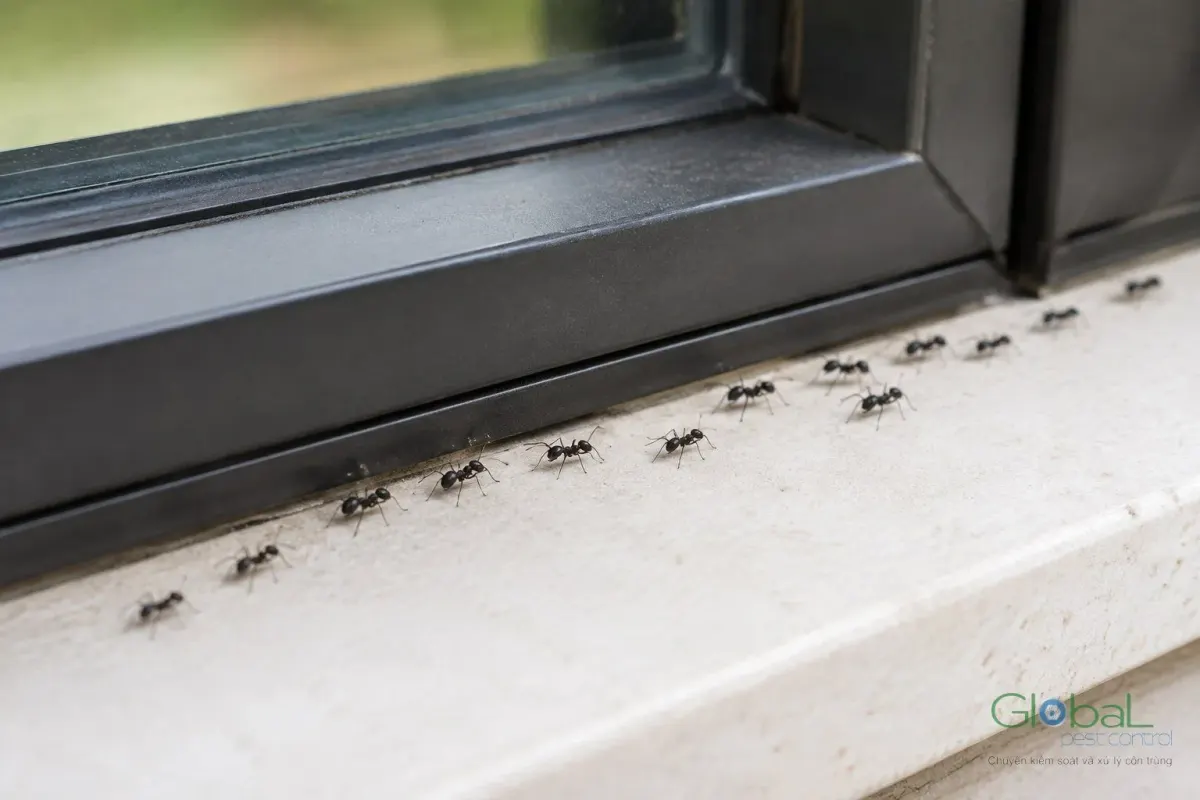
In Ho Chi Minh City school kitchens, ants generate more reports than any other group, usually along a wall or a service pipe leading to a spill point. The instinct is to wipe the trail, which removes the pheromone route and scatters the foraging without touching the nest. Following the trail to its entry point, baiting on the trail rather than beside it, and leaving it undisturbed for several days is slower to look successful and far quicker to actually work.
The record parents and inspectors both want
International schools in Vietnam are usually accountable to a parent body, an accreditation scheme and local food safety inspection at the same time, and all three want the same underlying thing: dated evidence of routine, dated evidence of findings, and dated evidence of what was done about them. A programme that produces that as a by-product of ordinary work is much easier to live with than one that generates a report only when something goes wrong.
Related reading
For the youngest age group see rooms used by children under three, and for the safety questions parents ask, pest control safety with children and pets. The kitchen paperwork is covered in HACCP pest control records, and the species most often involved in our ant guide. The property programme is our school programme. Our parent company runs the Vietnamese-language school and canteen programme.
Global Pest Control is the English-language arm of Khử Trùng Toàn Cầu. We report to international schools in English and to their Vietnamese kitchen teams in Vietnamese, from the same visit.
Common questions
Can you treat while children are on site?
Parts of the work, yes — gel bait, dust in voids, monitoring and inspection all continue normally with children present, because they are placed where children have no access and release nothing into the air. Anything involving surface spray or a re-entry period waits for an evening closure or a term break, and we plan the year around that rather than negotiating it each time.
How much notice do parents need?
That is a school policy decision rather than a technical one, but the schools that handle it best publish the annual pest management schedule at the start of the year, so treatment is visibly routine rather than a response to an incident. Notification of individual visits then becomes unnecessary in most cases.
What about the classrooms rather than the kitchen?
Classrooms generate far fewer problems than canteens, and where they do it is almost always food stored in desks and lockers, or a floor drain in an adjacent washroom. The fix is a storage rule and a drain check rather than treatment of the room.