Chiller and Freezer Plinths in Food Retail
A refrigeration unit does not destroy heat, it relocates it. In a supermarket the destination is the compressor and condenser cavity underneath the cabinet, which runs warm and dry at the coil and damp where condensate collects — and which sits directly under a continuous food source in an aisle that is open sixteen hours a day.
It is also, on almost every site we survey, physically inaccessible. The plinth is kicked, sealed by a fascia panel, and has not been opened since the shopfitter left.
Why the plinth outperforms every other harbourage
Compare it with the alternatives. The shop floor is bright, cleaned nightly and disturbed constantly. The stockroom is dark but cool and dry. The bin store has food but no shelter from weather or cleaning. The plinth has warmth, permanent moisture from condensate, structural shelter, and continuous food debris falling into it from above. That is every requirement met in one place, which is why populations that survive a treatment programme are usually surviving here.
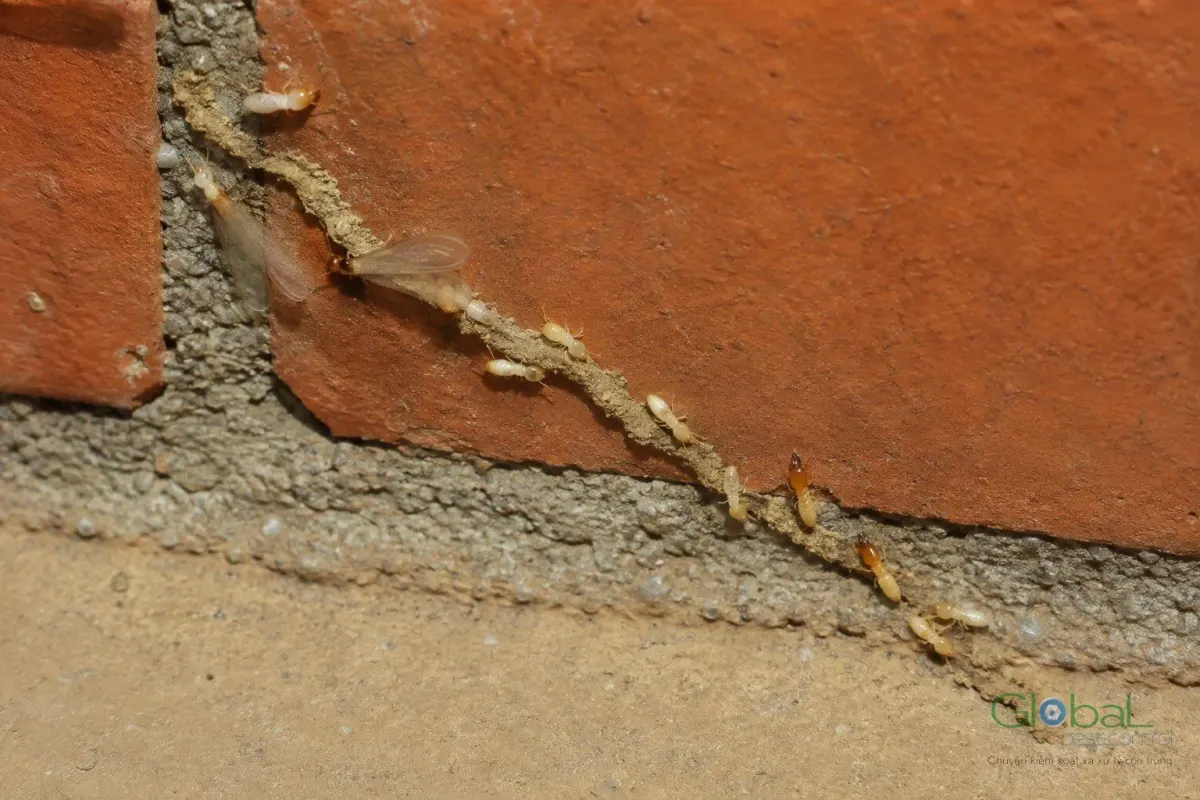
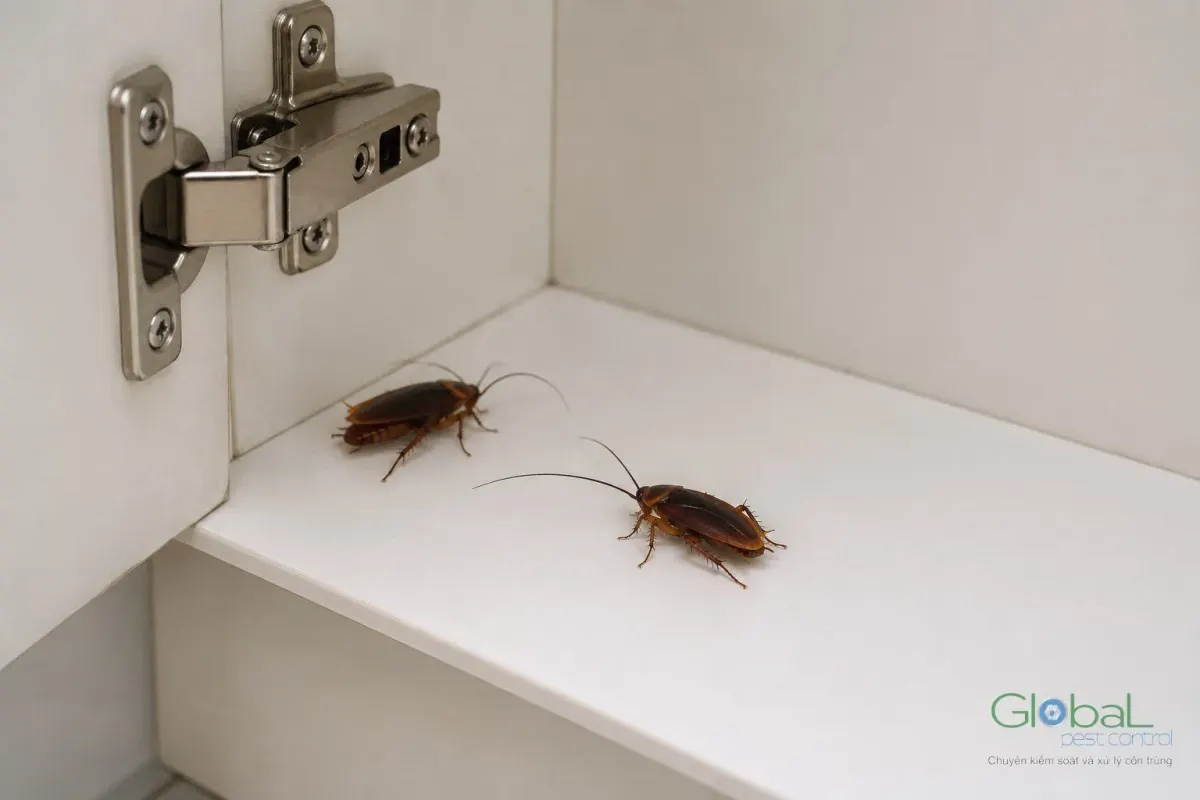
German cockroaches in particular do very well in this environment, and so do phorid flies, which breed in the organic film that builds up in condensate trays and drain runs.
Condensate is the part people miss
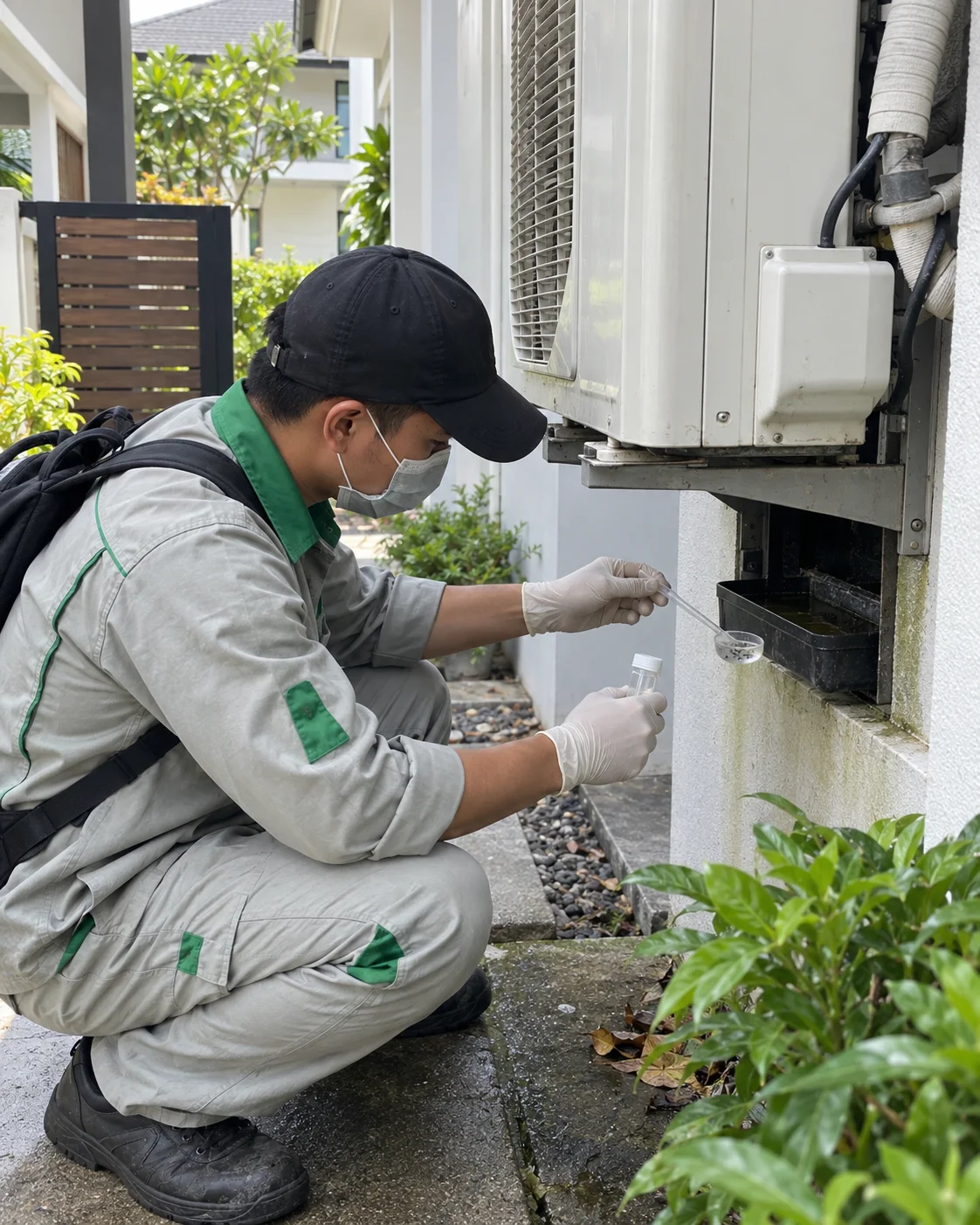
Every chilled cabinet produces water. In a well-built installation it runs to a trapped drain; in a great many installations it runs into a tray that evaporates it, or into a pipe that discharges onto the floor void behind the plinth. Both of the second two create a permanent wet organic film, and that film is a breeding substrate, not just a moisture source.
When a supermarket has a small fly problem it cannot explain, the condensate route is the first thing we ask to see, and about half the time nobody on site knows where it goes.
Making the plinth openable
- Fascia panels on clips or quarter-turn fasteners, not sealed with silicone or screwed with twenty screws.
- A stated cleaning frequency — quarterly at minimum for chilled aisles, monthly for anything handling raw product.
- A drain run that can be rodded, with a trap that holds water, checked when the plinth is opened.
- No cabling or shelf stock stored in the void, which is a common informal use and makes cleaning impossible.
What a proper plinth clean involves
Open the fascia, remove debris by vacuum rather than by washing it further in, clean the condensate tray and the drain run, dry the void, and inspect the coil area for evidence before closing it. It takes a two-person team perhaps twenty minutes per cabinet run, and it is the single most valuable hour of cleaning in the building. Doing it once a quarter and recording it is also exactly the evidence an audit wants.
Cleaning by hosing water into the void is worse than not cleaning at all, because it pushes debris to the back where it stays wet.
Treatment that respects a food environment
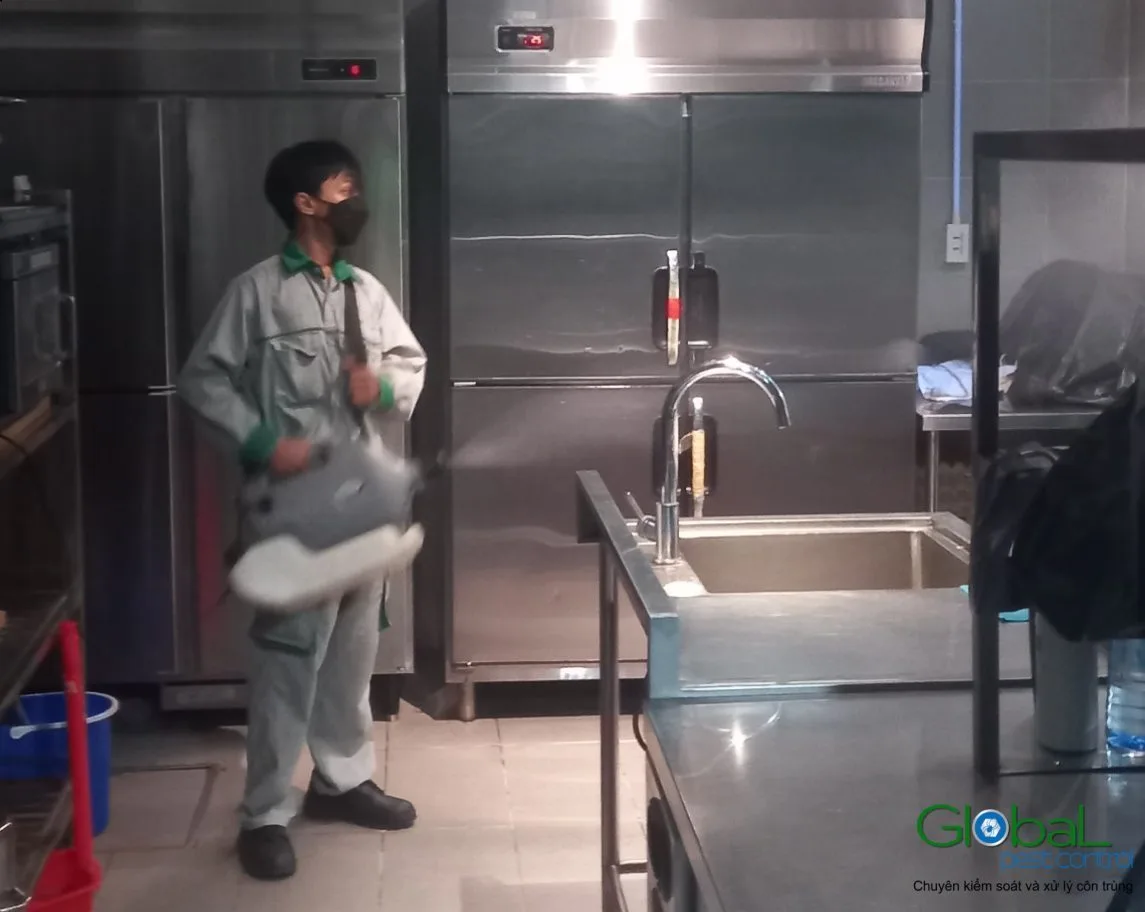
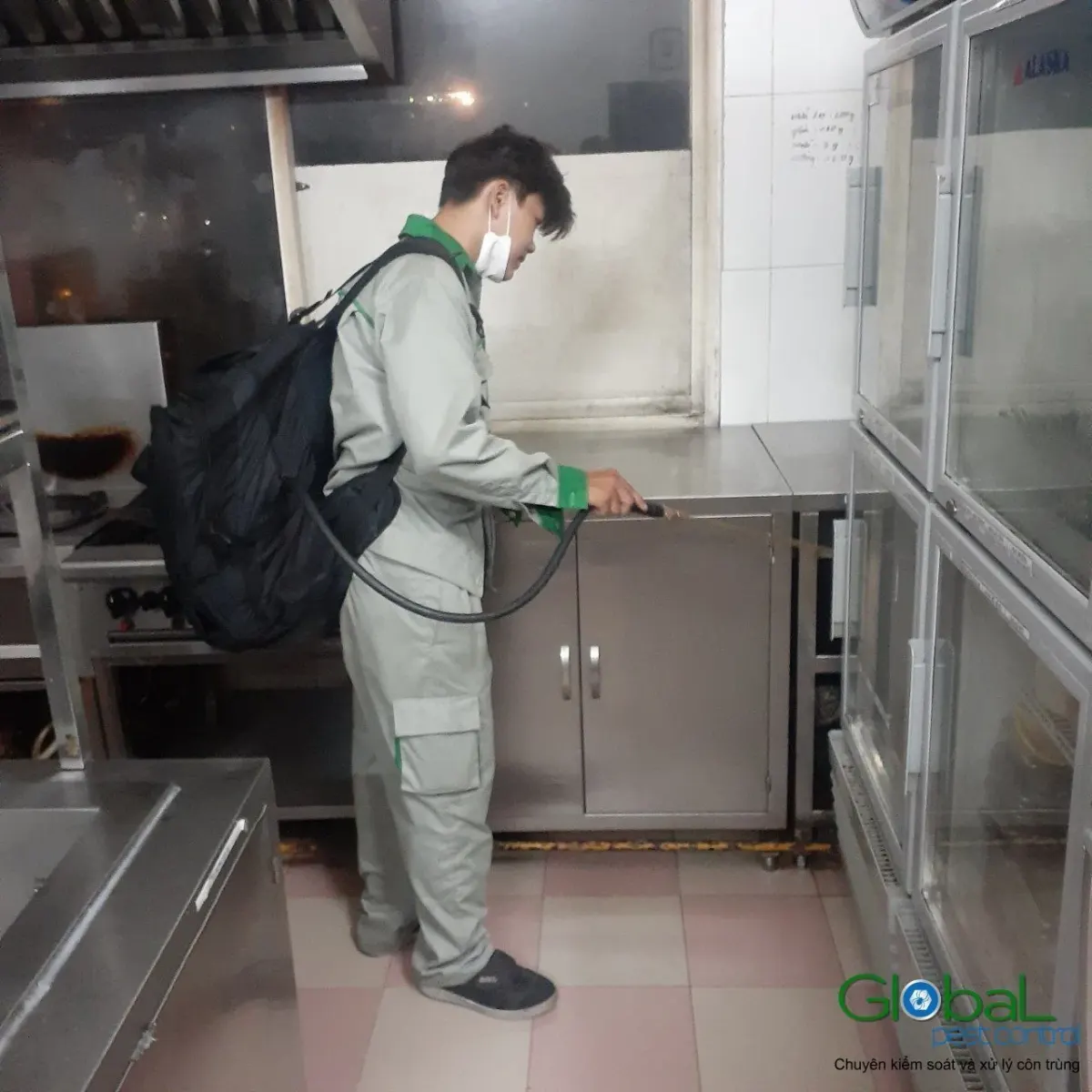
Under a chilled cabinet in a trading supermarket we use gel bait placed into the void and insecticidal dust in the dry structural gaps, not liquid spray. The reasons are practical rather than ideological: liquid near a condensate route is diluted and carried away within days, whereas a bait placed in a dry crack lasts weeks and is taken back to the harbourage. Monitors go into the void at both ends of each cabinet run so the record shows which run is active.
The refurbishment moment
The best time to solve this permanently is when a cabinet run is being replaced. Specifying a sealed, coved plinth with removable access panels and a properly trapped condensate drain adds very little to a refit cost and removes the problem for the life of the equipment. Once the run is installed and the tiling is done, the same change is expensive and disruptive, which is why it never happens.
Related reading
For the wider retail picture see supermarkets and food retail and retail stockrooms and delivery doors. The audit paperwork is covered in the food safety audit file, and drainage generally in drain treatment. Our parent company runs the Vietnamese-language restaurant and kitchen programme for the same equipment.
Global Pest Control is the English-language arm of Khử Trùng Toàn Cầu, based in Thu Duc City.
Common questions
Cockroaches in a freezer aisle — is that even possible?
The product is frozen; the machinery underneath it is not. The compressor cavity of a freezer cabinet is one of the warmest spaces on a shop floor, often above 30 °C, and that is where the population lives. The cold product is irrelevant to them except as a source of spilled packaging debris.
Who cleans the plinths, us or the refrigeration contractor?
Whoever is named in a contract. In practice it falls between the cleaning contractor, who is not allowed to open equipment, and the refrigeration contractor, who is scoped for mechanical service only. Resolving that gap in writing is genuinely the fix — we can specify the task, but we cannot be the party that performs a daily-operations clean.
Will an audit fail us for this?
A good auditor will lift a plinth panel, and a heavily soiled void with evidence in it is a significant non-conformance because it shows a cleaning schedule that does not match the site. A clean void with a dated record behind it is one of the strongest things you can show, precisely because most sites cannot.