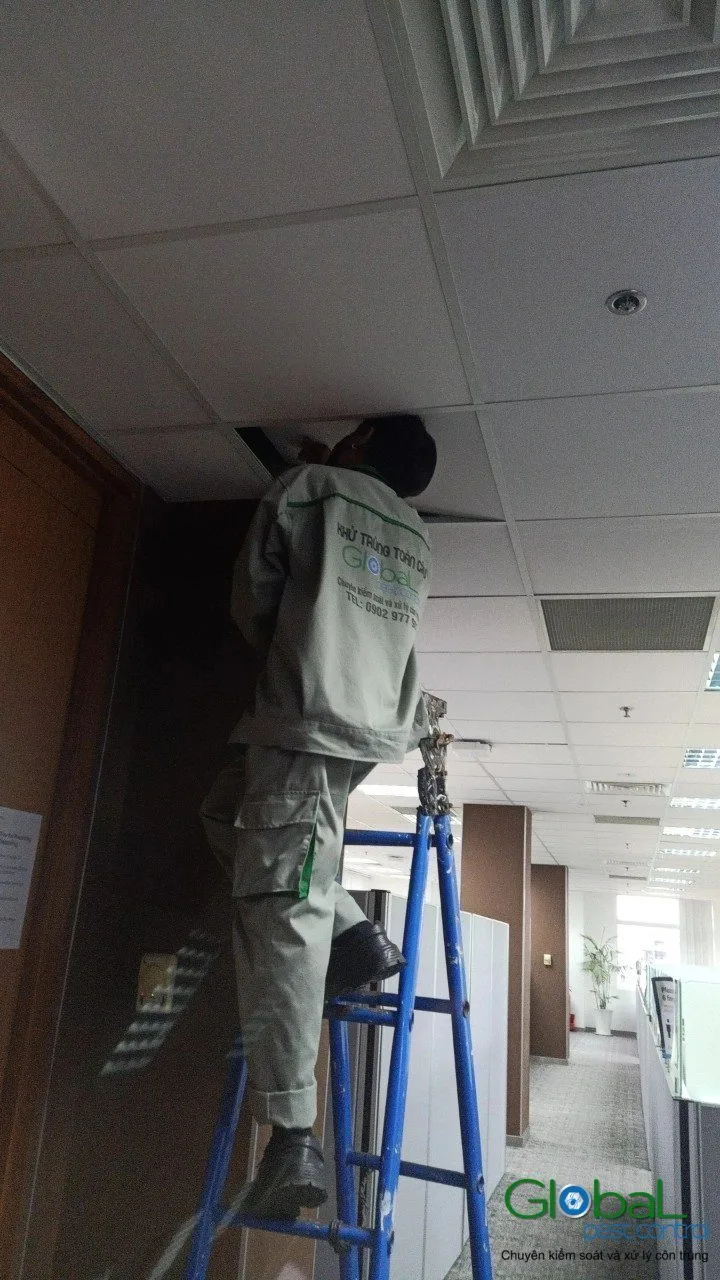
Rooms Used by Children Under Three
Pest control in a nursery room is often described as a softer version of ordinary work — same methods, lower concentration, longer ventilation. That framing is wrong and it produces bad decisions.
The right framing is that in a room used by children under three, every horizontal surface below knee height is a surface that will be crawled across, touched with wet hands and put in a mouth. That does not call for a weaker product. It calls for a method that puts nothing on those surfaces in the first place.
What changes, specifically
- No residual surface treatment on floors, low walls, skirtings, furniture or soft furnishings, at any concentration.
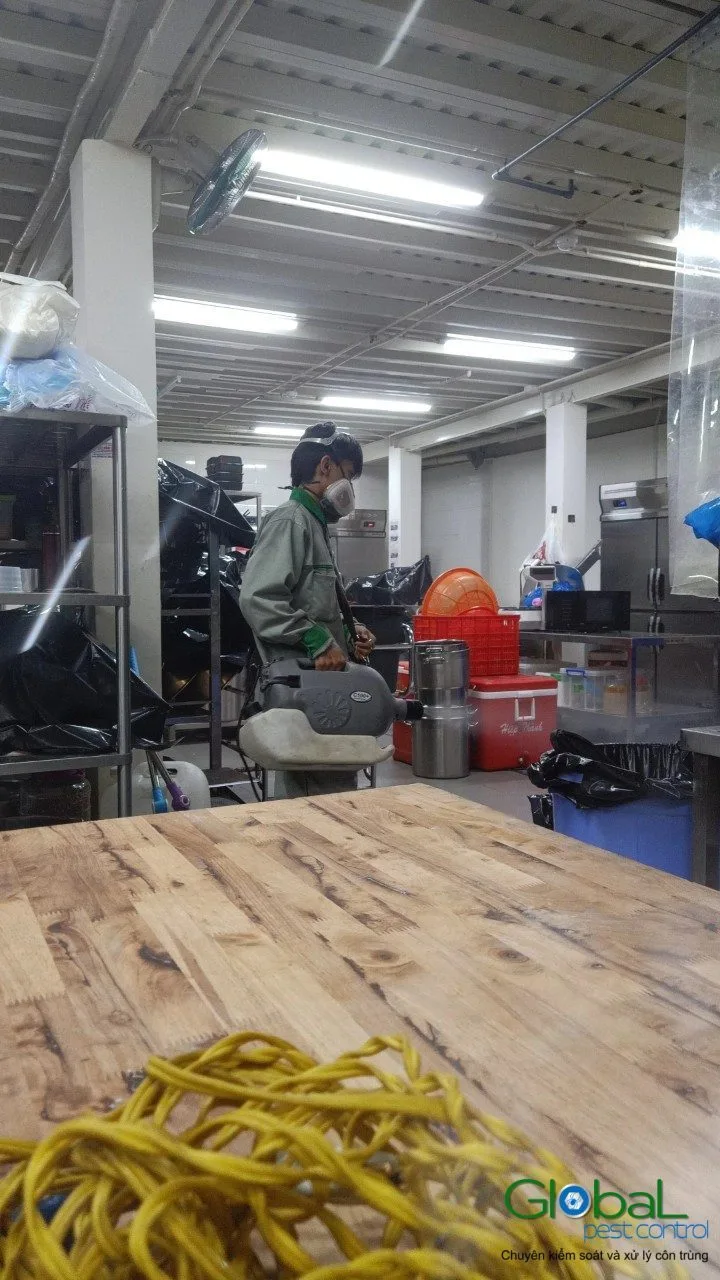
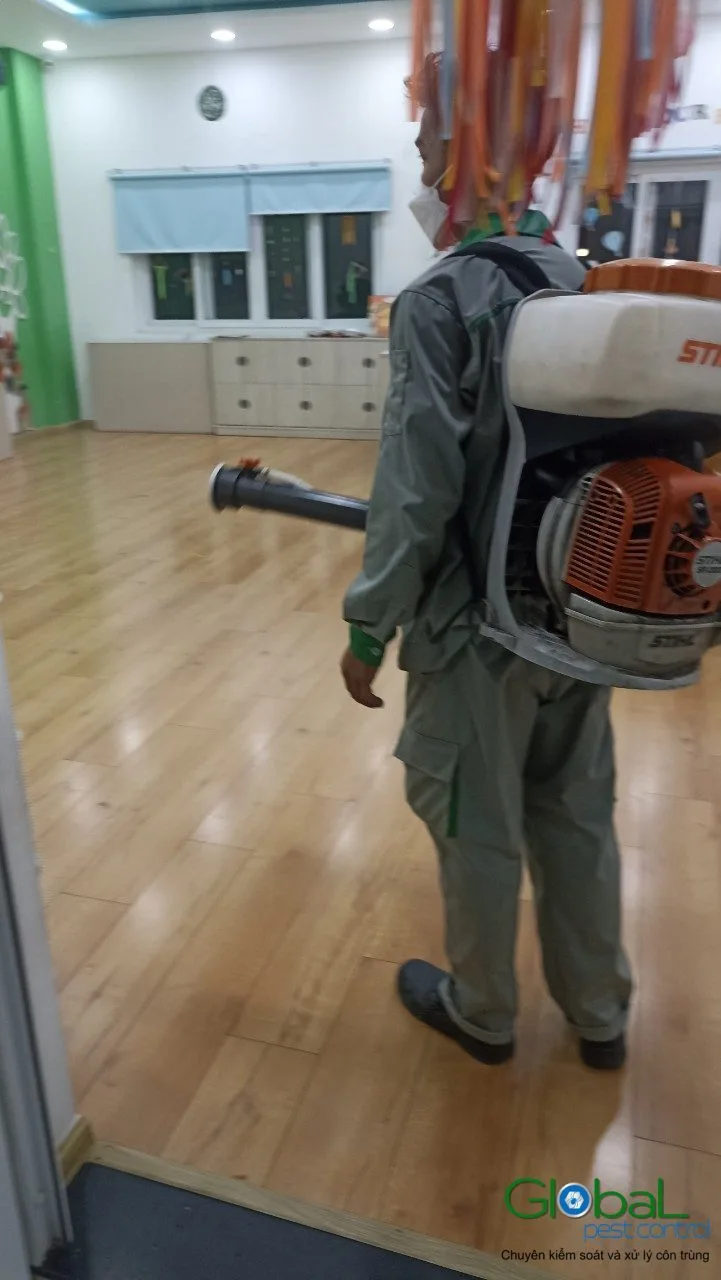
- No fogging or space spray in the room or in any space that shares air with it.
- Bait and dust only where they are structurally enclosed — inside voids, behind fixed units, under sealed plinths.
- Monitors screwed down or placed behind fixed furniture, never loose on a floor where they become a toy.
That list removes most of the conventional toolkit, which is exactly why proofing and hygiene carry more of the load in these rooms than anywhere else.
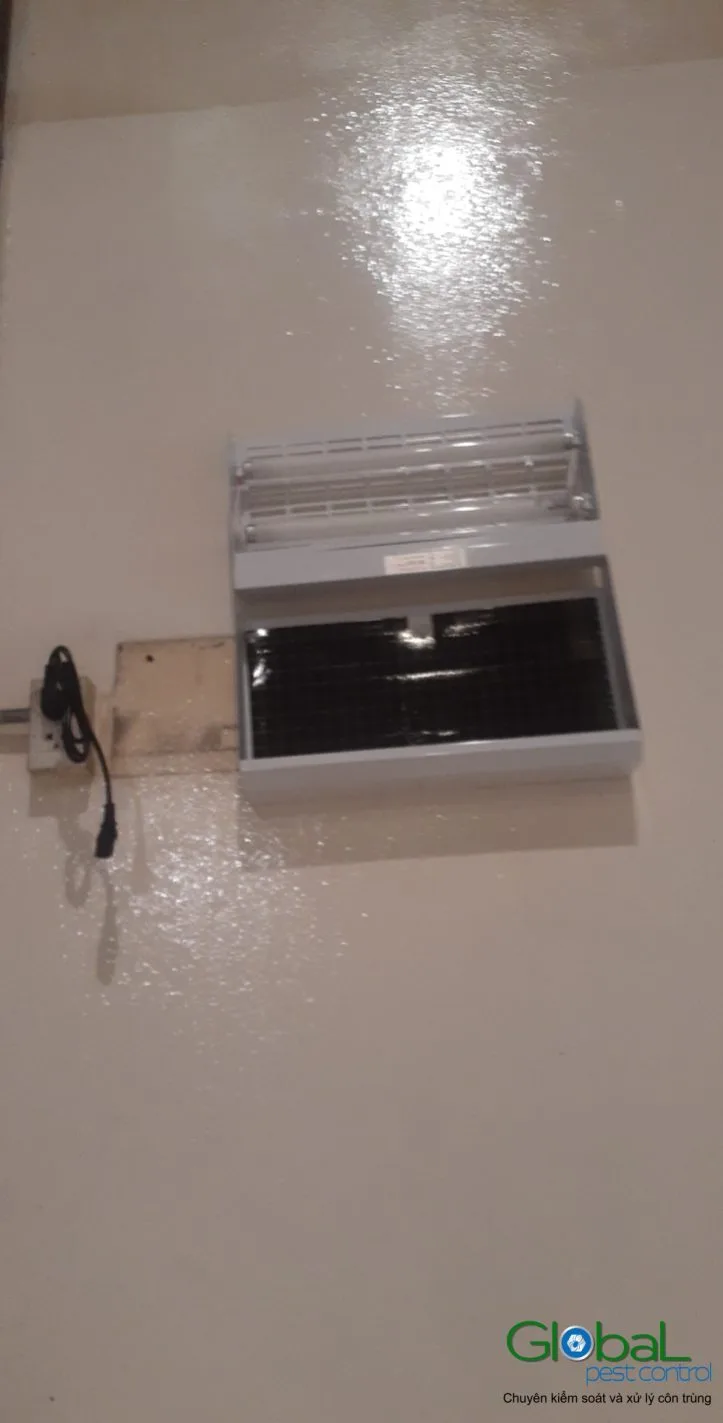
Proofing is the main method here
Because chemical options are narrow, the work becomes physical. Sealing the gap where a pipe enters below a sink, fitting a brush strip to a door with a 12 mm undercut, replacing a cracked floor tile at a wall junction, seating a floor drain grating properly and making sure it holds water — these are the interventions that actually change a nursery room, and they are permanent in a way no treatment is.
They also survive staff turnover, which matters in a sector where it is high.
The nappy change and milk preparation areas
Two zones generate almost all the risk in a nursery. The nappy change area has a bin that is opened dozens of times a day and is warm, and the milk preparation area has sugar, protein and water in the same place. Both need a lidded bin emptied at a fixed time and both need the gap behind and under the unit to be accessible, which in fitted furniture usually means asking for it at the design stage.
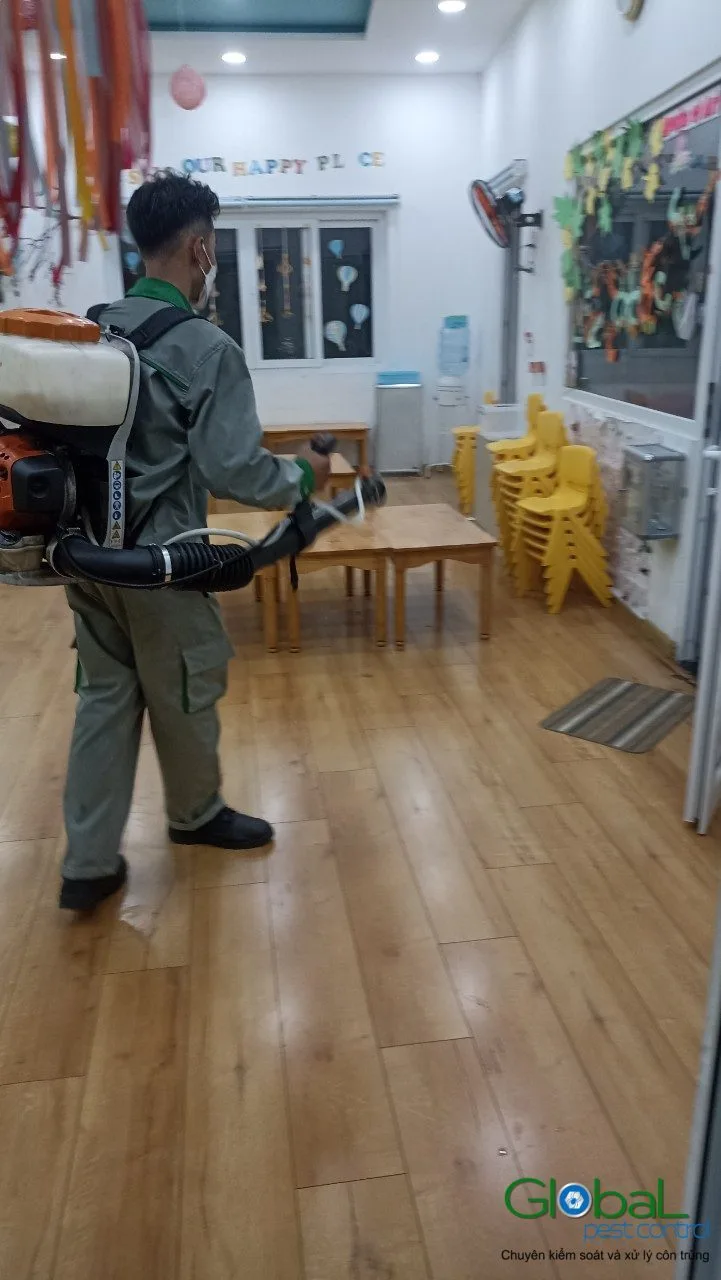
Timing the work around the room, not the site
Nurseries in Ho Chi Minh City often operate longer hours than schools, which removes the convenient empty evening. The workable answer is usually a Saturday visit for anything beyond inspection, and a hard rule that a treated room is not used the following day even if a re-entry period has technically elapsed. That extra margin is not scientifically required; it is there because it is the right level of caution for the age group and because it is what a parent would expect if they asked.
What to tell parents
Parents ask two questions, and both deserve a direct answer. What was used, and where was it put. A nursery that can say "gel bait inside the void behind the fixed kitchen units, nothing applied to any accessible surface, product sheet available on request" ends the conversation immediately. A nursery that says "it is safe, do not worry" invites the next three questions.
When we say no
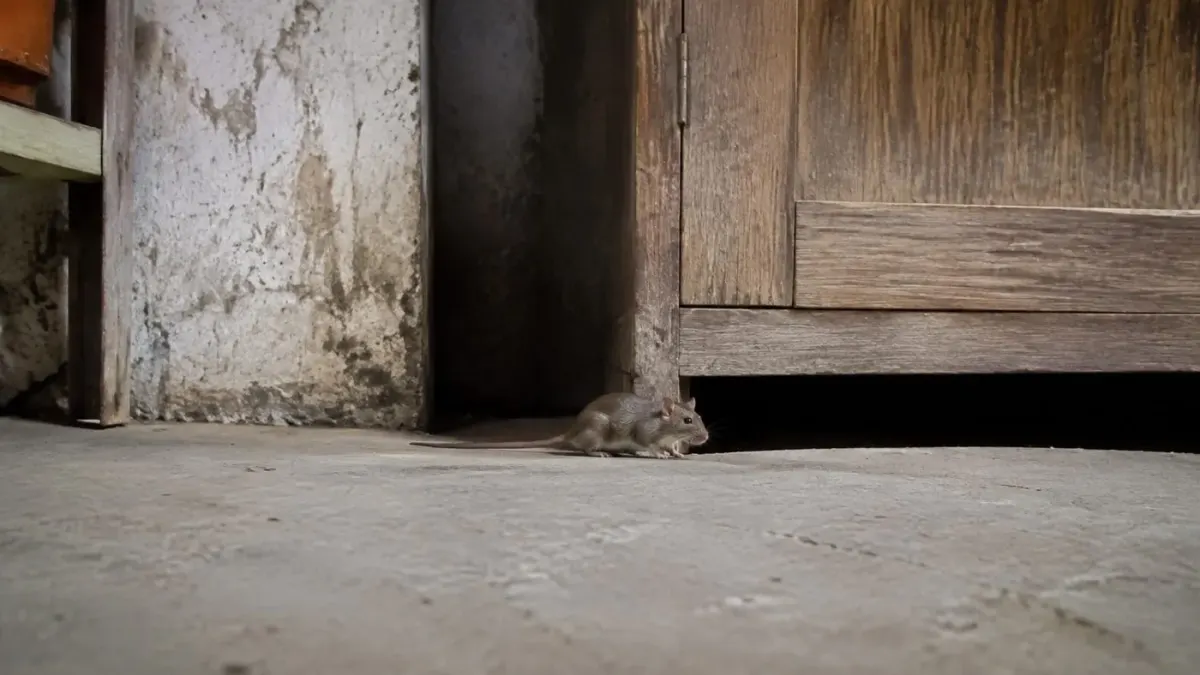
There are situations where the honest answer is that the room should not be used. A confirmed rodent presence in a room where infants sleep is one; a treatment that genuinely requires a residual application across a floor is another. In both cases the room closes for a period rather than the method being compromised, and we would rather lose the argument about scheduling than perform a version of the work that we would not accept in our own homes.
Related reading
The parent-facing version of this is pest control safety with children and pets, and the school context is in school canteens and food service areas. For choosing a setting see questions worth asking a kindergarten, and for methods generally, how pest treatment works. The property programme is our school and nursery programme. Our parent company runs the Vietnamese-language school programme for the same settings.
Global Pest Control is the English-language arm of Khử Trùng Toàn Cầu, based in Thu Duc City and working with international nurseries and kindergartens across the city.
Common questions
Is there a treatment that is completely safe for babies?
There is no product that is meaningfully described as completely safe, and any company that uses that phrase is telling you something about their sales training rather than their chemistry. What is achievable is a method where nothing is applied to any surface a child can reach, which removes the exposure route entirely rather than arguing about the dose.
Do we need to remove toys and bedding before a visit?
For inspection and monitoring, no. For any treatment work in the room, yes — soft items out, hard toys into a closed box, and the room cleaned normally before it is used again. We will tell you which of the two a visit is when it is booked, so nobody spends a Friday evening clearing a room for a twenty-minute inspection.
We have ants in the nursery. What happens now?
Inspection first, to find the entry point and the trail direction, then bait placed inside a void or behind a fixed unit rather than on the trail where it is visible, and proofing at the entry point. Wiping the trail before we arrive makes the job harder, so if you can leave it for a day, please do.