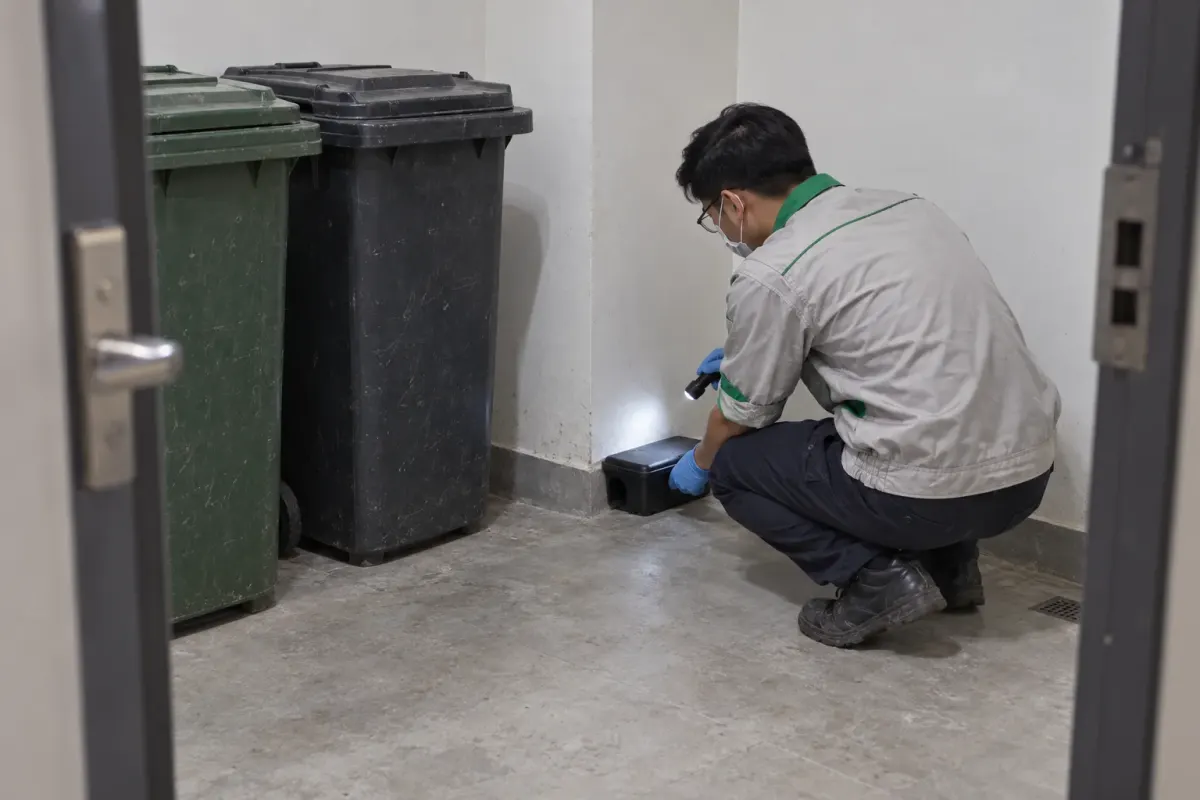
Droppings tell you something is there. Gnaw marks, rub marks and runs tell you where it goes, which is what determines where anything gets placed.
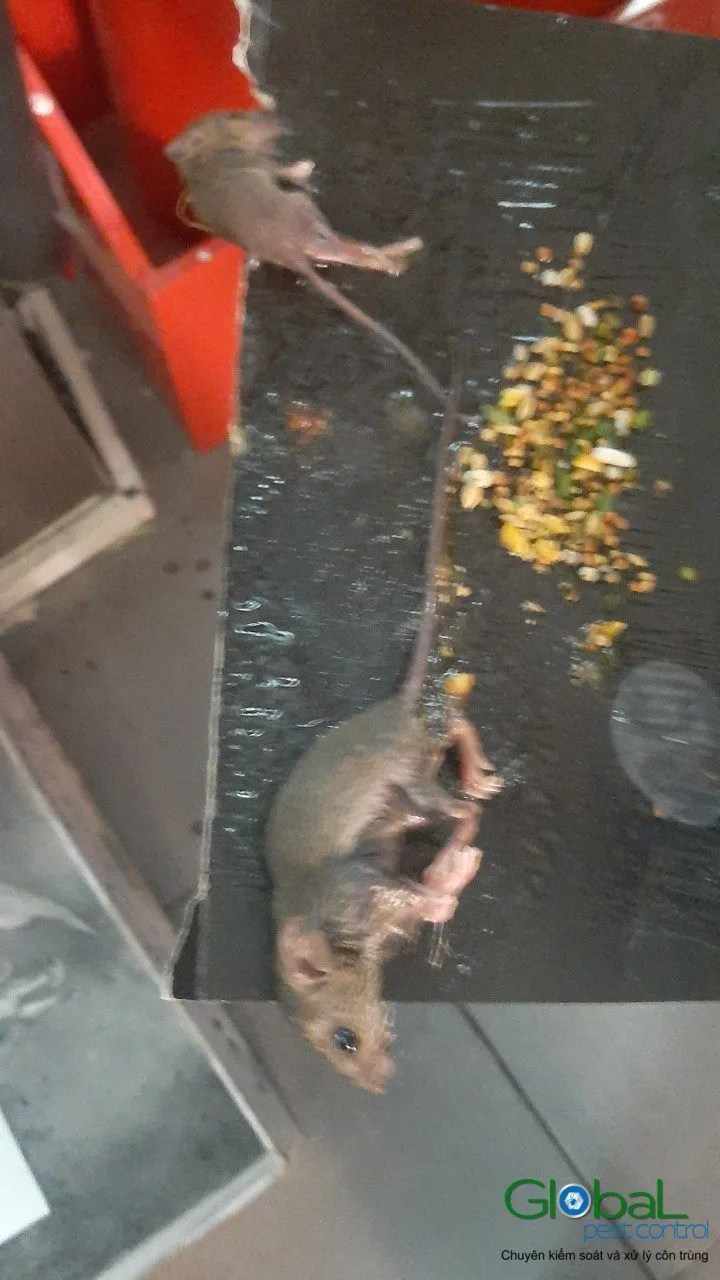
Droppings are the most informative thing a rodent leaves, and the usual response — clearing them up — destroys the information.
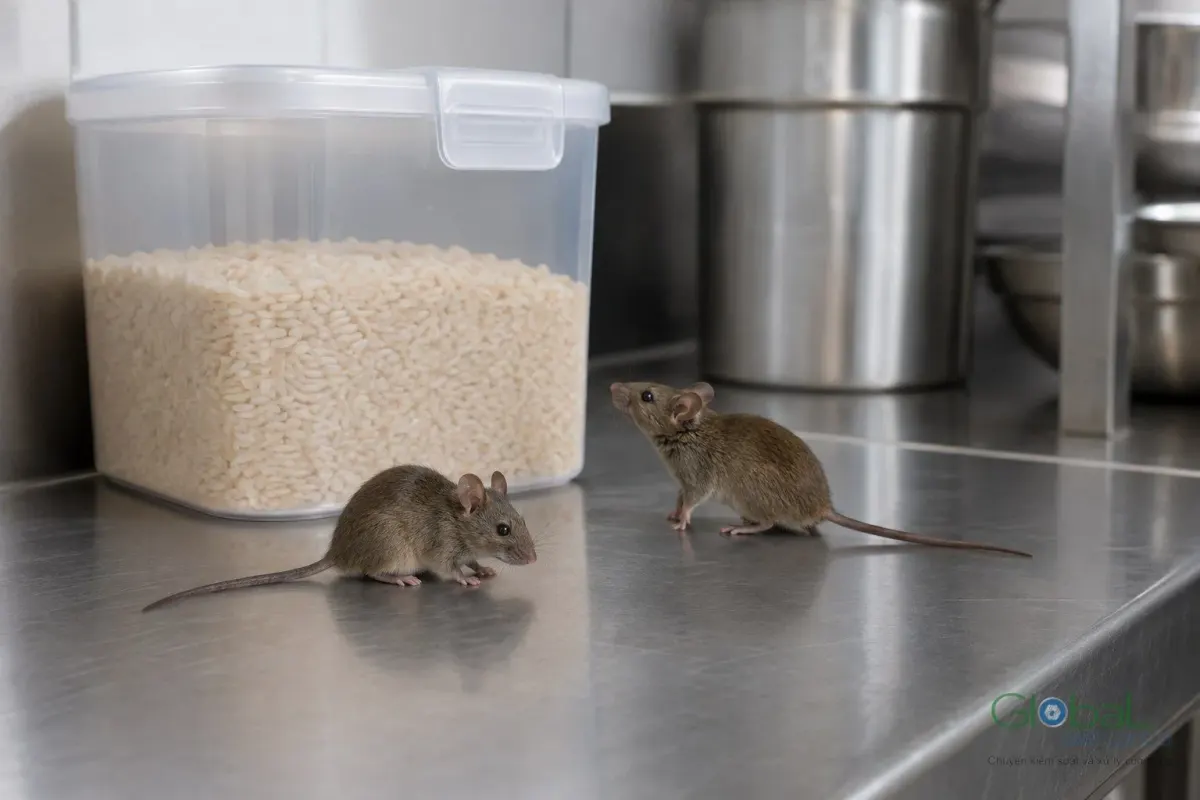
Vietnamese has one word, chuot, for both. In practice they behave in opposite ways, and a method built for one performs badly against the other.
Two people in the same room get bitten very differently, and the reasons are real. Almost none of them are the ones people assume.

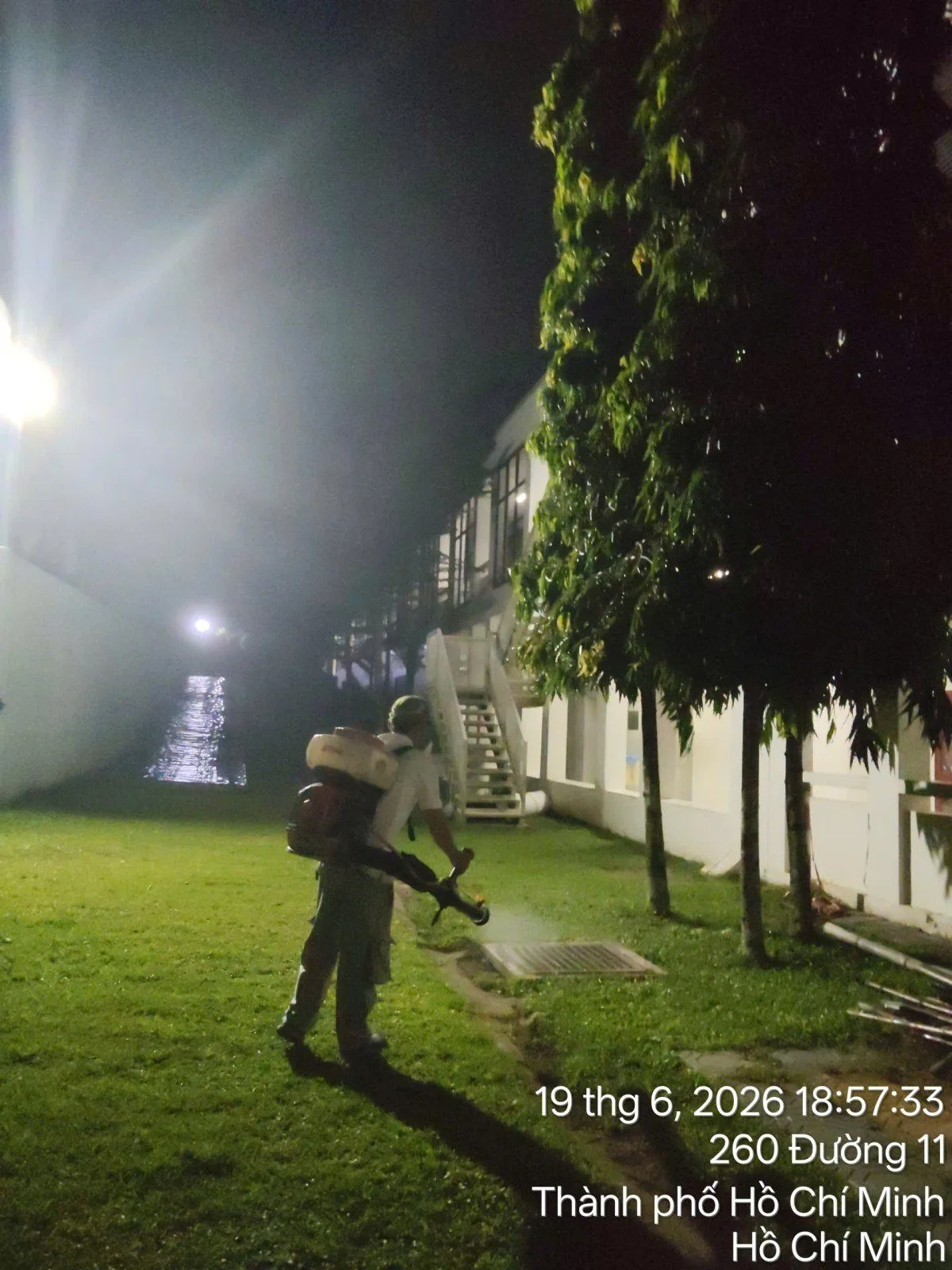
Two mosquito groups dominate this city, they bite at different times of day and breed in different water, and almost every control decision follows from which one you have.
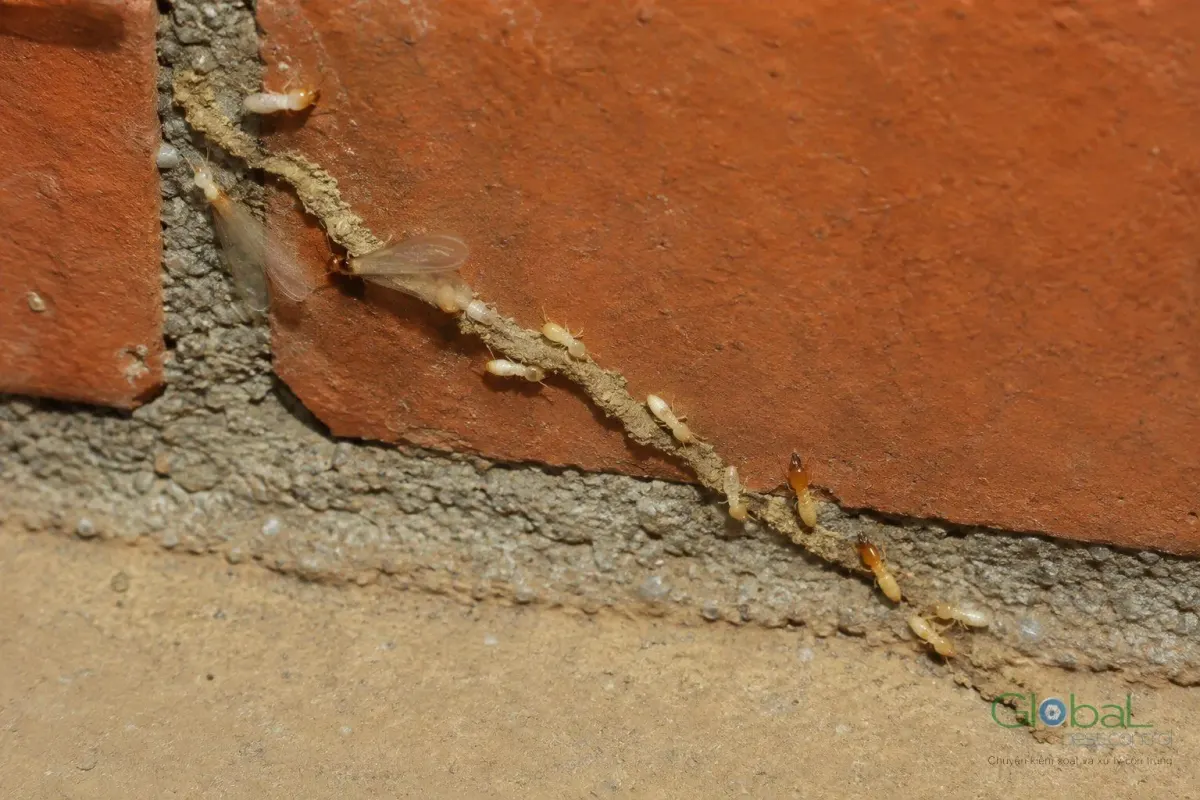
A thin line of dried mud running up a wall is not dirt. It is a covered road, and it is the most reliable termite evidence a building produces.
One termite group commutes from the soil and one lives inside the timber. Which you have decides whether the answer is a barrier or a piece of furniture.
Sawdust below a hole in a beam points away from termites, not toward them. Termites eat the wood; carpenter ants throw it out.

For three days after baiting there are more ants, not fewer. Knowing that in advance is the difference between a treatment that works and one that gets sprayed on day two.
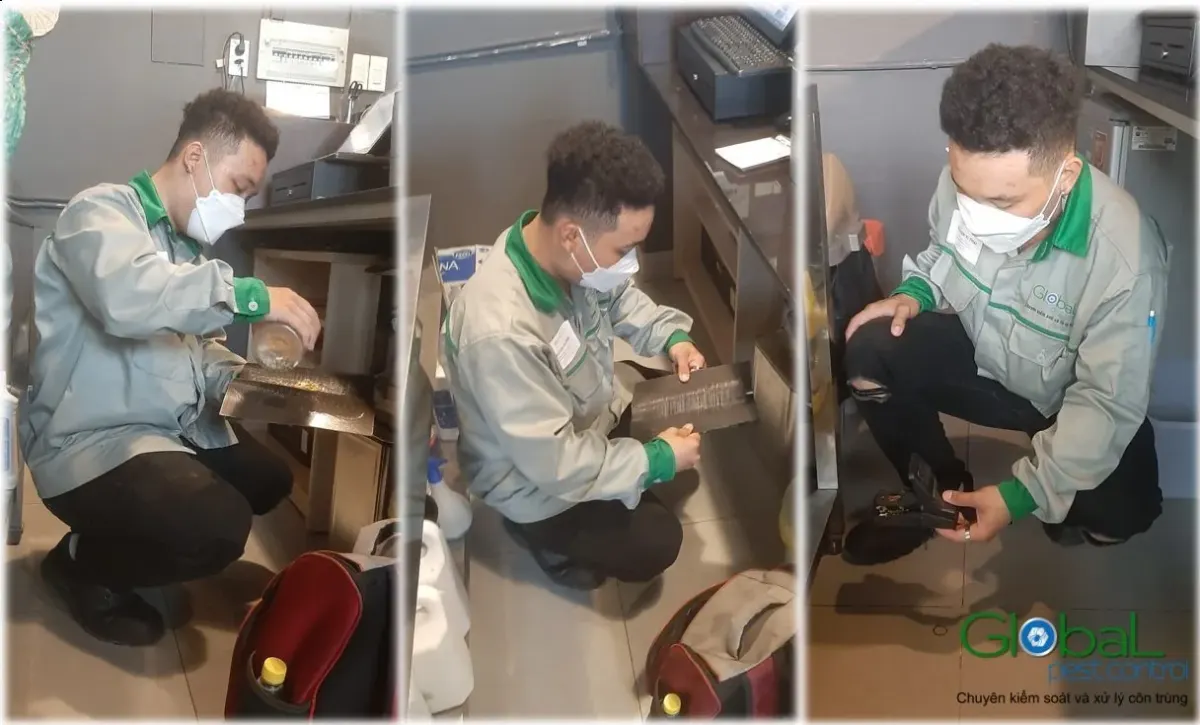
The trail is the most useful thing in the room. Wiping it removes your only map and scatters the foragers that would have solved the problem for you.