Why Ant Bait Looks Worse Before It Looks Better
A technician places bait on Monday. By Wednesday there are visibly more ants than before, and the customer sends a message asking whether something has gone wrong.
Nothing has gone wrong. This is what a working ant treatment looks like on day three, and the entire purpose of explaining it in advance is so that nobody reaches for a spray.
Why the numbers rise
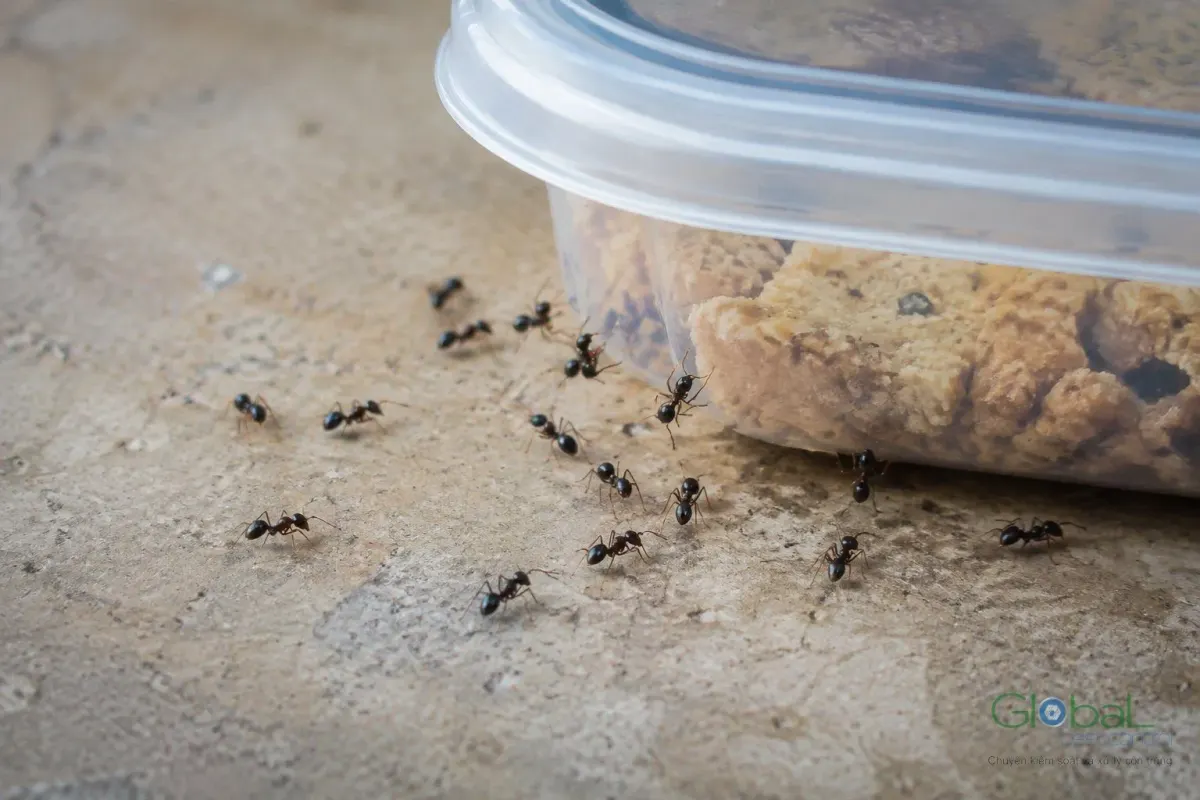
A forager that finds a high-quality food source returns to the nest and recruits. Others follow the reinforced trail, find the same source, and recruit in turn. Within a day or two the trail carries several times its previous traffic.
From the colony\x27s point of view your bait is an unusually good discovery. The increase is a measure of how attractive it is, which is exactly the property that makes it work.
What is happening that you cannot see
Each returning forager carries material back and shares it by mouth-to-mouth transfer with other workers, with the brood and eventually with the queen. That distribution is the whole mechanism, and it is why the active ingredient is deliberately slow.
A bait that killed foragers on contact would leave dead ants beside the bait and nothing would reach the nest. The delay is engineered.
The timeline
Day one to two: discovery and recruitment; numbers begin rising. Day two to four: peak traffic, visibly worse than before treatment. Day four to seven: numbers fall noticeably as the colony is affected. Week two to three: trail activity stops.
Larger or multi-nest colonies take longer, and a colony with several satellite nests can take three to four weeks to resolve fully. The shape of the curve stays the same.
What undoes it
Spraying the trail during the peak, which kills exactly the individuals carrying material home. Wiping the trail, which removes the route to the bait. Moving the bait because it looks unattractive. Cleaning near it with a strongly scented product, which can make it unpalatable without touching it. And putting out a second, different bait alongside, which splits the recruitment.
Every one of these is a reasonable thing for a worried person to do, which is why the explanation has to come before the treatment rather than after the message.
When it genuinely is not working
There are real failure signals and they look different. If the bait is untouched after forty-eight hours, it is the wrong type or it is in the wrong place. If numbers rise and stay high after ten days, the colony may be larger than expected or there may be a competing food source that is better than the bait.
And if the trail disappears entirely within hours of baiting, that usually means something repellent is present — a recently sprayed surface, or a cleaning product — rather than success.
What to do during the peak
Nothing to the trail. Remove competing food sources elsewhere in the room, since bait competes with whatever else is available, and a clean surrounding area makes the bait more attractive rather than less. Keep pets away from the bait points. And take a photograph each day, because a sequence of photographs is a much better record of what happened than a memory of a bad Wednesday.
It is worth being explicit about the emotional shape of this, because it is what actually decides outcomes. A treatment that looks worse before it looks better asks the customer to tolerate three days of evidence that appears to contradict what they were told. Without an explanation beforehand, almost nobody does. With one, almost everybody does, and the same treatment succeeds.
The same principle elsewhere
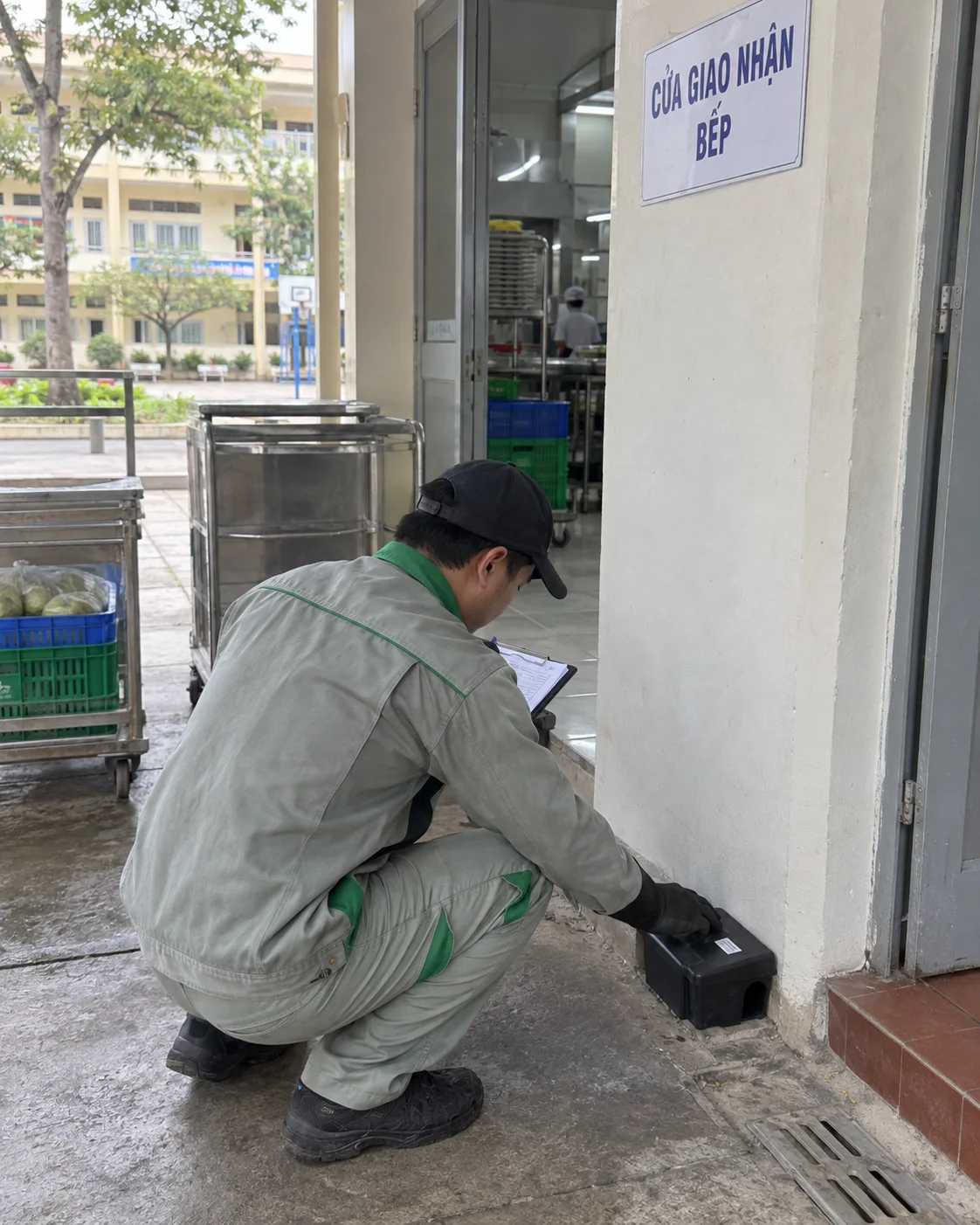
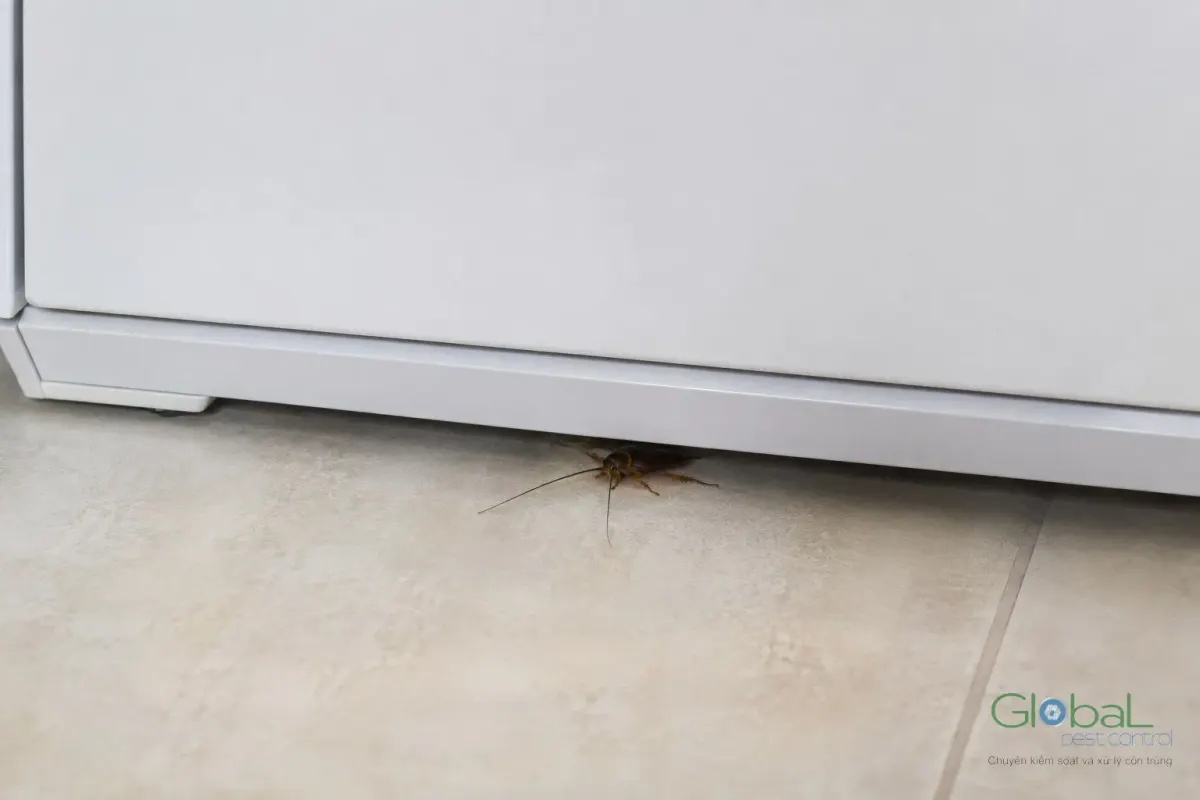
Cockroach gel behaves similarly, though the increase is less visible because the species is less conspicuous. Termite baiting works on the same logic over a far longer timescale — months rather than days — and rodent baiting has its own version, where activity at a station rises before it falls. In each case the visible short-term signal runs opposite to the outcome.
Related reading
See reading an ant trail and baiting versus killing. For the species, our ant guide. On aftercare, what not to clean afterwards and gel bait or spray. Our parent company runs the Vietnamese-language ant control programme.
Global Pest Control is the English-language arm of Khử Trùng Toàn Cầu. We tell customers about the three-day peak before we place the bait, because it is the single most useful thing we can say.
Common questions
How long should I wait before calling to complain?
Ten days. Before that, an increase is expected and a decrease is a bonus. After ten days with no reduction, something is genuinely wrong and it is worth a call — usually a bait type change or a second nest rather than a failed treatment.
Can I put out more bait to speed it up?
More bait on the same trail is fine and rarely necessary; a different bait alongside is counterproductive because it splits recruitment between two sources. If the existing bait is being consumed quickly, replacing it as it runs out is the right response, which is what a follow-up visit is for.
They are walking over the bait and ignoring it. What now?
That is a preference mismatch — the colony currently wants protein and you have offered sugar, or the reverse. Ants foraging along a grease film want a different bait from ants heading for a sugar spill. Switching bait type usually resolves it within a day, and it is the commonest single adjustment we make.