Rats and Mice: Different Animals, Different Methods
Vietnamese uses chuột for both rats and mice, which is convenient in conversation and unhelpful when planning a treatment. The two behave differently in almost every way that matters operationally.
The main species here are the Norway rat and the roof rat, plus the house mouse. Getting the identification right decides where devices go, how far apart, and how long the job takes.
Neophobia: the single biggest difference
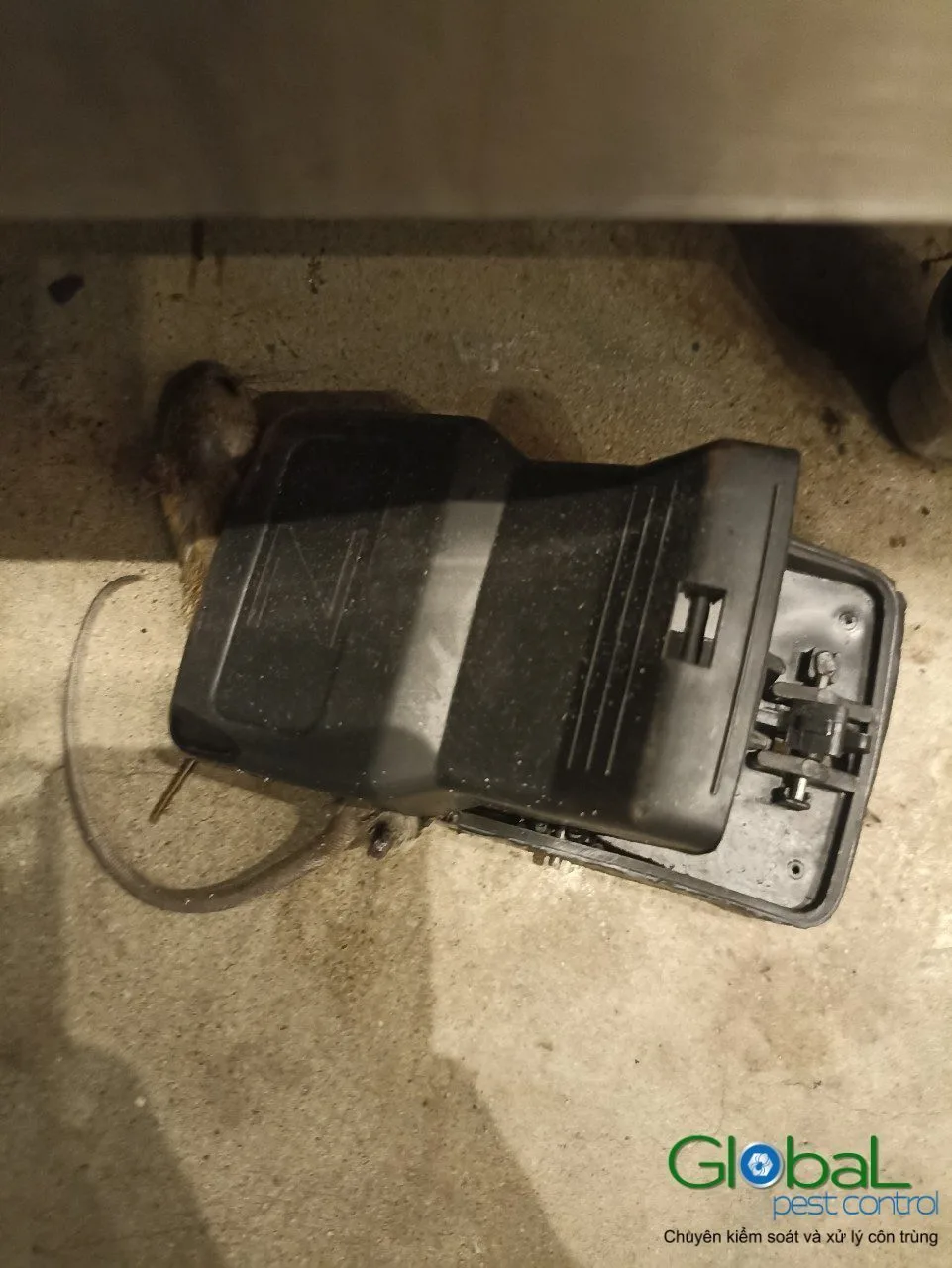
Rats are strongly neophobic. A new object in an established territory is avoided, often for several days, and a bait station placed on Monday may not be entered until Friday. That is normal behaviour rather than a failure, and it is why rodent work is slow to start.
Mice are the opposite. They are curious, investigate new objects readily, and will enter a station within hours. A mouse programme therefore produces results quickly, and a rat programme that produces results quickly is often actually a mouse programme.
Range and how many devices you need
A rat ranges over tens of metres and returns to established routes, so devices can be spaced widely and placed on known runs. A mouse ranges only a few metres and moves in short exploratory trips, which means devices need to be much closer together — every two to three metres in an affected area rather than every ten.
This is the most common practical error we correct on sites: a mouse problem being treated with rat-spaced stations, so most of the population never encounters one.

Water, and why it matters for method
Rats need to drink daily, which is why dry-season activity concentrates around buildings with water. Mice can obtain almost all the moisture they need from food, so they can persist in a dry store room indefinitely with no water source at all.
That difference explains why removing a water source helps against rats and does nothing against mice, and why a dry warehouse can have a mouse population and no rat problem whatsoever.
Telling the droppings apart
Rat droppings are 12 to 18 mm, thick, and usually deposited in groups at feeding points or along runs. Mouse droppings are 3 to 6 mm, thin, pointed at the ends, and scattered widely because mice deposit constantly as they move.
Scattered small droppings across a wide area is mice; concentrated large droppings in a few places is rats. That distinction alone usually settles the identification without seeing an animal.
Feeding behaviour
Rats feed at a small number of sites, taking substantial amounts at each. Mice nibble at many points, taking very little at each, which is why mouse damage appears as many small holes across many packets rather than one heavily damaged sack.
For baiting this matters: a mouse may take so little from any one point that a station shows almost no consumption while a population is present, which is why monitoring blocks and dust tracking are more informative than weighing bait.
The two rat species behave differently too
The Norway rat is larger, heavier, burrows, and prefers ground level, basements, drains and sewers. The roof rat is more slender, an excellent climber, and prefers roof voids, ceiling spaces, upper floors and cable runs.
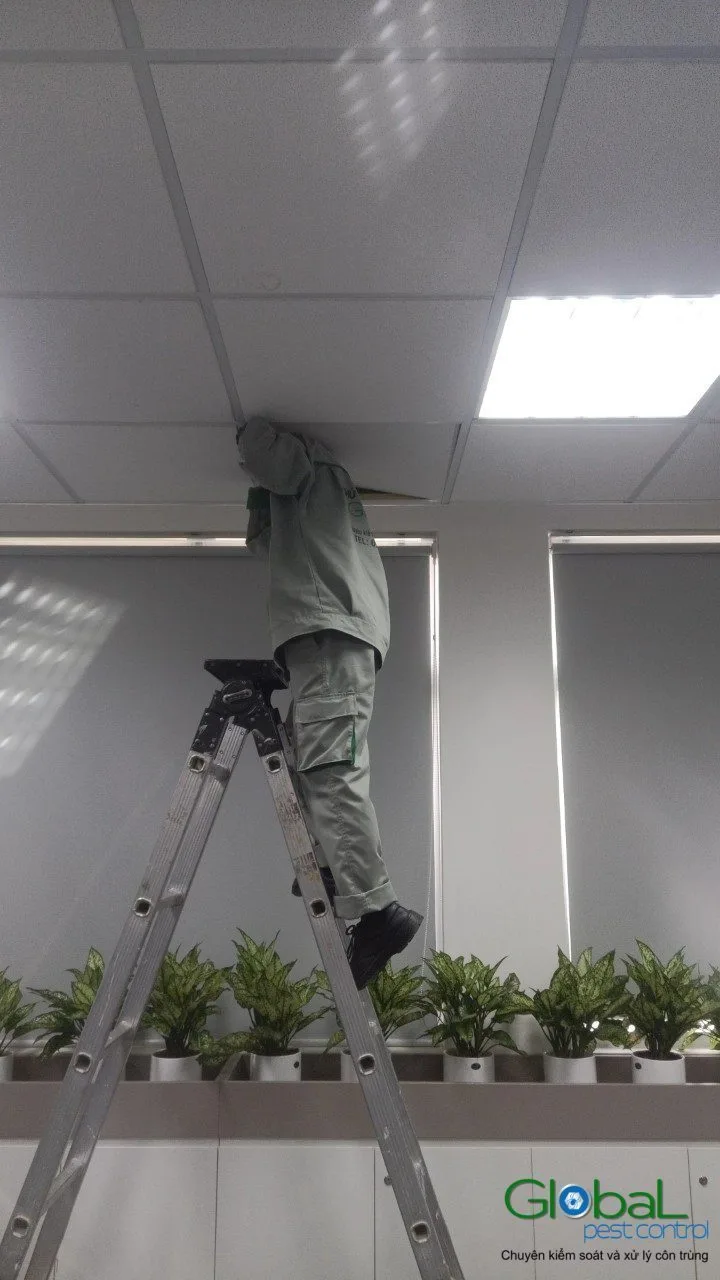
In Ho Chi Minh City buildings both occur, and the practical consequence is where you look. Noise in a ceiling void points to a climbing species; burrows against an external wall point to the other. Placing everything at ground level in a building with a roof rat population is a common and avoidable mistake.
Why the identification changes the timeline
A mouse job in a defined area can show clear results within one to two weeks. A rat job frequently shows nothing for the first week because of neophobia, then moves quickly. A customer who expects the second timeline from the first situation concludes the treatment has failed at exactly the point it is about to work.
Related reading
See our rodent guide, reading droppings and gnaw marks and runs. For where they travel, ceiling voids and service risers. Seasonal pressure is covered in January rodent pressure. Our parent company runs the Vietnamese-language rodent control programme.
Global Pest Control is the English-language arm of Khử Trùng Toàn Cầu, based in Thu Duc City.
Common questions
We have seen nothing for a week after the stations went in. Is it working?
For rats, that is expected and normal — neophobia means several days of avoidance before an established animal will enter a new object. For mice it would be unusual and would suggest the stations are in the wrong places or too far apart. This is exactly why the identification matters before the devices go in.
Can we have both at once?
It happens, particularly in large commercial sites, and where it does the mice are often overlooked because the rat evidence is more obvious. The tell is the dropping size distribution — two clearly different sizes in the same building. Both need their own device spacing, which usually means adding internal points rather than moving existing ones.
Is a cat a realistic control measure?
For a small number of mice in a domestic setting, sometimes. For rats, generally not, and adult Norway rats are large enough that most domestic cats will not engage them. A cat also complicates the use of toxicants and traps considerably, so it is worth telling any technician that there is one before anything is placed.