Carpenter Ants and Wood, Not Termites
Somebody finds a small pile of what looks like sawdust beneath a wooden beam, a door frame or a piece of furniture, and reasonably concludes termites.
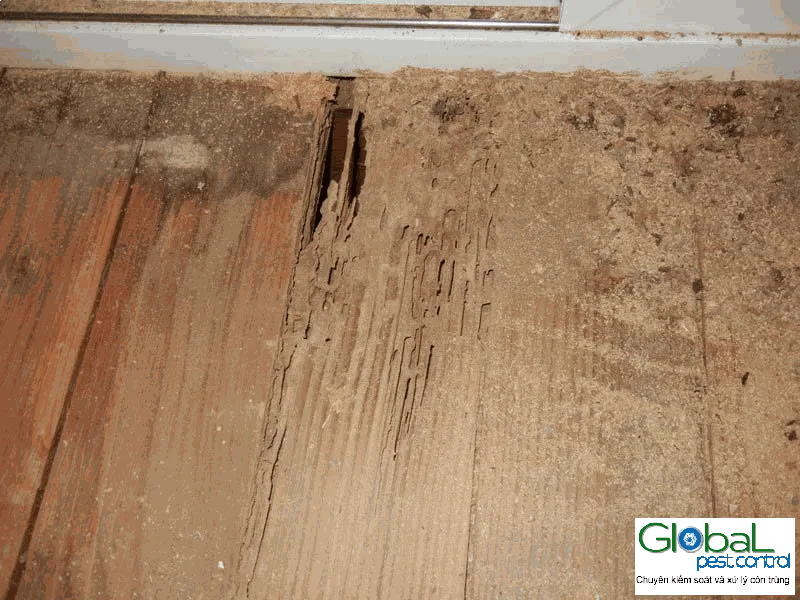
Sawdust actually points the other way. Termites consume the wood they excavate and leave galleries packed with soil and faecal material; several other insects excavate wood and eject the debris, and the pile on the floor is the signature of the second group rather than the first.
What carpenter ants do
They do not eat wood. They excavate galleries in it to nest, preferring wood that is already softened by moisture, and they push the shavings out through small openings. The result is a clean, smooth-walled gallery and a pile of coarse debris below.
That debris is a useful diagnostic in itself. It is fibrous and coarse, often mixed with insect body parts, and it looks like something that was thrown away rather than something that was digested.
The four differences that settle it
- Debris. Coarse fibrous shavings below an opening means an excavator. Fine powder or no debris at all suggests termites or a wood-boring beetle.
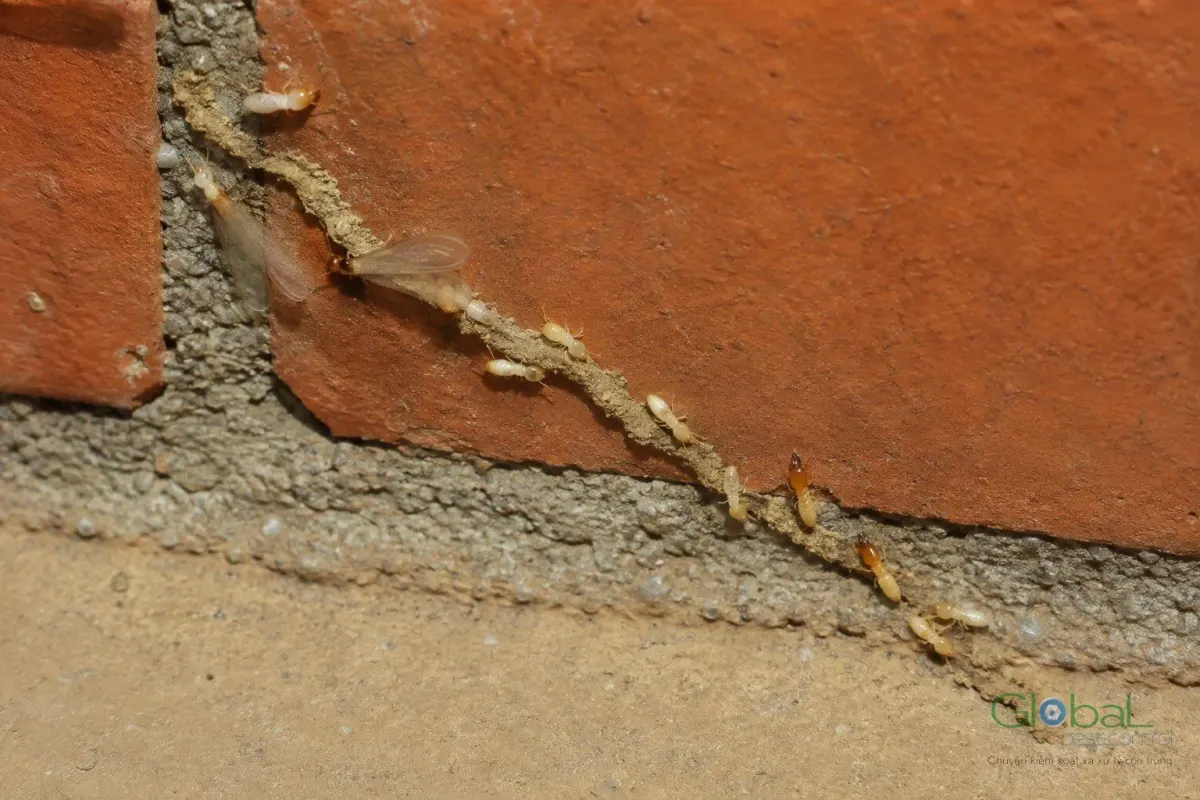
- Gallery walls. Carpenter ant galleries are smooth and clean. Termite galleries contain soil, mud and faecal packing.
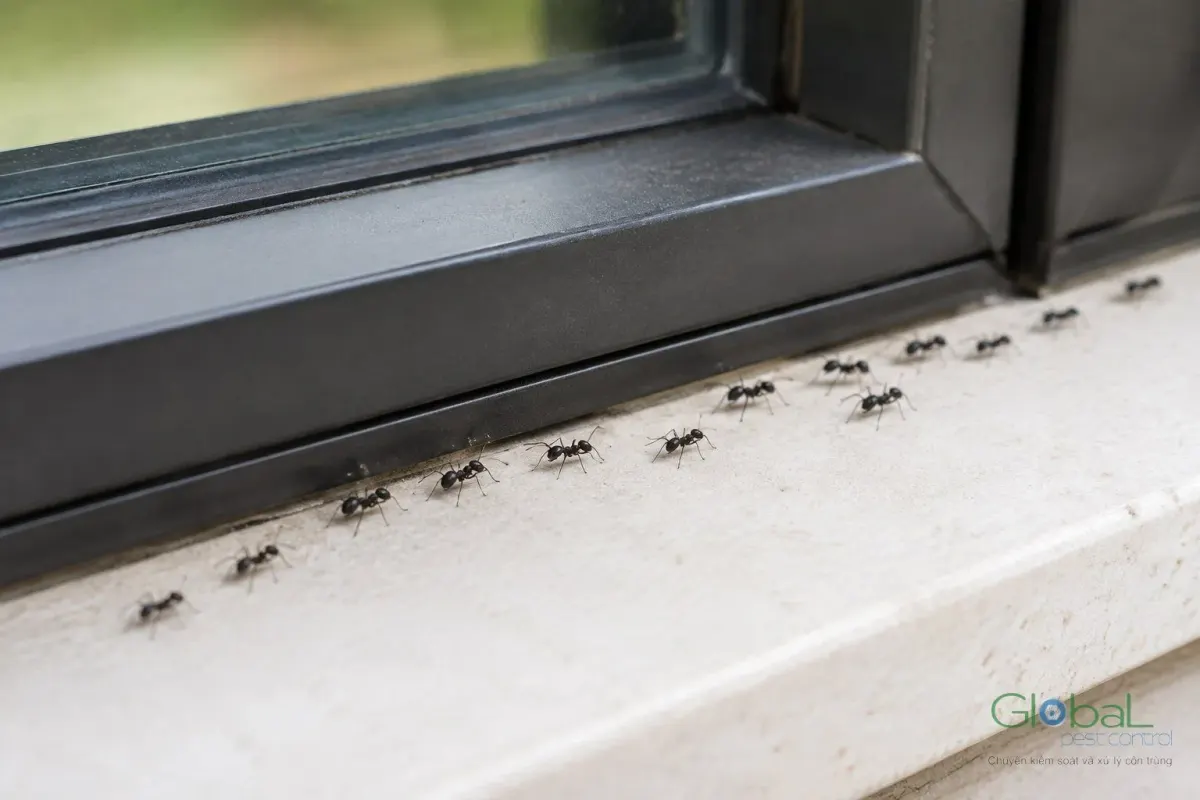
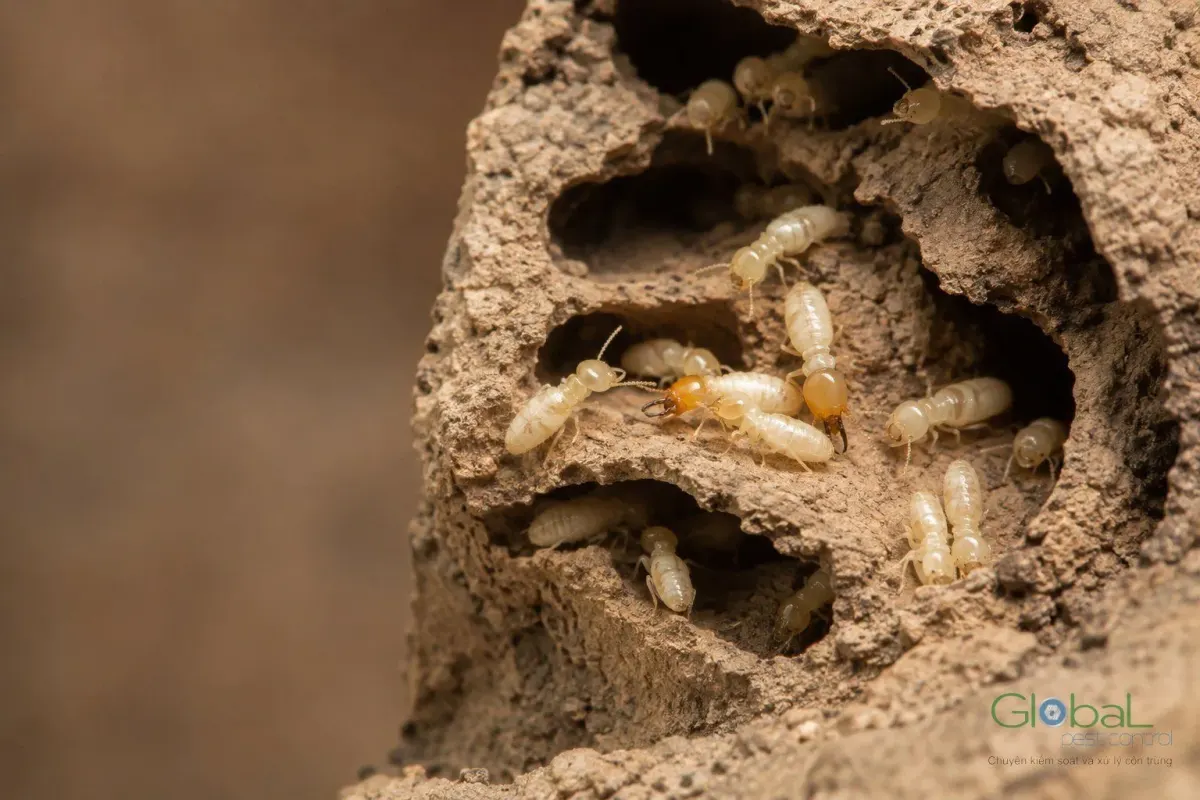
- The insect. Ants have a narrow waist, elbowed antennae and unequal wings. Termites have a broad body, straight beaded antennae and four equal wings.
- Location. Both favour damp wood, but termite galleries usually connect to soil somewhere, and carpenter ant nests frequently do not.
Why it matters practically
The treatments are entirely different. Termite work involves soil barriers, non-repellent termiticides and colony baiting systems, and it is priced accordingly. Carpenter ant work is ant baiting plus resolving the moisture source that softened the wood in the first place.
Being told you have termites when you have ants is an expensive misdiagnosis. Being told you have ants when you have termites is a much more expensive one, which is why it is worth getting a proper identification rather than a guess.
The moisture point is the real finding
Carpenter ants excavate wood that is already damp and softened, so their presence is a reliable indicator of a moisture problem — a roof leak, a plumbing leak inside a wall, a window frame that has been letting water in, or timber in contact with soil.
Treating the ants and leaving the leak produces a return within a year, sometimes in the same beam. This is one of those cases where the pest is the symptom and the useful outcome of the visit is a plumbing referral.
The other wood insects here
Powderpost beetles and other wood-boring beetles leave small round exit holes, typically one to two millimetres across, with a very fine flour-like powder beneath. That powder is quite different from carpenter ant debris — it runs through your fingers.
Bamboo borers are common in Vietnam in bamboo and rattan furniture and behave similarly. In imported hardwood furniture, an exit hole appearing months after purchase usually means the insect was in the timber when it arrived rather than that your home has a problem.
What to photograph
The debris pile, close up and with something for scale. The opening it came from. The surrounding wood, showing whether it is stained or soft. And the insect, if you can catch one.
Those four pictures usually allow an identification without a visit, which is worth knowing before you book anything for a piece of furniture.
Furniture versus structure
A single item of furniture with boring holes can often be treated in isolation, or replaced, and it does not necessarily indicate anything about the building. Structural timber — a beam, a door frame, a roof member, a staircase — is a different matter and warrants a proper inspection, because whatever is in it arrived by a route that other timber shares.
Related reading
See subterranean and drywood termites and mud tubes. For ants, our ant guide and reading an ant trail. For second-hand items, buying second-hand furniture safely. Our parent company covers termites in Vietnamese at its termite programme for homes.
Global Pest Control is the English-language arm of Khử Trùng Toàn Cầu, based in Thu Duc City.
Common questions
Are carpenter ants common in Vietnam?
Less prominent than in North America, where they are a major structural pest, but present and regularly found in damp timber here. What is more common in this market is misattribution in the other direction — genuine termite damage described as ants because someone saw ants on the wood, when the ants were simply foraging on a surface that termites had already opened.
Can I treat wood-boring beetles myself?
For a single item of furniture, a treatment fluid applied thoroughly can work, and freezing or heat treatment works for small items. For structural timber it is a professional job, partly because coverage has to be complete and partly because the same conditions that allowed one beam to be attacked usually apply to others.
The holes are old. Is the insect still there?
Old holes without fresh debris usually indicate a past infestation, and fresh powder or shavings appearing on a clean surface within a week indicates a current one. The simple test is to clean the area completely, mark the date, and look again in a fortnight. That is more reliable than judging by the appearance of the holes.