Sealing Gaps or Applying More Product
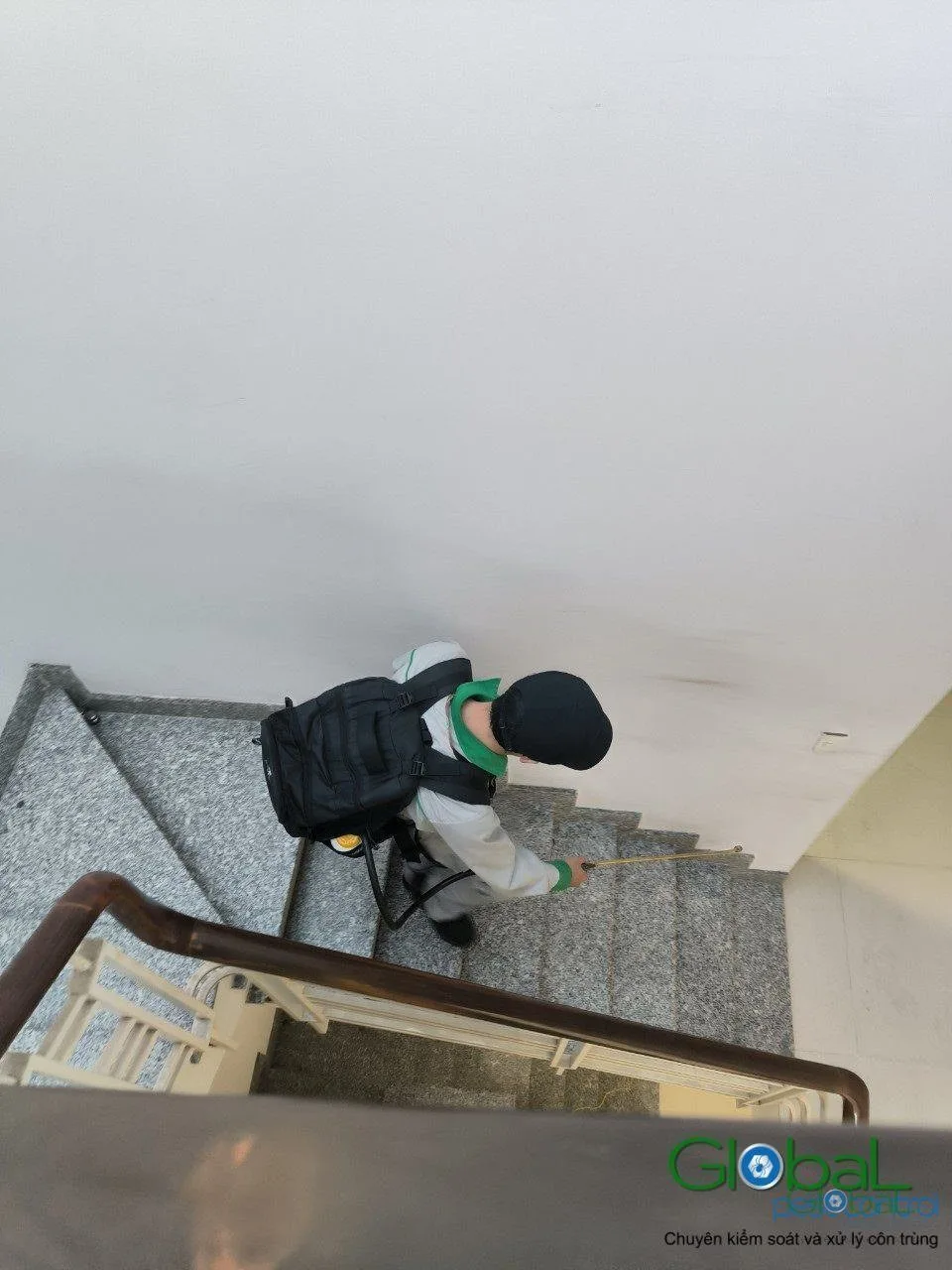
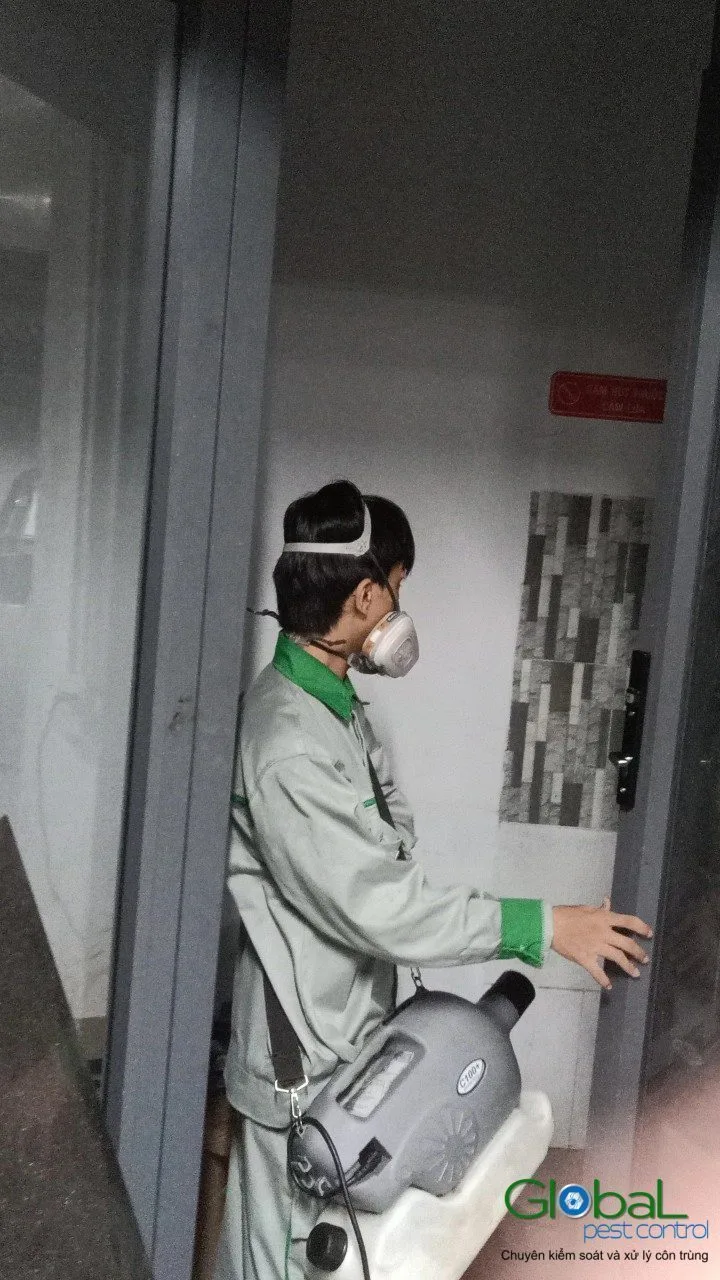
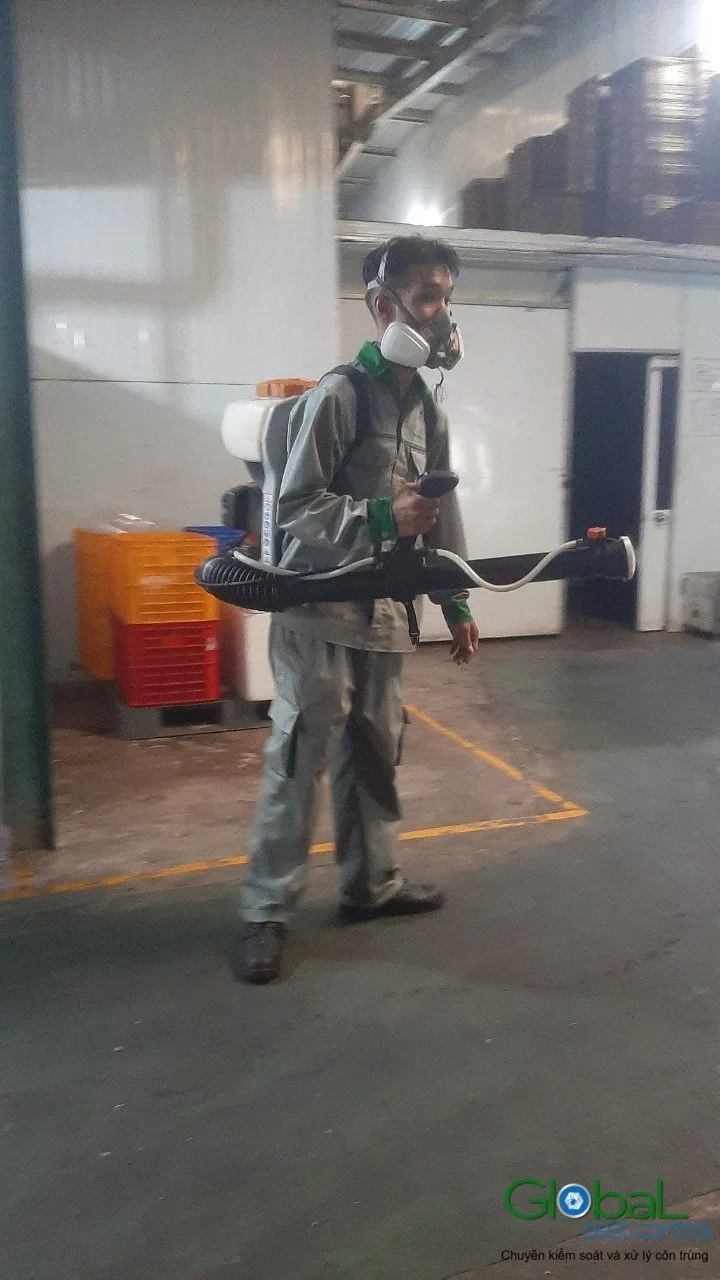
Every pest programme is a mix of two things: reducing what is inside, and reducing what can get in. Almost every programme sold in this market is weighted heavily toward the first.
There is a commercial reason for that, and it is worth naming plainly, because it affects what you will be offered.
The economics
A treatment is a recurring service with predictable revenue. A sealed pipe penetration is a one-off cost that reduces the need for the recurring service. From a contractor\x27s point of view those two things are not equivalent, whatever their technical merits.
That is not an accusation of bad faith — most technicians recommend proofing routinely — but it explains why the proofing line is the one most often absent from a proposal and most often cut when a budget is tightened.
What each is actually for
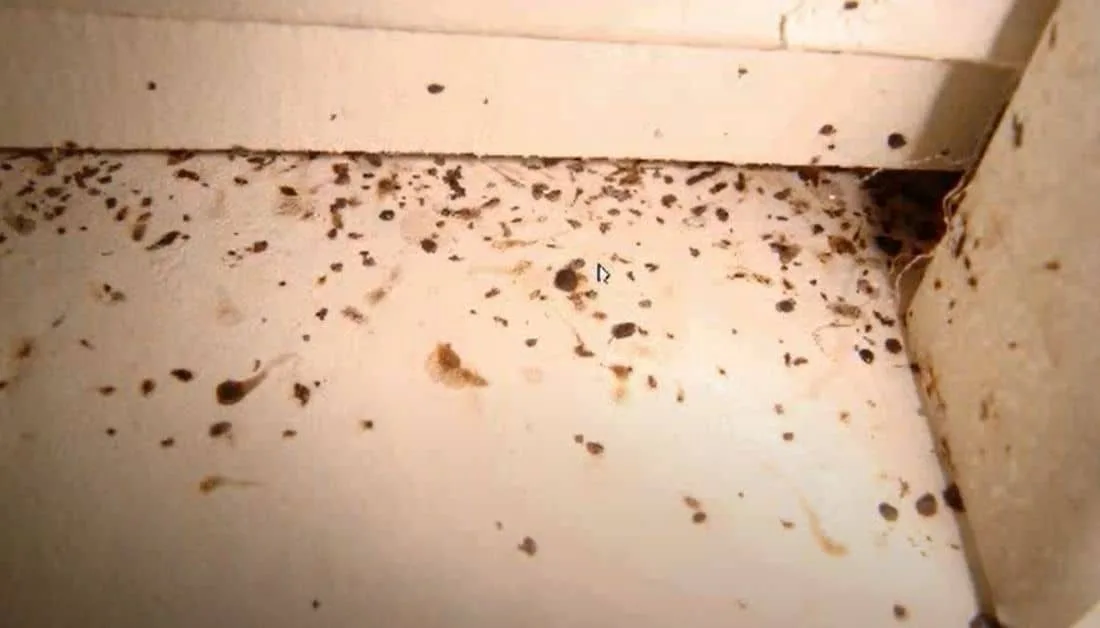
Treatment addresses the population that is already present, and it is the only thing that does. No amount of sealing removes an established German cockroach population from a kitchen.
Sealing addresses the rate at which new individuals arrive, and it is the only thing that does that permanently. No amount of treatment stops a rodent using a 15 mm gap under a door.
The sequence that matters
Inspect, treat, then seal. Sealing a harbourage while a population is inside it does not remove the population; it removes the route you were watching and pushes the foraging elsewhere.
The exception is an entry from outside the property — a door gap, a drain outlet, an external penetration — which can be sealed immediately because nothing is being trapped in.
Where sealing wins outright
Rodents, almost entirely. A building that is properly proofed at ground level, at riser penetrations and at door thresholds needs very little else, and a building that is not will need bait indefinitely.
Mosquitoes, where a screen does more than any product. Drain-associated cockroaches, where a one-way insert costs almost nothing and removes the route permanently. And anything entering from an adjacent property, where the boundary is the only line you control.
Where product wins
An established population inside the property. Anything living in a void that cannot be sealed without first being treated. Species that arrive with people rather than through the fabric — bed bugs, most German cockroach introductions, fleas from a pet.
And situations where the structure genuinely cannot be closed, such as a dense alley or an older building full of voids nobody has a drawing for.
The five items with the best return
A brush strip on any external door with a visible undercut. Sealing the waste pipe penetration under the kitchen sink. A one-way insert in every floor drain. Mesh on the air-conditioner condensate outlet and on water tank vents. An intact screen on any window that is opened.
Together those cost very little, take an afternoon, and remove more routes than most annual programmes remove population.
Materials matter as much as intent. Silicone alone is right for a wet junction and wrong for a rodent, because it is soft enough to be worked at. Expanding foam by itself is worse, since it is both soft and degrades in sunlight. The combination that lasts is a hard backing — stainless wool, metal mesh or mortar — with a sealant finish, and the test is simply whether an animal could start at an edge.
How to ask for it
Ask for the proofing recommendations as a separate written list with each item priced or described, rather than as a sentence at the end of a report. A list can be worked through, budgeted and closed off; a sentence gets read once.
And ask what the programme would look like in two years if every item on the list were completed. A contractor who answers "smaller" is thinking about the building; one who answers "the same" has told you what the programme is for.
Related reading
See physical proofing and hidden gaps. On methods, baiting versus killing. For failures, why pests come back. Our parent company includes proofing in its Vietnamese-language rodent control programme.
Global Pest Control is the English-language arm of Khử Trùng Toàn Cầu, based in Thu Duc City.
Common questions
Do pest control companies do the sealing work?
Many do the small items — brush strips, sealant around penetrations, mesh — as part of a visit or for a modest additional charge. Structural work, fire-stopping in a riser and anything requiring a builder is usually referred, and it should be, because doing it badly is worse than not doing it. Ask which items a company will do and which it will only recommend.
Our landlord will not pay for sealing. What then?
Most of the domestic items are inexpensive enough to do yourself and they benefit you for the whole tenancy, which is usually the practical answer. It is also worth presenting the list as maintenance defects with photographs rather than as pest recommendations, because a defect has an owner and a budget line in a way a recommendation does not.
If we seal everything, can we stop the contract?
Reduce it, usually, rather than stop it. Sealing addresses entry and does not address anything arriving with people or goods, and it does not remove the need for somebody to look periodically. A property that has completed a proofing programme typically moves to a lighter, monitoring-led arrangement, which is the correct outcome.