Delivery Platform Inspections: What They Look For
Food delivery platforms in Vietnam now inspect the kitchens on their networks, and for many small operators that inspection is stricter than anything else they face. The good news is that it is narrow and predictable: the same handful of things, every time.
None of it is difficult. Almost all of it is documentation and a small number of physical fixes.
What an inspector actually opens
- The bin area. Lids, floor condition, distance from the food prep area, and whether the door closes.
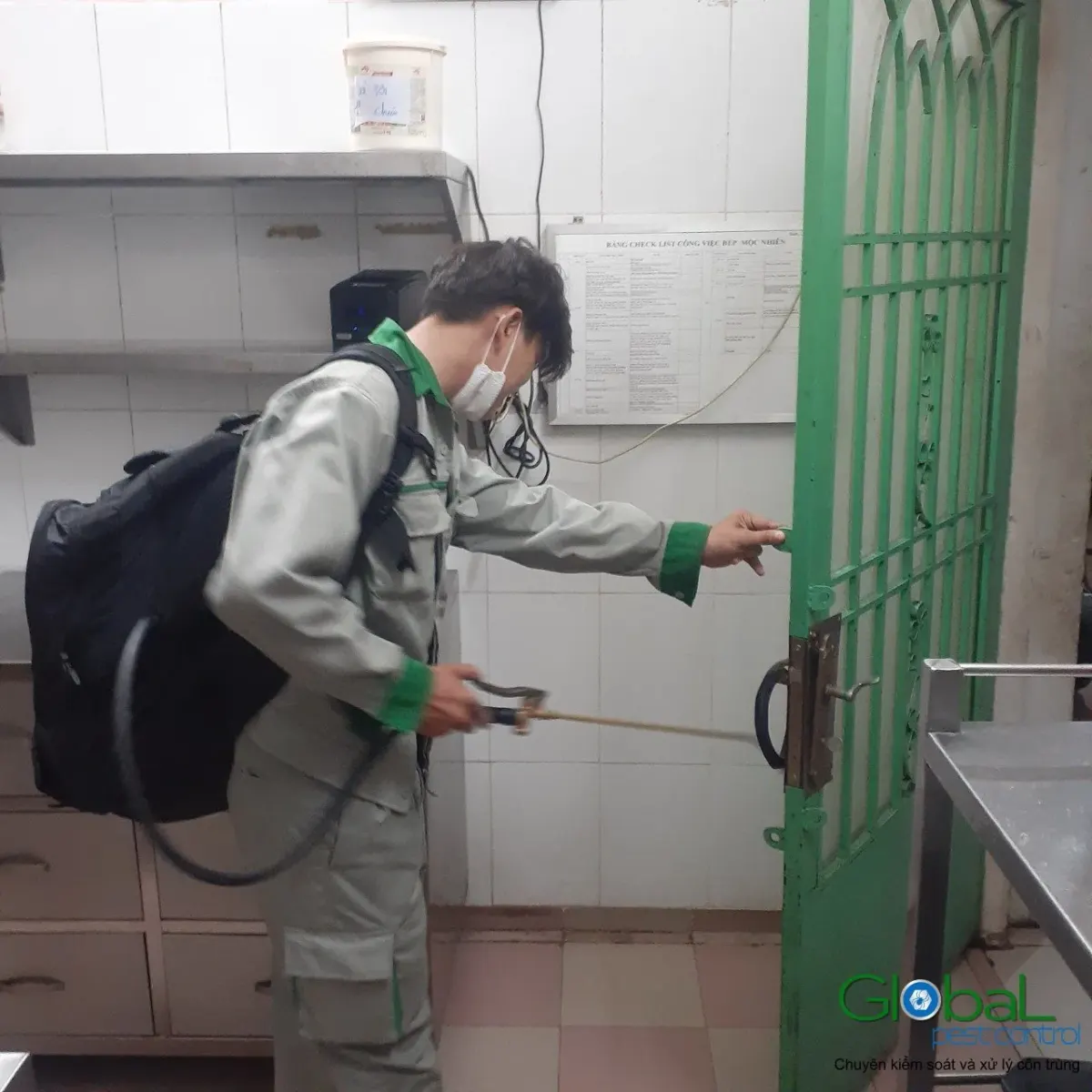
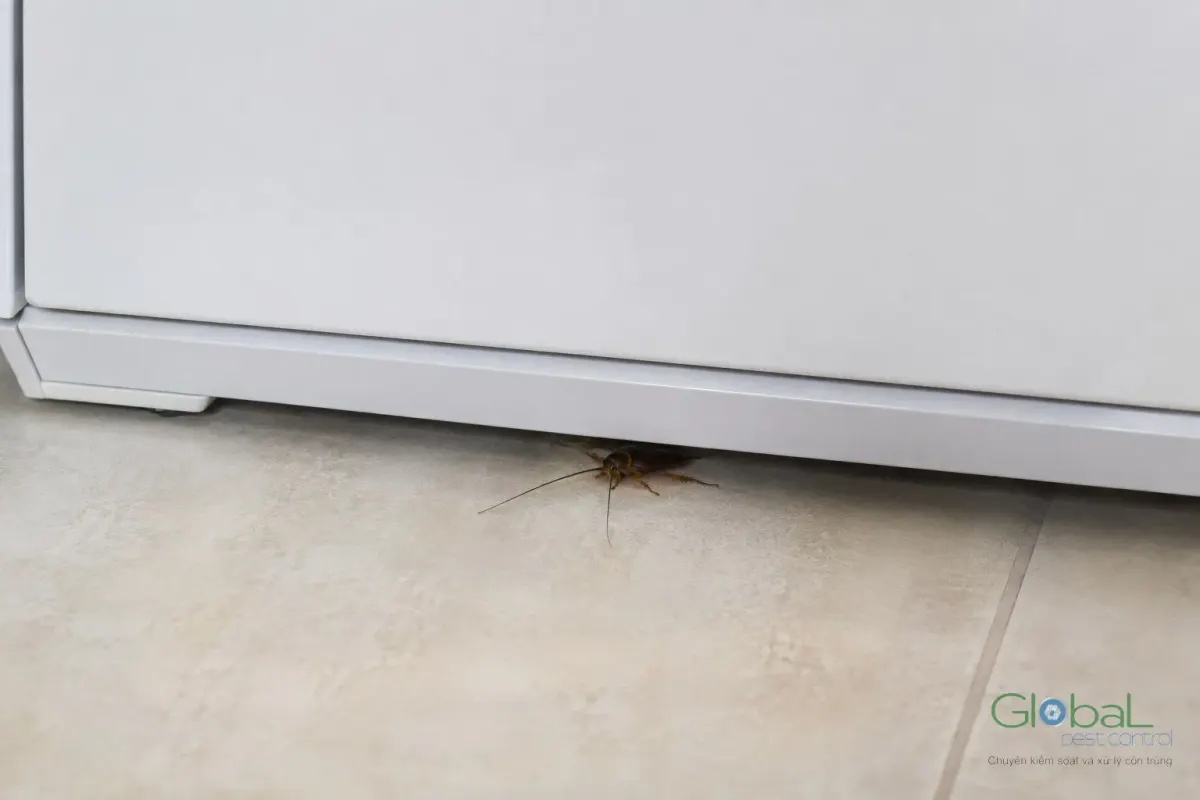
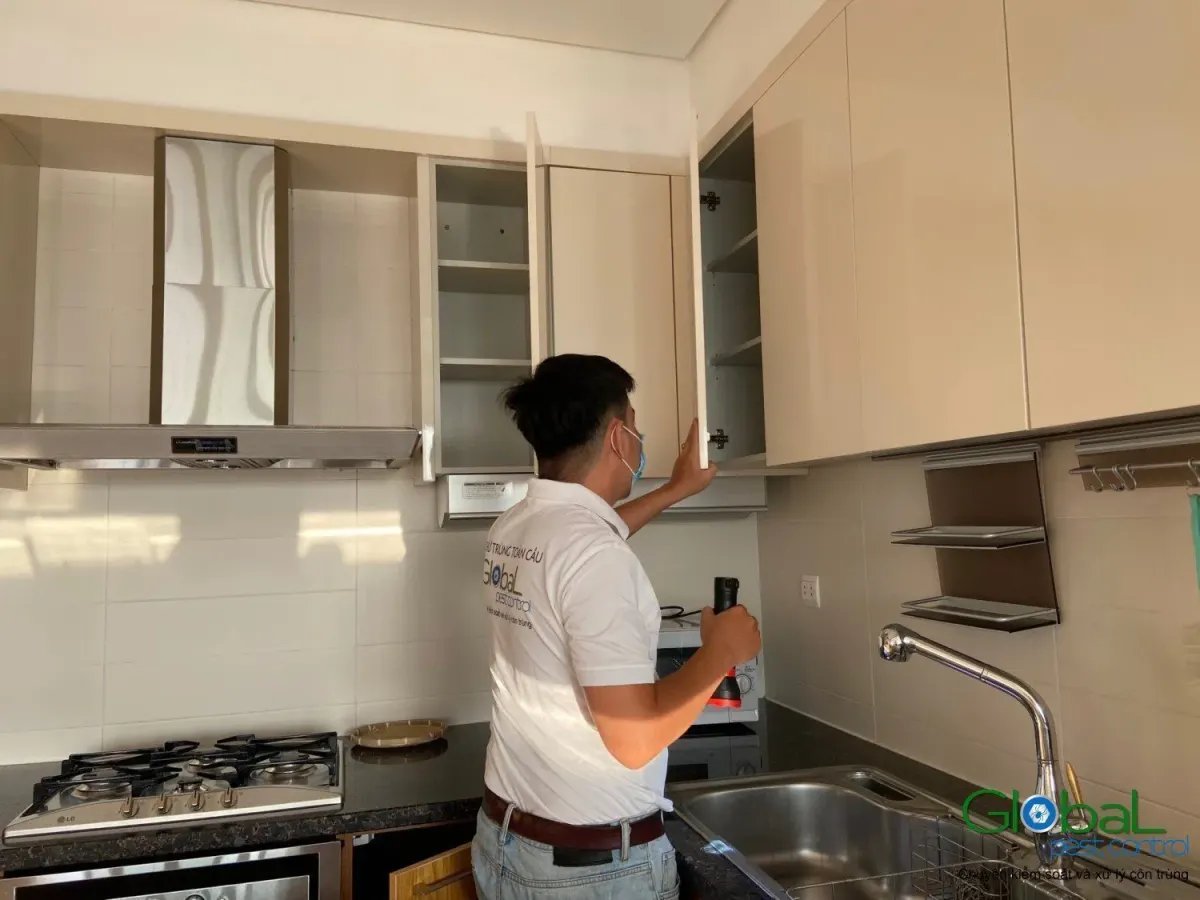
- Under and behind equipment. Not the surfaces — the gaps. A torch goes under the hot line and behind the fridge.
- Floor gullies. Lifted, looked at, and checked for a water seal.
- Dry storage. Whether product is off the floor, sealed, and rotated.
- The delivery and staff doors. Gaps under and around them.
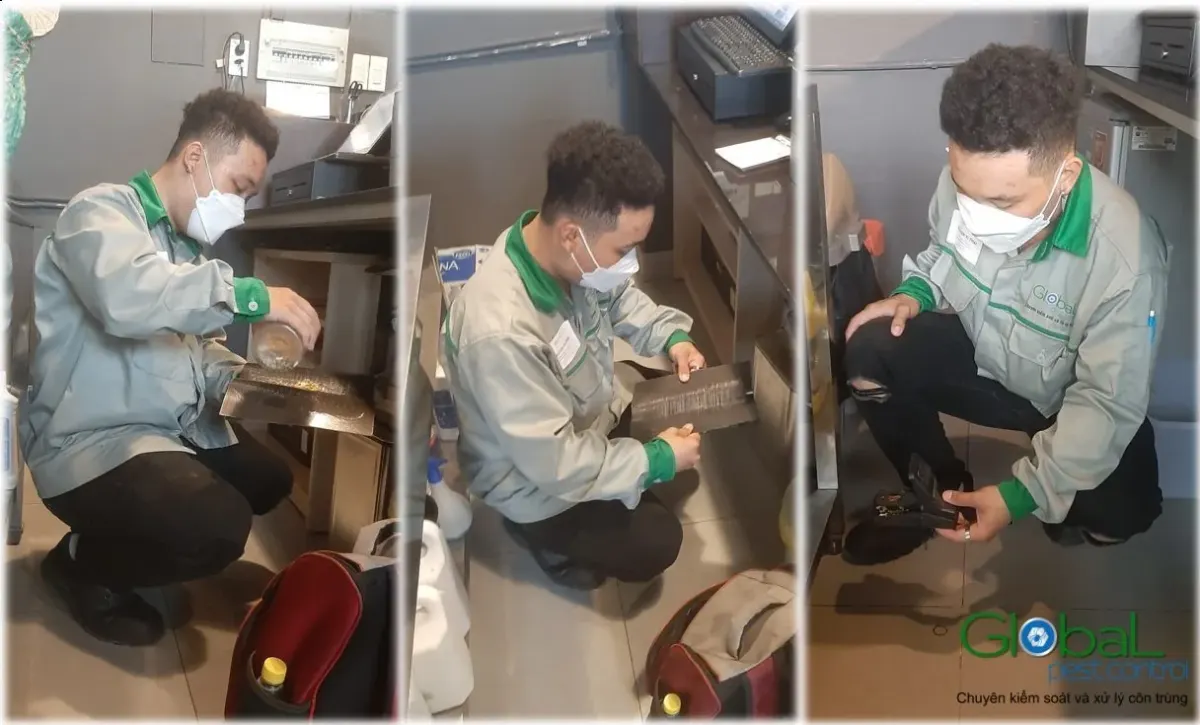
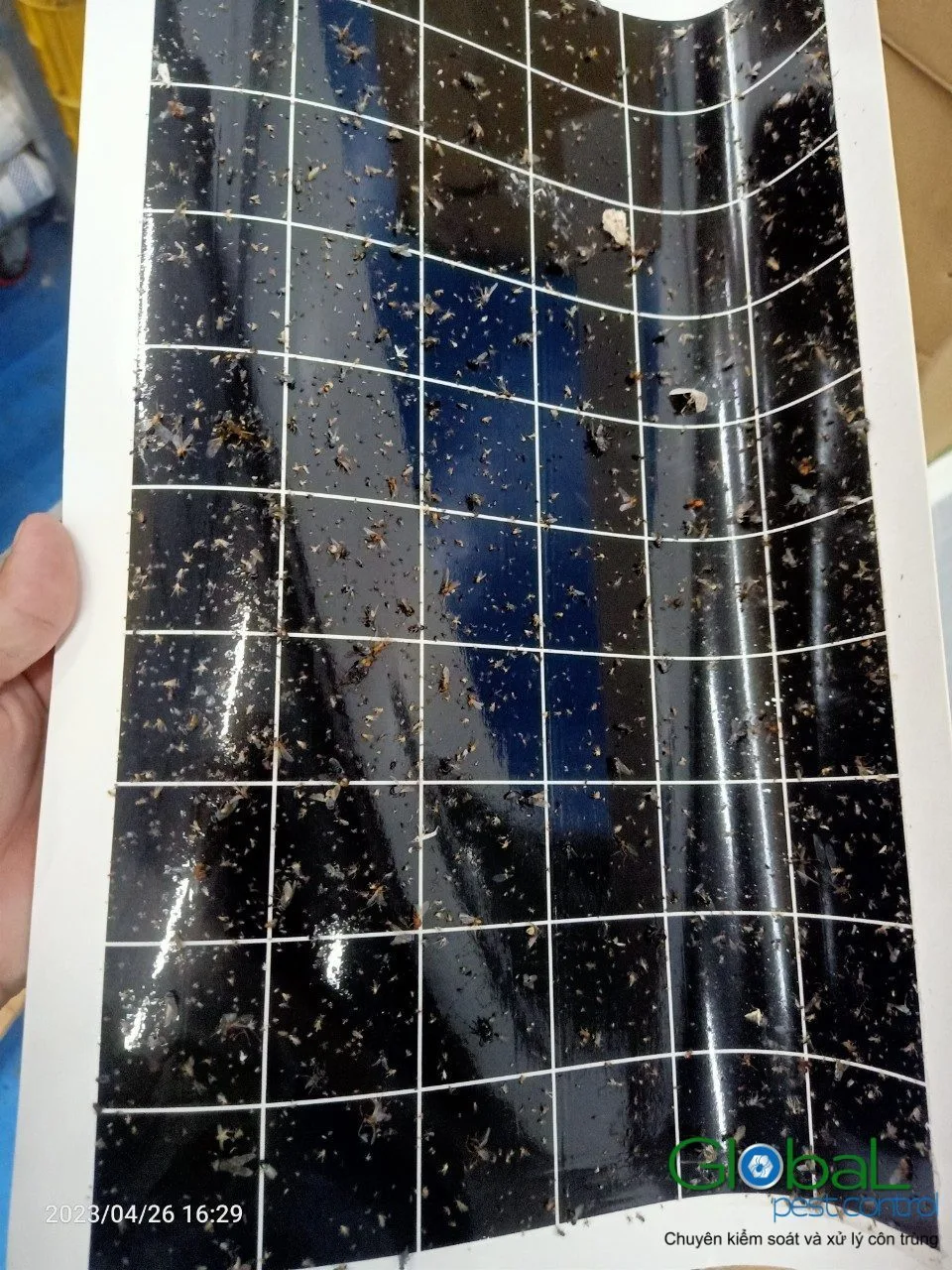
- Insect monitors and bait stations. Present, numbered, and recently read.
The documents they ask for
Four items cover almost every request: a current pest control service agreement, the most recent service reports, product registration documents for what is applied on site, and a site plan showing device positions. Some platforms also ask for the technician's certification and the company's business licence.
Keep these as a single PDF that lives on the manager's phone. The failure we see most often is not that a kitchen lacks the documents — it is that they are in an email thread somebody cannot find while an inspector is standing in the room.
The three findings that come up most
First, a gap under the delivery door. It is visible from outside in daylight and it takes a brush strip to fix. Second, cardboard stored on the floor, usually in the corner of the dry store — it is both a harbourage and a visible sign of poor stock control. Third, a floor gully with a dry trap or a missing basket, which an inspector will interpret as a maintenance failure even though it is usually just an unused drain.
All three are cheap. All three are also the ones a kitchen can fix the same afternoon it is told.
Cloud kitchens are inspected differently
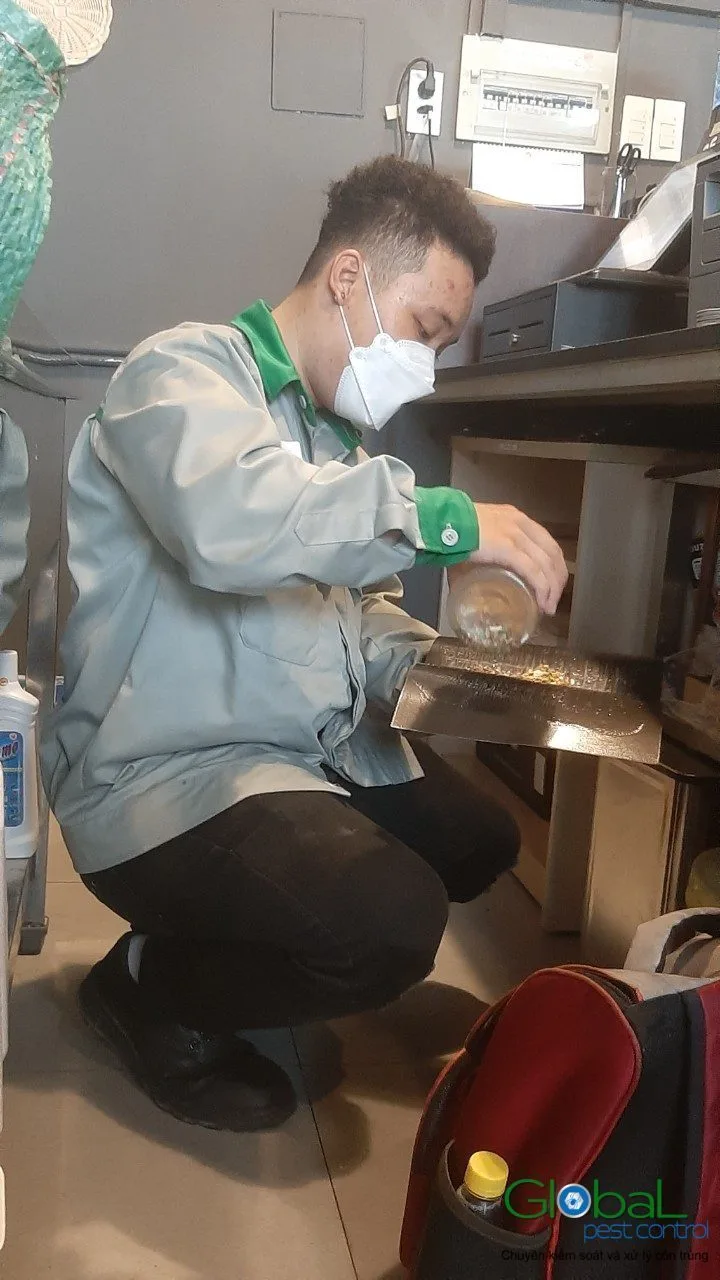
A shared or cloud kitchen has one thing an independent unit does not: neighbours inside the same envelope. Inspectors know this and look at the shared corridors, the shared bin area and the shared extract. If your unit is clean and the site is not, you can still be marked down, and the remedy is a conversation with the operator rather than more treatment inside your own bay. Our café and bakery programme and the restaurant programme both cover shared-envelope work.
Being ready without spending more
Preparation costs almost nothing if it is continuous. Keep the monitor log current rather than filling it in the night before. Photograph the bin store and the dry store weekly — it takes a minute and it produces a record of consistency. Put one person in charge of the folder. And ask your pest contractor for reports that a non-specialist can read, because an inspector reading a report full of unexplained abbreviations will ask more questions, not fewer. See what a food safety audit file should contain and pest control for businesses in Vietnam.
Global Pest Control is the English-language arm of Khử Trùng Toàn Cầu. Reports come in English, and we deal with the platform's Vietnamese-language requirements on your behalf. Vietnamese-language services are at khutrungtoancau.vn.
Why an inspector looks under things rather than at them
A kitchen can be spotless at eye level and still fail, and operators find this unfair until they see the logic. Surfaces get wiped every service; voids do not. An inspector with a torch is not testing whether your team cleans — they are testing whether the design allows cleaning at all. A sealed plinth with a 40 mm gap, a fridge that has not moved in two years, a boxed-in pipe run with no access panel: none of those can be cleaned by any team, however diligent.
That reframing is useful, because it points the money at the right thing. Most repeat findings are fixed by a joiner, not by more cleaning hours.
What to do the week before you join a platform
- Assemble the four documents into one PDF and put it on the manager's phone.
- Walk the kitchen with a torch and look only at gaps, not surfaces.
- Lift every floor gully, clean the basket, and pour water down the ones that are dry.
- Clear all cardboard off the floor in the dry store and keep it off.
- Ask your pest contractor for a current-dated service report, even if the last visit was recent.
Related reading
For the underlying programme, see the restaurant programme. For the full documentation set, see the food safety audit file and HACCP pest control records. For choosing a contractor whose reports read well to an inspector, see how to choose a pest control company in Vietnam.
Common questions
How much notice do platforms give?
It varies and some inspections are unannounced. That is the argument for keeping the file current rather than preparing for a date — a folder that is always ready costs less effort than one assembled twice a year under pressure.
We failed on one point. How quickly can it be closed out?
Physical findings — a door gap, cardboard on the floor, a dry gully — are usually closed the same day, and a photograph with a date is normally accepted as evidence. Documentation findings depend on your contractor; ask them for the missing item in writing and forward it, rather than describing it.
Do we need monitors if we have never had a problem?
Yes, and that is exactly when they are most valuable. Monitors are how you demonstrate the absence of a problem. A site with no monitors cannot prove anything about its own condition, which is why inspectors treat their absence as a finding rather than as good news.