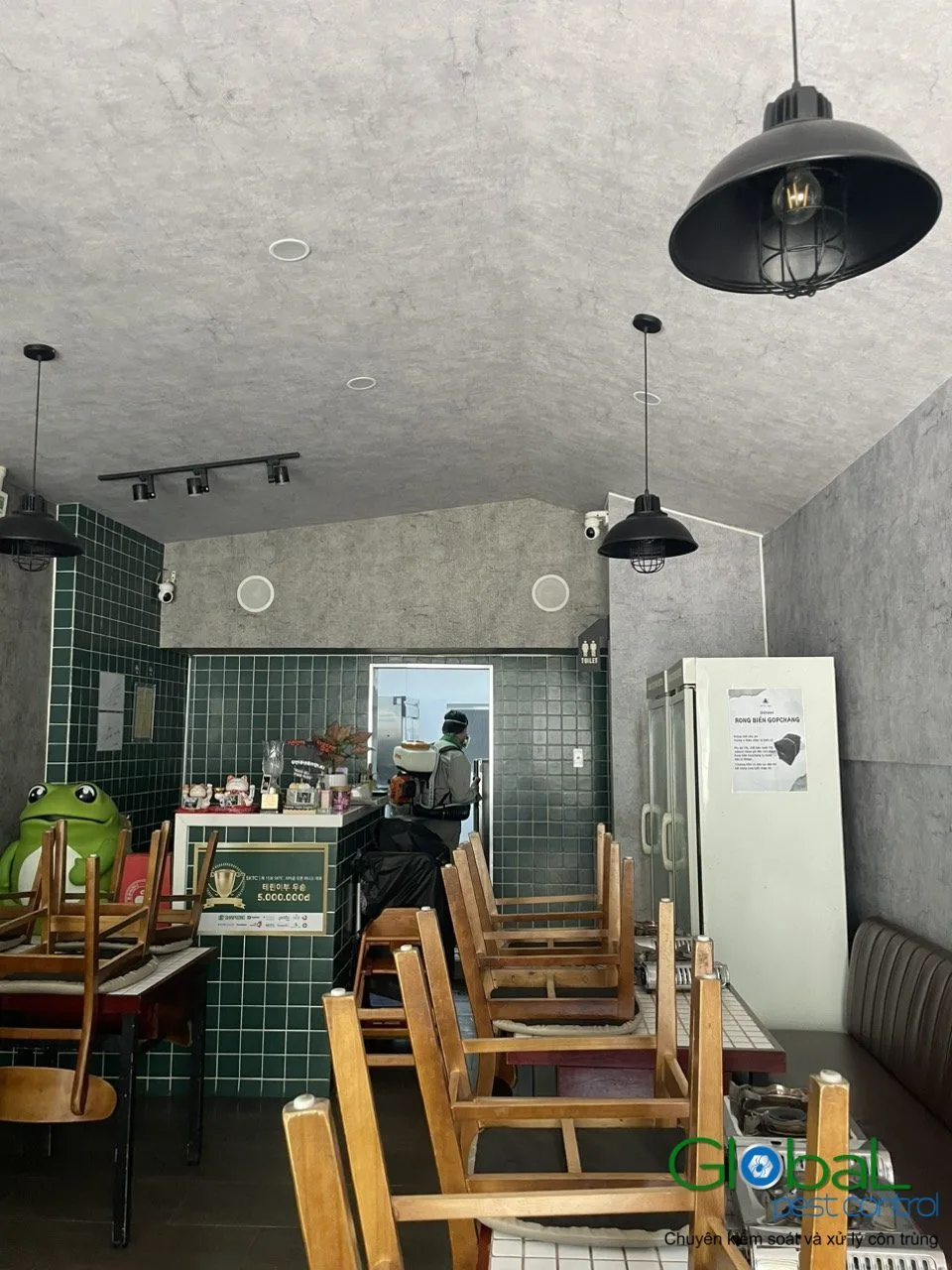
Gel Bait or Spray: Which Does Your Home Actually Need?
Spraying kills the insects it lands on. Baiting is carried back to the harbourage and reaches the ones you never see. For the two problems most homes actually have — German cockroaches and indoor ants — that difference decides whether the treatment works.
Why spraying makes a German cockroach problem worse
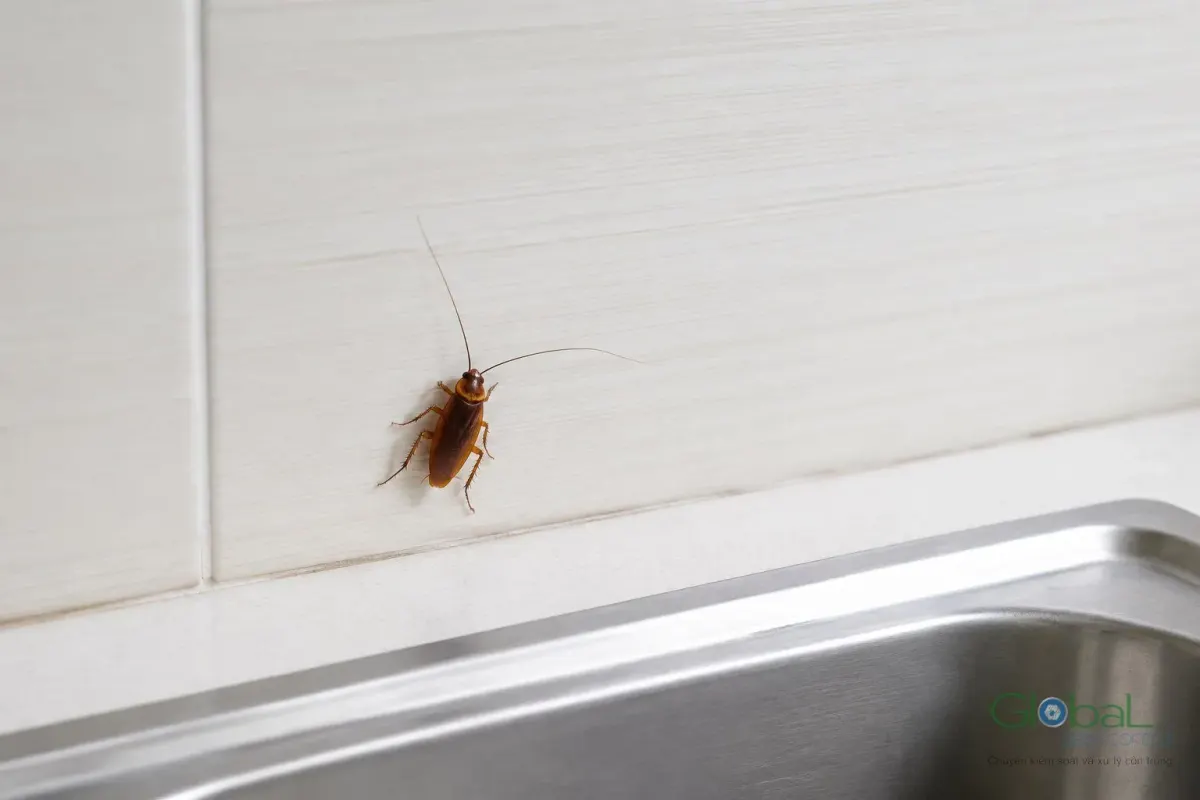
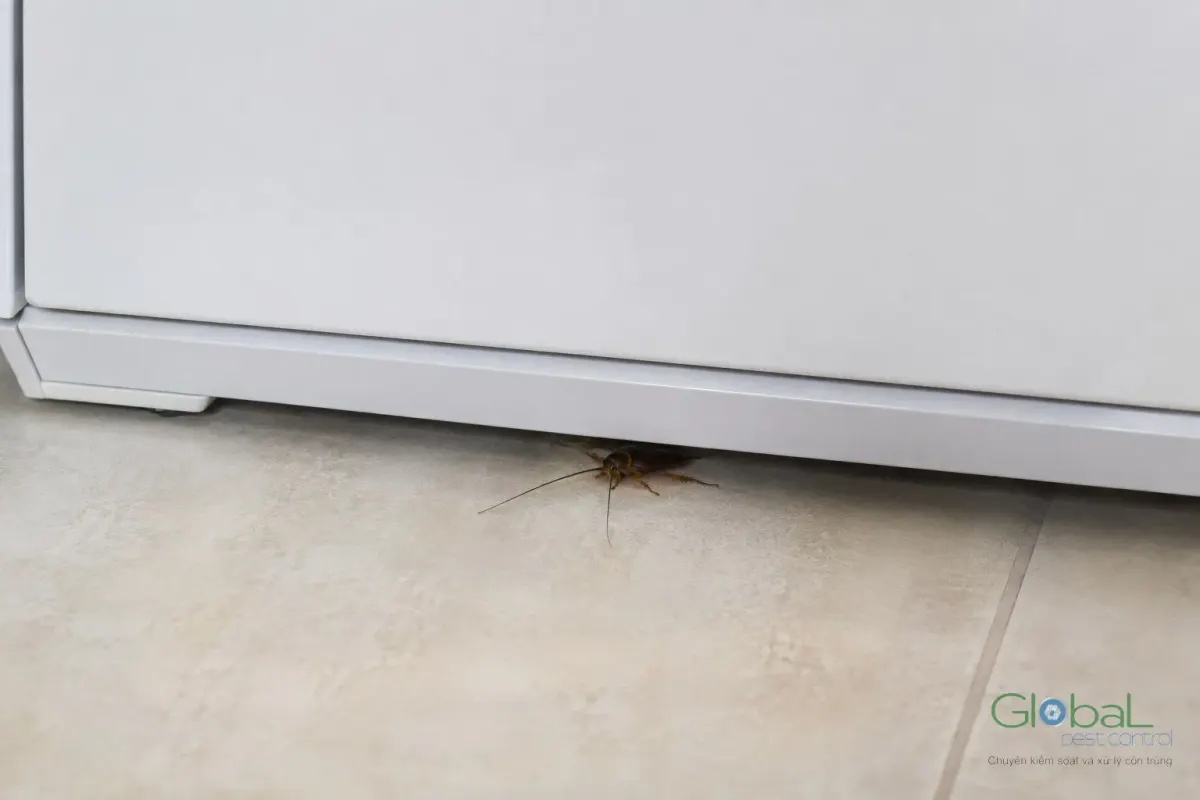
German cockroaches live in tight cracks close to food and water, in groups. A repellent spray applied to surfaces does two things: it kills the individuals in the open, and it makes the treated area unpleasant. The population responds by moving — deeper into voids, into adjacent rooms, into the next unit along the drainage line.
The visible result is encouraging for about a week. The actual result is a population that is now in more places and harder to reach.
How gel bait works
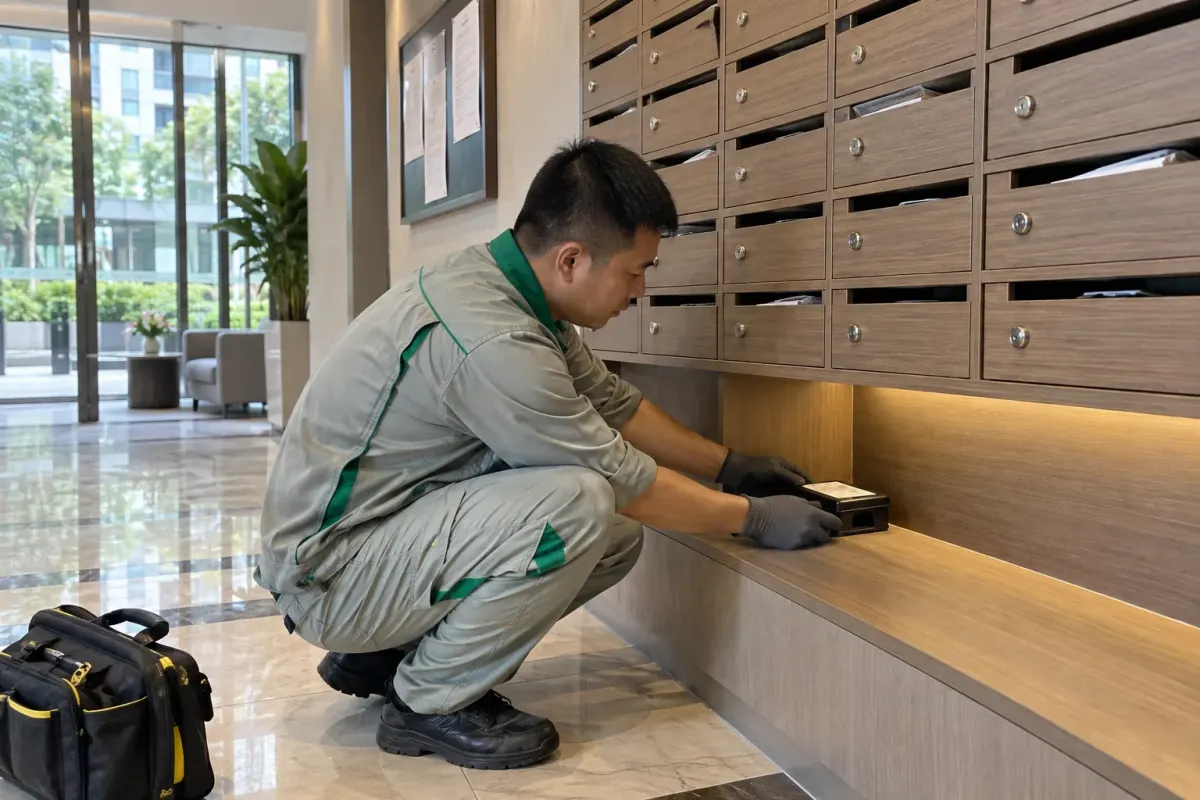
A small amount of gel is placed in the crack itself — hinge recesses, the void behind a kickboard, the motor housing of a refrigerator, the underside of a shelf. Cockroaches feed on it and return to the harbourage, where the effect passes through the group by contact and by feeding on droppings and dead insects.
It looks like almost nothing has been done. That is the point: there is no repellency, so the insects keep using the places where the bait is.
When spraying is the right tool
- American cockroaches entering from drains and voids, where a residual barrier on the route is useful
- Exterior perimeters and vegetation, to reduce what reaches the building
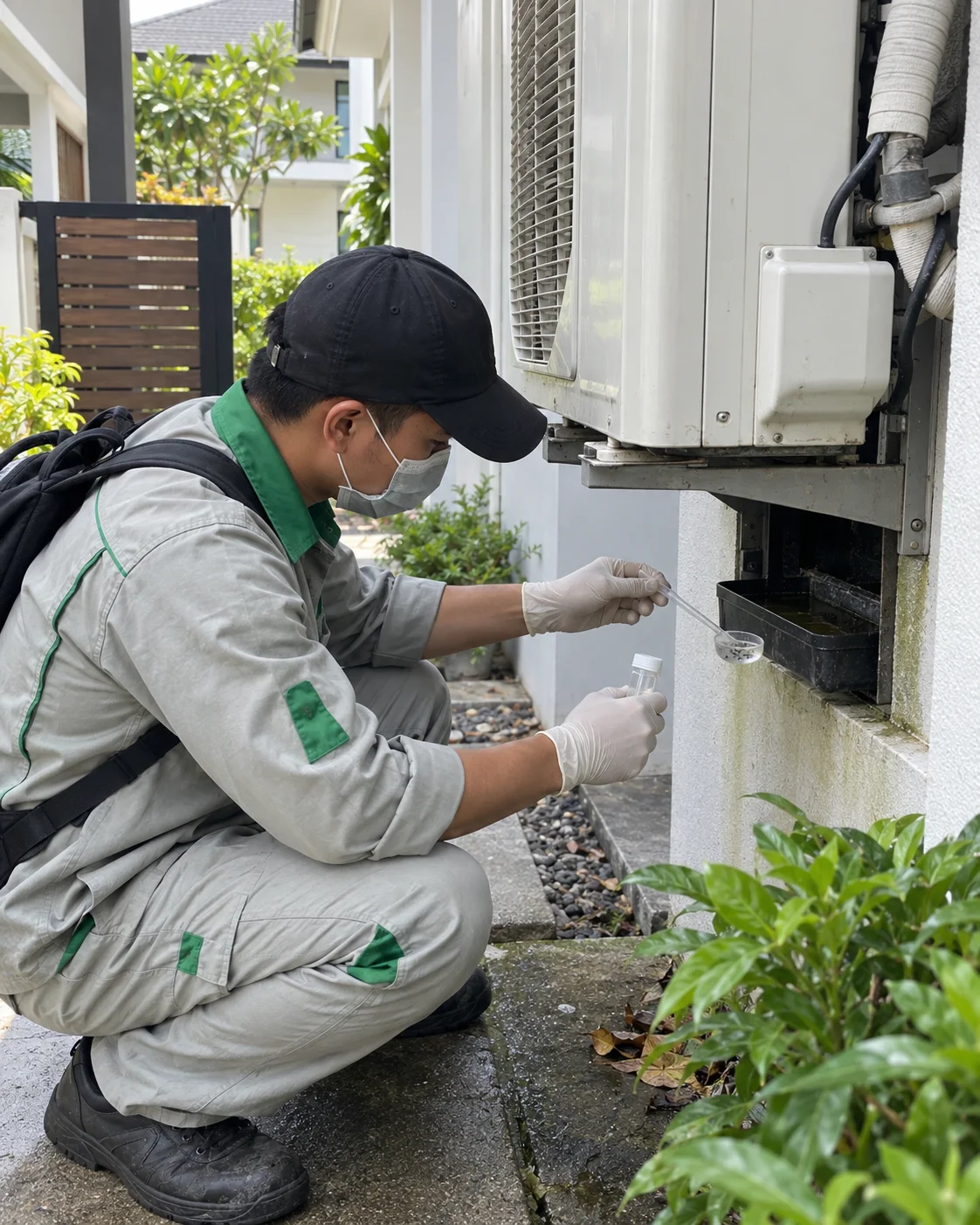
- Mosquito resting sites in shaded areas outdoors
- Flies in a commercial setting, alongside trapping and waste management
Note that all of those are routes and exteriors rather than the inside of a kitchen.
Ants: the same logic
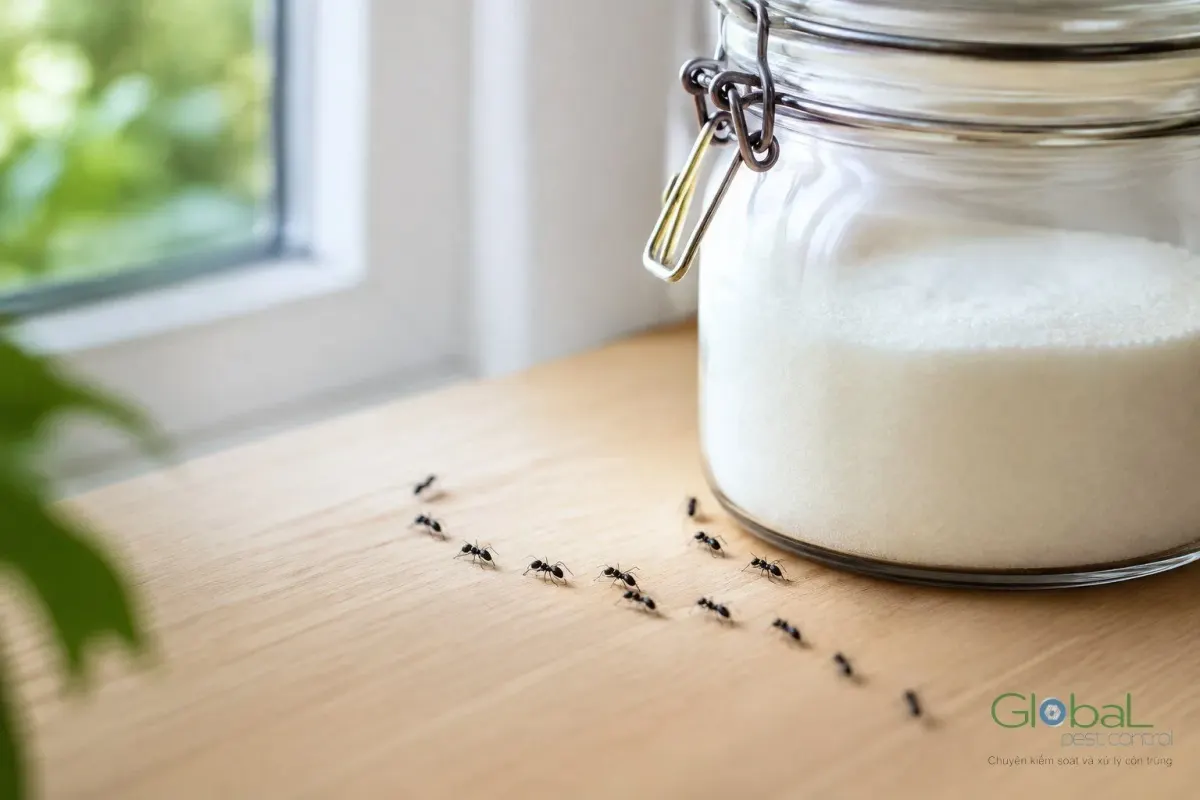
A visible trail is a supply line to a colony that may be in a wall cavity, a planter or under a floor. Killing the trail removes a few hundred workers from a colony that replaces them, which is why the trail reappears two days later somewhere slightly different.
Bait is taken back and fed to the brood and the queen. It is slower and it is the only approach that ends the colony. The most common mistake is spraying first and then baiting, because the residue makes the bait area repellent and the ants avoid it.
What this means when you are choosing a company
Ask what method they will use and why. An answer that names the species and explains the placement is a good sign. An answer that describes spraying the whole apartment as standard practice, whatever the problem, means the diagnosis is not being done.
It is also worth asking what they will tell you not to do — a technician who asks you not to clean the treated cracks for two weeks is protecting the bait, which means they expect it to do the work.
Why the two cannot simply be combined
It seems logical to spray first for immediate effect and then bait for the long term. In practice the residue makes the treated area repellent, and insects avoid the bait placed in it. The bait then sits untouched, and the population recovers once the spray degrades.
Where both are appropriate they are separated in space: bait indoors in the harbourage, residual treatment outdoors or on the entry routes. Not on the same surface.
What "non-repellent" means and why it matters
Some modern residual products are non-repellent: insects cannot detect them and walk through the treated zone, picking up the active ingredient and carrying it back. That combines the reach of a bait with the coverage of a spray, and it is the reason a technician may still choose a liquid indoors.
The distinction is worth asking about. "Is the product you are using repellent or non-repellent, and why did you choose it here?" is a question that separates a considered treatment from a routine one.
Where physical work beats both
- A door sweep on a gap under an external door
- Wire wool and sealant around a pipe penetration
- A proper grille on a floor gully
- Water poured weekly into an unused drain
- Removing cardboard storage from a kitchen
None of these is a chemical and all of them last longer than any treatment. A company that recommends them alongside the treatment is trying to finish the job rather than to schedule the next visit.
Why supermarket products often make it worse
Aerosol insecticides sold for household use are almost all repellent contact sprays. Used on a visible cockroach they work. Used repeatedly around a kitchen they push a population deeper into voids and into neighbouring rooms, and they contaminate the surfaces where bait would otherwise be placed.
The most common history behind a difficult treatment is six months of aerosol use before a company was called. It is not a wasted effort exactly, but it makes the professional job longer, and it is worth stopping as soon as you decide to call someone.
Global Pest Control is the English-language arm of Khử Trùng Toàn Cầu. The same technicians and the same programmes are described on the Vietnamese pages on these methods.
Book an inspection
Site inspections are free of charge and carry no obligation. A technician walks the property, identifies the species and the harbourage, and sends a written quotation with the method and the schedule — normally within one working day.
Request an inspection · See indicative prices · All services