What Not to Clean After a Treatment, and For How Long
A residual treatment works because product stays on a surface an insect walks across. It is not a gas and it is not a one-off event; it is a deposit with a working life of weeks.
Which means that a household or a cleaning team doing what they normally do — mopping the perimeter, wiping the skirting, cleaning behind the cabinets because the technician has just made everyone conscious of it — can remove most of it within forty-eight hours. This is by a wide margin the commonest reason a treatment underperforms.
The rule, in one line
Clean everything you normally clean, except the specific surfaces that were treated, for the period the technician states — usually two weeks for a residual and considerably longer for bait.
Nobody is asking you to live in an unclean home. Floors in the middle of a room, worktops, tables, sinks and bathrooms are all normal. It is the edges and the hidden surfaces that matter.
What to leave alone
- Skirting boards and the wall-floor junction where a residual band was applied.
- The inside of cabinets where gel bait was placed, particularly the corners and hinge areas.
- Behind and under appliances that were moved for the treatment.
- Any visible bait dot. Do not wipe it, even when it looks unappealing.
- Void openings and existing gaps that were treated and sealed.
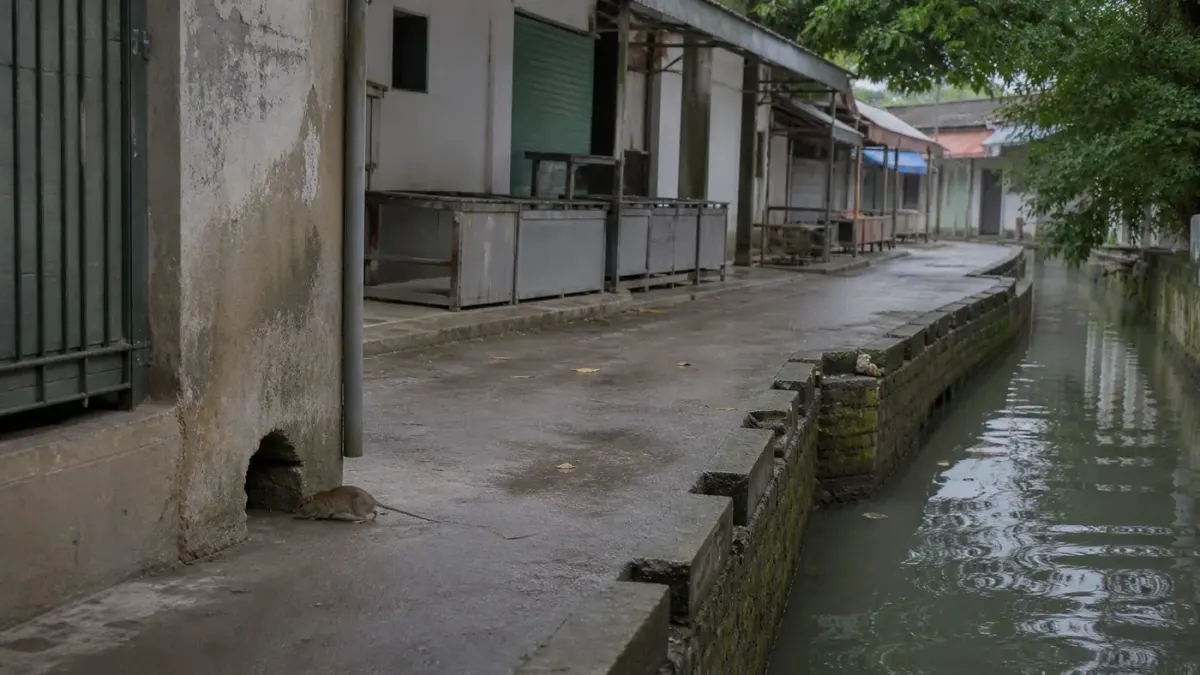
Floors and soft furnishing edges after a flea treatment — do not vacuum for the stated period.
The flea case is the strictest
Flea treatment relies on an insect growth regulator sitting on and in the carpet or flooring, where larvae live. Vacuuming removes it from exactly the surfaces where it is needed. The usual advice is not to vacuum for one to two weeks after treatment, then to vacuum frequently afterwards, because vibration triggers pupae to emerge into the treated environment.
That sequence is counter-intuitive and worth getting right, because doing it in the other order makes the treatment look like a failure when it was simply removed.
Bait is different from spray
Gel bait works by being eaten and carried back, so it needs to remain available and palatable. Cleaning near it with a strongly scented product can make it unattractive even without touching it, which is why we ask that cabinet interiors be left alone rather than merely not scrubbed.
Bait that has dried out and hardened is no longer being taken and can be removed at the follow-up visit. Bait that has been eaten down to a smear is the treatment working, and it is the thing you most want to see.
Telling the person who actually cleans
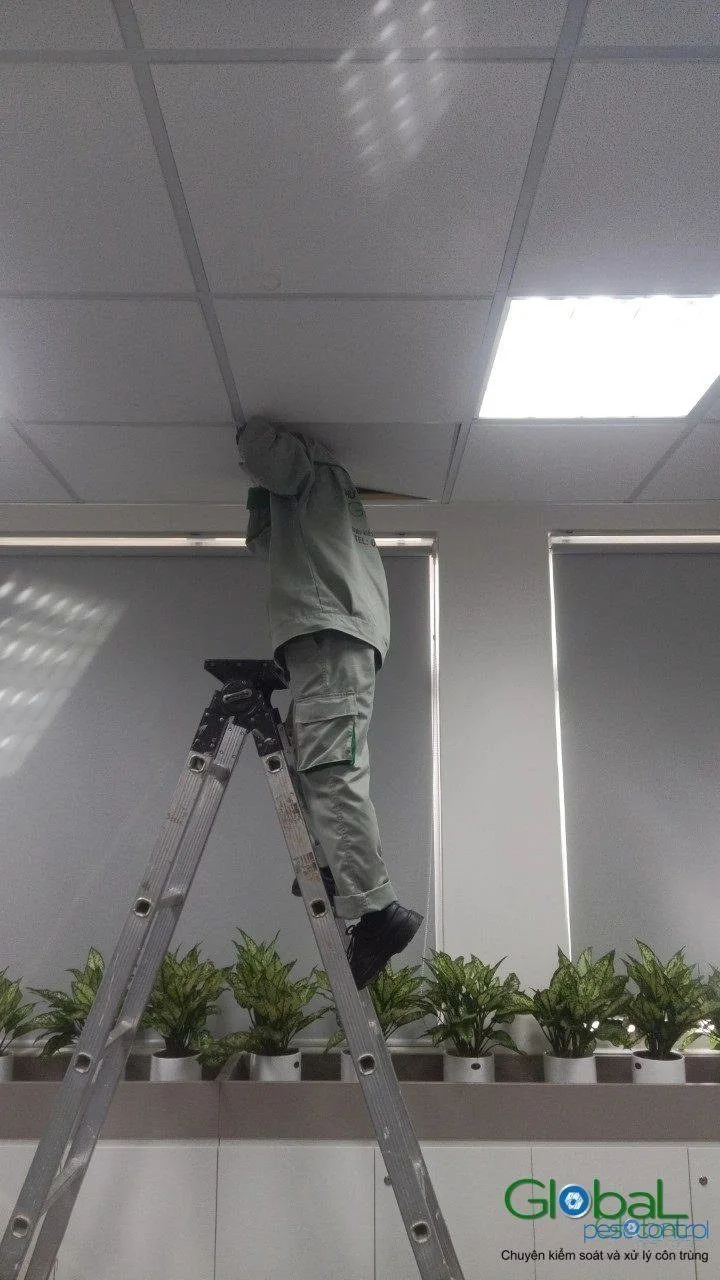
In most households in Ho Chi Minh City the person who will clean the treated area is not the person who was briefed. A housekeeper arriving two days later sees marks in the cabinet corners and does the professional thing, which is to remove them.
This needs to be written down in Vietnamese and left where they will see it, not mentioned in passing. We provide the note as part of the visit for exactly this reason — it is the single cheapest thing that protects the outcome.
One practical adjustment makes the whole fortnight easier to live with. Ask the technician to mark, on the report, exactly which surfaces carry a residual — the kitchen skirting, the bathroom wall junction, the back of the wardrobe — rather than describing it as the perimeter. A named list is something a household and a cleaner can both follow, and it removes the temptation to leave the entire apartment untouched out of caution.
What if you cleaned it already
Tell us rather than waiting to see. If a residual band was mopped away two days after application, the honest position is that it needs reapplying, and knowing that immediately is far better than concluding at week four that the treatment did not work. It is not an unusual situation and it does not require an awkward conversation.
Related reading
See re-entry times explained and before and after a treatment. For briefing household staff, your housekeeper and pest control. On why bait behaves this way, why bait looks worse first and baiting versus killing. Our parent company issues the same aftercare notes in Vietnamese through its residential programme.
Global Pest Control is the English-language arm of Khử Trùng Toàn Cầu, based in Thu Duc City.
Common questions
How long before I can mop the kitchen floor?
The open floor can be mopped as soon as it is dry, because it should not have been treated. What needs leaving is the band along the skirting and the wall junction, typically for two weeks. If your mop reaches the edges, mop up to about ten centimetres short of the wall for that period.
The bait dots look unpleasant to guests. Can I remove some?
Removing the visible ones in an open area is usually acceptable and we would rather you asked first, because placement is deliberate and the visible ones are sometimes the productive ones. A better answer is to tell us in advance that appearance matters, so placements go inside cabinets and voids from the start.
We had the apartment deep cleaned a week after treatment. Does it need redoing?
Probably partly, and it depends what the cleaners touched. A deep clean that moved appliances and washed skirtings will have removed most of a residual, while gel inside closed cabinets often survives. Tell us what was cleaned and we will reapply what is needed rather than repeating the whole treatment.