Sharing a House: Splitting Pest Costs Between Housemates
Shared houses are common among people in their twenties and thirties in Thao Dien, Binh Thanh and District 1, and pest problems in them are handled worse than in any other kind of household. Not because the technical problem is harder — it is not — but because it becomes a conversation about whose room it started in.
A few decisions made early keep it from getting there.
Agree the principle before you need it
The workable default is that anything in a shared area is split evenly, and anything in a bedroom is also split evenly. The second half is what people resist and it is the important one.
It works because the alternative creates a direct incentive not to report. A housemate who knows they will personally pay for a treatment in their own room takes three weeks to mention the bites, and in those three weeks a single-room problem becomes a whole-house problem that everyone pays for anyway, at four times the cost.
Why single-room treatment usually is not enough
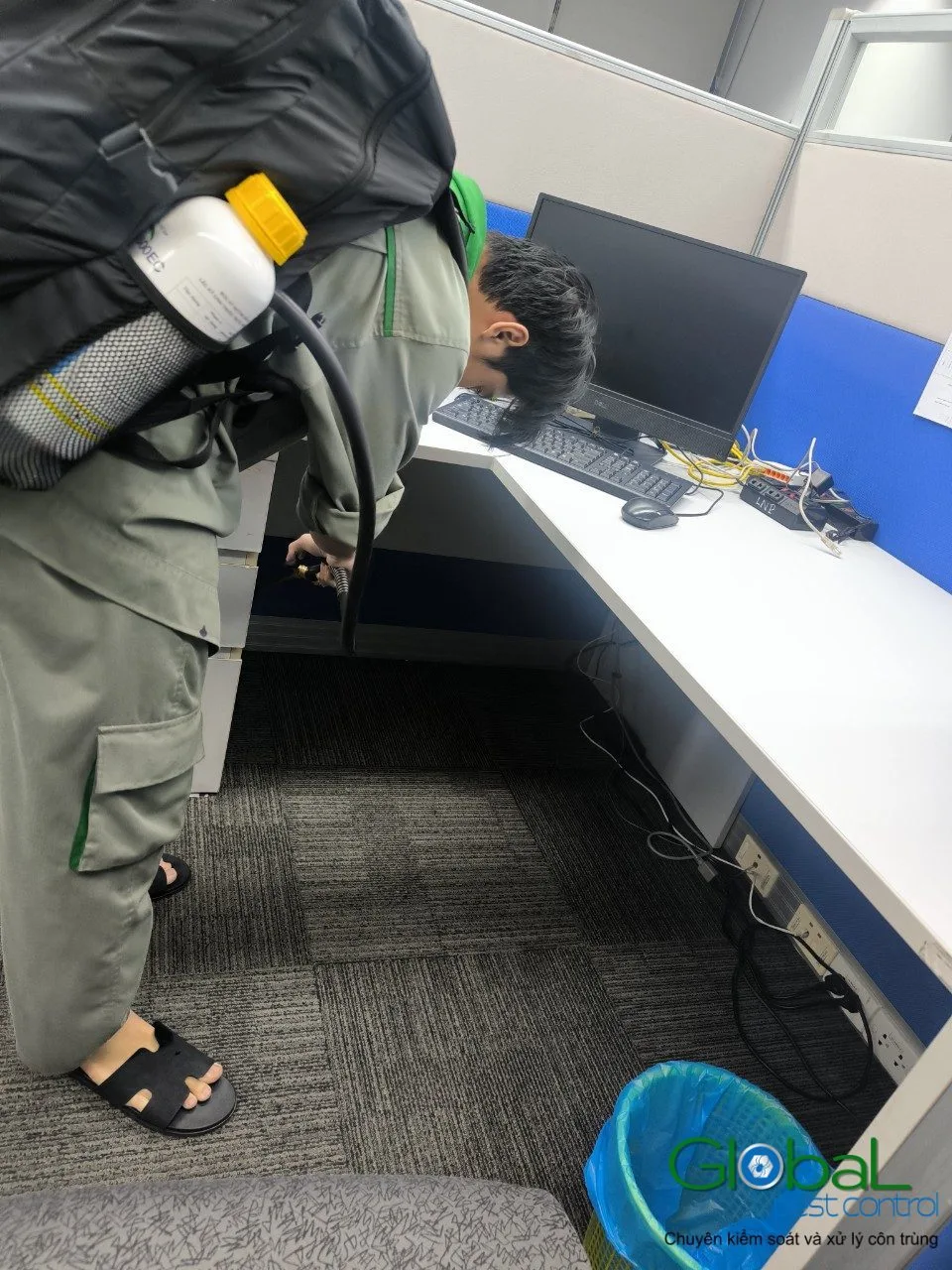
For cockroaches, ants and rodents this is straightforward: the population is in the structure and moves between rooms freely, so treating one bedroom while the others are untouched simply relocates it.
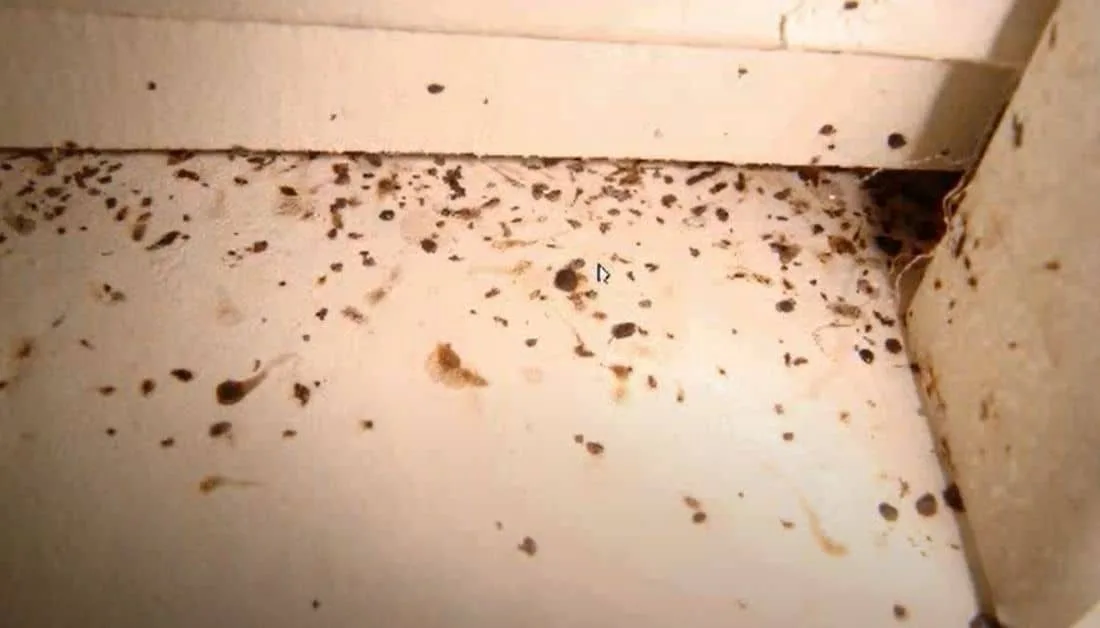
For bed bugs it is less obvious but the same answer applies. They travel along skirting, under doors and through service penetrations, and by the time one person notices bites the adjacent rooms usually need at least inspection. Treating one room in a shared house is almost always false economy.
Landlord or housemates?
Before splitting anything, check the lease. In many Vietnamese share-house arrangements the landlord is responsible for the building fabric and sometimes for pest control, and in a house rented as a whole, the tenants collectively hold that obligation. Either way it is worth a written question to the landlord before money changes hands between friends.
If the problem originates outside the house — the neighbouring property, the alley, a shared drain — that is a strong argument for the landlord\x27s involvement, and it is also frequently the actual situation in dense residential areas.
Practical rules that prevent most of it
- Bins out on a fixed day, by a named person, rather than when full.
- No food in bedrooms. This is the single most effective house rule.
- Dry goods in sealed containers in a shared kitchen where nobody owns anything.
- Guests and returning travellers unpack outside bedrooms where practical.
- One person holds the relationship with the pest control company, so nothing depends on a group chat.
The other structural problem in a share house is that nobody owns the kitchen. Bulk rice, opened cereal and shared condiments sit in a cupboard that belongs to everyone and is therefore cleaned by no one, and the bin is emptied by whoever cannot stand it any longer. Both are worth assigning to a named person on a rota, because the alternative is that they are assigned to the most conscientious housemate by default and resented on both sides.
The someone-is-leaving problem
Share houses turn over constantly, and a departing housemate has very little incentive to raise a problem in their last fortnight. Doing a proper check of the room after somebody leaves — strip, hot wash, vacuum, look at the mattress seams and the bed frame joints — is worth building into the handover, in the same way a hotel checks a room between guests.
It also protects the person arriving, who would otherwise inherit something and reasonably assume it began with them.
Handling it without an argument
Two framings help. First, treat it as a building problem rather than a person problem, which is usually literally true — cockroaches come from drains and shared structure, bed bugs come from travel, and neither is a hygiene verdict on anyone. Second, decide the money question before the technical one, because a group that is still arguing about cost three days later has given the problem three days.
Related reading
Responsibility is covered in who pays, landlord or tenant and talking to your landlord. For the species most often involved, bed bugs in Ho Chi Minh City and cockroaches. Deposits are covered in insurance, deposits and pest damage. Our parent company runs the Vietnamese-language residential programme.
Global Pest Control is the English-language arm of Khử Trùng Toàn Cầu, based in Thu Duc City. We can issue a single quotation for a whole house so there is one number to split rather than several.
Common questions
One housemate refuses to pay. What are the options?
In practice the group either absorbs it or the problem continues, and the second option costs everyone more within a couple of months. It is worth pointing out that the cost of treating one room now is a fraction of treating four later, which is usually a more persuasive argument than fairness.
Can you treat only the shared areas?
We can, and for ants or a drain-related cockroach problem that is sometimes the right scope. For anything that lives in bedrooms it is not, because the bedrooms are where the harbourage is and the shared areas are where it is merely seen. We will say so plainly in the survey rather than sell a partial job.
We are all on separate room contracts. Does that change anything?
Legally it may put the obligation on the landlord rather than on the tenants, which is worth checking. Practically it changes nothing about the biology — the house is one structure, and a treatment scoped to one room in it will not hold.