Resistance: Why the Same Product Stops Working
A product that worked last year does not work this year. The customer is told it is resistance, which sounds authoritative and is sometimes true.
It is worth understanding properly, both because genuine resistance changes what should be done and because it is the most convenient explanation available for a treatment that failed for entirely different reasons.
What resistance actually is
Within any large population there is natural variation, and a few individuals survive an exposure that kills the rest — through a metabolic pathway that breaks the compound down faster, through a modified nerve receptor that the compound no longer binds to well, or through a behavioural difference that reduces contact.
Those survivors breed. Repeat the same compound over several generations and the proportion carrying that trait rises until the product no longer performs. In a species with a generation time of a few weeks, that can happen within a couple of years at one site.
Where it is well documented
- German cockroaches — extensively documented pyrethroid resistance worldwide, plus documented aversion to glucose in some populations, which affects bait acceptance.
- Bed bugs — widespread pyrethroid resistance, one of the main reasons this species returned globally.
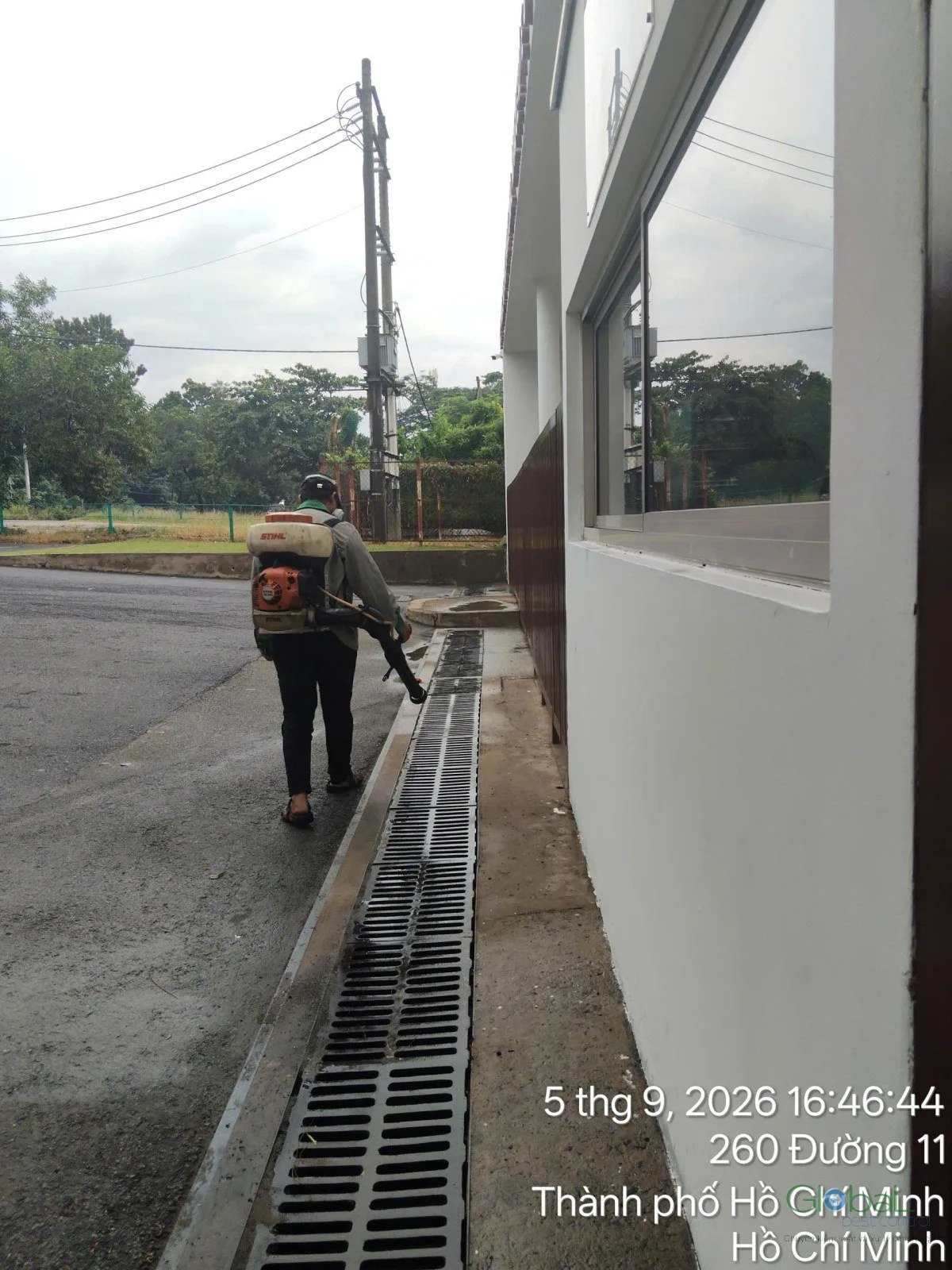
- Mosquitoes — pyrethroid resistance recorded across Southeast Asia, which matters for public health programmes.
- House flies — resistance to multiple groups in intensive settings.
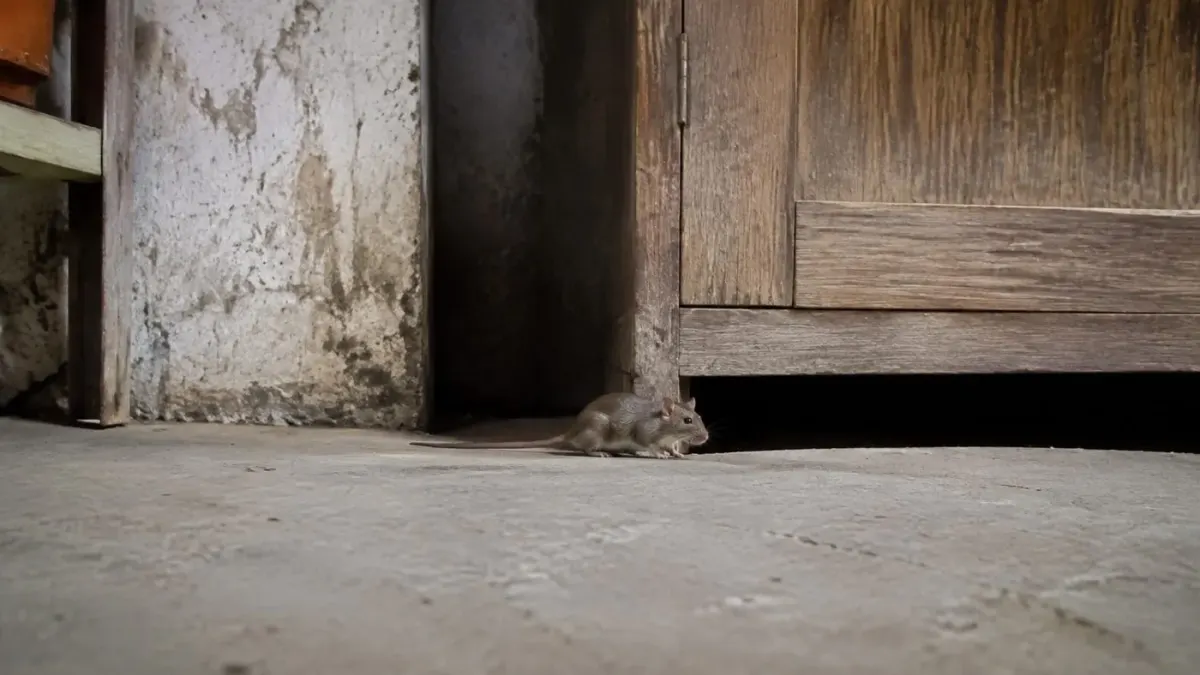
- Rodents — anticoagulant resistance exists but is far less common than assumed.
What is usually blamed on resistance and is not
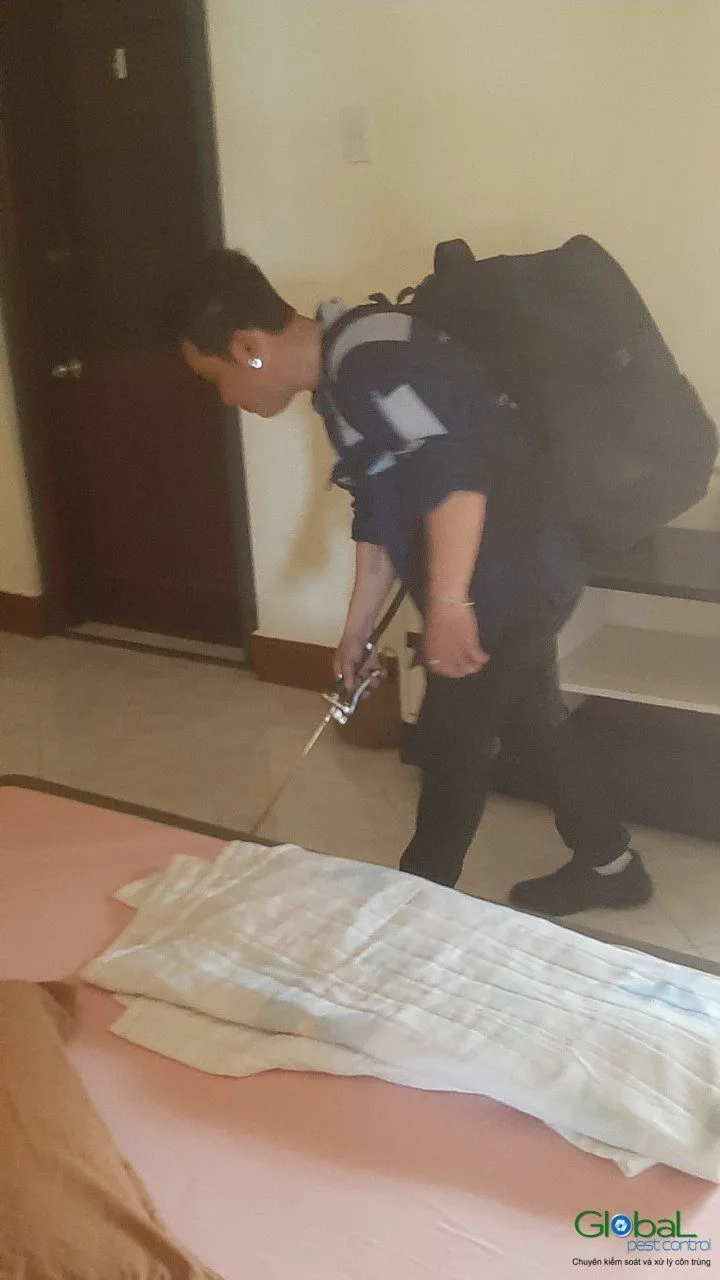
In our experience the great majority of "resistant" cases turn out to be something else. The commonest is that the treatment never reached the harbourage — a spray applied to open surfaces while the population lives inside a plinth void. The second commonest is that the aftercare removed the deposit, usually by cleaning.
After those come reinfestation from an adjacent property, which looks identical to failure from inside a single unit, and a missed second visit for a species where eggs survive the first one. All four produce a customer who says the product stopped working, and none of them is resistance.
How resistance is managed
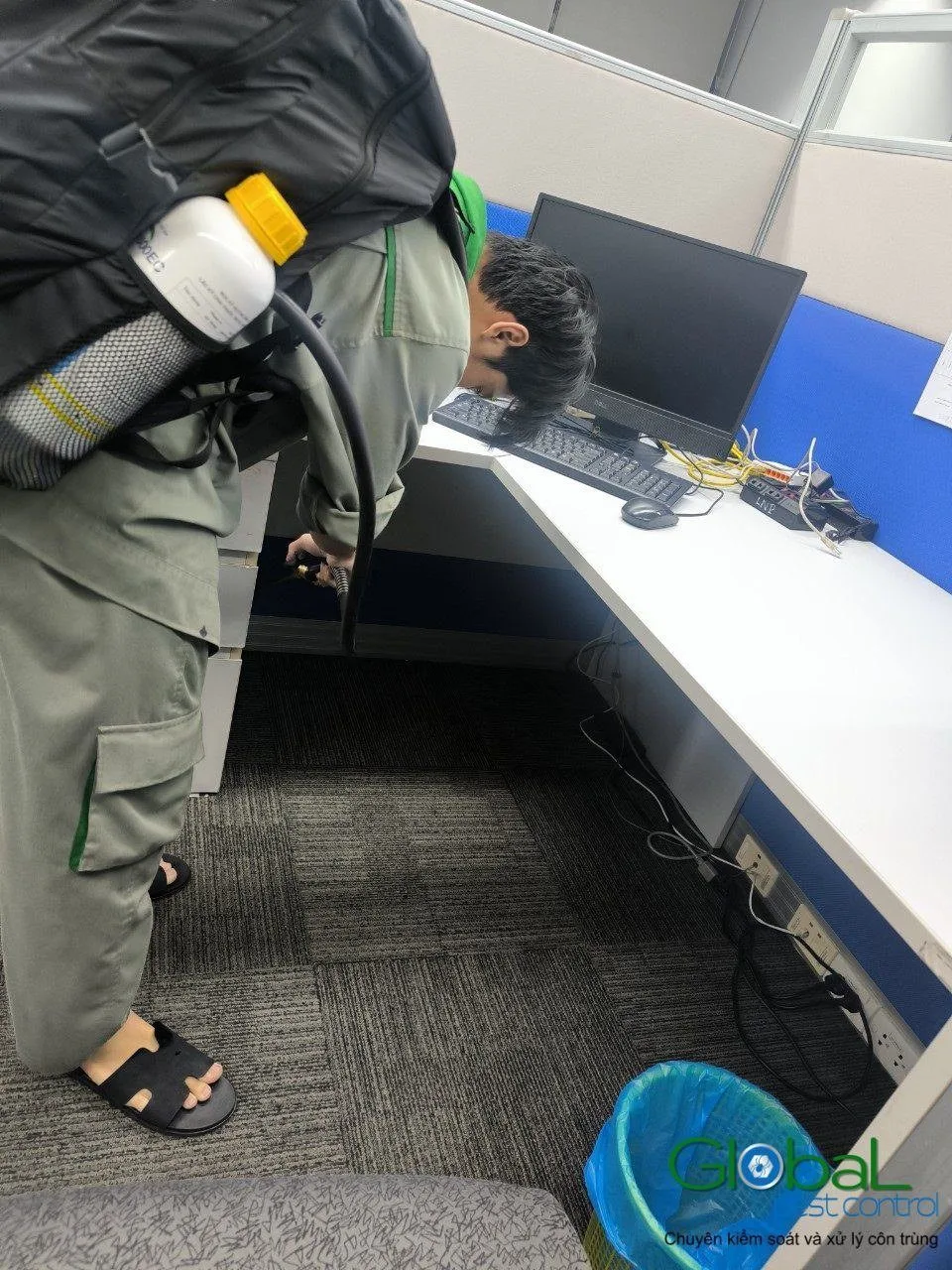
By rotating between chemical groups with different modes of action, not simply between brand names. Two products with different labels and the same active class are the same product for this purpose, which is one reason we record active ingredients rather than trade names on our reports.
It is also managed by leaning on methods where resistance is not available. An insect cannot become resistant to a sealed gap, to being unable to find water, or to heat. Every proofing item and every hygiene change is resistance-proof by construction, which is an underrated argument for spending money there.
The bait aversion case
One of the more interesting findings in cockroach work is that some German cockroach populations have developed an aversion to glucose, which was widely used as the attractant in gel baits. Individuals that found glucose aversive avoided the bait and survived, and their descendants inherit the trait.
The practical consequence is that when a bait stops being taken, changing to a different bait matrix is often more effective than increasing the amount of the same one. Bait that is not being eaten is not a dose problem.
Resistance also develops unevenly between sites, which is why a product that is failing in one building may still work perfectly well two streets away. It is a property of a particular population rather than of the species as a whole, and that is why a genuine finding of resistance should be site-specific and evidenced rather than asserted as a general truth about cockroaches or bed bugs.
What to ask if a treatment fails
Ask where the harbourage was found, what active ingredient was used, whether anything was cleaned, and whether a follow-up was carried out. Those four questions distinguish between the causes, and a company that answers them plainly is one worth continuing with. A company whose first answer is resistance, without having checked the other three, is guessing.
Related reading
See why pests come back after treatment and what not to clean afterwards. On methods, insecticidal dust and physical proofing. Product names are covered in products used in Vietnam. Our parent company applies the same rotation policy across its service programmes.
Global Pest Control is the English-language arm of Khử Trùng Toàn Cầu, based in Thu Duc City.
Common questions
Should I ask for a stronger product?
Rarely the right question. Registered products are used at label rates and going above them is both illegal and ineffective, since a dose that fails at label rate usually fails because it is in the wrong place rather than because it is too weak. The productive question is where it was applied and whether the harbourage was found.
Does resistance mean nothing will work?
No. It means one chemical group has stopped working in that population, and there are several groups with different modes of action, plus bait, dust, heat and physical exclusion. A site with documented resistance to pyrethroids is a site that needs a different plan, not a site that cannot be controlled.
Can resistance spread from a neighbour?
Effectively yes, in the sense that a resistant population moving between units carries the trait with it, which is why resistance tends to be a building-level phenomenon rather than an apartment-level one. It is another reason why treating one unit repeatedly in a block with a shared problem produces disappointing results.