January: Dry Season Rodent Pressure
Ho Chi Minh City has two seasons rather than four, and the dry months from December to April change animal behaviour in ways that are easy to predict once you know what drives them.
For rodents the driver is water. In the wet season it is everywhere; in January it is not, and the reliable sources are inside and around buildings — drains, air-conditioning condensate, kitchens, plant rooms and leaking pipes.
Why activity moves indoors
A rat needs to drink daily. When open ground stops offering that, the animal shifts its range toward whatever does, and the boundary of a building becomes the edge of its territory rather than something to cross occasionally.
The visible consequence is a rise in indoor sightings and in ceiling noise through January and February, in properties that had nothing in October. It reads as an invasion and it is a redistribution.
What else the dry season changes
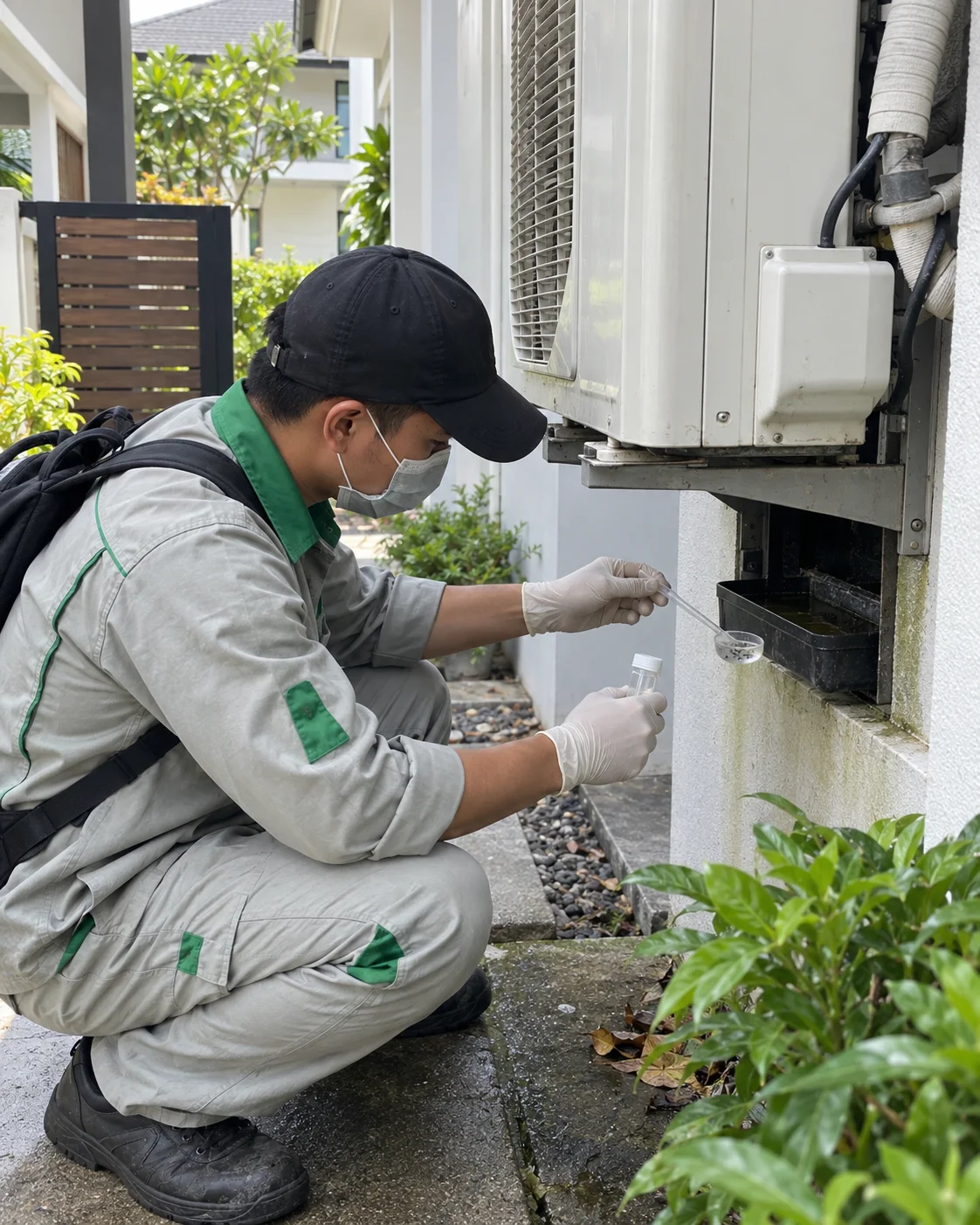
- Mosquito numbers fall, but do not disappear — container breeding continues in tanks, saucers and air-conditioner trays that are topped up by people rather than by rain.
- Cockroach activity stays steady indoors, because kitchens and drains are unaffected by the weather.
- Ants come indoors looking for water, which is why trails in January often lead to a bathroom rather than to food.
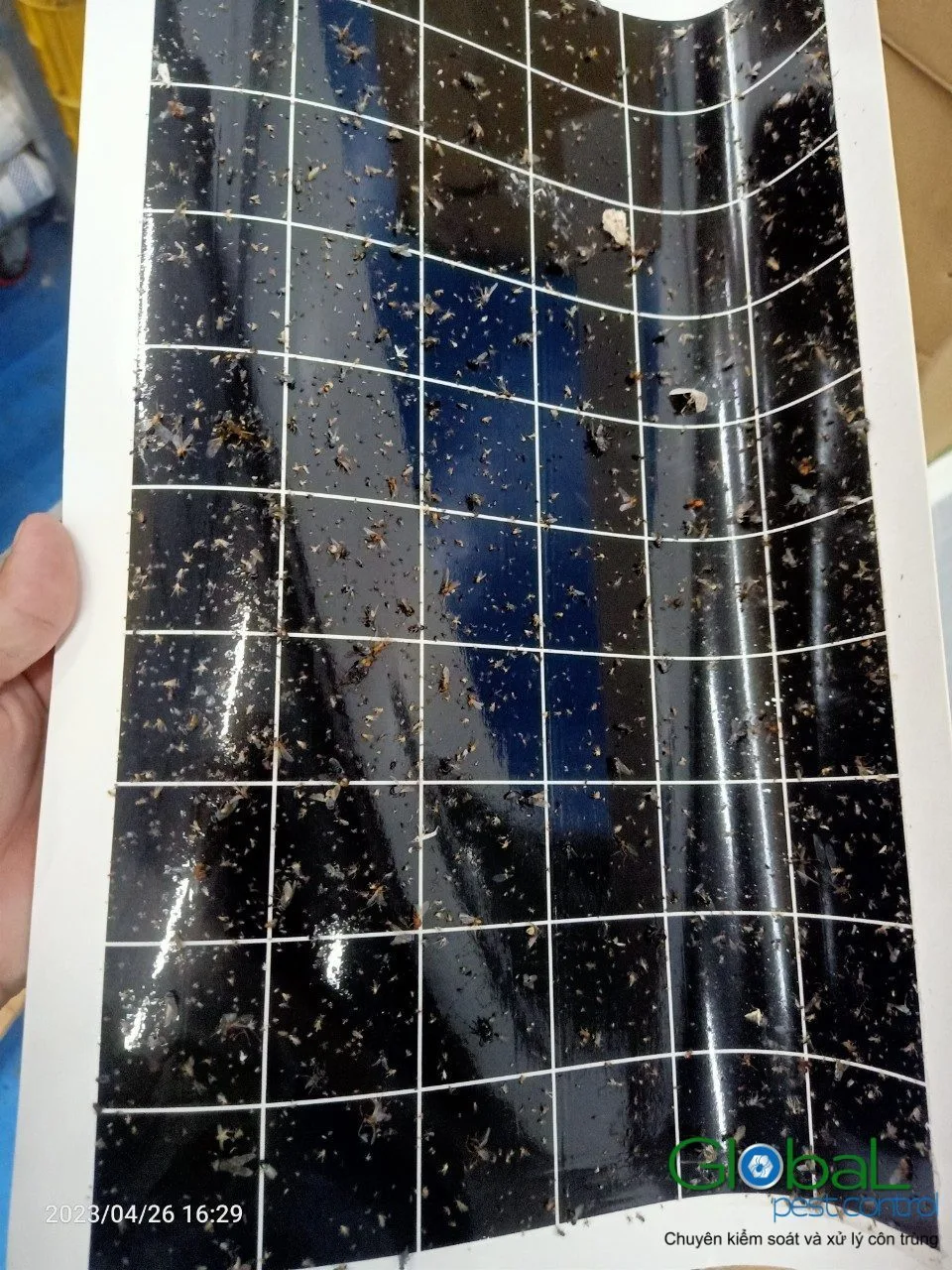
- Dust and construction activity rise, because this is the building season, and construction displaces whatever was living on a site.
The Tet complication
Tet falls in this period and it produces a distinct pattern every year. Businesses close for a week or more with kitchens shut and bins emptied late; households travel, leaving apartments closed with dry drain traps; deliveries stop and then arrive all at once.
The result is a quiet period during which populations are undisturbed, followed by a wave of reports in the first working fortnight. Almost none of it began during the holiday — it accumulated and became visible when people came back.
What to do in January
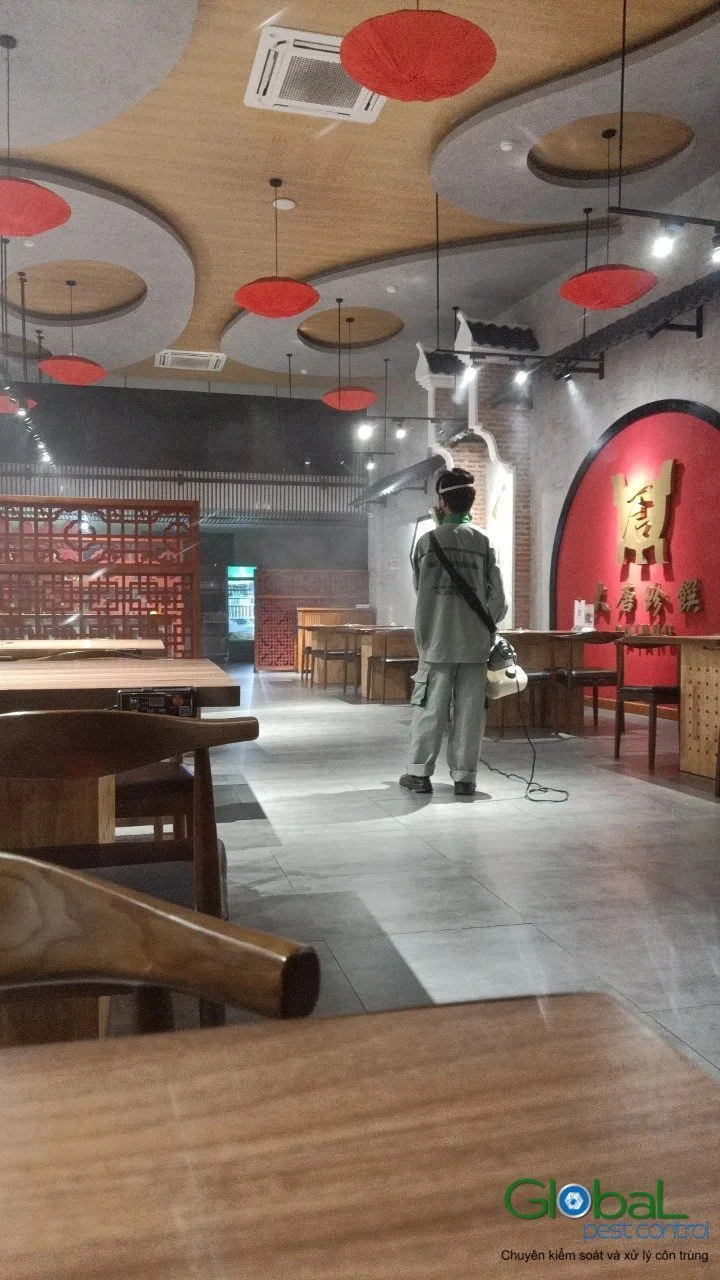
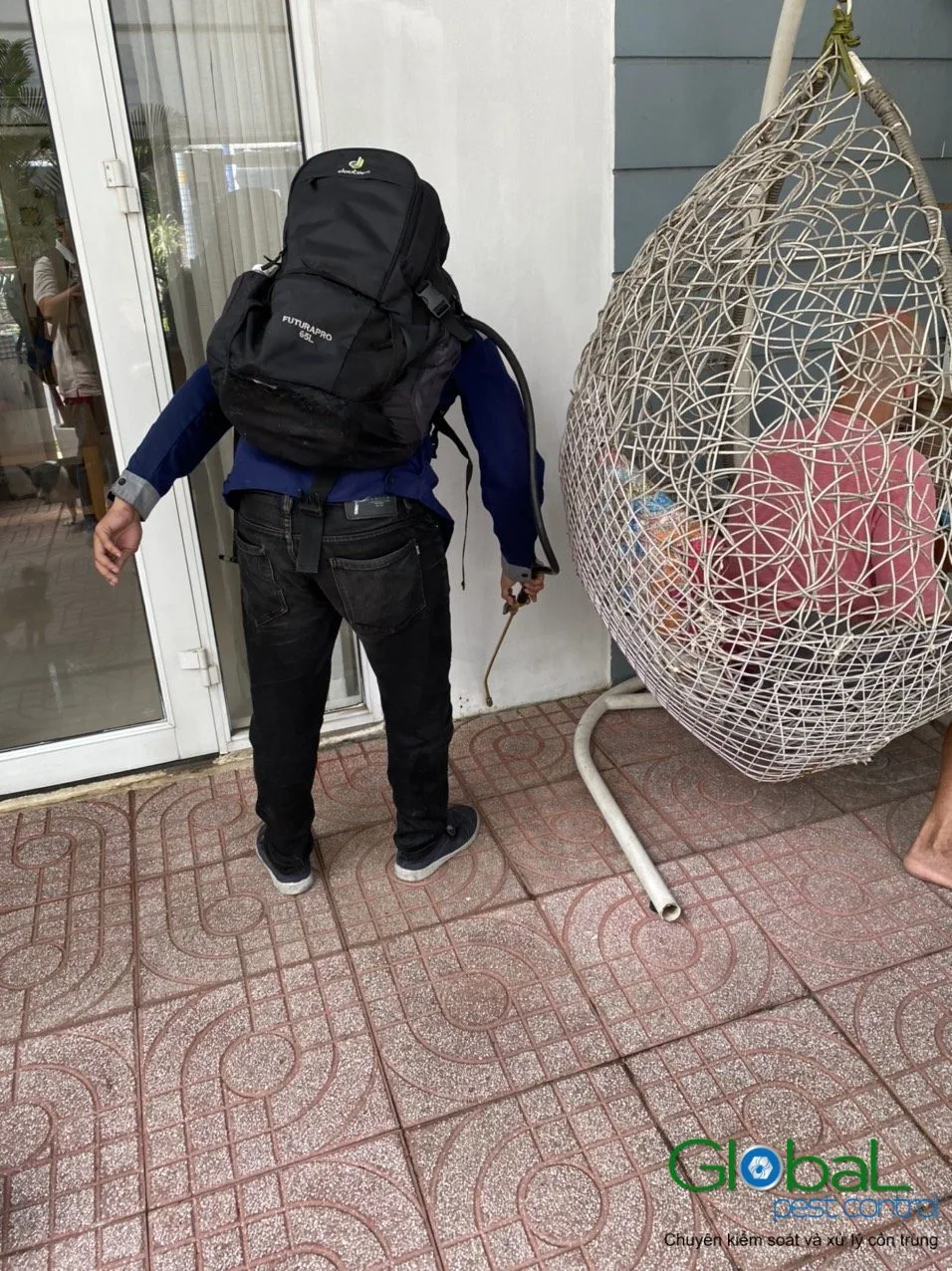
For a building: check the basement and plant rooms, look at the perimeter for burrows and runs against walls, and make sure external bait stations are serviced rather than merely present. Fix leaks, because a dripping tap in a plant room is the most valuable resource on the site right now.
For a home: keep floor drain traps filled, particularly in rooms you do not use, and look at where pipes enter the property. Ceiling noise at night is worth acting on early in the season rather than late, because a run that establishes now will be well used by March.
Why this is a good month for rodent work
Because behaviour is concentrated. When water is scarce, animals use predictable routes to predictable places, which makes monitoring and station placement far more accurate than it is in the wet season when everything is dispersed.
It is also the month when proofing pays best. Sealing a route in January removes access during the period when pressure on that route is highest.
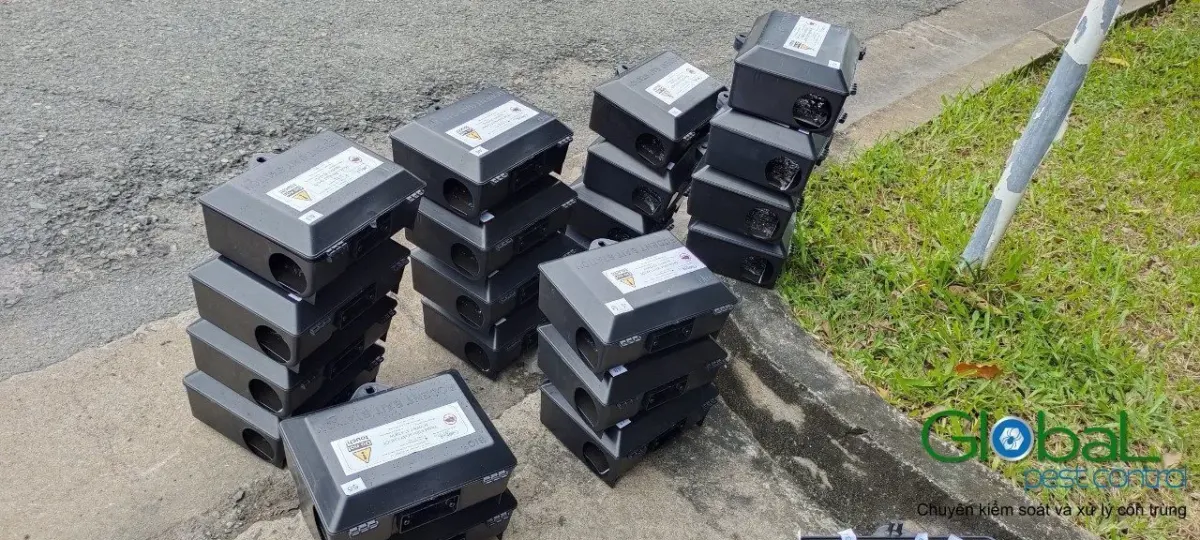
January is also the month when external bait stations earn their cost or reveal that nobody has been servicing them. A station with untouched bait in it for six months is not evidence of a clean site — it is usually evidence that the bait has gone stale and mouldy in the humidity and is no longer attractive to anything. Ask when the bait in each station was last replaced rather than when the station was last visited.
The construction factor
The dry season is when building work happens across the city, and demolition or excavation next door reliably displaces rodents into surrounding properties for a period. If work has started near you, expect a few weeks of increased activity and treat the perimeter rather than only the interior. This is temporary, and it is worth telling a building manager so it is not misdiagnosed as a failure of the existing programme.
Related reading
The full year is set out in the pest year in Ho Chi Minh City and the pest calendar. For the species see our rodent guide and rats and mice compared. Holiday closures are covered in Tet holiday closed kitchens. Our parent company runs the Vietnamese-language rodent control programme.
Global Pest Control is the English-language arm of Khử Trùng Toàn Cầu, based in Thu Duc City.
Common questions
We never had rats before and now we hear them every night. What changed?
Usually the season, sometimes construction nearby, occasionally a change in the building — a new food tenancy at ground level, or a drain repair that opened a route. The animals were almost certainly already in the area; what changed is which part of their range is now worth using. That is why the response is proofing and monitoring rather than assuming an invasion.
Is it worth treating before Tet or after?
Before, for a business, because an empty building is the easiest possible working environment and bait works undisturbed with no competing food. For a household, a check of the drains and bins before you travel matters more than a treatment, and the treatment is better spent on whatever you actually find when you return.
Do mosquitoes really stop in the dry season?
They reduce substantially and they do not stop, because container breeding continues wherever water is being topped up by people rather than by rain. Rooftop tanks, plant saucers, air-conditioner trays and ornamental features all keep producing through January, which is why dry-season dengue cases still occur.