Physical Proofing: The Work That Outlasts Treatment
Every chemical treatment is temporary. A residual degrades, a bait is consumed, a dust eventually needs renewing, and each of them depends on somebody scheduling the next visit.
A properly sealed pipe penetration does not degrade, does not need reapplying, and does not depend on anyone remembering anything. It is the only part of pest control that compounds, and it is consistently the part that gets cut from a budget.
The rule of thumb on gaps
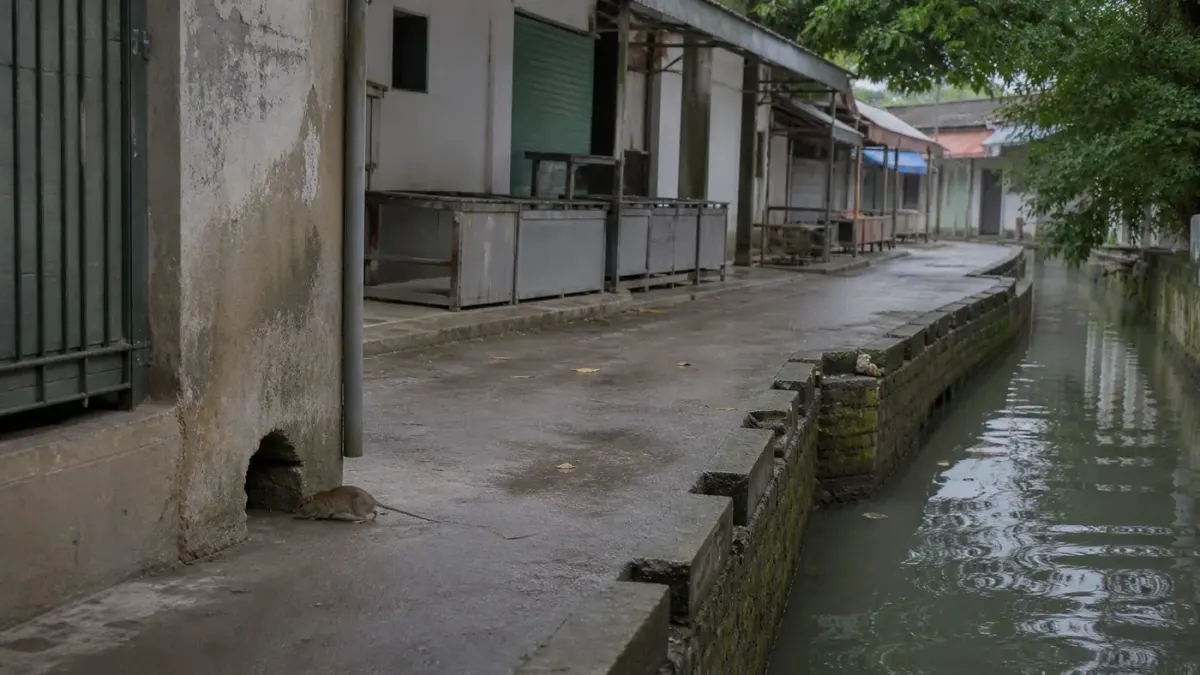
- 6 mm — a young rat, and most crawling insects. This is the number that matters for a door undercut.
- Around 20 mm — an adult rat can pass a gap this size, and can gnaw a smaller one open.
- 2 to 3 mm — a mouse, and effectively any insect.
- 1 mm mesh — the aperture for vents, overflows and tank openings against mosquitoes.
A rodent does not need a hole its own size. It needs a hole its skull fits through, and a starting edge it can work at.
What to seal with
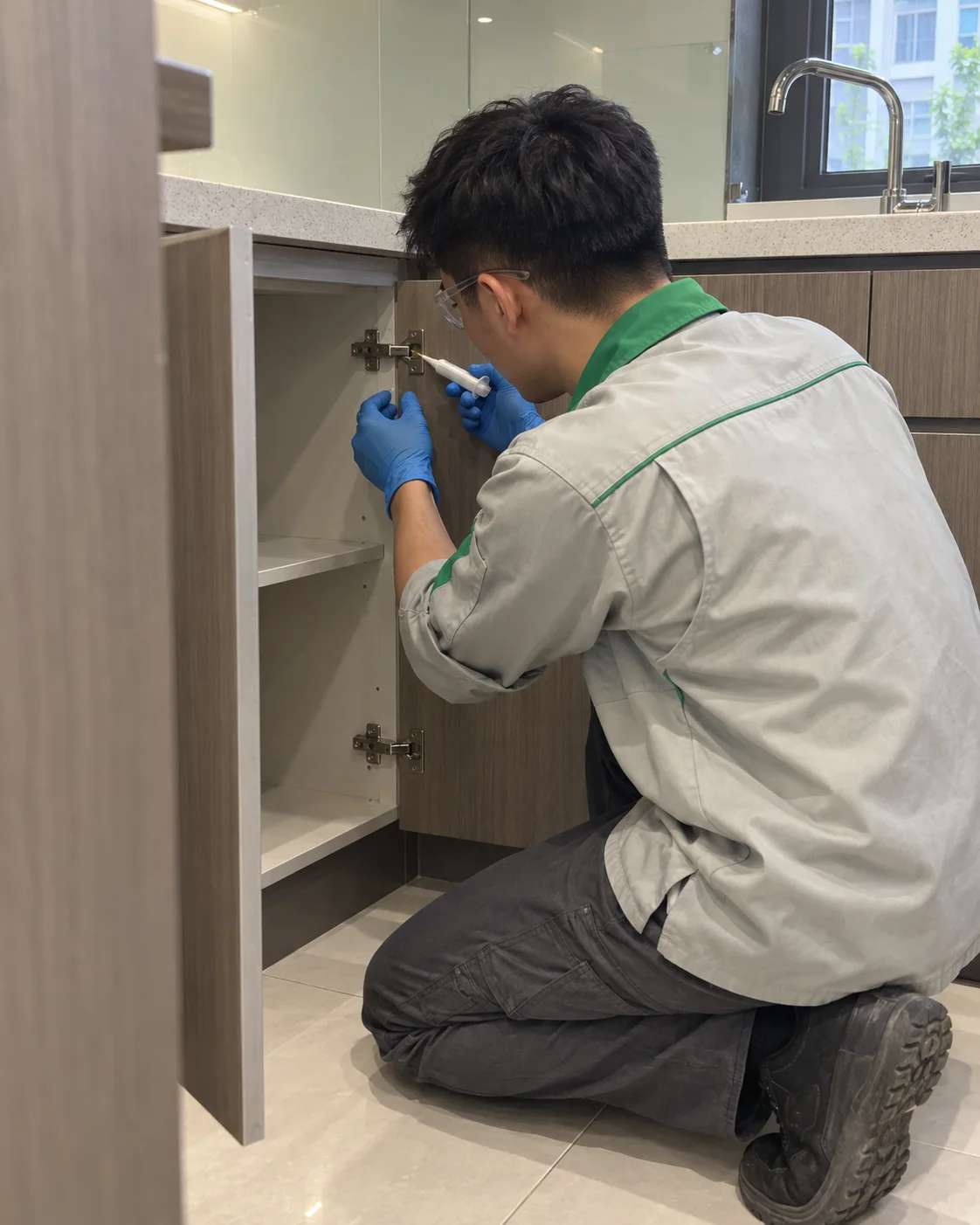
Silicone is right for a wet junction and wrong for a rodent, because it is soft. Expanding foam alone is worse, because it is both soft and degrades in sunlight. The durable combination for a structural gap is a hard backing — stainless wool, metal mesh or mortar — with a sealant over it.
For a pipe penetration through a wall, the sequence that lasts is stuff the void with stainless wool, foam over it, then finish with a hard sealant. For a floor slab penetration, mortar. Whatever is used, the test is whether it can be chewed or picked away at an edge.
The five highest-value items in a home
A brush strip on any external door with a visible undercut. Sealing the waste pipe penetration under the kitchen sink. Sealing the air-conditioner wall hole from both sides. Mesh on the air-conditioner condensate outlet. And an intact insect screen on any window that is opened.
Together these cost very little, take an afternoon, and remove more routes than any treatment removes population.
The five highest-value items in a building
Fire-rated sealing at riser penetrations on every floor. Self-closing refuse room doors with intact bottom seals. Mesh on water tank vents and overflows. Sealed thresholds at loading bays and car park ramps. And drain gratings that seat properly with traps that hold water.
Four of those five are usually already someone\x27s maintenance obligation for another reason, which is the most useful thing to know when raising them.
Sequence matters: treat first, seal second
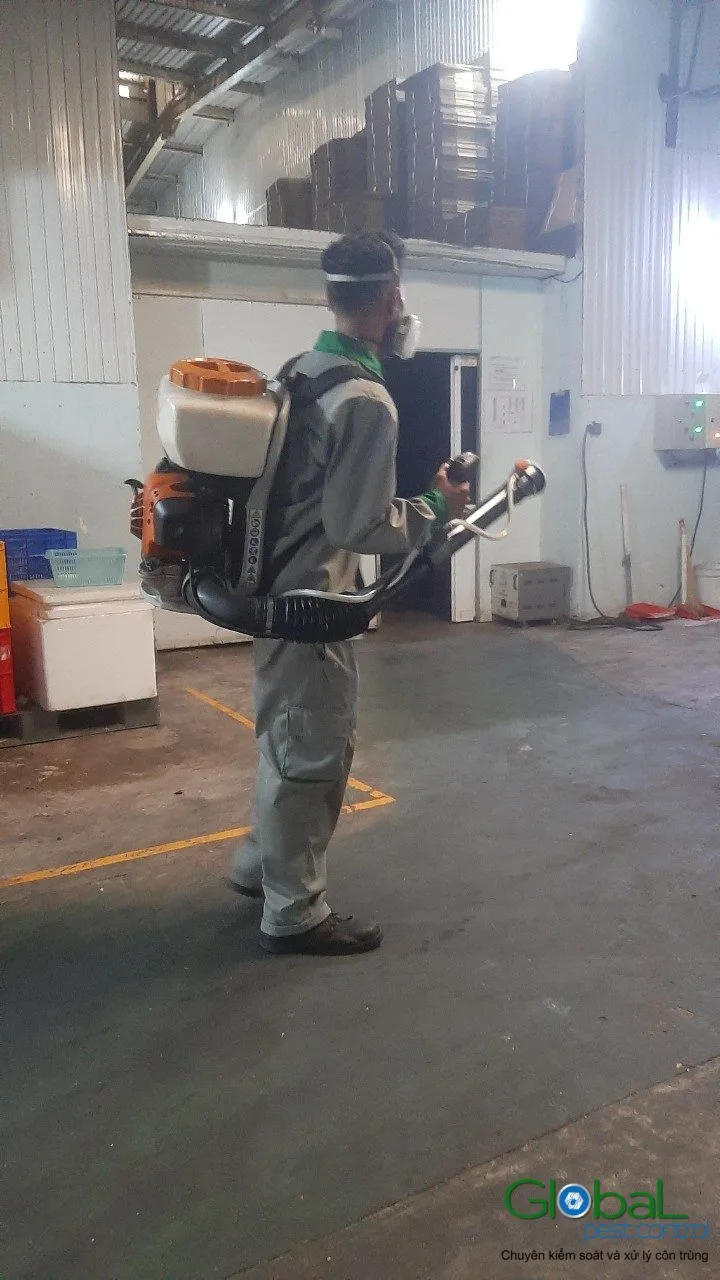
Sealing a harbourage with a live population inside it does not remove the population; it removes the route you were watching and pushes the foraging somewhere else. The order is always inspect, treat, then seal, with the sealing done once activity has stopped.
The exception is an entry point from outside the property, such as a door gap or a drain outlet, which can be sealed immediately because nothing is being trapped in.
One caution about mesh and screens in this climate: material choice decides how long the work lasts. Plastic insect screen exposed to direct sun on a Ho Chi Minh City balcony becomes brittle within a year and then tears, which is worse than having none because it looks intact from a distance. Stainless steel mesh costs a little more and is still there in ten years.
Why it gets cut
Proofing has no recurring revenue attached to it, which means very few companies push it, and it appears on a quotation as a one-off cost with no visible immediate effect. A monthly treatment contract is easier to sell and easier to budget. That is a commercial fact rather than a technical one, and it is worth knowing when you are comparing two proposals — the one that includes a proofing schedule is usually the one that intends to make itself smaller over time.
Related reading
The gaps are described in skirting boards and hidden gaps and air-conditioning routes. For building-scale routes see service risers. Compare with sealing gaps or applying more product, and see how pest treatment works for the wider method. Our parent company includes proofing in its rodent control programme.
Global Pest Control is the English-language arm of Khử Trùng Toàn Cầu, based in Thu Duc City.
Common questions
Can I do this myself?
Most of the domestic items, yes, and they are genuinely worth doing. Silicone under a sink, a brush strip on a door and a mesh cap on a condensate pipe need no skill beyond patience. What needs somebody else is anything structural, anything involving fire-stopping in a riser, and anything where you would be sealing a void without knowing what is inside it.
Will my landlord pay for it?
Frequently yes, because most of these are maintenance defects rather than improvements, and because the cost is small. Presenting it as a defect list with photographs rather than as a pest complaint is what makes the difference, since a defect has an owner and an existing budget.
Does proofing replace treatment?
Not on its own, and not immediately. It removes routes and reduces how often a problem recurs, which over a year or two usually means a smaller programme rather than none. In buildings where we have done the proofing properly, the treatment frequency typically falls and the reactive call-outs largely stop, which is the outcome worth aiming at.