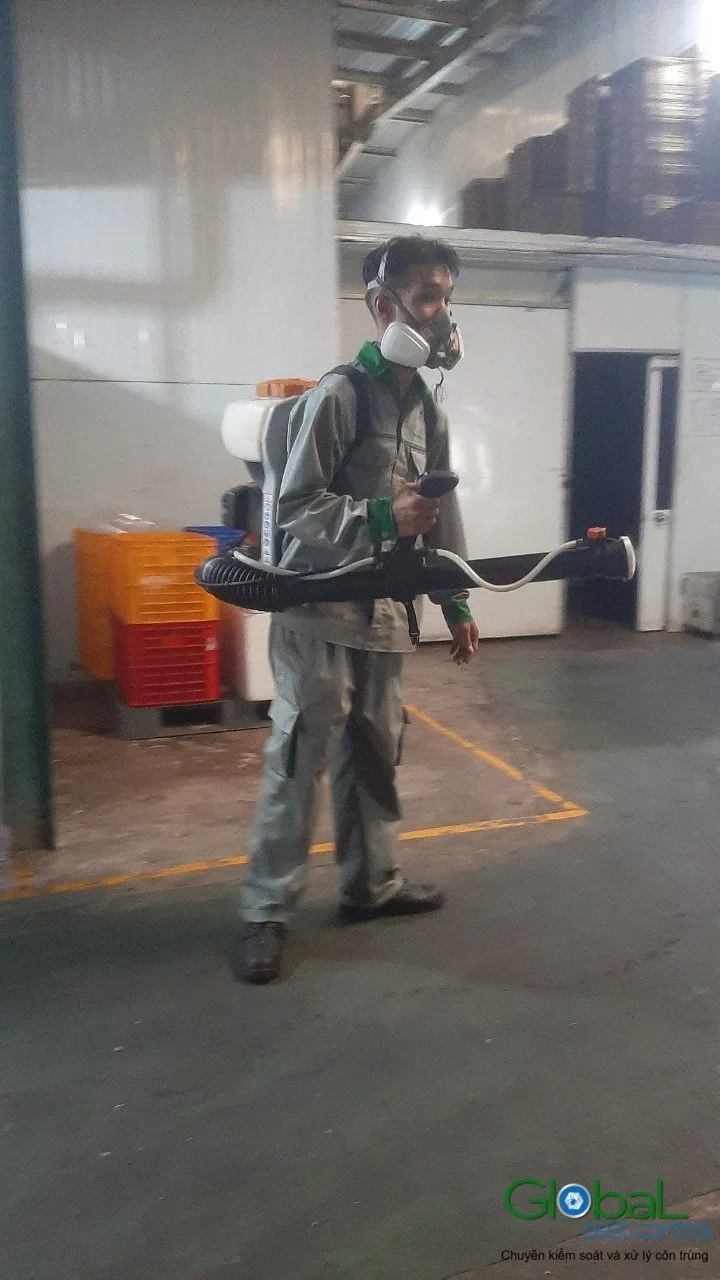
Are the Products Used in Homes Safe Around Babies
Parents ask whether the products are safe, and the answer they usually receive is yes. That answer is a sales response rather than an accurate one, and it does not survive a follow-up question.
The accurate answer is that no registered insecticide is meaningfully described as completely safe without qualification, and that toxicity is the wrong variable to be asking about anyway.
Two questions that get merged
The first is toxicity: what a substance would do at a given dose. That is a property of the chemistry and it is fixed once a product is chosen.
The second is exposure: whether anyone will actually contact it, breathe it, or ingest it. That is a property of where it goes, and it is almost entirely within a technician\x27s control.
Households care about the second. Companies that answer only the first are answering the easier question.
What removes the exposure route
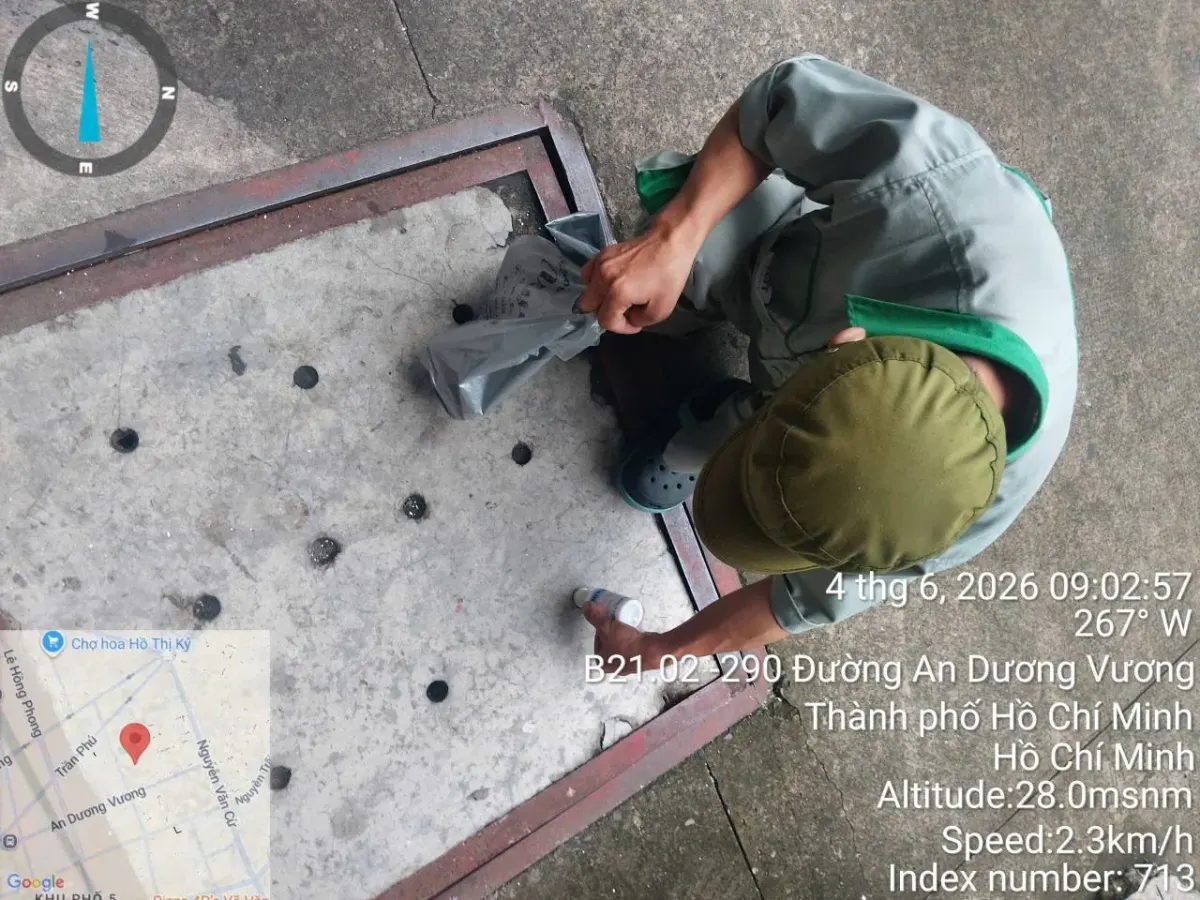
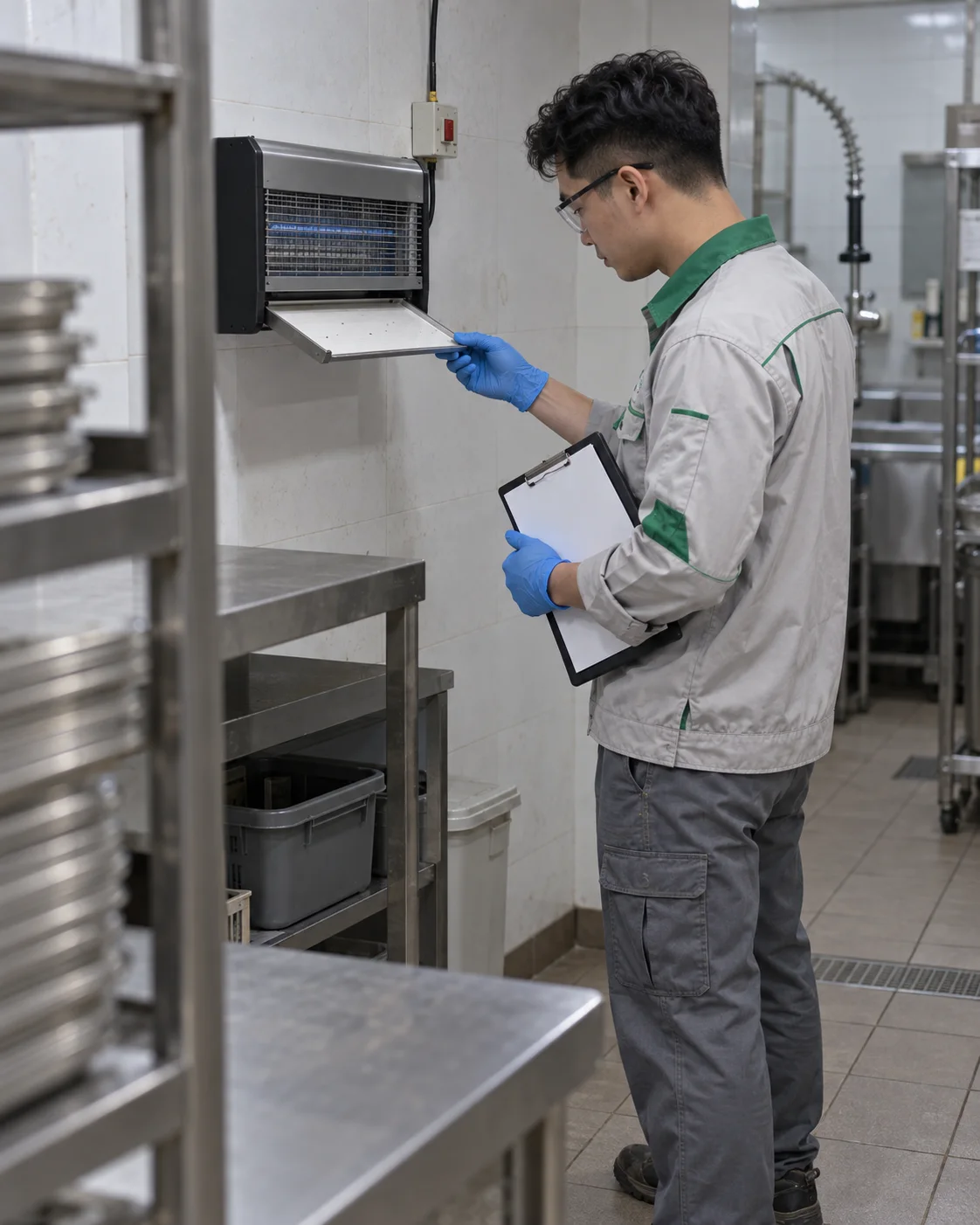
Placement. A gel bait inside a closed cabinet void, a residual applied only into cracks and the wall-base joint behind furniture, a monitor screwed down behind a fixed unit — none of these leave anything a child can easily reach or touch.
That is a materially different situation from a residual sprayed across a floor or a skirting board at crawling height, even if the active ingredient were identical. The chemistry has not changed; the exposure has gone.
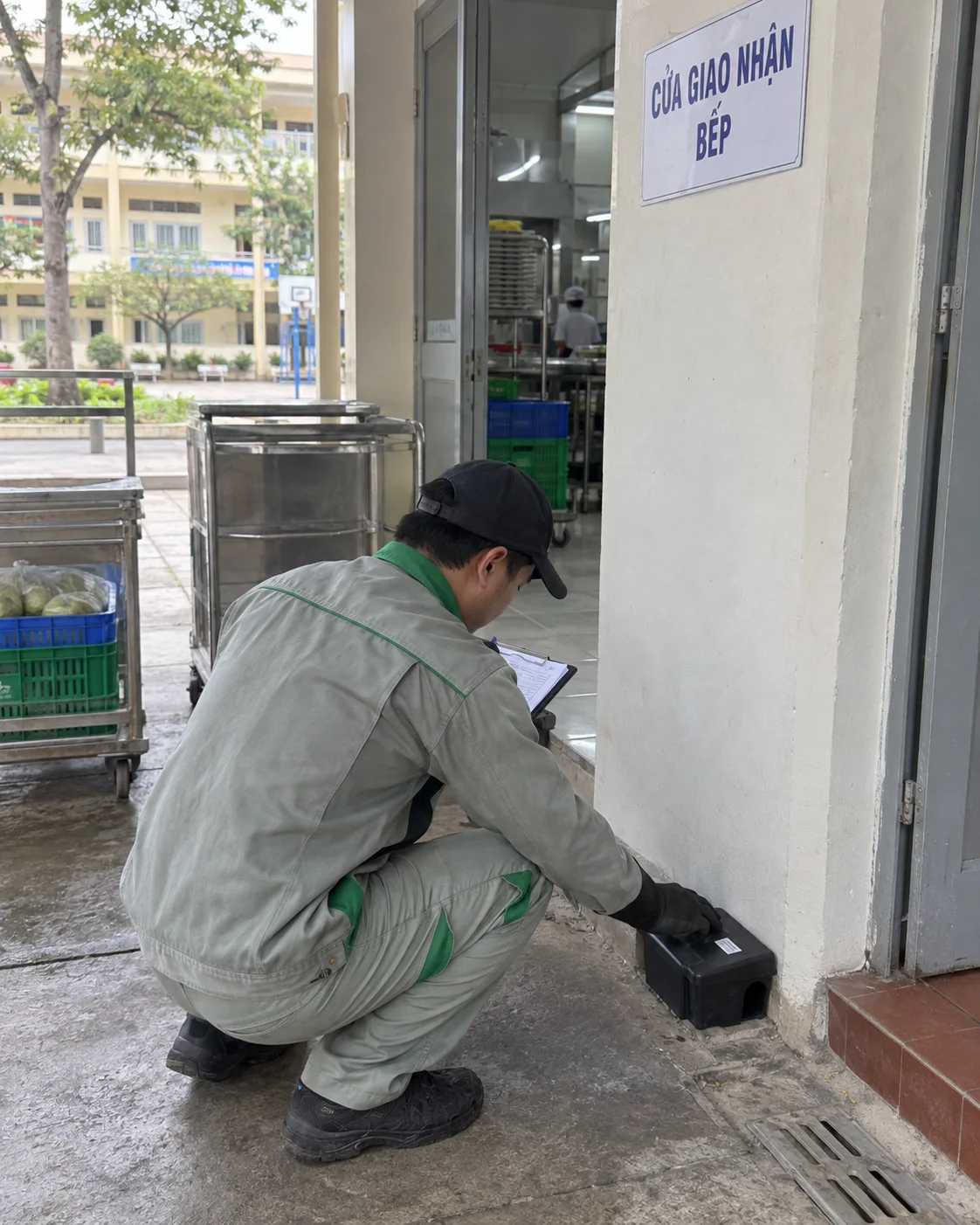
What we will not do in a home with an infant
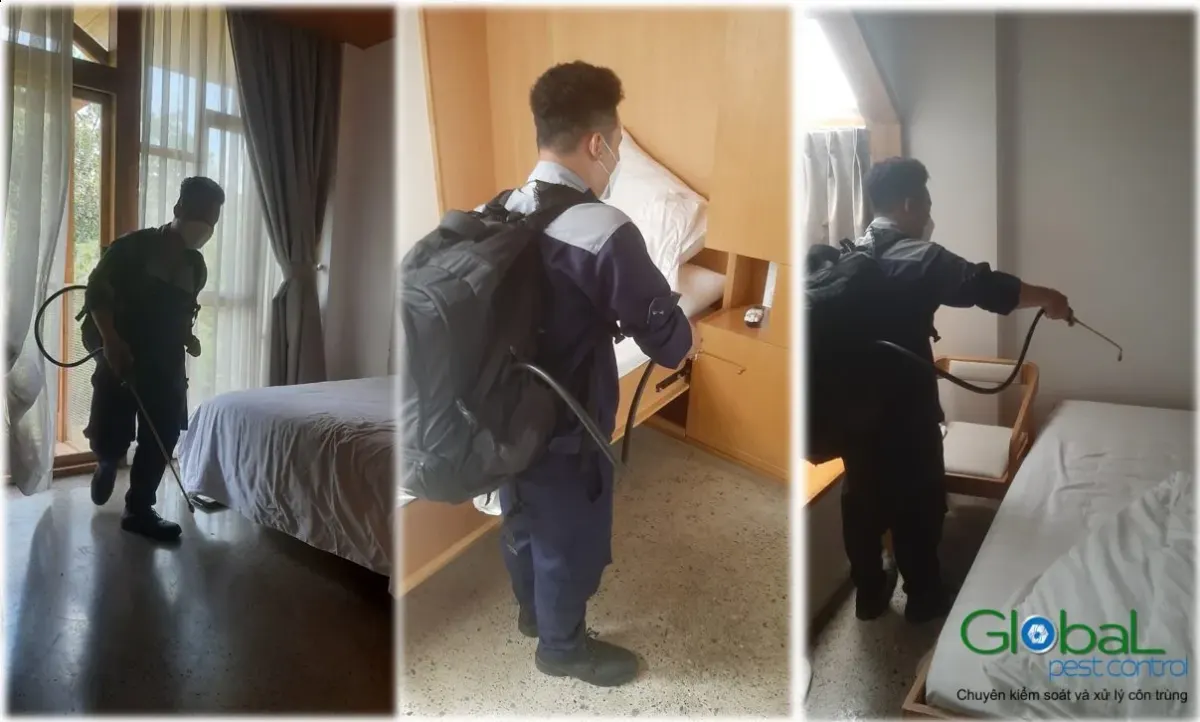
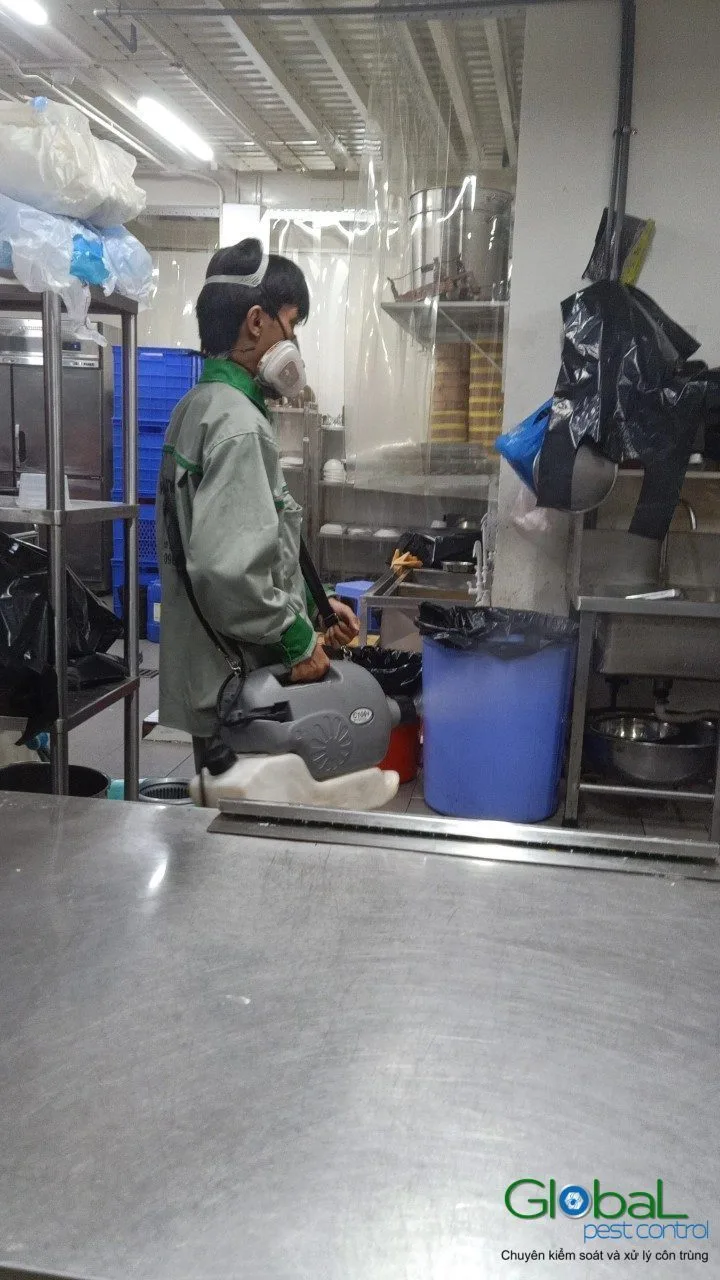
No residual surface treatment on floors, low walls, skirtings, furniture or soft furnishings. No misting in the room or any space sharing air with it while the child uses it; if flying insects need misting, the child stays out until the room is aired. No loose bait or monitor on a floor. No treatment of a cot, a changing surface or anything the child sleeps on.
That removes a large part of the conventional toolkit, which is exactly why proofing, hygiene and physical measures carry more of the load in these households.
What we do instead
Seal the routes: the pipe penetration under the sink, the air-conditioning wall hole, the gap under the door, the floor drain. Fit screens. Then bait inside enclosed voids, residual only into cracks and joints, and monitor.
For mosquitoes, which are the pest that actually matters most for an infant in this city, the answer is almost entirely physical — a fitted window screen, a properly tucked cot net, a fan, and no standing water on the balcony.
The questions worth asking any company
What is the active ingredient. Where exactly will it be placed. Is any of it accessible to a crawling child. What is the re-entry period for each room. Can I have the product data sheet.
A company that answers all five specifically is one you can work with. A company that answers "it is safe, do not worry" has not been asked those questions often enough, and the answer tells you about their training rather than their chemistry.
Timing, which does most of the work
The most useful thing a household expecting a baby can do is arrange any substantial treatment before the child arrives, while the range of acceptable methods is wider and there is no urgency.
Once an infant is in the home, the workable options narrow considerably, and occasionally the right answer is to treat an adjacent area and leave the nursery entirely alone. We would rather say that than perform a version of the work we would not accept in our own homes.
Where our expertise stops
We are not doctors. Questions about a specific child, a specific medical condition, or what to do if somebody has had contact with a product belong with a paediatrician, and the product data sheet is what they will want to see.
What we can tell you with confidence is what was used, at what concentration, and precisely where it was placed — which is exactly the information a doctor would ask for, and which is why it belongs on the report rather than in a conversation.
Related reading
See safety with children, pets and pregnancy and rooms used by children under three. On method, low-toxicity options. For timing, preparing a nursery and re-entry times. Our parent company applies the same standards in Vietnamese on its residential programme.
Global Pest Control is the English-language arm of Khử Trùng Toàn Cầu, based in Thu Duc City.
Common questions
Is there any treatment with genuinely zero exposure?
Physical exclusion — sealing, screens, brush strips, drain inserts — has no exposure at all and it is permanent. Monitoring devices with no active ingredient are the same. Between them they resolve more household situations than people expect, and for a home with a newborn they are the first thing we propose rather than the fallback.
Our building mists the corridors. Should we be concerned?
Ask what is used and when, and keep windows and doors on that side closed during and shortly after application, with the apartment aired afterwards. Corridor misting in Vietnamese buildings works only if the breeding water in the building is dealt with at the same time, which is a reasonable thing to raise with management on its own merits.
Do you have a product list we can show our doctor?
Yes, and any company should. We name the active ingredient and concentration on every report and supply the safety data sheet on request, usually the same day. If a contractor cannot produce those, that is a record-keeping problem rather than a chemistry one, and it is worth knowing before rather than after.