A Spotless Kitchen With Cockroaches: How
The hardest part of a residential cockroach visit is often not technical. It is that the customer is embarrassed, and has usually spent the previous week cleaning a kitchen that was already clean.
So it is worth saying plainly: cleanliness is not the variable that decides this. It affects how fast a population grows and it does not decide whether one starts.
How little they actually need
A German cockroach can sustain itself on quantities of food that no cleaning regime removes — the grease film inside an extract hood, crumbs in the gap between two cabinet units, the residue under a fridge seal, soap film, cardboard, glue on packaging, and the dead of its own population.
A kitchen wiped every evening still has all of those, because none of them are on the surfaces that get wiped. This is why "clean harder" is such poor advice.
The four things that actually matter
Water is the first and it is the one people underestimate. Cockroaches survive much longer without food than without moisture, and a dripping tap, a wet cloth left in a sink or a permanently damp sink cabinet is worth more to a population than any amount of food.
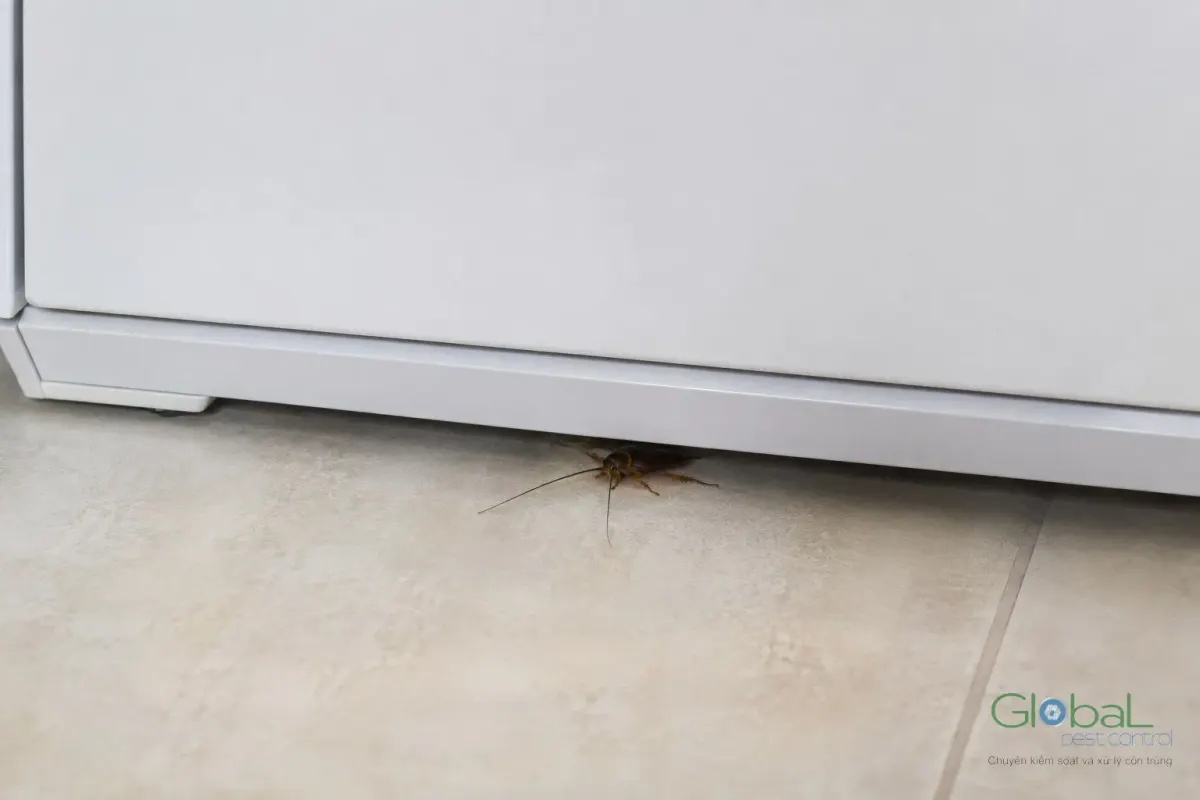
Harbourage is the second: gaps of two to five millimetres where an insect can touch a surface on both sides. Warmth is the third, and in this climate it is guaranteed. Introduction is the fourth, and it is the one that decides whether you have them at all.
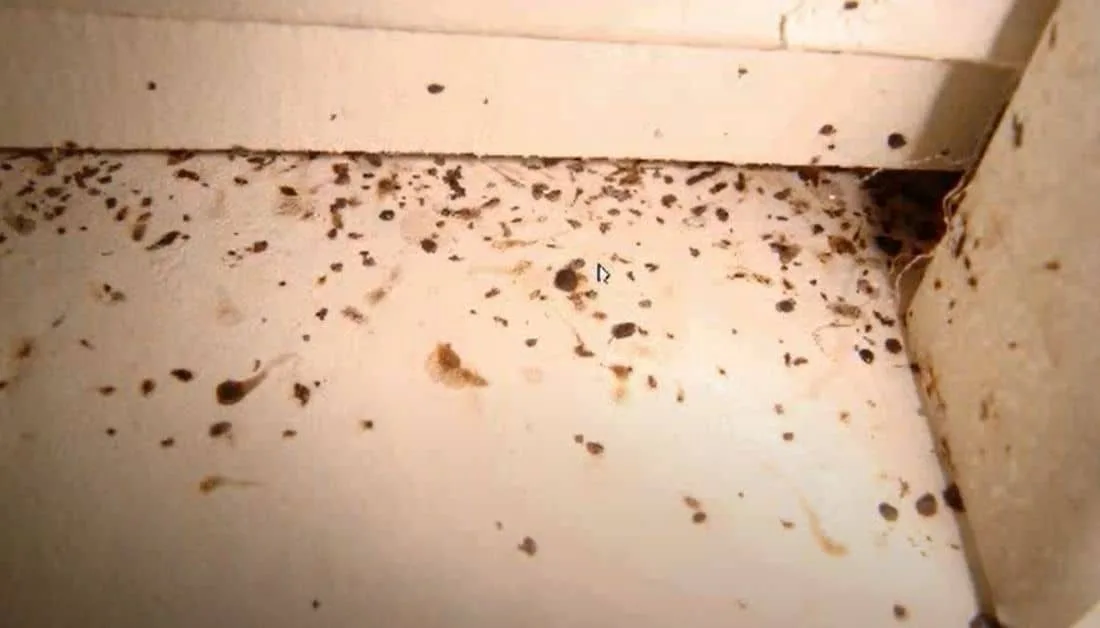
How they get in
German cockroaches arrive rather than appear. In a cardboard box from a supermarket or a delivery. In a second-hand appliance, particularly the motor housing of a fridge or a microwave. In a bag from a market. From a neighbouring unit through a shared wall, a service riser or a common drain run.
That last route is why an immaculate apartment above a restaurant, or next to a unit with a problem, can have cockroaches while doing everything right. The introduction happened in a building rather than in a household.
What cleaning genuinely does
It slows growth, which is worth having. It removes the surface food that supports the periphery of a population, and it disturbs harbourage, which matters more than the removal.
What it cannot do is reach the places that count. The productive locations in any kitchen are the plinth void, the space behind and under appliances, the inside of the hood body and the gap where a pipe passes through a cabinet back, and none of them are part of any normal cleaning routine.
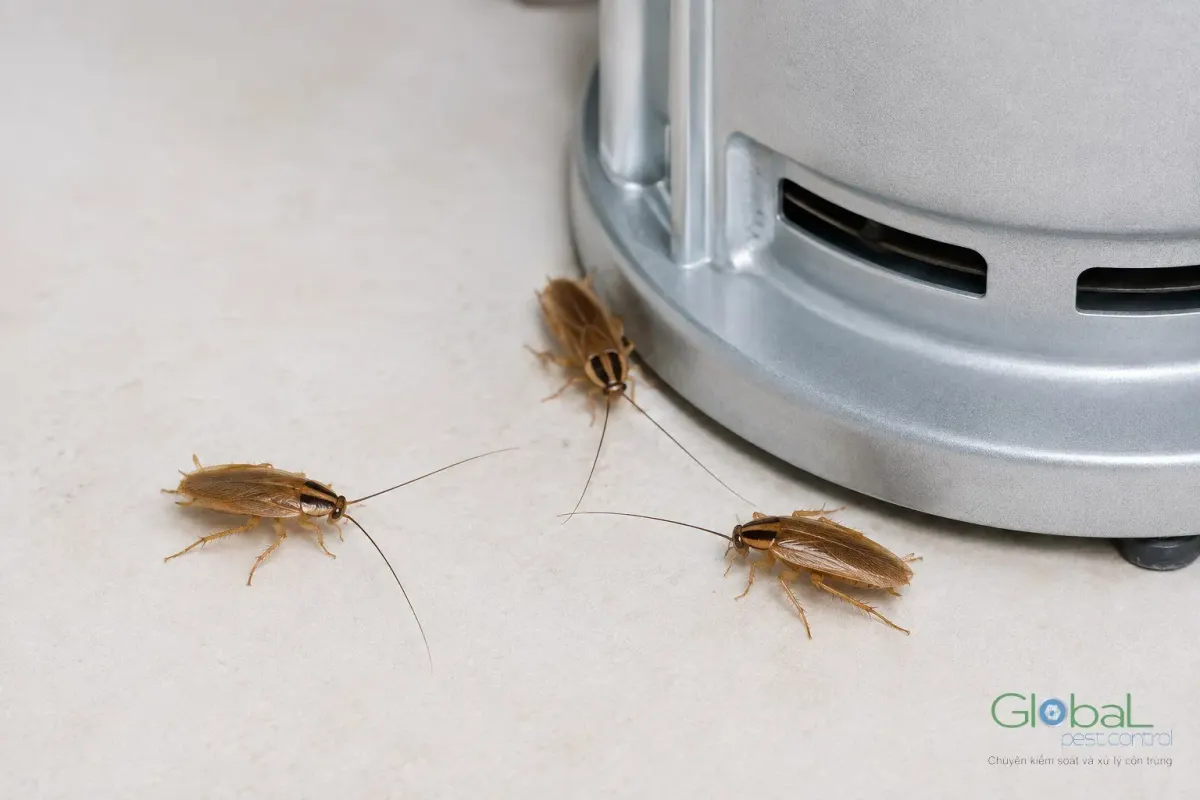
What actually changes the outcome
Fixing the drip and drying the sink cabinet. Sealing the pipe penetration. Pulling out the fridge and washing machine twice a year. Breaking down cardboard the day it arrives rather than storing it. Keeping the floor drain sealed. Storing dry goods in rigid containers.
None of that is cleaning in the usual sense, and all of it does more than an extra hour with a cloth.
There is a version of this that causes real harm, and it is worth naming. Households that believe cleanliness decides the outcome are slow to report a problem, because reporting feels like an admission. In an apartment building that delay is expensive for everybody, since a population that could have been dealt with in one unit in week two is in three units by month four. A neighbour who tells you early is doing you a favour rather than confessing something.
Restaurants and the same misunderstanding
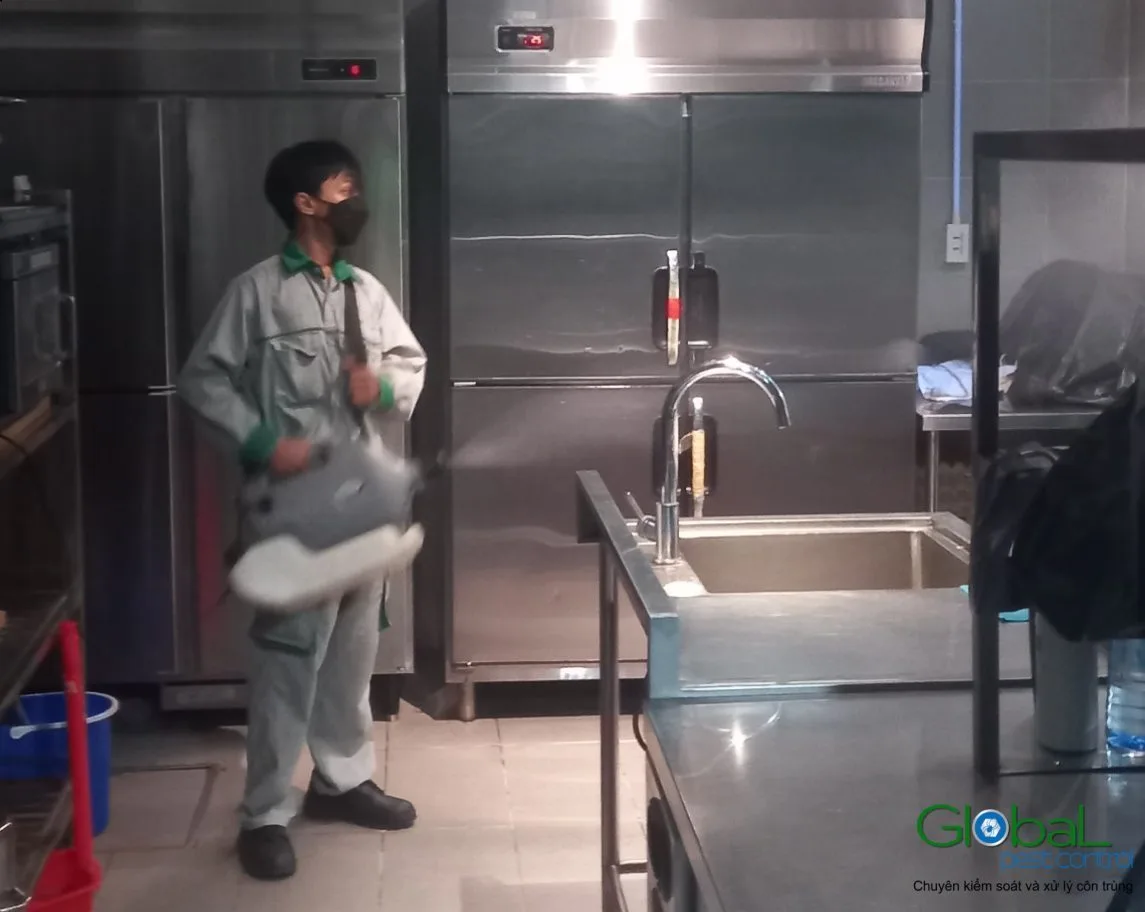
The pattern repeats commercially. A kitchen with immaculate stainless surfaces and a plinth void that has not been opened since installation is a clean kitchen with a harbourage problem, and the deep clean that would change it is a quarterly equipment-moving job rather than a nightly one.
When we tell a chef the problem is not their cleaning, it is usually true and it is usually also the first time anyone has said it.
Related reading
See the two species compared and does cleanliness prevent cockroaches. For the places that matter, the sink cabinet, extract hoods and plinths and hidden gaps. Our parent company runs the Vietnamese-language cockroach control programme.
Global Pest Control is the English-language arm of Khử Trùng Toàn Cầu, based in Thu Duc City.
Common questions
My neighbour has them and I do not. Will I get them?
Possibly, and it depends on the routes between the units rather than on either household. Sealing the penetrations on your side — pipe entries, the gap under the door, the riser wall if accessible — is the effective response, and it is worth doing before rather than after. Treatment of your unit while the neighbour is untreated is a temporary measure at best.
Should I stop bringing cardboard boxes home?
It is one of the few genuinely useful behavioural changes, particularly boxes from supermarkets, markets and warehouses, which are the classic route. Unpack deliveries at the door and put the cardboard straight out rather than storing it flattened in a cupboard.
Is it my fault?
Almost certainly not, and it is worth being direct about that. Introduction is the deciding factor and it is largely outside a household\x27s control, particularly in an apartment building with shared structure. What is within your control is how quickly you act once you see the first one.