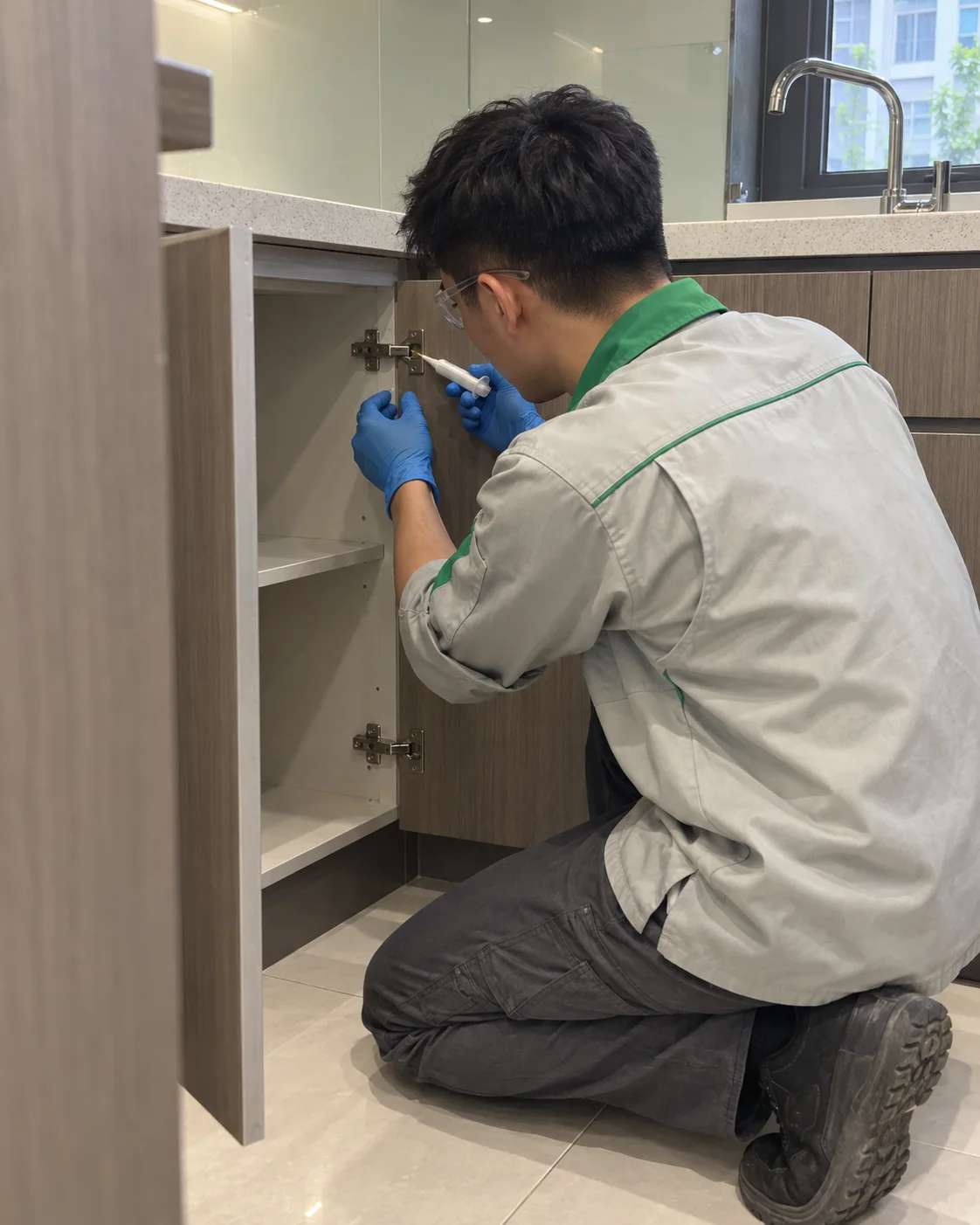
Why Pests Come Back After a Treatment
A treatment reduces activity for six weeks and then the problem returns. This is common enough that people conclude pest control does not work. In almost every case it comes down to one of five causes, and they need different answers.
One: the source was never inside your unit
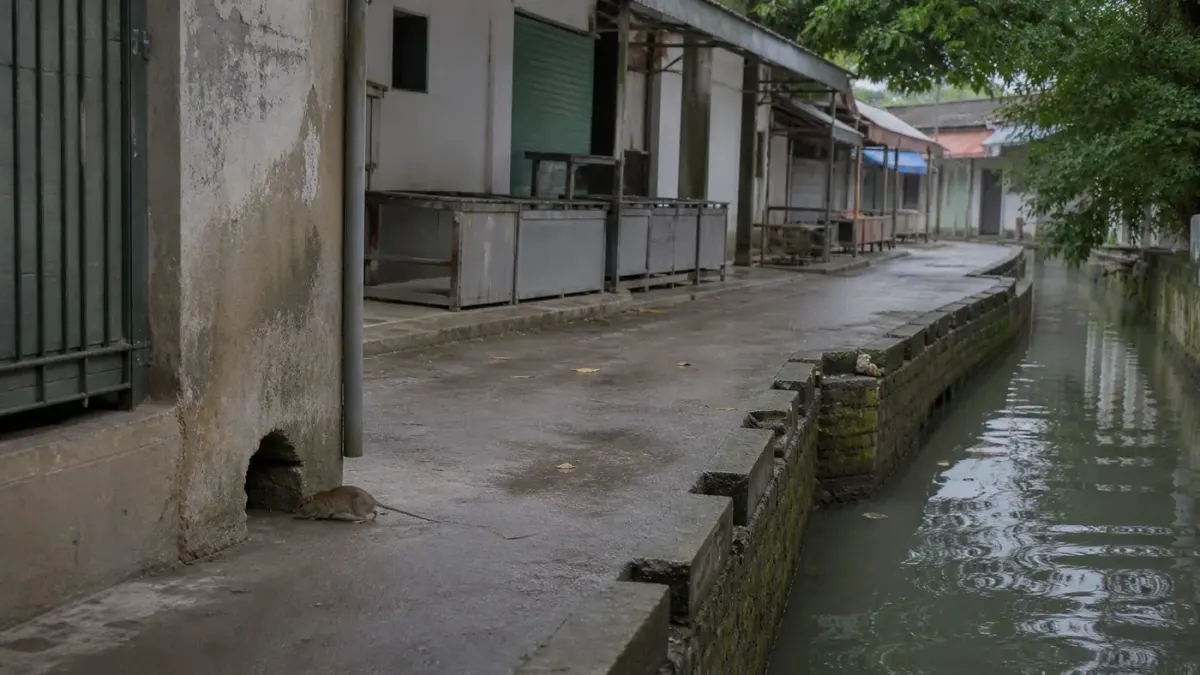
If the population lives in a shared drainage stack, a service riser or the ceiling void, treating your apartment removes the insects that were visiting. The source is untouched and refills the space.
The clue is species and timing. American cockroaches appearing at night in bathrooms, in ones and twos, are almost always coming from drainage. Neighbours in the same stack reporting the same thing confirms it.
Two: the treatment was cleaned away
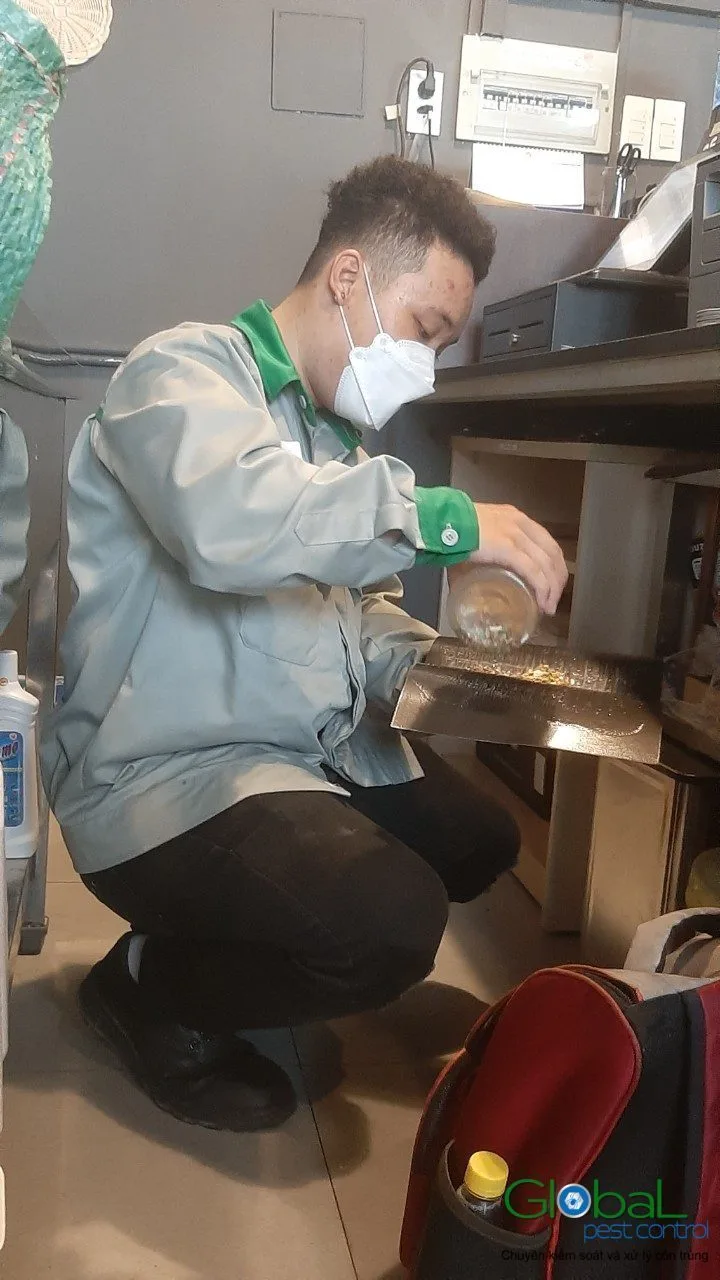
Gel bait wiped out during a thorough clean, or residual product washed off skirting and cabinet interiors, ends the treatment early. This is the most common cause in homes where the visit clearly worked at first.
The fix is not a stronger product. It is knowing which surfaces to leave alone for two to three weeks.
Three: no follow-up for the next generation
Eggs already laid are not affected by most treatments. Cockroach oothecae hatch over two to six weeks; ant brood continues developing. A single visit against an established population therefore leaves a second generation to emerge.
This is why a proper quotation includes a follow-up at two to three weeks rather than treating that as an upsell.
Four: the entry points are still open
- Unsealed gaps around pipes under sinks and behind washing machines
- A dry floor gully with no water seal
- A gap under an entrance or service door
- A broken or missing drain grille
- Cardboard stored in a cupboard, providing new harbourage
Treatment reduces a population. Proofing decides whether a new one can establish. A programme that never includes the second is a subscription rather than a solution.
Five: the wrong method for the species
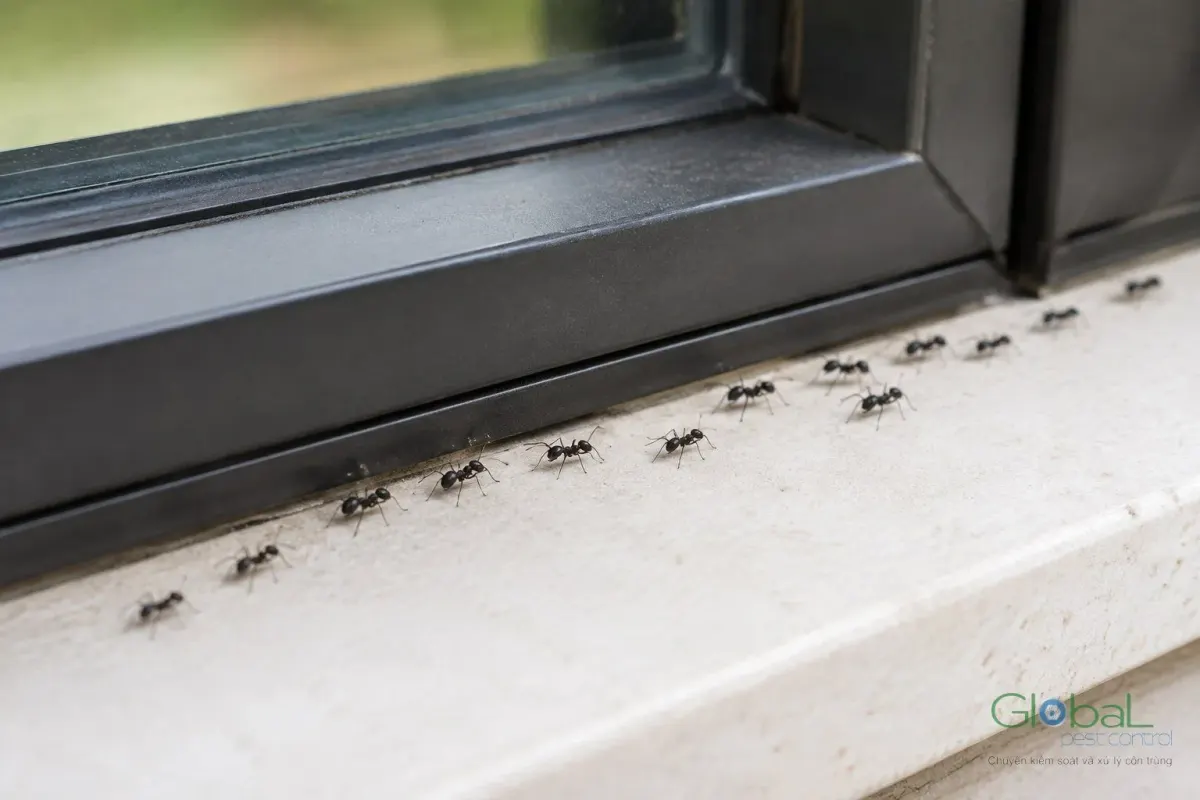
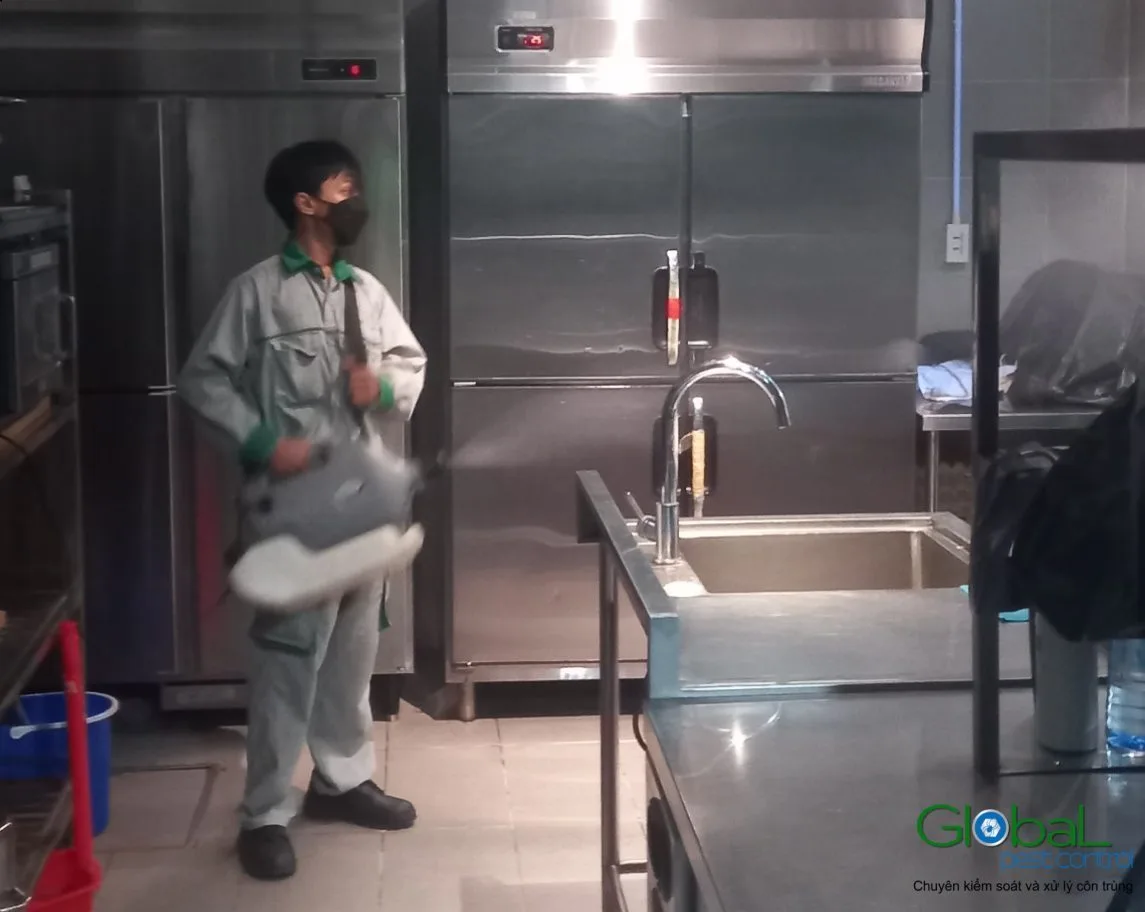
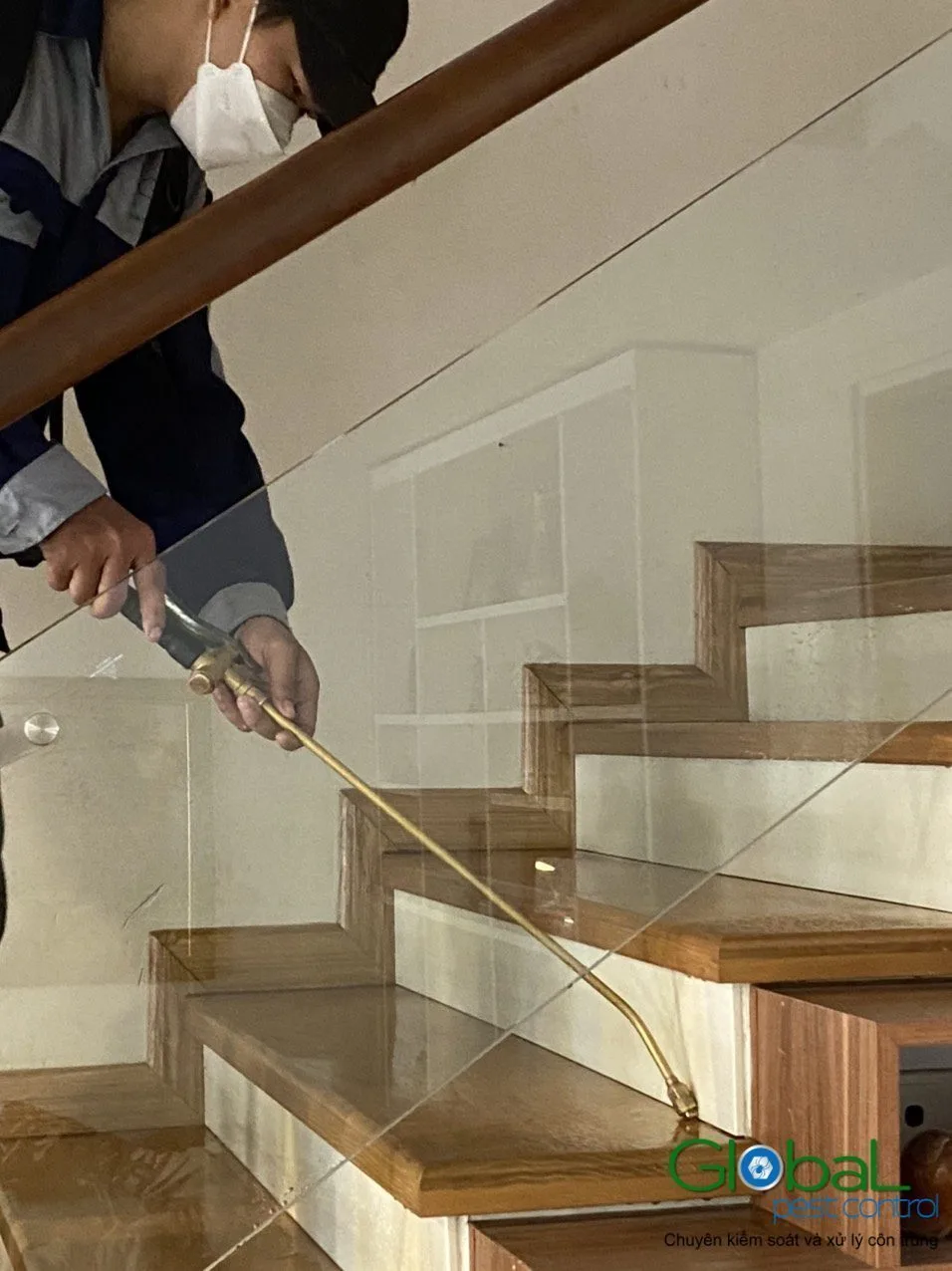
Spraying a German cockroach population scatters it. Spraying an ant trail leaves the colony. Fogging for mosquitoes without removing breeding sites clears the adults for a few days. In each case something visible happened and nothing structural changed.
How to work out which one applies
Three questions usually settle it. Did activity stop completely and then return, or did it never stop? Is it the same species and the same room, or different? Did anyone clean the treated areas within three weeks?
Never stopped points to method or to an untreated source. Stopped and returned at four to six weeks points to a missed generation or to cleaning. A different species or a different room usually means a second, separate problem, and it should be diagnosed rather than treated with more of the same.
A sixth cause: the problem was never diagnosed
Sometimes the treatment failed because the target was wrong. Small brown insects in a kitchen might be German cockroaches, or they might be stored product beetles from a bag of flour, in which case cockroach gel will do nothing at all.
If a treatment has no effect whatsoever — not reduced, not delayed, simply unchanged — the first thing to question is the identification rather than the product.
What a reasonable warranty covers
- A return visit within a stated period if activity continues, at no charge
- A clear statement of what voids it, such as structural work or a new source
- An exclusion for building-wide problems outside the treated boundary, stated honestly at the outset
- A period long enough to cover a full life cycle: six to eight weeks for cockroaches rather than two
A guarantee of permanent eradication in a shared building is not a strong warranty; it is a claim nobody can honour, and it usually comes with conditions that make it unusable.
When repeating is the right answer
Not every recurrence is a failure. In a townhouse next to a market, or an apartment above a restaurant, external pressure is constant and the realistic goal is control rather than elimination. A programme that keeps the property clear with quarterly work is succeeding, even though the pests have not gone away.
The distinction worth making is between a programme that holds a known pressure down and a series of treatments that never achieve anything between them.
Keeping a record that makes the next visit useful
Write down what you see and when: date, room, species if known, how many. Two lines a week is enough, and after a month it is a picture rather than an impression.
That record answers the questions a technician needs and you would otherwise be guessing at. Did activity stop and then restart? Is it the same room? Is it at the same time of day? Those three determine which of the causes above applies, and getting them right is the difference between a fix and a fourth treatment.
Global Pest Control is the English-language arm of Khử Trùng Toàn Cầu. The same technicians and the same programmes are described on the Vietnamese service pages.
Book an inspection
Site inspections are free of charge and carry no obligation. A technician walks the property, identifies the species and the harbourage, and sends a written quotation with the method and the schedule — normally within one working day.
Request an inspection · See indicative prices · All services