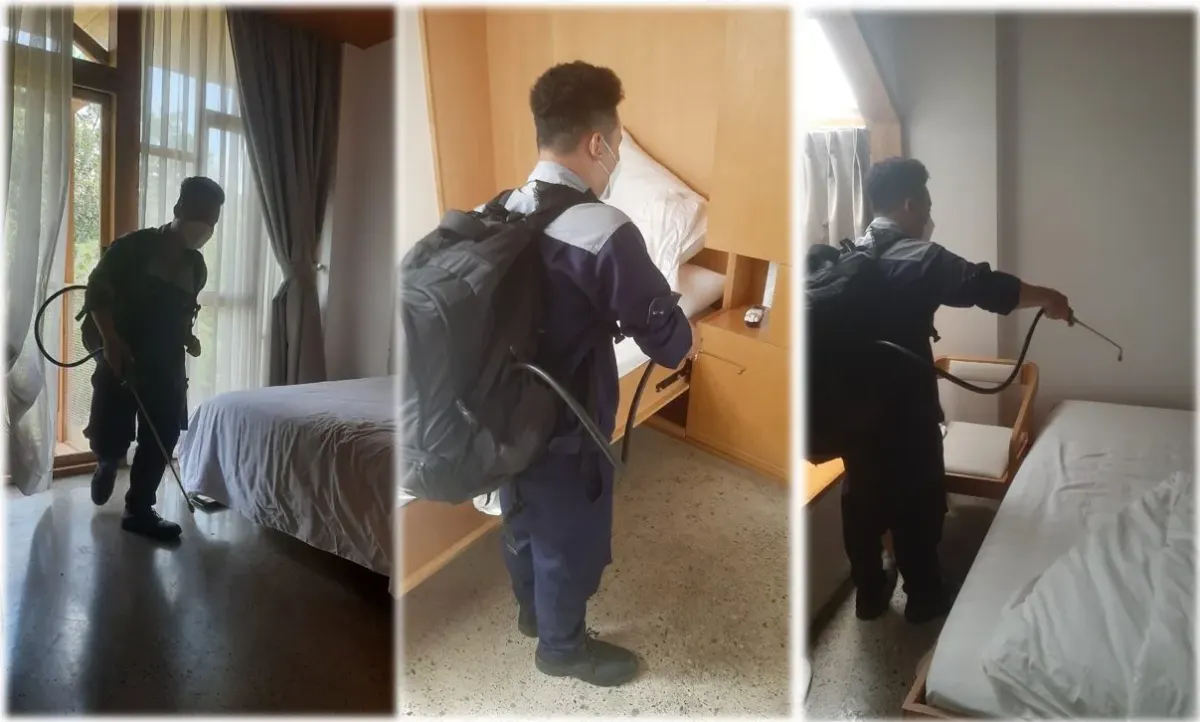
Can You Sleep in a Treated Room the Same Night
It is the question people actually want answered, and it is often the one they do not ask because they assume the answer is no.
For most residential treatments the answer is yes, once the stated re-entry period has passed and the room has been ventilated. The exceptions are specific and worth knowing.
The general rule
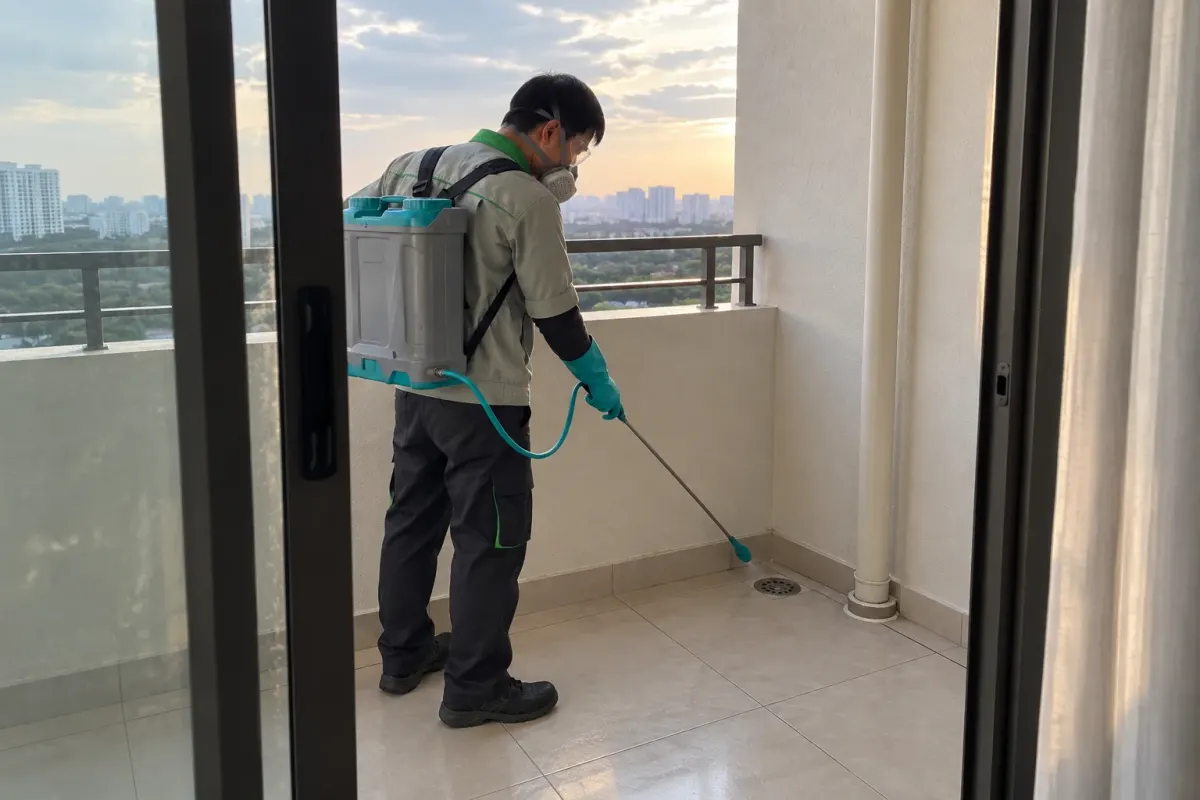
The waiting period after a residual treatment is a drying time. While the surface is wet, product can transfer to skin and to anything placed on it, and the air still carries droplets from the application. Once it is dry and the room has been aired, the deposit is bound to the surface.
For a typical bedroom treated with a residual to the perimeter and skirting, that means two to four hours plus ventilation, after which the room is normal to use.
Where nothing at all was applied to open surfaces
If the work was only gel bait inside cabinet voids, there is no re-entry period at all for that room, because nothing accessible was treated.
This surprises people, and it is one of the reasons we prefer those methods. A household that can use its home normally the same afternoon is a household that will schedule the follow-up visit rather than avoiding it.
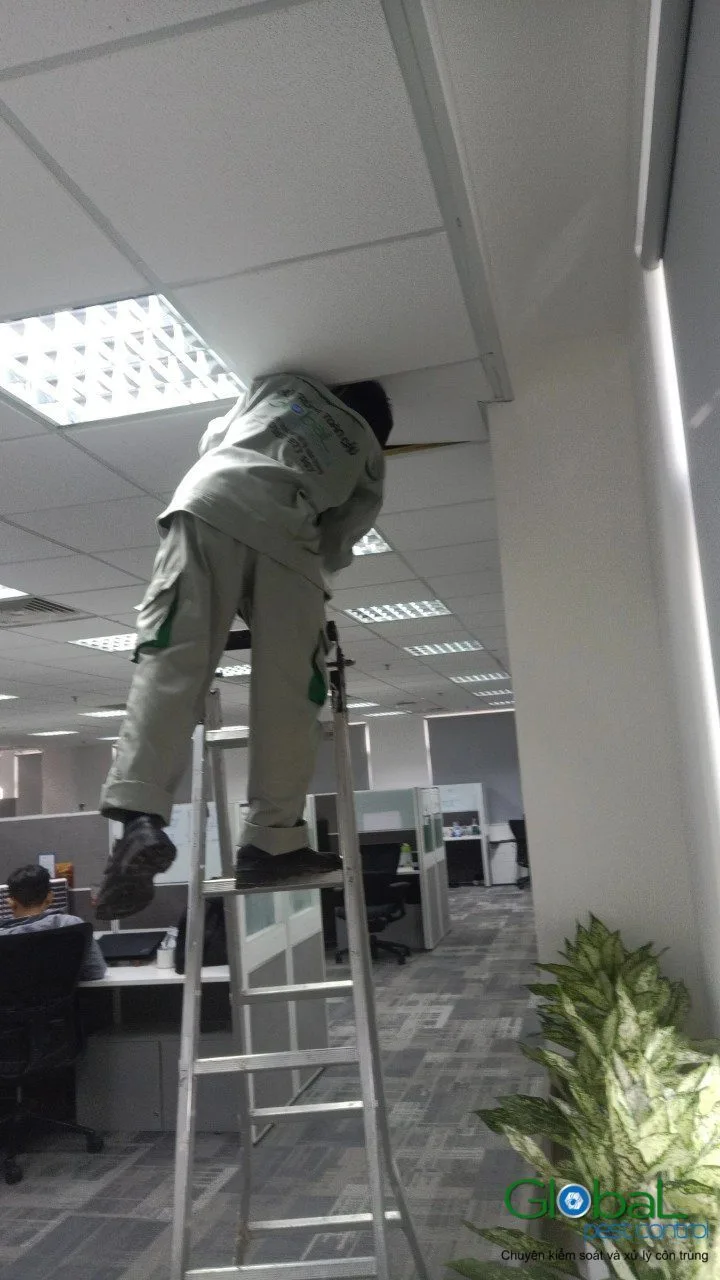
The exceptions
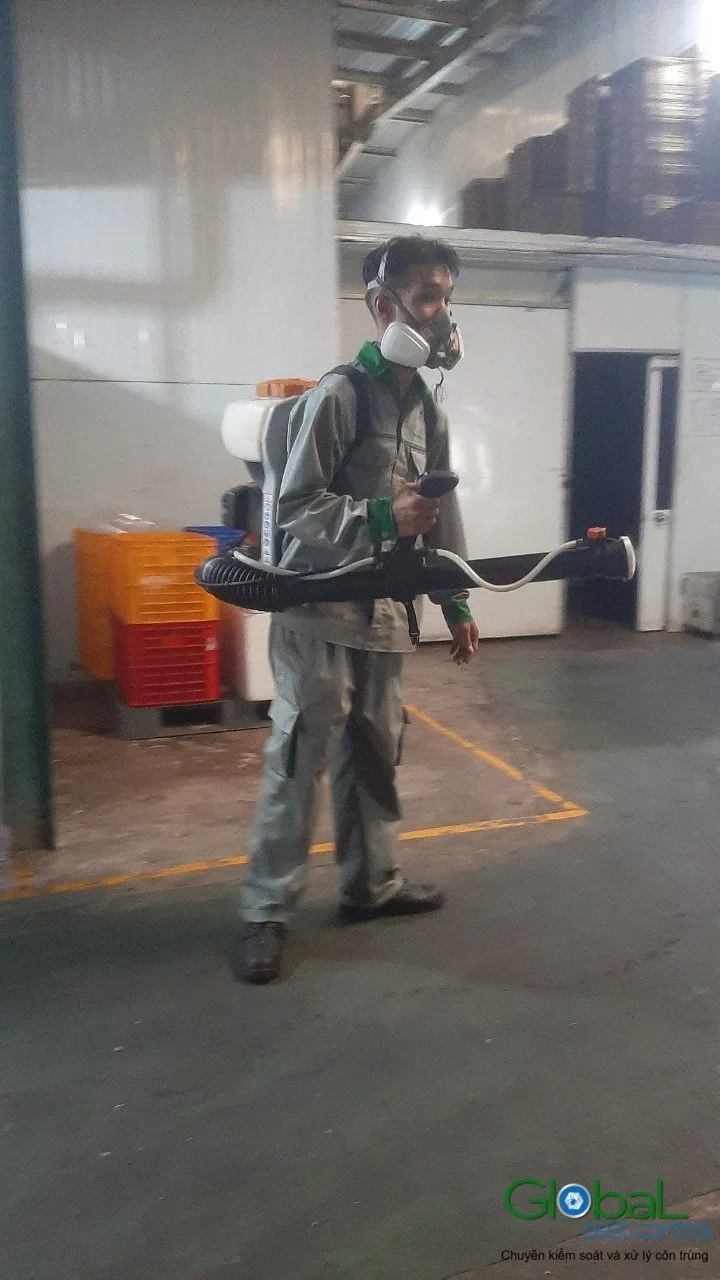
A flea treatment, where floors and soft furnishings are treated over a large area and the usual period is four to six hours minimum. A bed bug treatment of the bed itself. Misting, which needs longer plus thorough ventilation.
And any household with an infant, a pregnancy, asthma or an elderly member, where a longer margin than the minimum is a sensible precaution that costs almost nothing.
The bed bug case specifically
This one runs against intuition. After a bed bug treatment we generally want you to sleep in that bed rather than elsewhere, once the re-entry period has passed and the bedding is fresh.
Bed bugs follow the host. Moving to the sofa or a spare room does not escape them; it extends the infestation into a second room and turns a contained job into a larger one. Staying put is unpleasant for a night or two and it keeps the problem where it can be resolved.
What to do with the bedding
Bedding should be off the bed during any treatment of the bed frame or mattress, and washed hot and dried hot before being put back. Do not put treated bedding back on the bed, and do not put clean bedding onto a mattress that is still damp.
For a bed bug treatment, a mattress encasement fitted after the treatment is worth doing at the same time, since it traps anything remaining inside the mattress and simplifies every subsequent check.
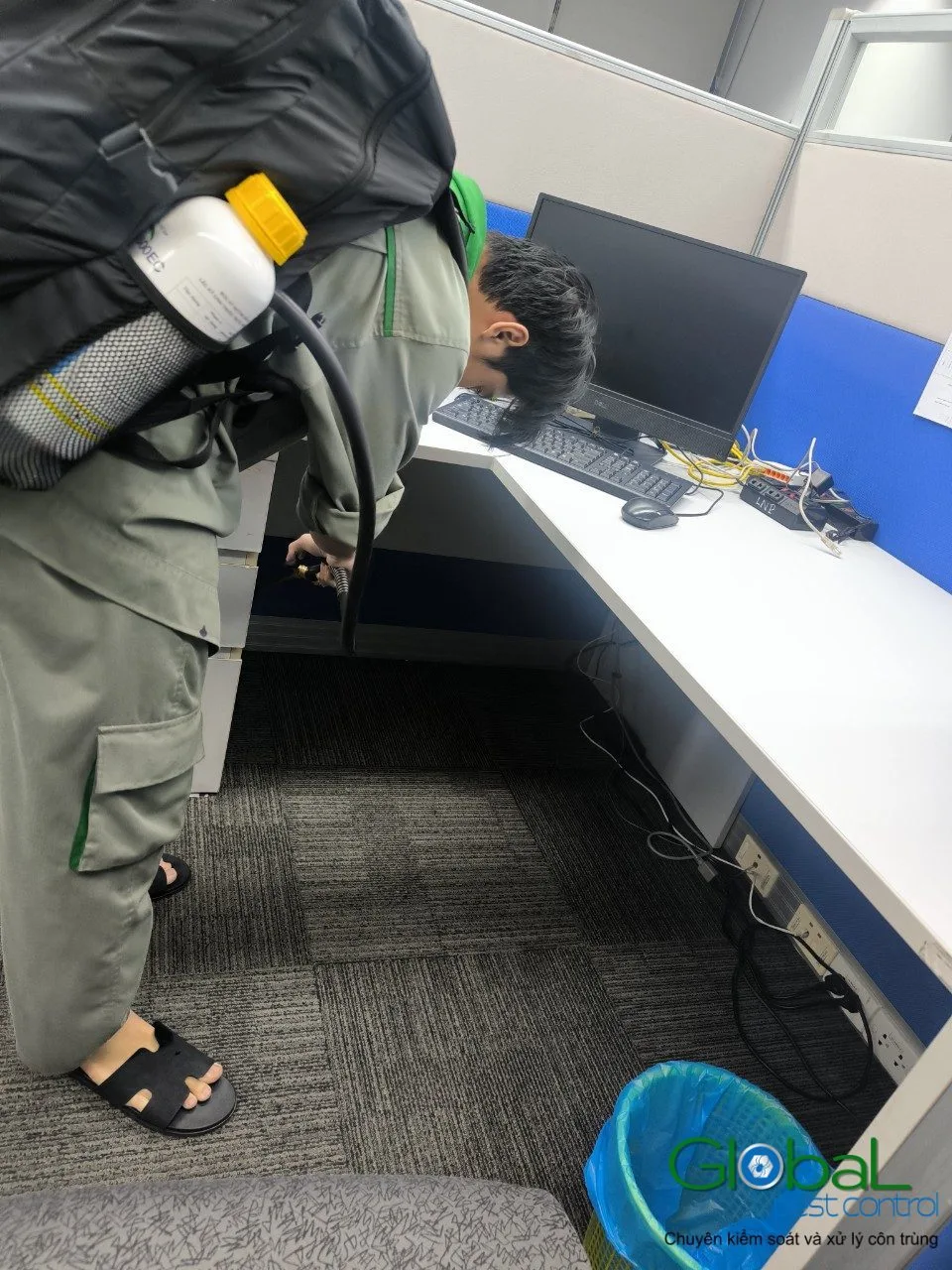
Airing the room properly
Open the windows and run a fan for twenty to thirty minutes before using the room. In a sealed air-conditioned apartment this matters more than in a naturally ventilated one, because there is otherwise very little air exchange.
Do not clean the treated surfaces — the skirting, the wall-floor junction, the bed frame joints — because that removes the deposit. Normal cleaning of everything else resumes immediately.
If you are unsure
Ask which rooms were treated and with what, and what the re-entry period is for each. A good report states this room by room, and being told a single figure for the whole apartment usually means only part of it was treated at all.
Where nobody can tell you, four hours with the windows open is a reasonable default for anything sprayed, and there is no wait for gel bait in closed voids.
Related reading
See re-entry times explained and what not to clean afterwards. For bed bugs, bed bug evidence. On households needing more caution, safety with children and pets. Our parent company applies the same guidance in Vietnamese on its bed bug treatment service.
Global Pest Control is the English-language arm of Khử Trùng Toàn Cầu, based in Thu Duc City.
Common questions
We went back in early. Is that a problem?
For an ordinary residential treatment, returning an hour early is very unlikely to cause harm to a healthy adult. Ventilate the room, wash hands, and wash any skin that touched a wet surface. If a child or a pet spent time on a wet treated floor, wash them and mention it to a doctor or vet if anything seems wrong.
Should we change the mattress after a bed bug treatment?
Usually not immediately. Treatment plus an encasement resolves the mattress in most cases, and replacing it before the room is resolved simply puts a new mattress into an untreated room. If you would rather replace it for peace of mind, do it after the follow-up visit confirms the room is clear.
Can the baby sleep in the nursery tonight?
Only if nothing was applied to an accessible surface in that room, which for a nursery is what we would do in any case — gel bait inside closed voids, and nothing on floors or furniture. Where a residual genuinely had to be applied, we would suggest the room waits until the following day and is cleaned before use.