Handling Guest Pest Complaints in a Hotel
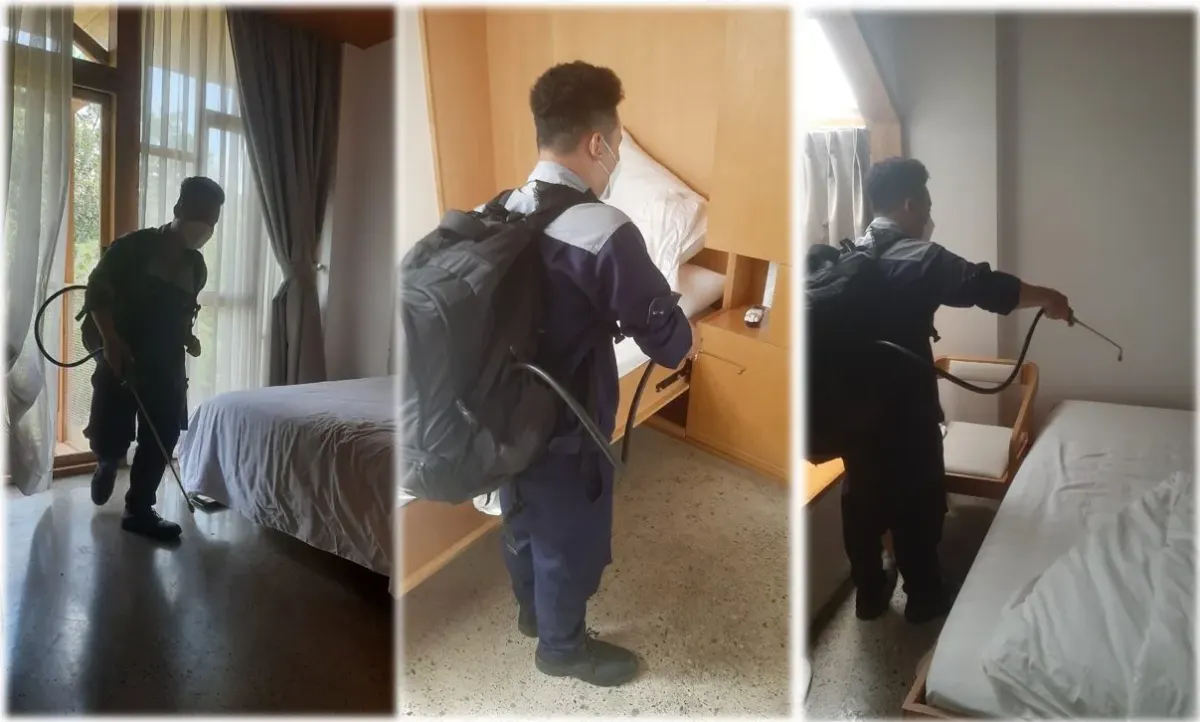
A guest reports an insect in their room. What happens in the next hour decides two separate things: whether the problem spreads, and what the guest writes afterwards. The two are not the same, and the second is usually decided by tone rather than by outcome.
The first hour
- Move the guest immediately, to a room in a different stack and preferably a different floor
- Have their luggage handled separately and offer laundering of clothing if the report involves bed bugs
- Take the original room out of service in the system straight away, not at the end of the shift
- Photograph what the guest reports before anything is cleaned
- Record the report with time, room number and description
Moving a guest to the room next door is the most common mistake. Adjacent rooms share the wall voids, skirting runs and drainage that carried the problem in the first place.
Which rooms to inspect next
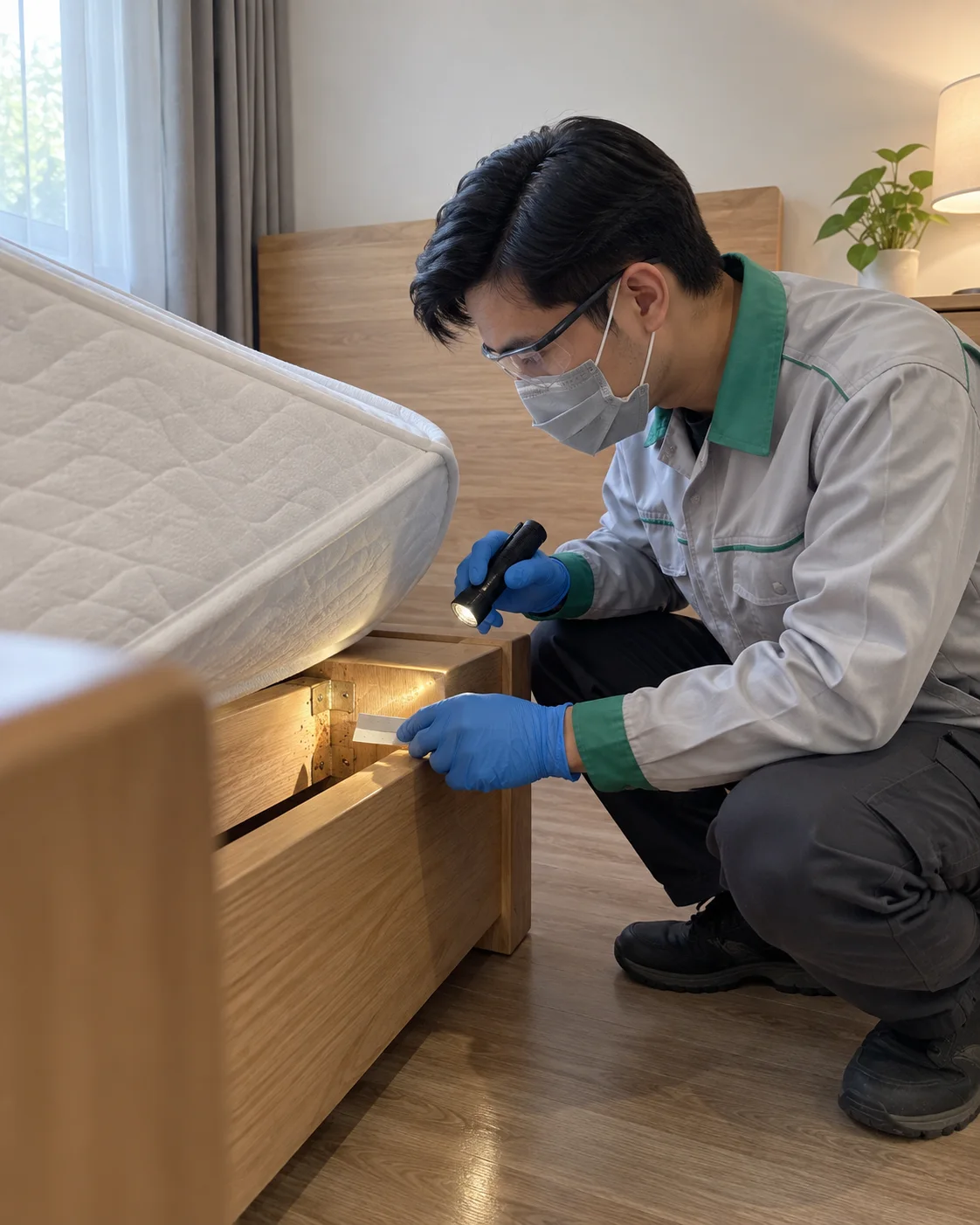
For a bed bug report: the rooms either side, the room above and the room below, on the same day. For cockroaches: the rooms in the same drainage stack, and the service areas on that floor. For ants: the corridor and the nearest pantry or service point.
Inspecting four rooms after a single report feels excessive until the alternative appears, which is four separate complaints across a fortnight and a pattern in the reviews.
What to say to the guest
Acknowledge it directly, say what you are doing, and give a time. "I am sorry, we are moving you now and the room is out of service until it has been treated and re-inspected" is complete and closes the matter for most guests.
What escalates a complaint is disputing it, suggesting the guest brought it, or offering a small discount instead of a room change. All three are read as an attempt to make the problem the guest's.
Bringing the room back into service
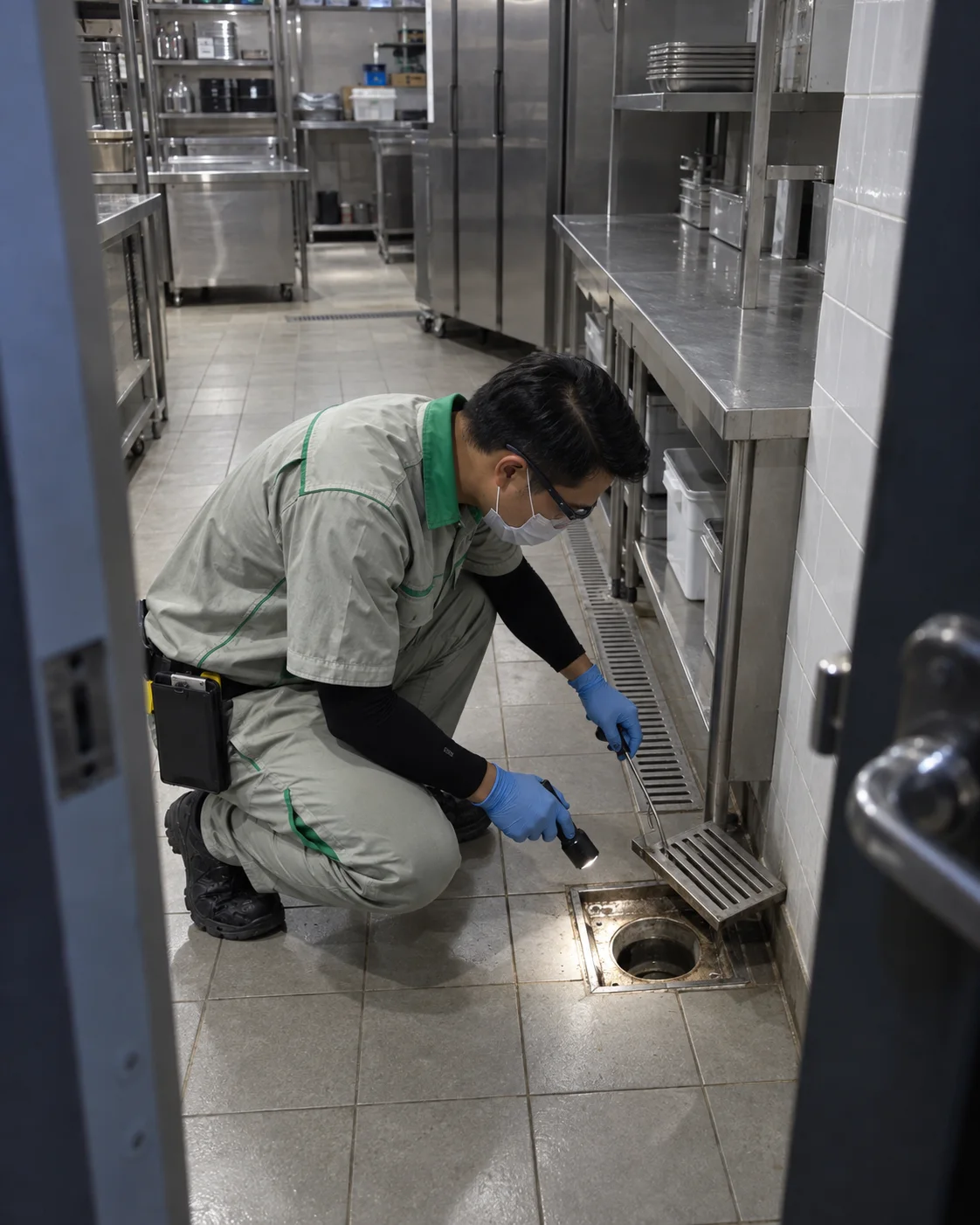
For most insects, treat and re-inspect after a week. For bed bugs, the room should stay out of service for two to three weeks with a second treatment, because eggs hatch on that timescale and a room that looks clear at day five often is not.
Record the release: date, who inspected, what was found. If the same room appears twice in six months, that is a pattern and needs a different response from a third treatment.
What housekeeping should be trained to see
- Dark specks along mattress seams and piping, and on the label
- The joint where the headboard meets the wall
- Bed frame joints and the underside of the base
- Live insects in the bathroom in the morning, which usually indicates drainage
- Anything in the same room twice in a month
A reporting route that does not penalise the person reporting matters more than the training. Housekeepers who expect to be blamed stop reporting, and the first the hotel hears is a review.
What to do with the luggage
For any report involving bed bugs, the guest's luggage is the thing most likely to move the problem to the next room. Offer to launder clothing at high temperature and to have the case treated or bagged, and explain why rather than simply taking it away.
Most guests accept this readily once the reason is explained, and it is the single measure that most reduces the chance of a second report from the same guest in a different room.
Records that protect the hotel
- Date, time, room and description of the report
- Photographs taken before cleaning
- Which rooms were inspected as a result, and the findings for each
- Treatment record, with product and technician
- Re-inspection date and the decision to release the room
- What was offered to the guest and what was accepted
This matters for insurance, for platform disputes, and for spotting a room that has appeared twice. It also demonstrates a system, which is what an inspector or a corporate client will ask about.
Prevention that costs nothing
Encasements on mattresses and bases make inspection quick and remove most harbourage. Luggage racks kept away from beds reduce transfer. Lighter-coloured bed linen makes evidence visible during changeover.
None of these prevents an introduction — guests arrive from everywhere — but together they change a problem that is discovered by a guest into one that is discovered by housekeeping.
Responding to the review afterwards
If a review appears, answer it factually and briefly: acknowledge, state what was done, and do not dispute the guest's account. A reply describing the room being taken out of service, treated and re-inspected reads as competence to every future reader.
What damages a property is not the original review; it is a defensive reply suggesting the guest was mistaken. Prospective guests read the reply more carefully than the complaint, and they are deciding whether the hotel handles problems well rather than whether it never has any.
Training the front desk, not just housekeeping
The first person to hear a report is usually on reception at eleven at night, and what they say sets the tone for everything that follows. They need three things: authority to move a guest without waiting for a manager, a script that acknowledges rather than disputes, and a note to write.
Hotels that give reception that authority resolve most reports the same night. Those that require escalation to a duty manager who is off site resolve them the next morning, by which time the guest has usually written the review.
Global Pest Control is the English-language arm of Khử Trùng Toàn Cầu. The same technicians and the same programmes are described on the Vietnamese pages on hospitality programmes.
Book an inspection
Site inspections are free of charge and carry no obligation. A technician walks the property, identifies the species and the harbourage, and sends a written quotation with the method and the schedule — normally within one working day.
Request an inspection · See indicative prices · All services