Pest Control Products Used in Vietnam: Reading the Label
You are entitled to know what was applied in your home, and a technician should be able to tell you without hesitation. The container label carries three things worth understanding: the active ingredient, its concentration, and a registration number.
Active ingredient rather than brand name
Brand names change between suppliers and countries; the active ingredient does not. It is printed on the label, usually in Latin script even where the rest is in Vietnamese, followed by a percentage or a figure in grams per litre.
Groups you are likely to see in household and commercial work here:
- Pyrethroids — names ending in -thrin, such as permethrin, deltamethrin, cypermethrin. Fast acting contact insecticides, commonly used for residual surface treatment and outdoor work
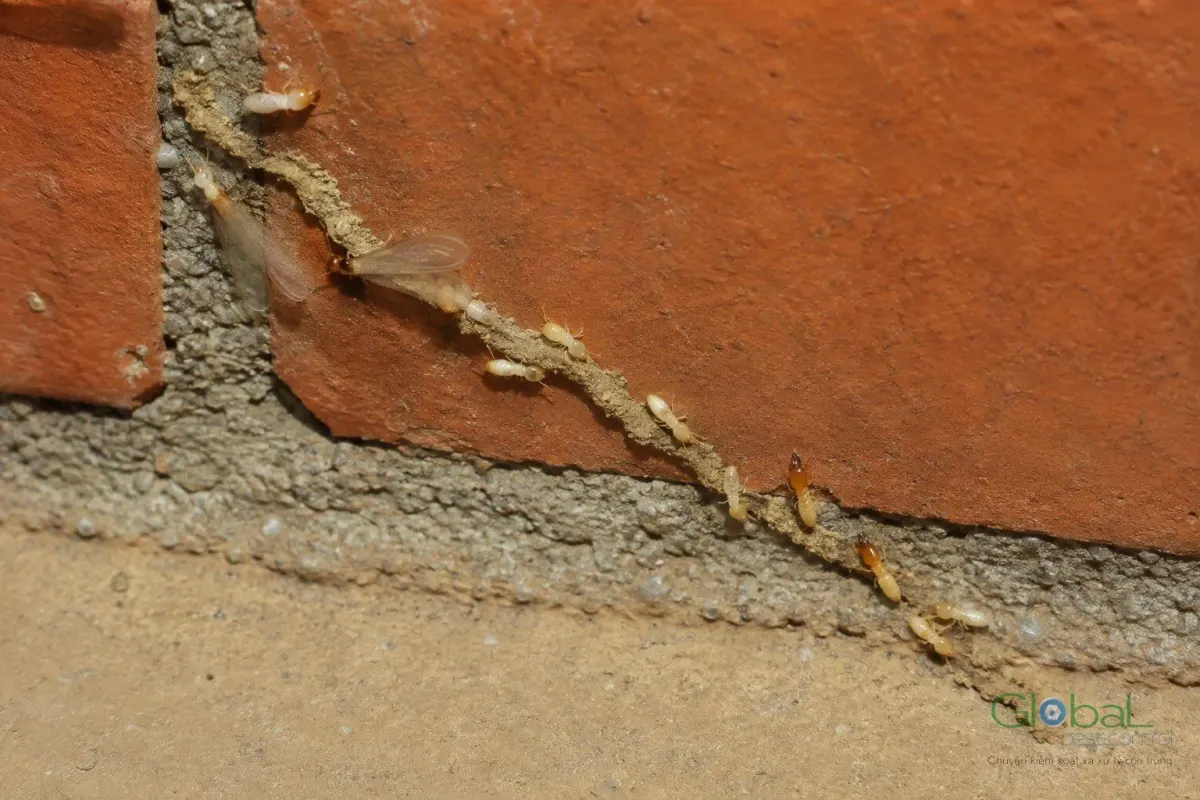
- Neonicotinoids — imidacloprid, dinotefuran. Common in gel baits and in some termite products
- Insect growth regulators — pyriproxyfen, methoprene (never in drinking or household water; methoprene for mosquito larvae only). These do not kill adults; they stop immature stages developing, which is why they are used in long-term programmes
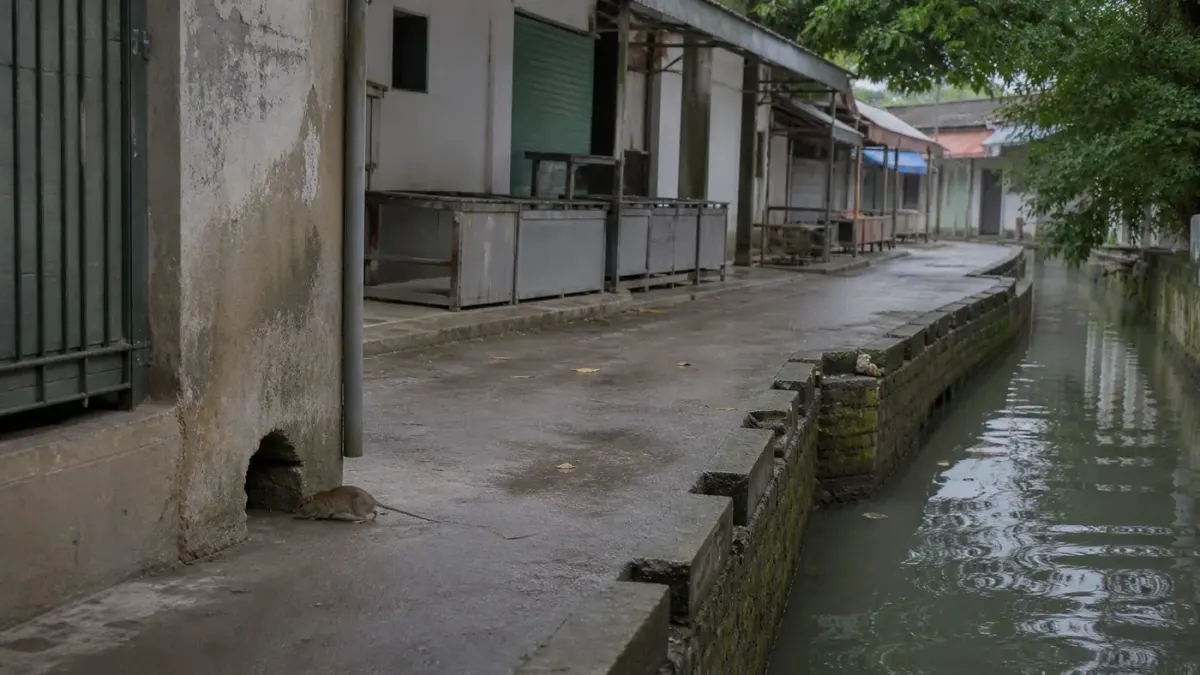
- Anticoagulant rodenticides — bromadiolone, brodifacoum. Used in tamper-resistant stations only
The registration number
Products used commercially in Vietnam are registered with the Ministry of Health for household and public-health use, and the registration is printed on the label. It is a reasonable thing to ask to see, and a company using registered products will show you without difficulty.
A product in an unlabelled container, or decanted into a bottle with handwriting on it, is a reason to stop and ask questions.
What concentration does and does not tell you
The figure on the label is the concentrate. What is applied is diluted according to the label rate for the target and the surface. A higher concentration on the drum does not mean a stronger treatment in your kitchen; it means a different dilution.
Applying above the label rate is not more effective. It increases residue and cost, and for baits it can make the bait unpalatable so the insects refuse it.
Four questions that get a straight answer
- What is the active ingredient in what you are using in my kitchen?
- What is the re-entry period, and when is it safe for a child or a pet to be back in the room?
- Is this product registered for use in an occupied home?
- Can you write the product name on the docket?
None of these is confrontational, and all four are routine for a company that works to a standard. Hesitation on the fourth in particular is worth noticing.
Where extra care is required
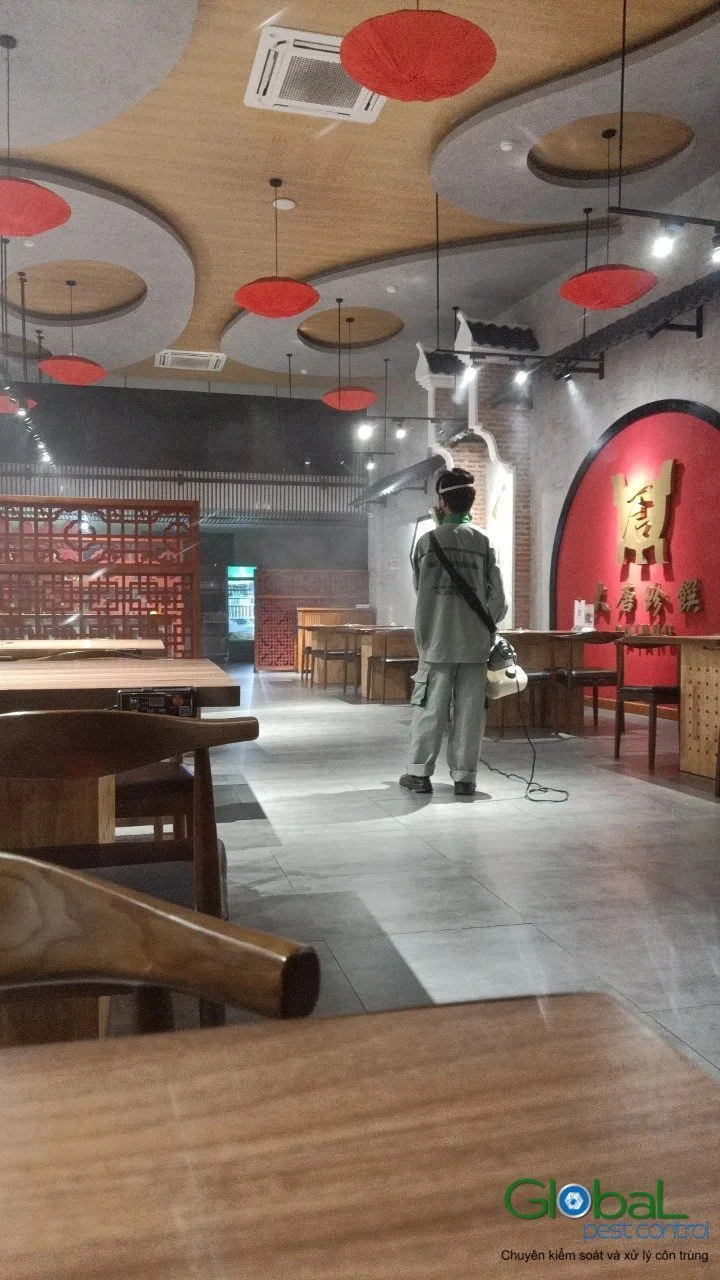
Homes with an infant, anyone pregnant, an aquarium, cats, or a person with asthma need the method chosen around them rather than the standard approach applied and hoped for. In practice that usually means baits and physical exclusion indoors, with residual treatment confined to exteriors.
Say so when you book, not when the technician arrives. It changes what they bring.
Why the same active ingredient can behave differently
Formulation matters as much as the active ingredient. The same molecule in a wettable powder, a suspension concentrate, a gel and an aerosol behaves differently on different surfaces. On porous concrete a suspension holds; on tile it does not last. A gel works in a crack and is useless on an open surface.
This is why a technician who asks what the surfaces are is doing something useful, and why the same product name on two quotations does not necessarily mean the same treatment.
Resistance, and what it looks like in practice
German cockroach populations in cities develop resistance to products that have been used repeatedly. The visible sign is a treatment that used to work and now does not, in a property where nothing else has changed.
The correct response is to change the mode of action, not to increase the dose. A company that rotates actives across a programme is managing this; one that has used the same product for years is likely to run into it.
Storage and disposal
- Products should arrive and leave with the technician, not be stored in your property
- Empty containers are not general waste and should be taken away
- Bait stations remain the contractor's equipment and should be removed at the end of a contract
- Nothing should be decanted into a drinks bottle at any point, for any reason
The last one sounds obvious and is the most common thing customers report seeing.
What to keep after the visit
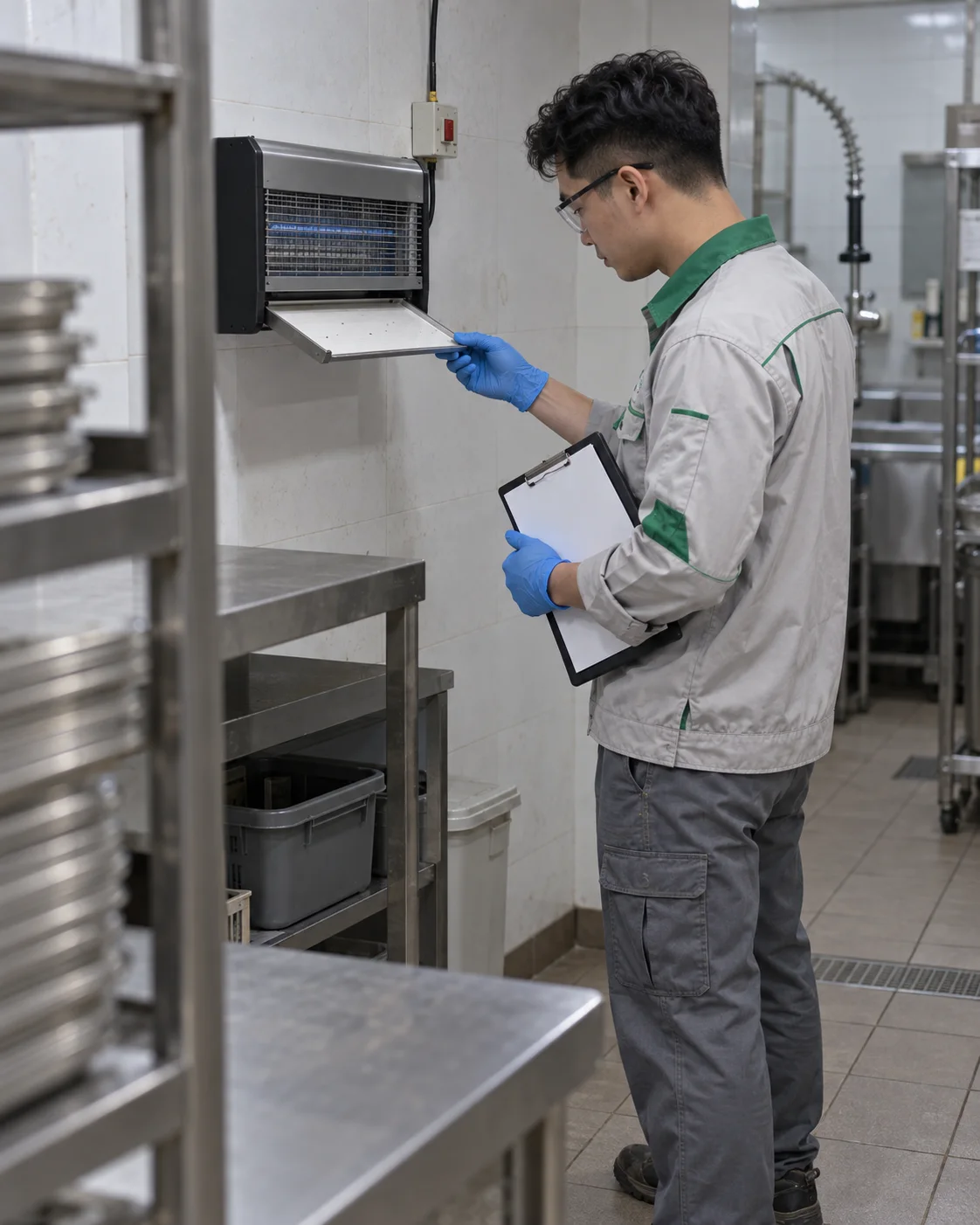
Keep the docket or report with the product name and the date, in the same place you keep appliance manuals. It takes no space and answers questions later: what was used, when, and whether it is time to change the active ingredient.
For a household with a child, an asthmatic or a pregnancy, that record is also what a doctor would ask for in the unlikely event of a question about exposure. Nobody has ever regretted keeping it, and plenty of people have wished they had.
Global Pest Control is the English-language arm of Khử Trùng Toàn Cầu. The same technicians and the same programmes are described on our Vietnamese service documentation.
Book an inspection
Site inspections are free of charge and carry no obligation. A technician walks the property, identifies the species and the harbourage, and sends a written quotation with the method and the schedule — normally within one working day.
Request an inspection · See indicative prices · All services