What Twelve Months of Contract Actually Buys
Sites evaluating an annual contract usually divide the price by the number of visits and compare that with a one-off treatment. On that arithmetic a contract almost always looks poor value.
It is the wrong calculation, because most of what a contract buys is not the treatments.
Continuity of knowledge
The first visit to any property is largely a survey, and the fifth visit is where somebody knows that the store room floor drain dries out, that deliveries arrive on Tuesdays, and that the problem two years ago was in the riser rather than the kitchen.
That accumulated knowledge is why the same technician attending a site for a year finds things faster than a new one, and it is the part that is lost every time a property switches to whoever is cheapest this quarter.
The record
Twelve dated reports, a trend analysis and a corrective action log are what an auditor, a customer, an insurer or a landlord actually asks for. A site with three emergency invoices has spent money and has nothing to show.
For a food business the documentation is frequently the primary reason the contract exists, and it is worth being explicit about that rather than treating it as a by-product.
A response commitment
A contract usually includes a stated response time for a call-out — typically twenty-four to forty-eight hours here — and includes those visits within the price. Without one you are a new customer every time, queued behind existing contracts, and paying a call-out fee.
For a restaurant with a Friday evening problem that difference is the whole value of the arrangement.
Devices, serviced
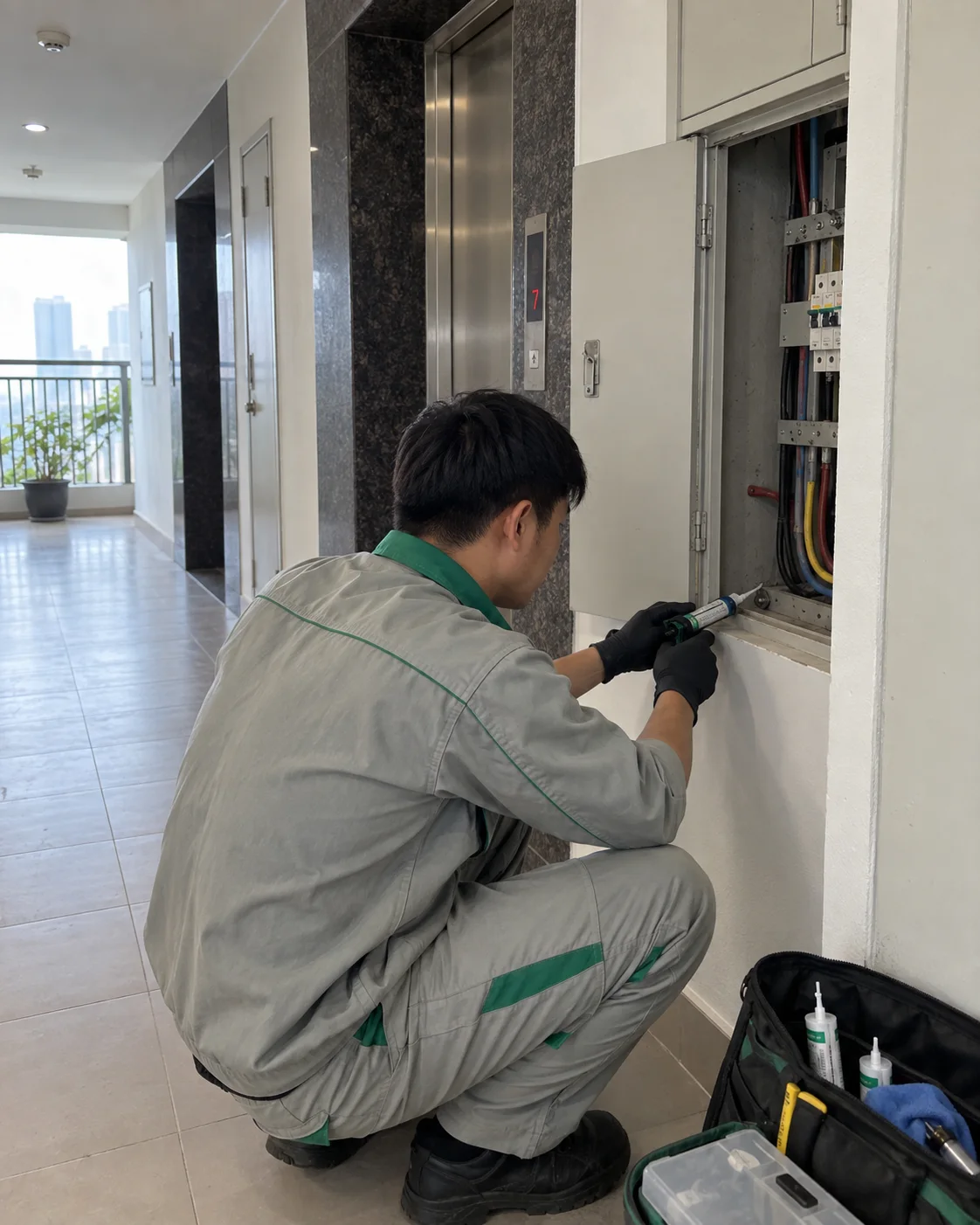
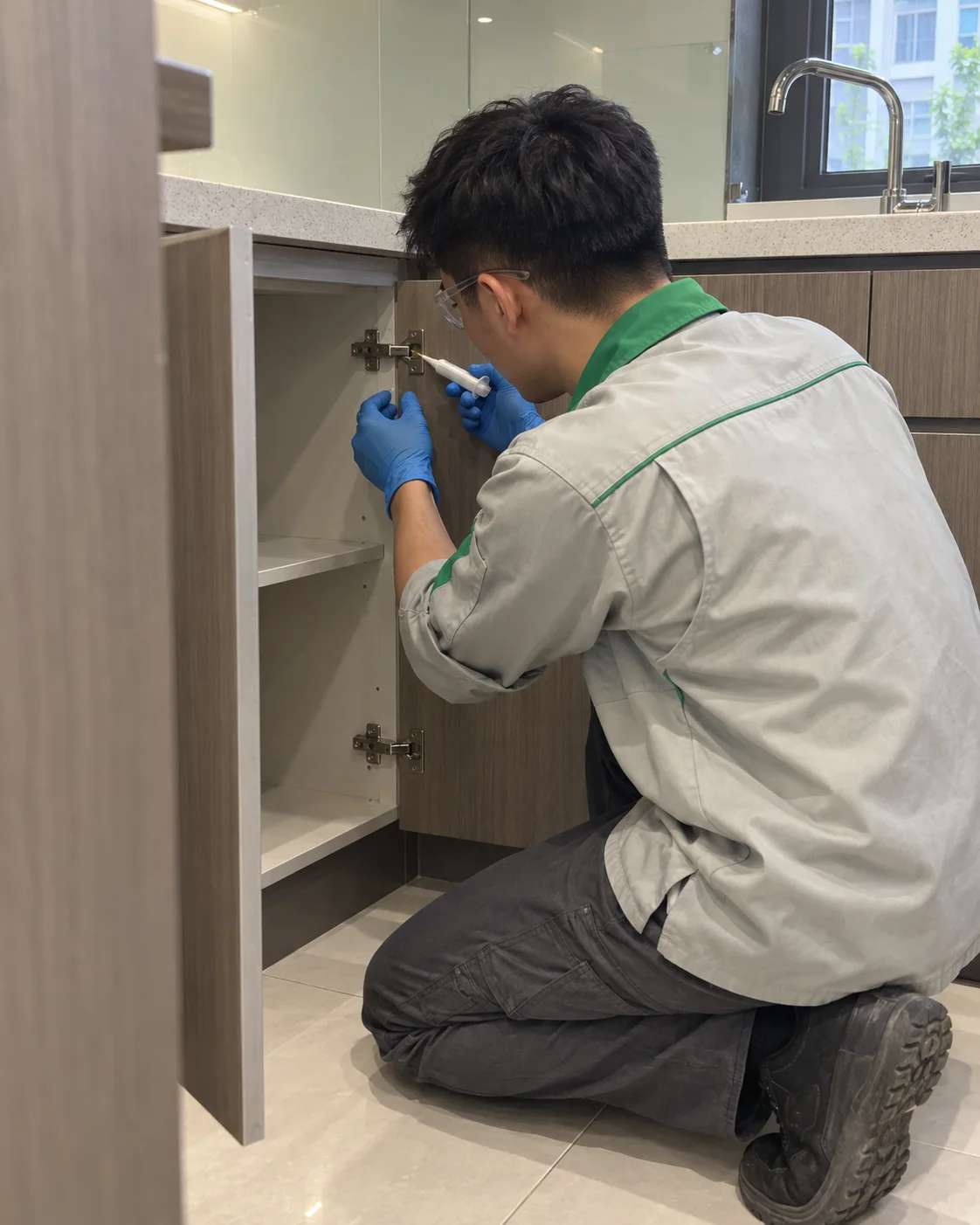
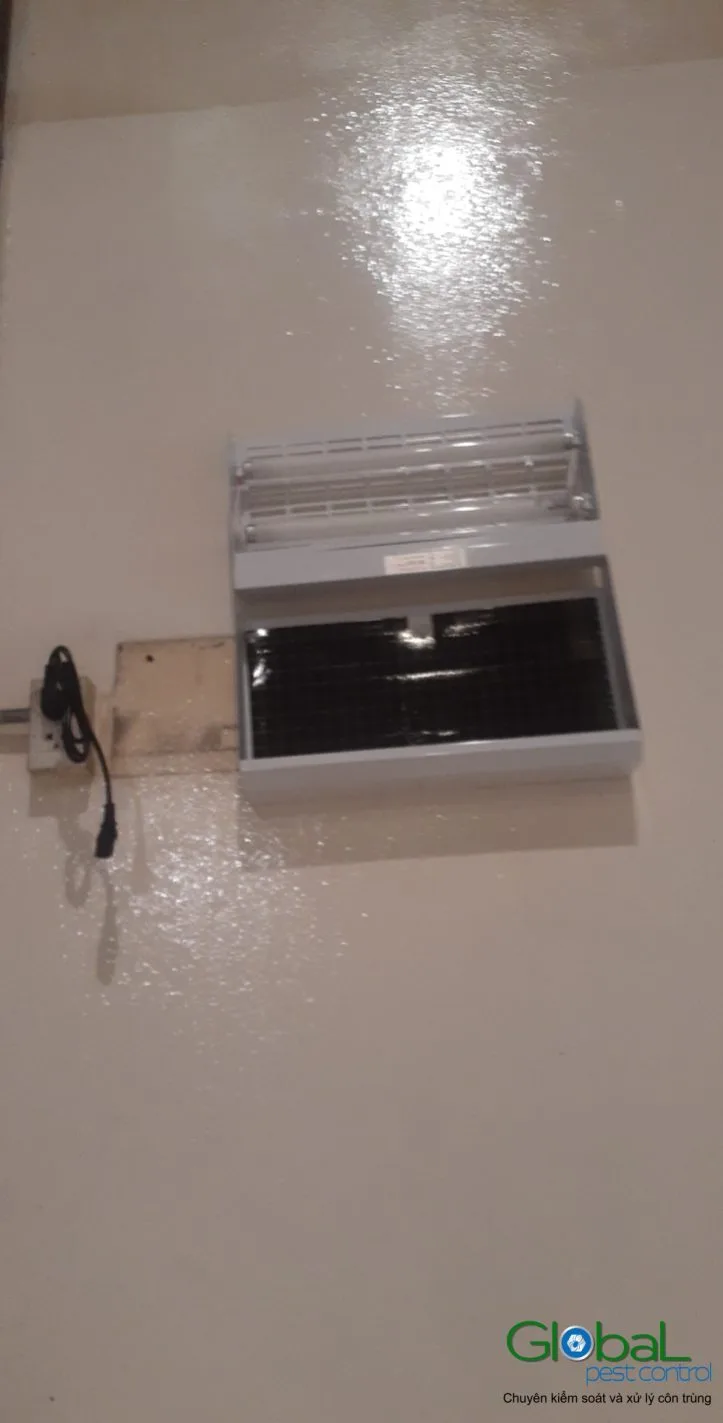
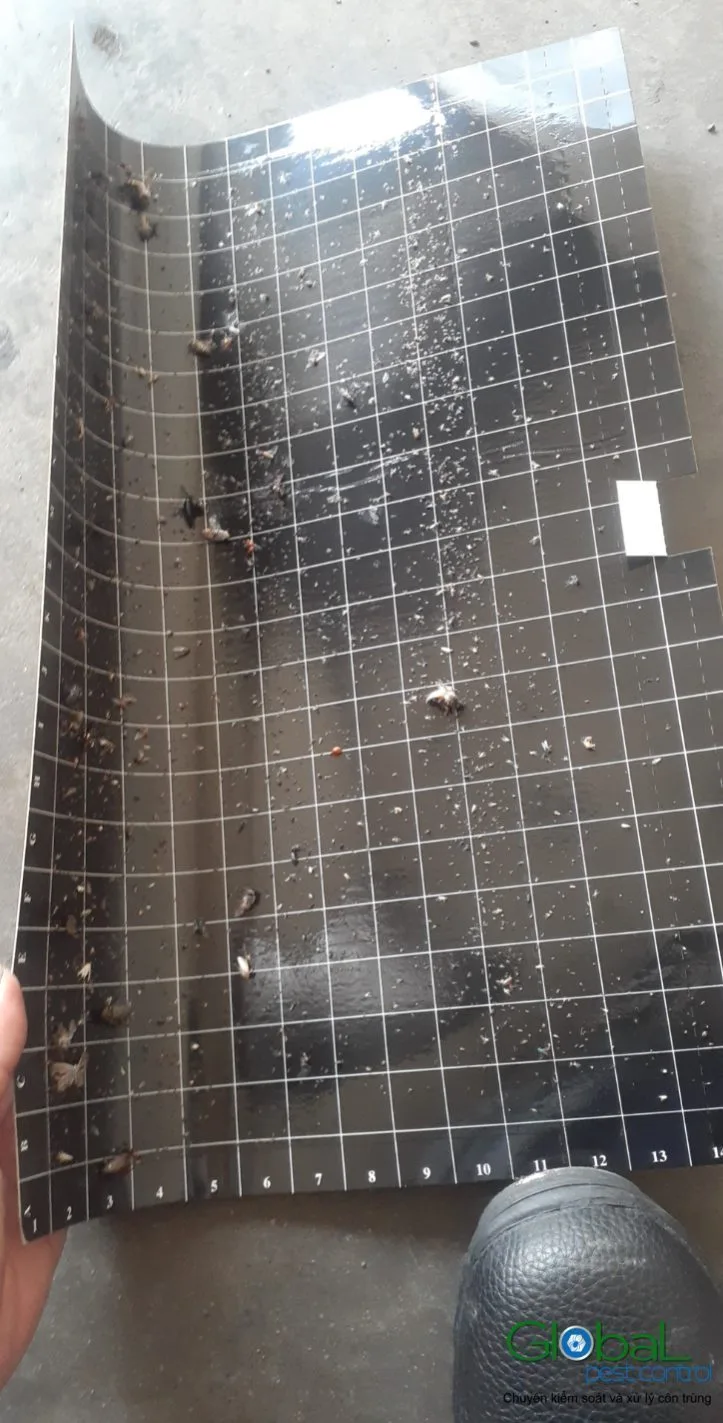
Monitors, bait stations and insect light traps are supplied, positioned, numbered, checked and replaced as part of a contract. Bought individually and serviced by nobody, they become decorative within a few months — stale bait, saturated glue boards, expired lures — and a device that reads as clean because it no longer works is worse than none.
Proofing that gets done
A one-off treatment leaves a recommendation. A contract creates the recurring conversation in which the recommendation is either done or explicitly declined. Over a year that is how a site moves from repeated treatment to fewer entry points, which is the only direction that reduces cost permanently.
A contractor whose programme shrinks over three years because the building got tighter is doing the job properly, and that only happens where somebody is tracking the open items.
What a contract should contain
A defined scope of areas, a defined frequency, named target species, methods, the number of included call-outs and the response time, devices supplied and who owns them, the reporting format and language, and a review point.
If those eight are not in the document, the contract is a payment schedule rather than an agreement, and disagreements later will be about what was assumed rather than what was written.
When a contract is not worth it
For a household with no current problem, an annual visit and a phone number is usually better value than a contract. Even a small office with no food runs on one visit a month; what changes is how long each visit takes.
We would rather say that plainly than sell an arrangement that mostly produces visits nobody needs. The properties where a contract genuinely earns its cost are food businesses, hotels, warehouses, buildings with shared structure, and villas with land.
There is also a price effect that works in your favour over time. A contracted site is planned work on a route, which is cheaper for a contractor to deliver than a reactive visit scheduled around everything else, and that difference is usually reflected in the rate. Sites that move from reactive to contracted frequently find the annual cost similar and the outcome considerably better, because the money buys planned visits instead of premium ones.
The review point
Ask for a three or six month review with a defined exit, particularly with a new contractor. It costs nothing to include, it protects you from a poor fit, and a company that objects to it is telling you how confident it is about the first six months.
Related reading
See one-off treatment or annual contract. On documents, building a file and what a factory contract should include. For comparison, comparing two proposals fairly. Our parent company publishes its Vietnamese-language programmes at khutrungtoancau.vn.
Global Pest Control is the English-language arm of Khử Trùng Toàn Cầu, based in Thu Duc City.
Common questions
Can we pay monthly rather than annually?
Most contractors here offer both and monthly is common. What is worth checking is whether the price differs and whether the response commitment and included call-outs are the same either way. Occasionally a monthly arrangement is a rolling service rather than a contract, which is a different thing with a different exit.
What happens if we have a problem between visits?
That is precisely what the included call-outs are for, and the number of them and the response time should be in the document. If a proposal does not state either, ask, because the answer varies enormously between companies and it is the clause you are most likely to rely on.
Is it worth signing for two years for a discount?
Only after a first year that went well. A two-year commitment to a contractor you have not worked with removes your ability to change course cheaply, and the discount is rarely large enough to justify that. Sign twelve months, review it properly, and negotiate the longer term from a position of knowing.