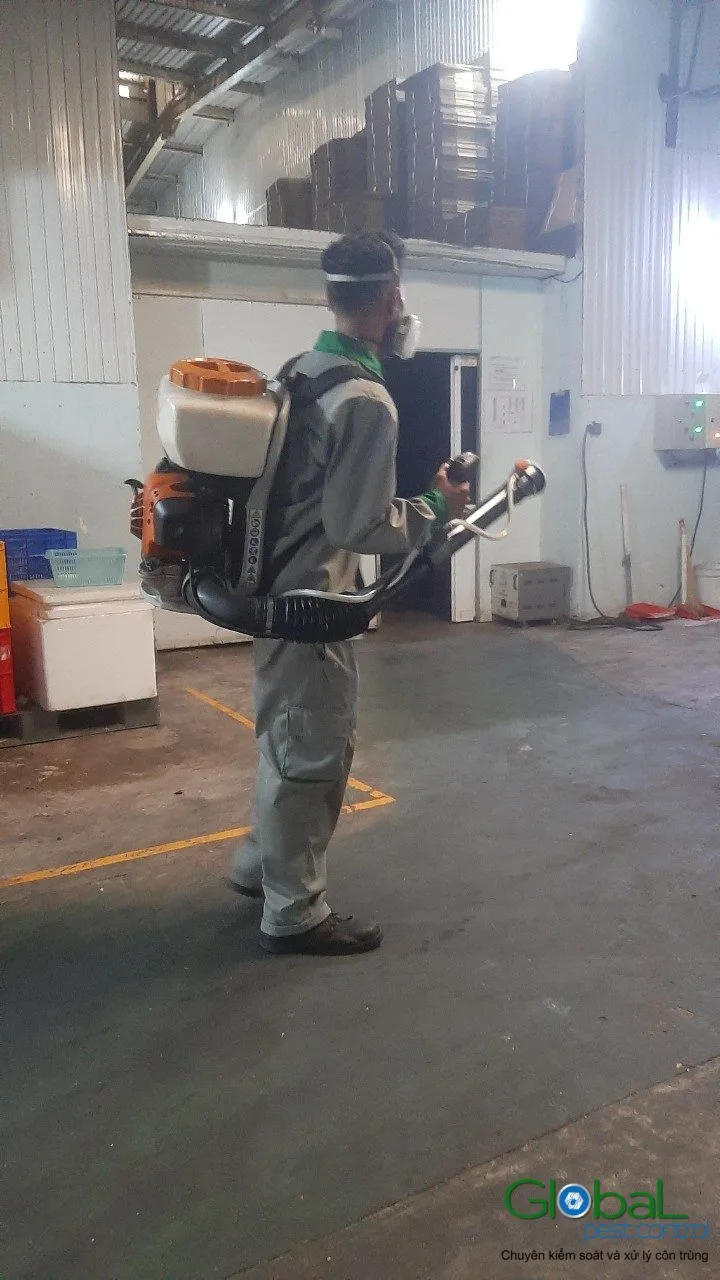
A Pest Calendar for Ho Chi Minh City: What Turns Up Each Month
Ho Chi Minh City has two seasons rather than four, and the pest year follows them closely. The dry season runs roughly from December to April, the rainy season from May to November. Almost everything a resident notices — flying termites at the window, mosquitoes at dusk, a rat in the ceiling void — lines up with one of those two halves.
Knowing the pattern is worth more than it sounds. Most of the calls we take are made after a problem is visible, when it is already established. The same work done four to six weeks earlier costs less and takes fewer visits.
December to March: the dry months
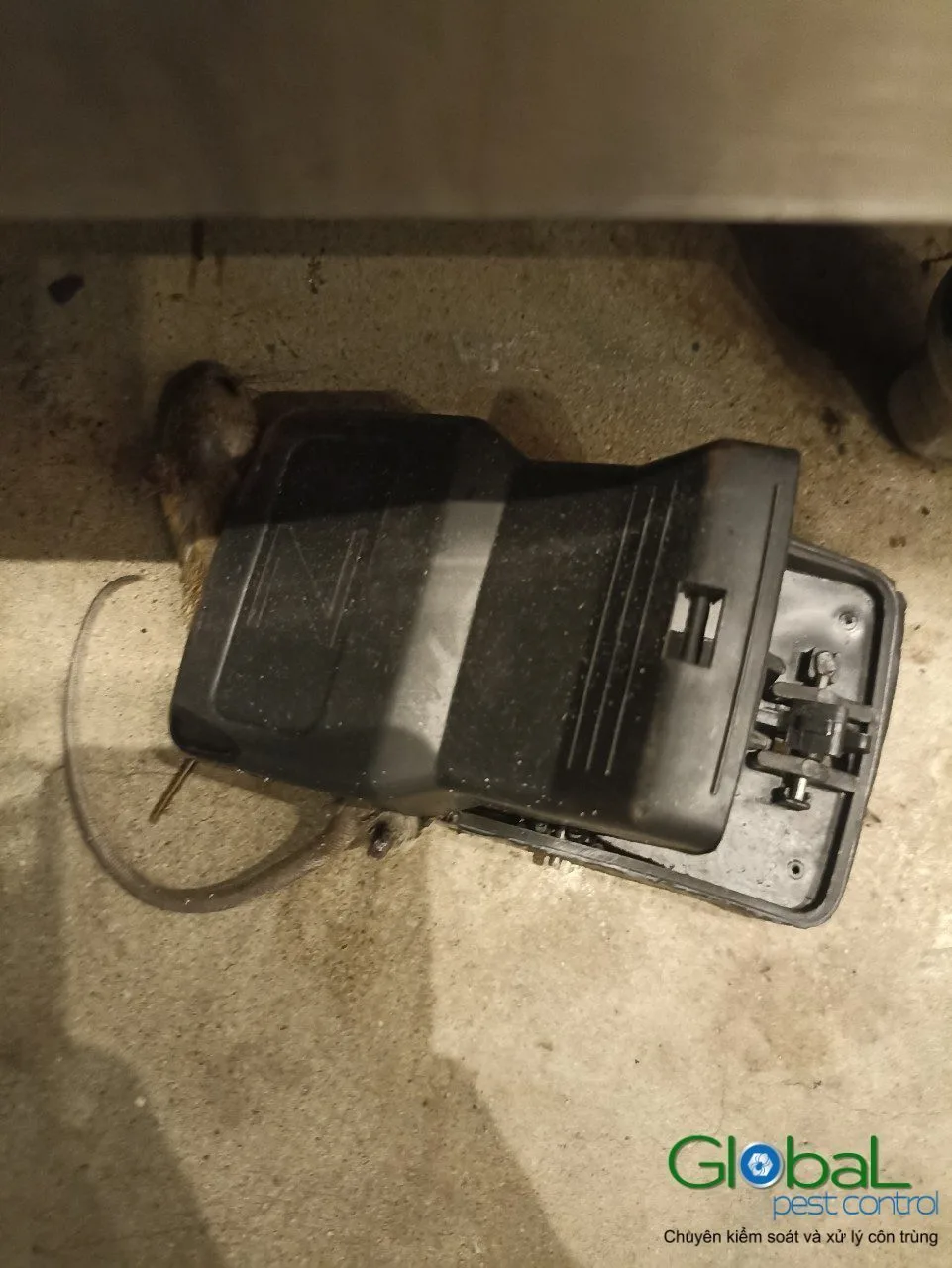
This is the quietest period for flying insects and the busiest for rodents. Outdoor food and water dry up, construction sites and canal banks are disturbed, and rats move towards buildings. In apartment towers they arrive through refuse chutes and service risers; in townhouses they come along the alley and in under doors.
- Check the gap under doors that open onto an alley or service corridor
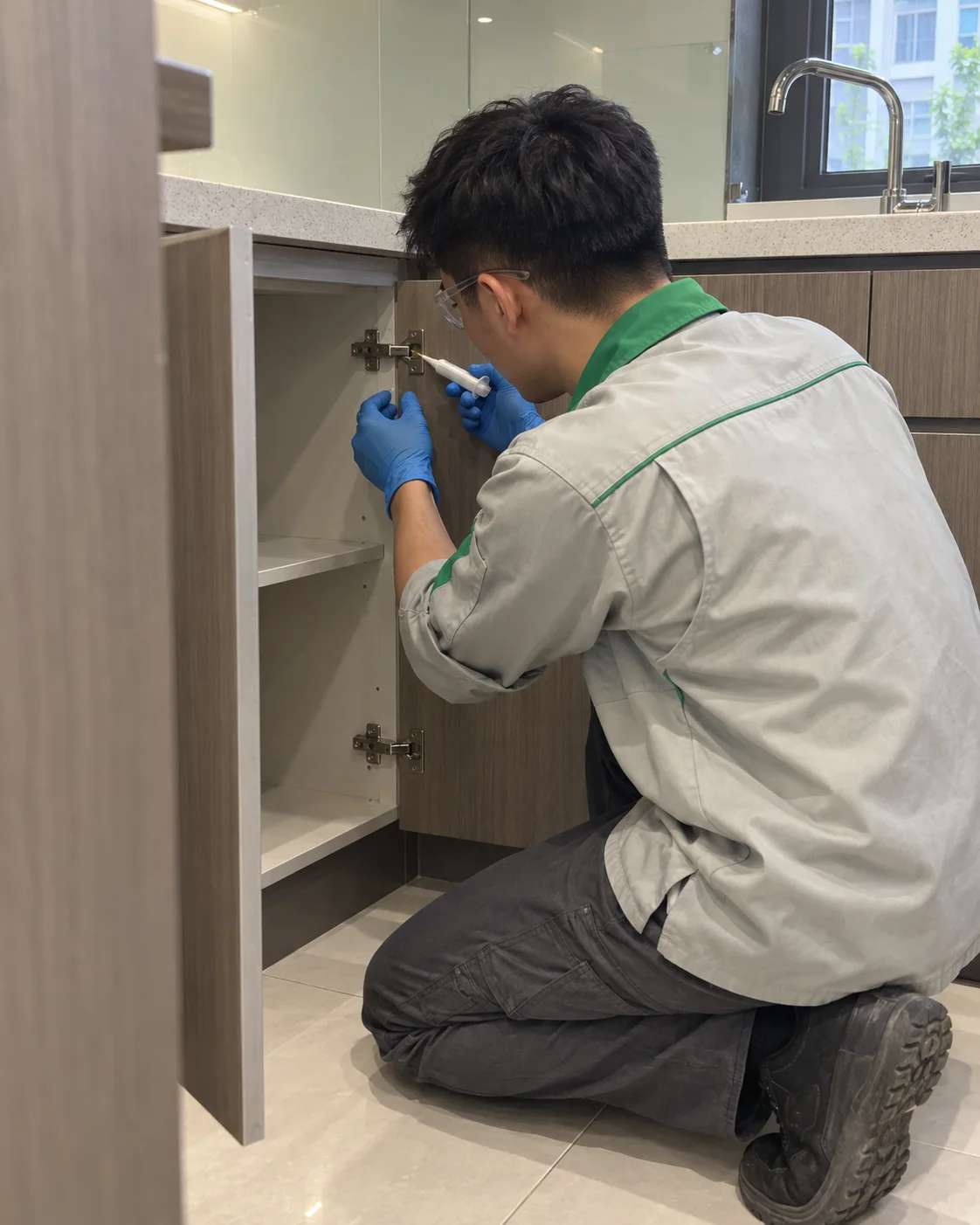
- Look for droppings behind kitchen cabinets and under the sink, not in the middle of the floor
- Ask the building whether the refuse room is baited and how often it is checked
April and May: termite swarming
The first heavy rains after the hot months trigger termite swarms. For a few evenings you may see hundreds of winged insects around lights, then a scatter of discarded wings on the windowsill. The insects themselves are harmless and short-lived. What they indicate is not.
A swarm means a mature colony is nearby and producing reproductives. If the wings are inside your unit rather than blown in from outside, the colony may already be in the building. This is the point at which an inspection is cheap and useful.
June to November: the rainy season
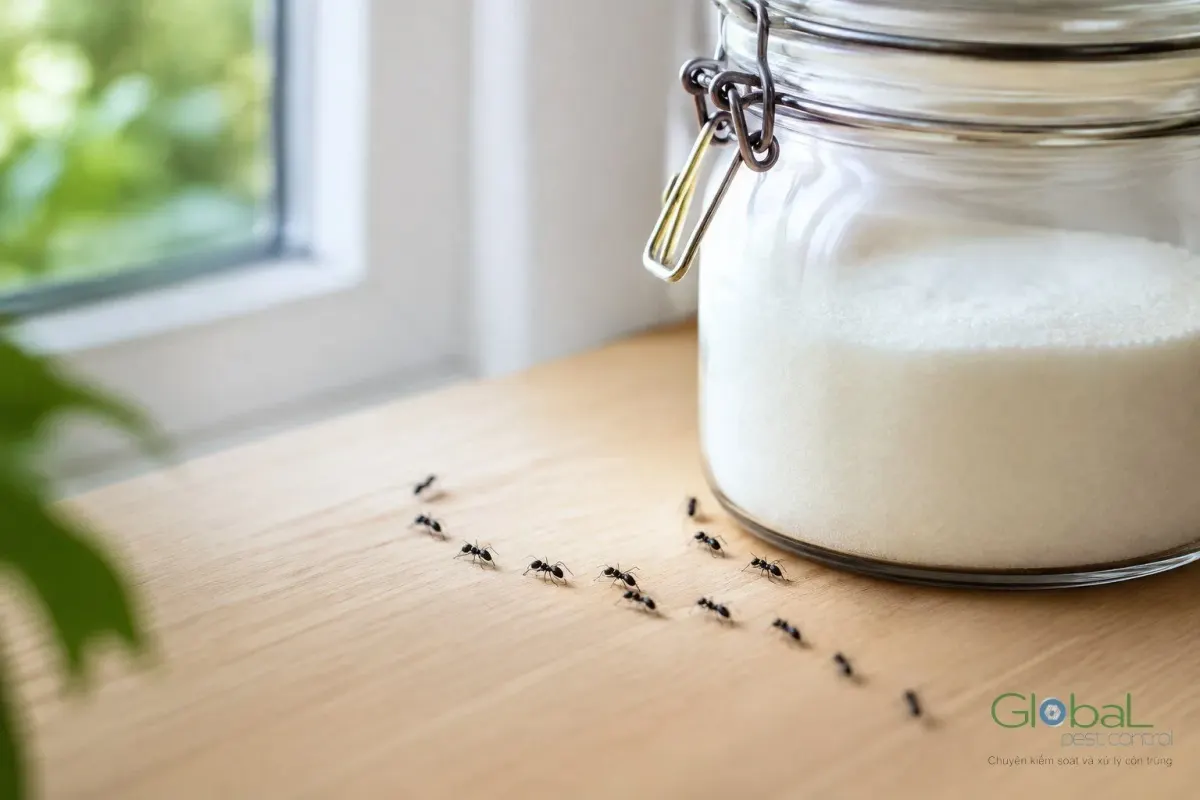
Standing water is the single biggest change. Plant saucers, roof drains, blocked gutters, unused buckets on a balcony and the water tray under an air-conditioning unit all hold enough water to raise mosquitoes. Ants also move indoors during heavy rain, which is why kitchens that were quiet all year suddenly have a trail along the counter.
Cockroach activity rises with humidity, and drains become the main route between units in a building. Floor gullies that are rarely used dry out, and a dry trap is an open door.
What to do in each half of the year
- Dry season: seal entry points, check the gap under doors, keep bins closed and check the refuse area
- Before the rains: clear roof drains and gutters, empty anything holding water on balconies and terraces
- During the rains: pour a litre of water down unused floor drains once a week to keep the trap sealed
- All year: keep food in sealed containers and clean under and behind kitchen appliances, not just the visible floor
When a calendar is not enough
Seasonal timing helps with prevention, but it does not tell you which species you have or where it is living. Two problems that look identical from the kitchen floor — a few cockroaches at night — can need completely different work depending on whether they are German cockroaches breeding inside the unit or American cockroaches coming up from the drains.
If you are seeing activity now rather than planning ahead, the useful next step is an inspection that identifies the species and the harbourage rather than a general spray.
What the two seasons mean for a treatment programme
Because the year has two halves rather than four seasons, a sensible programme has two shapes rather than four. In the dry months the work is exclusion: sealing, proofing, checking doors and drains, and dealing with rodents while they are pressed towards buildings. In the rainy months the work is source reduction and drainage: removing standing water, keeping traps sealed, and treating the routes insects use to come indoors.
A quarterly contract that does the same thing on every visit ignores this. A programme worth paying for changes what it does in April and again in November.
Why the calendar shifts by a few weeks each year
The trigger for the biggest events is rainfall rather than date. Termite swarms follow the first heavy rains, which can arrive in the second week of April or the first week of May. Mosquito numbers climb roughly two to three weeks after the rains become regular, because that is how long a generation takes in the warm season.
The practical consequence is to watch the weather rather than the calendar. When the first real storm arrives, that is the week to clear the drains and check the plant saucers, not the first of the month.
A short note on construction
Ho Chi Minh City is under continuous construction, and a site opening within a hundred metres changes the local picture more than any season does. Excavation displaces rodents and disturbs termite colonies, and site hoardings create sheltered ground that holds water.
If a site opens near your building, treat it as the start of a new season regardless of the month: check the perimeter, the doors and the drains within the first fortnight.
Global Pest Control is the English-language arm of Khử Trùng Toàn Cầu. The same technicians and the same programmes are described on the full service list on our Vietnamese site.
Book an inspection
Site inspections are free of charge and carry no obligation. A technician walks the property, identifies the species and the harbourage, and sends a written quotation with the method and the schedule — normally within one working day.
Request an inspection · See indicative prices · All services