What a Factory Pest Control Contract Should Include
Most factory pest control contracts in Vietnam specify a visit frequency and a price, and leave everything else to custom. That is workable until an audit, a product complaint or a dispute, at which point the missing clauses are the ones that matter.
Scope: what is covered and what is not
State the areas: production, dry stores, chilled stores, packaging, staff canteen, changing rooms, external perimeter, waste compound, staff accommodation if there is any. State the pest groups: crawling insects, flying insects, rodents, and whether birds and stored product insects are included.
Ambiguity here is where most disagreements start, usually about the waste compound and the perimeter beyond the fence line.
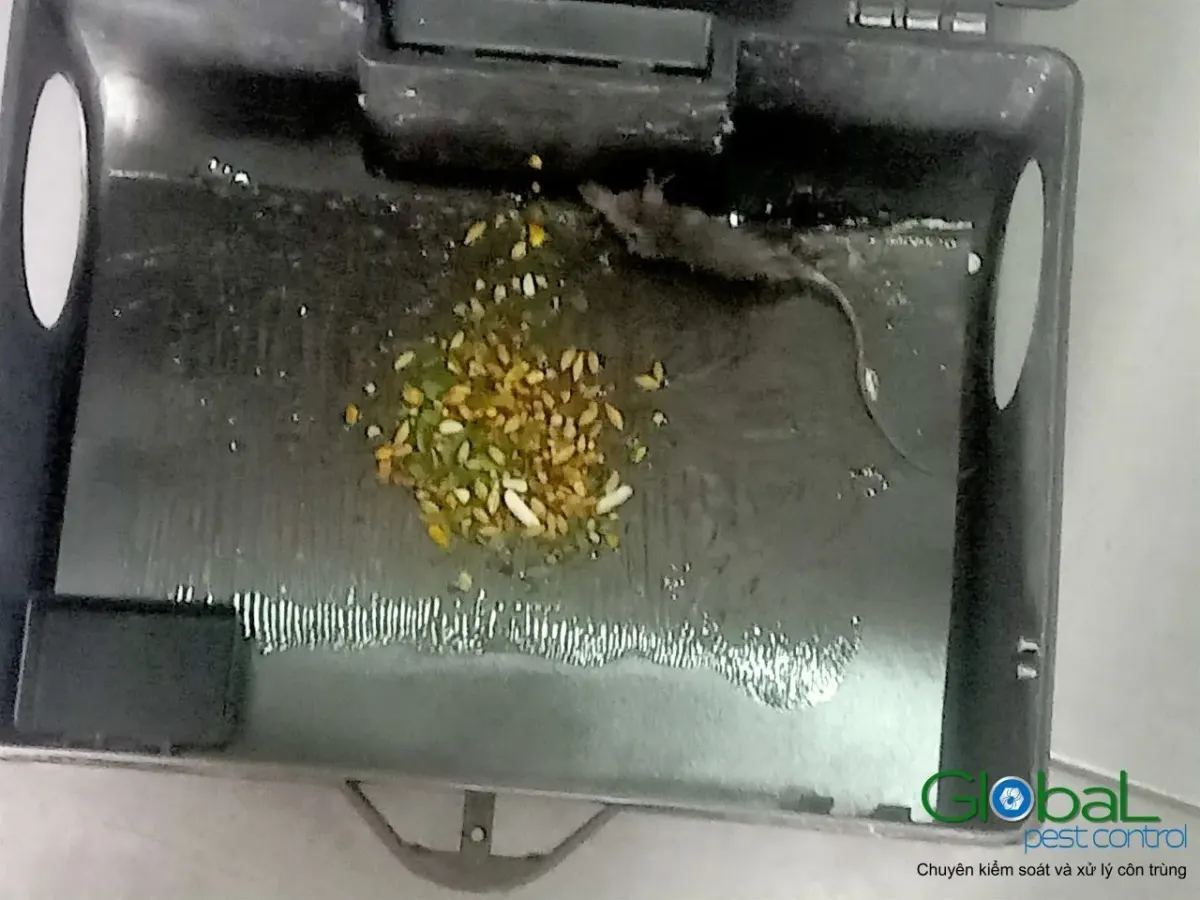
Devices: number, type and location
- A stated number of external rodent stations and their positions on a site plan
- Internal monitoring devices, non-toxic, with numbers matching the plan
- Electric fly killers: how many, where, and who changes the tubes and the boards, and how often
- Insect monitors in dry stores where stored product pests are a risk
- Who replaces a damaged or missing device, and within what time
Tube replacement is worth naming explicitly. Fly killer tubes lose effectiveness long before they stop lighting, and an annual change is the usual expectation.
Reporting format
Specify that each visit produces a written report listing findings by location, actions taken, and recommendations with a priority. Specify that catch data is recorded per device so trends can be read.
A contract that promises "a service report" and delivers a signed sheet saying "treatment carried out" meets the letter and fails the purpose.
Response time and out-of-hours cover
Set a call-out time for an urgent finding — typically twenty-four hours — and say whether it is included or charged. A factory that finds rodent activity in a dry store on a Friday needs somebody on Saturday, and that is exactly when an unclear contract fails.
Who fixes the building defects
This is the clause most often missing. Pest reports list defects: a gap under the goods-in door, a broken drain cover, a damaged screen. Somebody has to own them.
Normally the contractor identifies and the site fixes, but the contract should say so, and should say that closure is recorded. Where the contractor also carries out proofing work, that should be a separate priced scope rather than assumed.
Documentation and personnel
- Copies of the contractor's licence and technician certificates, kept current
- Product registrations and safety data sheets for everything used on site
- Named technicians, with notice if the assigned technician changes
- Insurance cover stated
- An annual review meeting with trend data, not just monthly reports
The annual review is what turns twelve months of visits into a decision about what to change. Without it, a programme repeats itself indefinitely regardless of results.
Perimeter, fence line and what lies beyond it
Many industrial sites in Binh Duong, Long An and the Ho Chi Minh City industrial parks back onto scrub, canals or land under development. Pressure comes from outside the fence and never stops, and a contract that treats only the building will always be reacting.
A perimeter line of external stations at the fence intercepts rodents before they reach the building. Where the neighbouring land is the source, the contract should say who checks the fence line and how often, because that is the part that does the work.
Staff canteens and accommodation
These are frequently left out of scope and are frequently the source. A canteen is a commercial kitchen with the volume of a restaurant, and worker accommodation on site has the risk profile of housing rather than of a factory.
Both should be named in the scope with their own frequency, and both should appear on the site plan with their own devices.
Measuring whether the programme is working
- Catch trends per device over twelve months, not totals for the site
- Number of findings raised, and the proportion closed within the agreed time
- Repeat findings at the same location, which indicate an unfixed defect
- Audit results and any customer complaints traceable to pest activity
- Downtime or product loss attributable to pest activity, where it occurs
A programme with no measurement cannot be improved or defended. These five take an hour a month to maintain and turn a cost into something with a visible result.
Change of contractor without losing the history
When a site changes provider, the records usually stop and start again, which destroys the trend data an audit relies on. The contract should state that the site owns the records and that the plan, device register and twelve months of reports are handed over at the end.
Ask for the outgoing contractor's data before the final invoice is paid. It is far easier to obtain at that point than afterwards, and it lets the new contractor start from the site's actual history rather than from a blank plan.
Contractor access and site rules
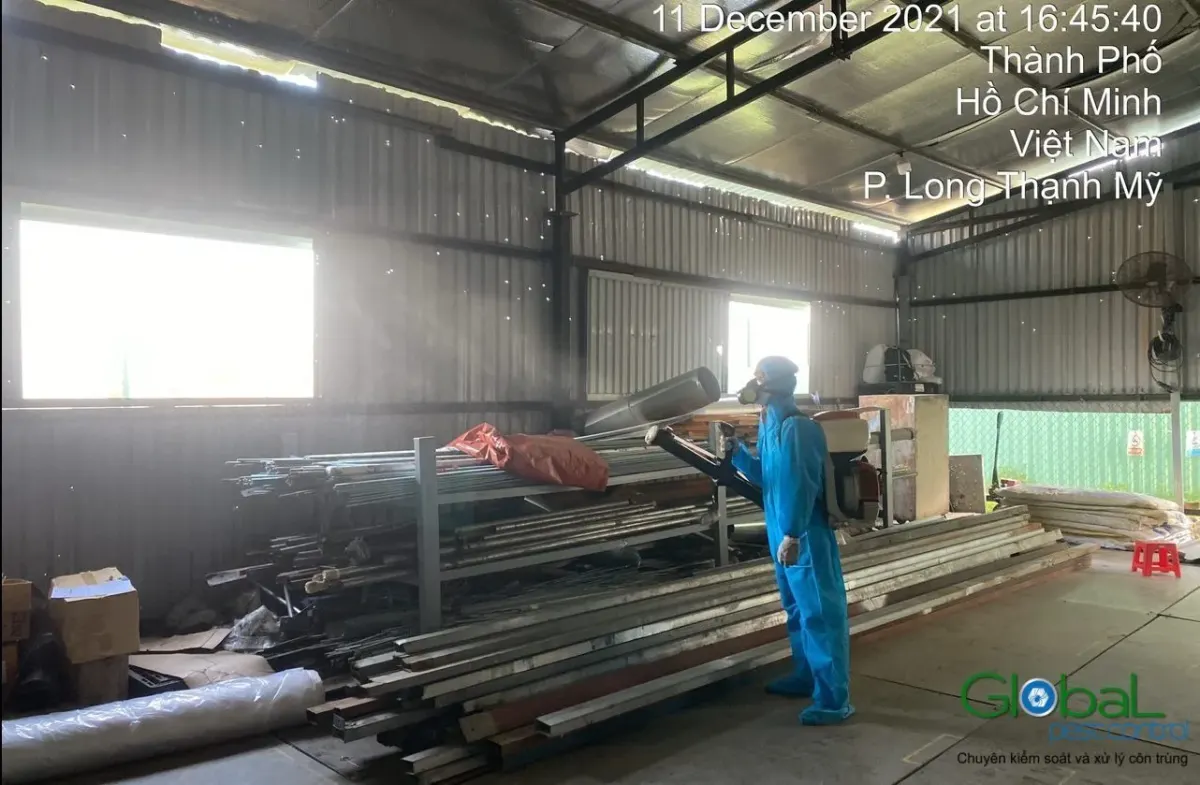
Industrial sites have induction requirements, restricted areas and shift patterns, and a contract that ignores them produces visits that cannot be completed. State who inducts the technician, which areas require an escort, and which shifts allow access to production.
Where production runs continuously, name the window in which treatment can occur and who authorises it. A contract specifying monthly visits to an area that is never accessible is a monthly report describing a corridor.
Global Pest Control is the English-language arm of Khử Trùng Toàn Cầu. The same technicians and the same programmes are described on the Vietnamese pages on industrial solutions.
Book an inspection
Site inspections are free of charge and carry no obligation. A technician walks the property, identifies the species and the harbourage, and sends a written quotation with the method and the schedule — normally within one working day.
Request an inspection · See indicative prices · All services