Basement Car Parks and Bike Storage
Residents think of a basement as parking. From a pest management point of view it is the interface between the building and the ground, the lowest point in the drainage system, the place where bulky waste accumulates, and the level where every riser in the building begins.
That is why almost every rodent programme in a residential tower is designed around the basement, and why a building with a well-managed basement has fewer problems on floor twenty than one without.
Four features that matter
- The drainage sump and pump chamber. Permanently wet, organically rich, warm, and almost never opened. This is the single most productive location in most basements.
- The ramp and its threshold. A ramp is a graded opening from street level with no door, which is the largest permanent aperture in the building.
- Riser bases and service cupboards, where every vertical route in the building starts.
- Stored items — unused furniture, boxes, building materials left after a fit-out, motorbike covers.
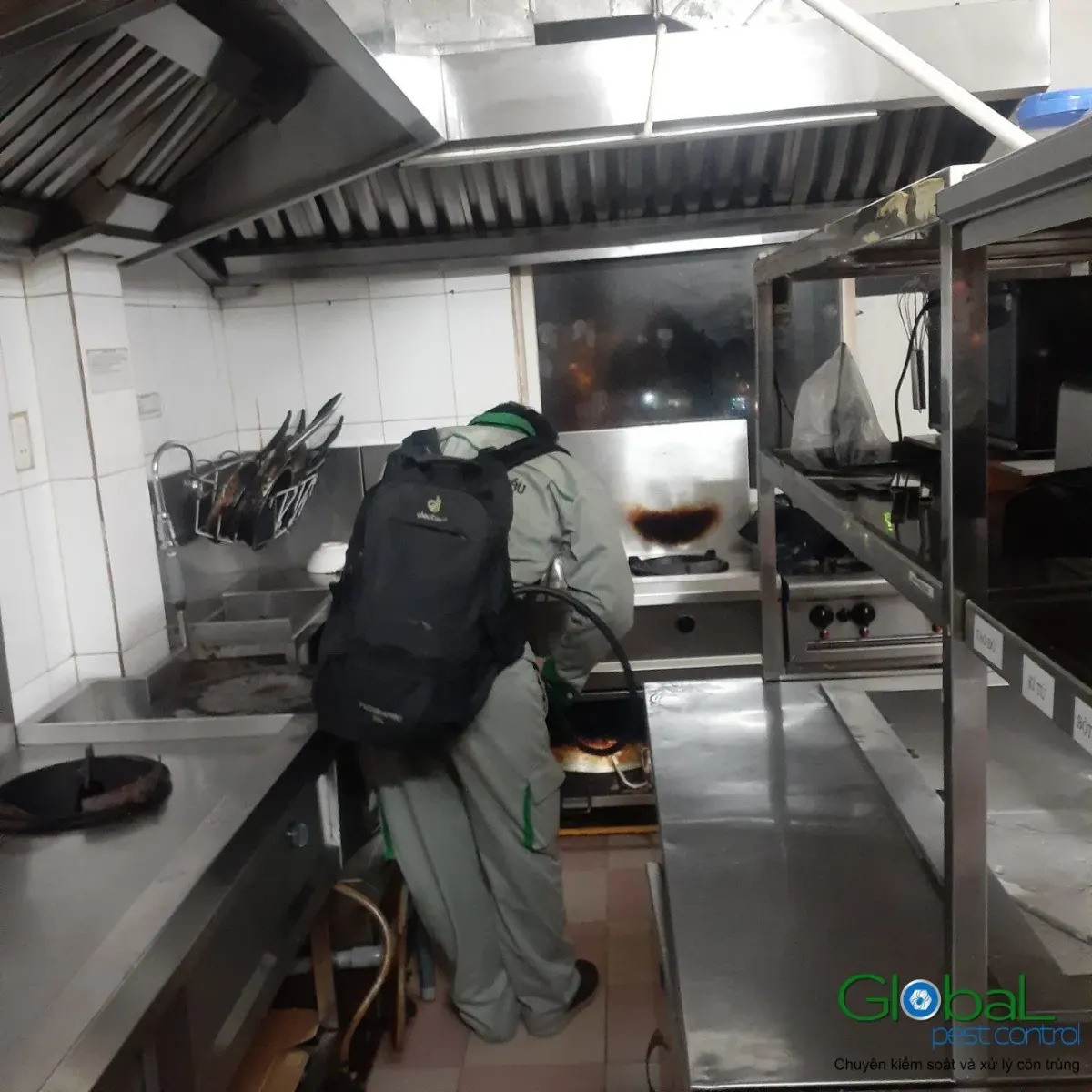
The sump is the thing to check first
Basement drainage collects car wash water, rain running down the ramp, condensate from plant, and whatever gets swept in. It flows to a sump where a pump lifts it out. That sump holds a permanent layer of organic sludge, is enclosed, is at a stable warm temperature, and is opened perhaps once a year for pump maintenance.
It supports American cockroaches and small flies extremely well, and it is directly connected to every floor drain in the basement. When a building reports cockroaches emerging in the basement lobby at night, this is where we look before anything else.
Bike storage and covers
Motorbike parking is the norm in Vietnamese buildings, and bikes come with covers, boxes, helmets and mats. A folded bike cover left on the floor holds water for weeks after it rains, and a stack of them in a corner is harbourage. Helmets stored under seats collect moisture. None of this is anyone\x27s fault; it is just what a bike park accumulates, and it needs a clearing rule rather than a treatment.
Bicycle storage rooms are worse in one specific way: they are enclosed, dark, and used far less often than motorbike parking, which restores the undisturbed condition that everything in this cluster keeps returning to.
Where bait stations belong
External rodent stations belong at the perimeter of the building and at the ramp entrance, not scattered through the parking bays. Internal monitoring belongs at riser bases, along the wall runs, at the sump and at the refuse room door. A basement with twenty stations placed evenly across the floor plate looks thorough on a site plan and tells you almost nothing, because rodents travel along edges rather than across open ground.
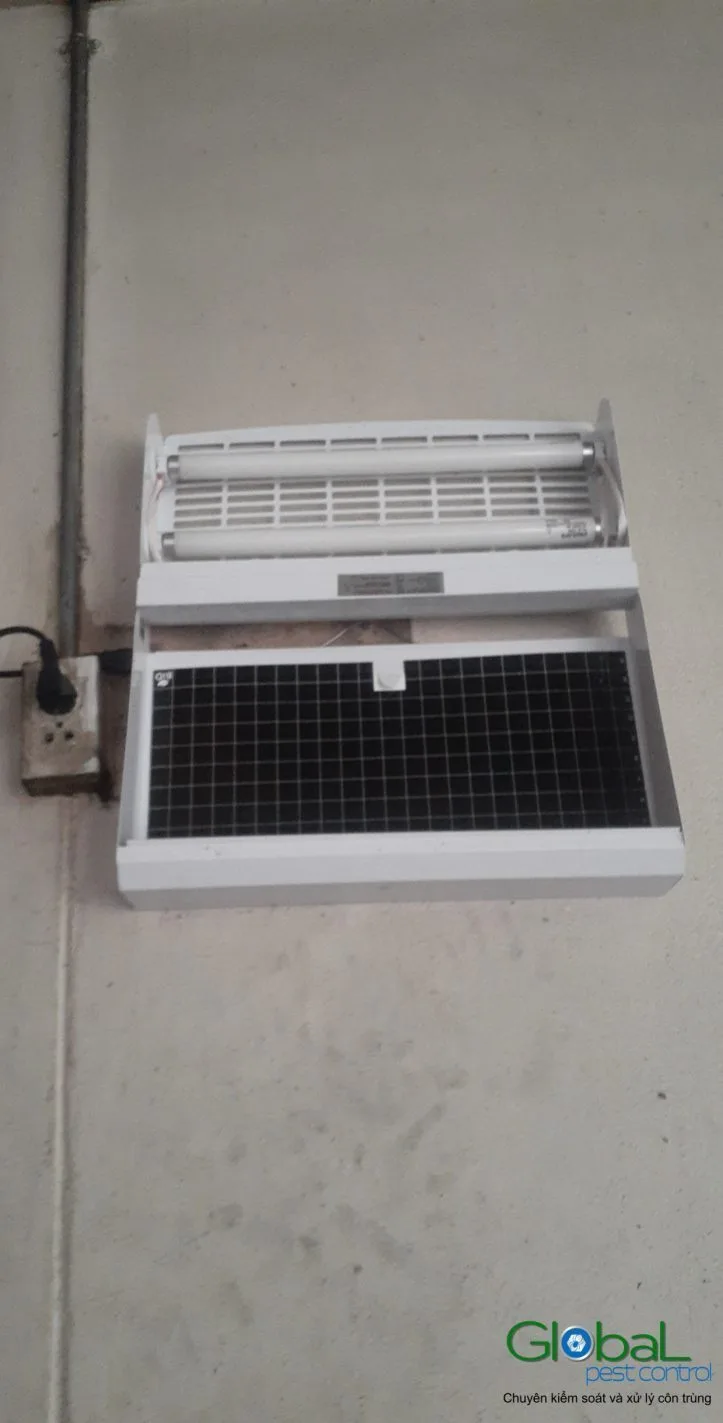
Lighting is the other structural weakness. Basement lighting is designed for driving rather than for inspection, so the wall runs and the corners where activity concentrates sit in shadow even when the lights are on. A technician surveying a basement works by torch regardless of the fixed lighting, and a building that wants its own staff to spot problems needs to accept the same.
The refuse room is usually down here too
In most towers the bin store is at basement level, next to the parking. That places the building\x27s largest concentrated food source in the same space as its largest permanent opening and its wettest structure. If the refuse room door does not seal and the bins are not lidded, nothing else in the basement programme will hold.
What residents can usefully do
Very little directly, which is worth saying honestly rather than issuing advice nobody can act on. What residents can do is report specific things: a bin room door propped open, standing water that has been there for weeks, a gap under a riser door, bulky items dumped in a corner. Those reports are what building management can act on, and they are far more useful than a general complaint.
Related reading
The bin store is covered in refuse rooms and rubbish chutes, and the vertical routes in service risers. For ground-floor units see why ground floor units have more problems, and for the species, our rodent guide. Responsibility is set out in what building management covers. Our parent company runs the Vietnamese-language rodent control programme for these buildings.
Global Pest Control is the English-language arm of Khử Trùng Toàn Cầu, based in Thu Duc City.
Common questions
Can rats get from the basement to my apartment on floor eighteen?
Yes, and they do not climb the outside of the building to do it. They use risers, which run continuously from basement plant rooms to the roof with an opening at every floor. That is why a basement programme protects high floors, and why sealing riser penetrations is the intervention that actually matters.
Our basement floods in heavy rain. Does that help or hurt?
Short term it displaces rodents upward, which is why buildings often report activity on residential floors two or three days after severe rain. Long term, repeated flooding means the drainage is undersized and the sump is permanently loaded, which sustains the population. Flooding is a symptom worth reporting to management for both reasons.
Should I stop storing things in my parking bay?
If it is soft, absorbent or edible, yes. A hard plastic box with a lid is fine. Cardboard, fabric, bags of soil, pet food and stacked covers are the items that turn a parking bay into harbourage, and they are also the items most often stored there.