October: The Best Month of the Year for a Treatment
Customers usually book when a problem is worst, which in this city means June or July. That is understandable and it is not when a treatment does the most work.
The rains are ending in October, populations are at their annual peak, and the months that follow are hard ones for most of the species involved. A treatment applied now is applied to a population that is about to face declining conditions rather than improving ones.
Why timing changes the return
A treatment in June knocks a population back into an environment that is still producing new individuals at maximum rate from every container, drain and saturated corner in the neighbourhood. Recovery is fast because everything favours it.
The same treatment in October knocks a population back as breeding sites dry out, humidity falls and food becomes scarcer outdoors. Recovery is slower, and the reduction carries much further into the following months.
What each species is doing in October
Mosquito breeding sites are drying up, so removing the adult population now is not immediately replaced. Cockroach populations are at their annual maximum and their harbourages are accessible, which makes baiting productive. Ants are at peak colony size, which means bait uptake is high and transfer through the colony is efficient.
Rodents are about to make their seasonal move toward buildings as water becomes scarce, so proofing done now is done just before the pressure arrives rather than just after.
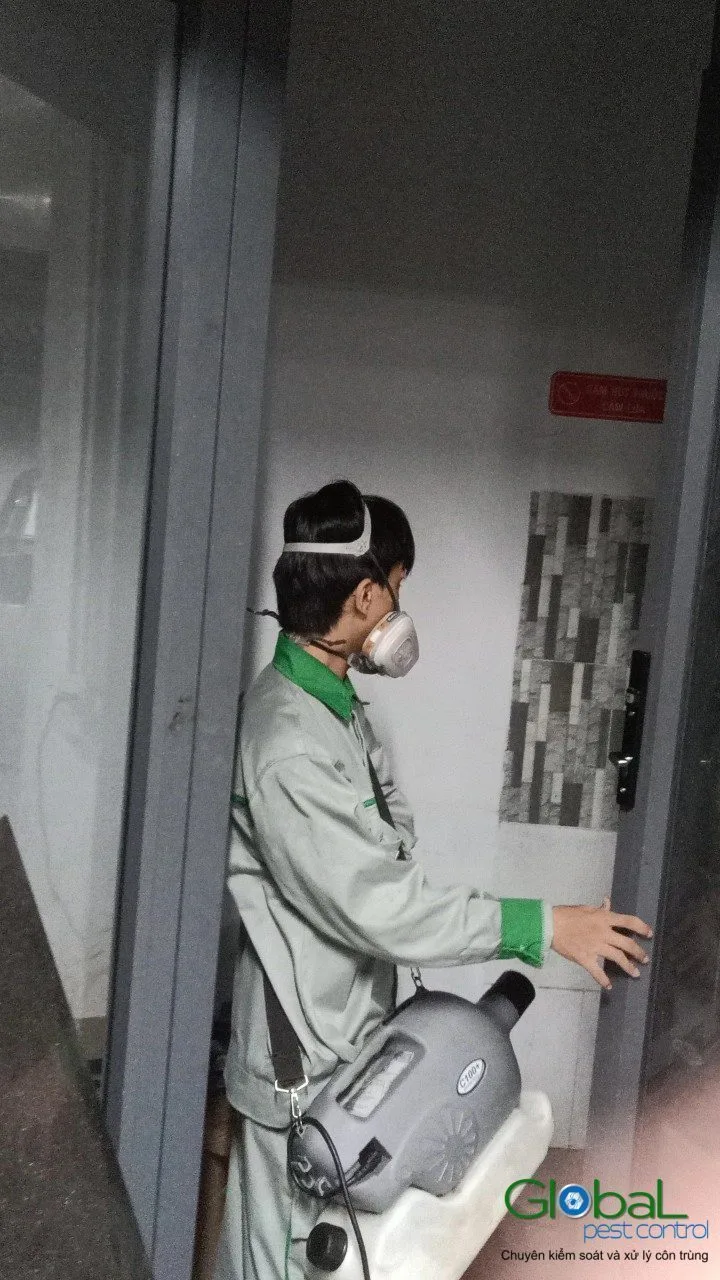
The practical advantages as well
The ground is drying, which means external work, perimeter treatment, sealing and rendering can be done properly. Sealant cures, mortar sets, and nothing has to be redone because a storm arrived halfway through.
It is also outside the busiest season for most contractors, so scheduling is easier and a technician has time to survey rather than rushing between reactive calls.
What an October visit should cover
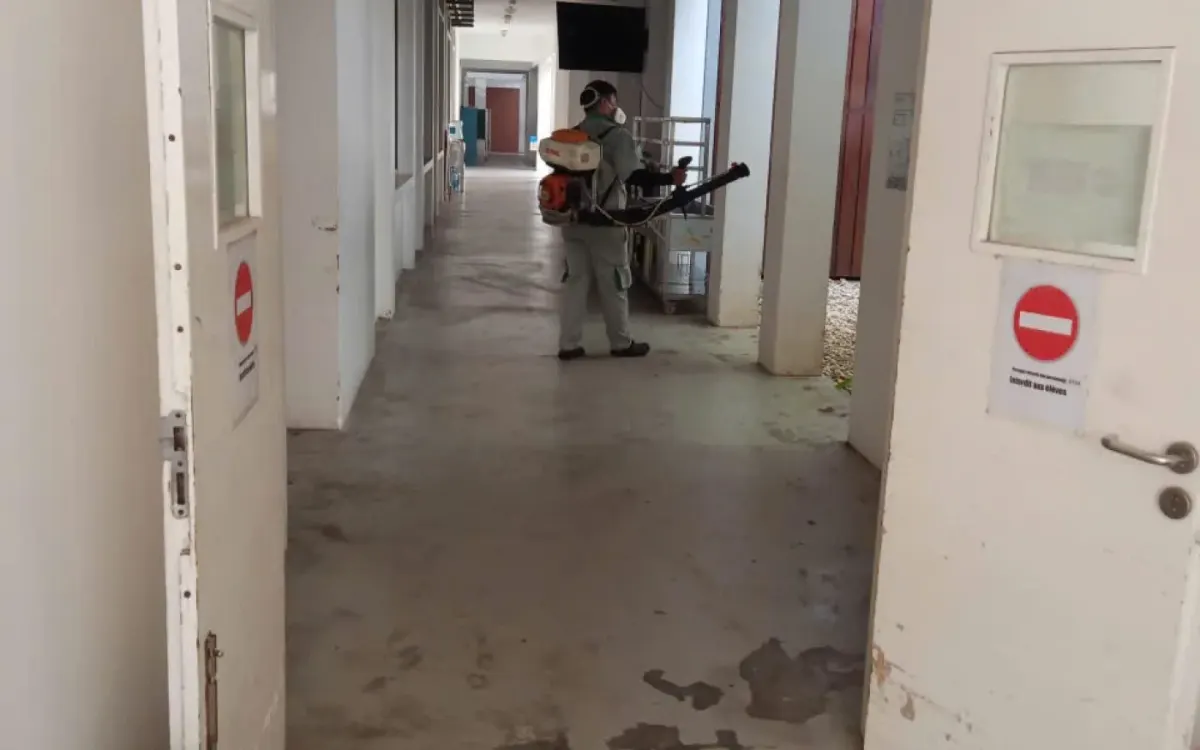
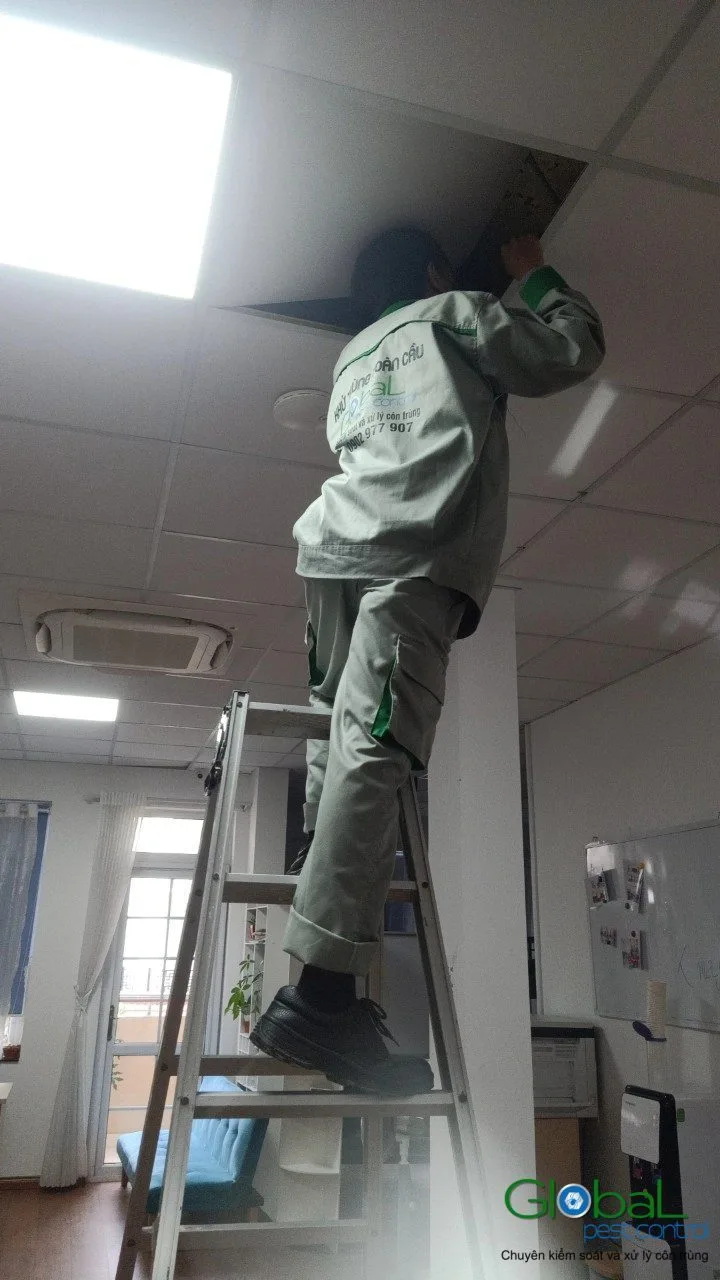
A full survey rather than a repeat of whatever was done last time. What the wet season produced is now visible — damp patches that indicate a leak, ant nests that relocated indoors in August, drainage that failed under load, and any timber damage that developed unnoticed.
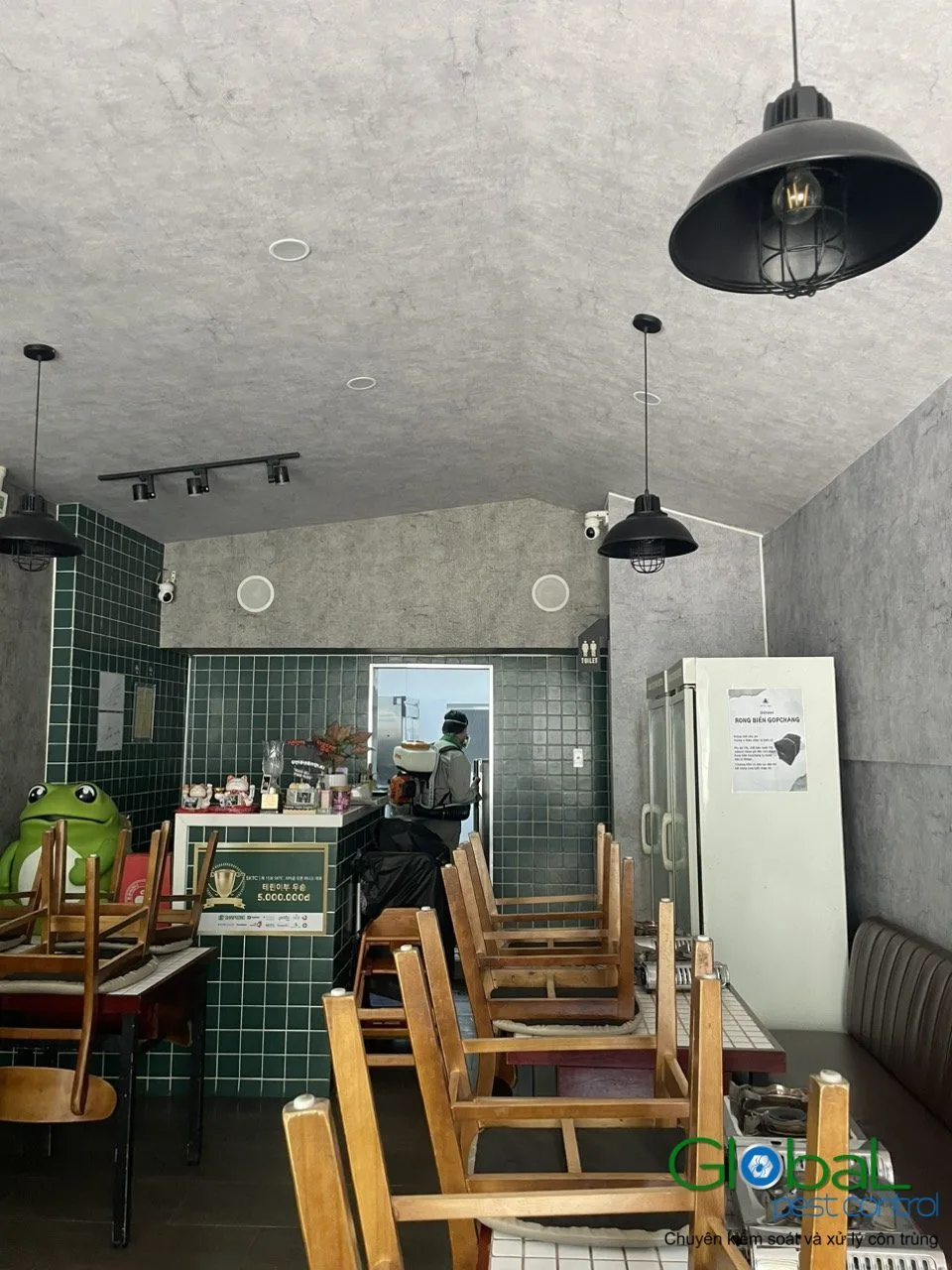
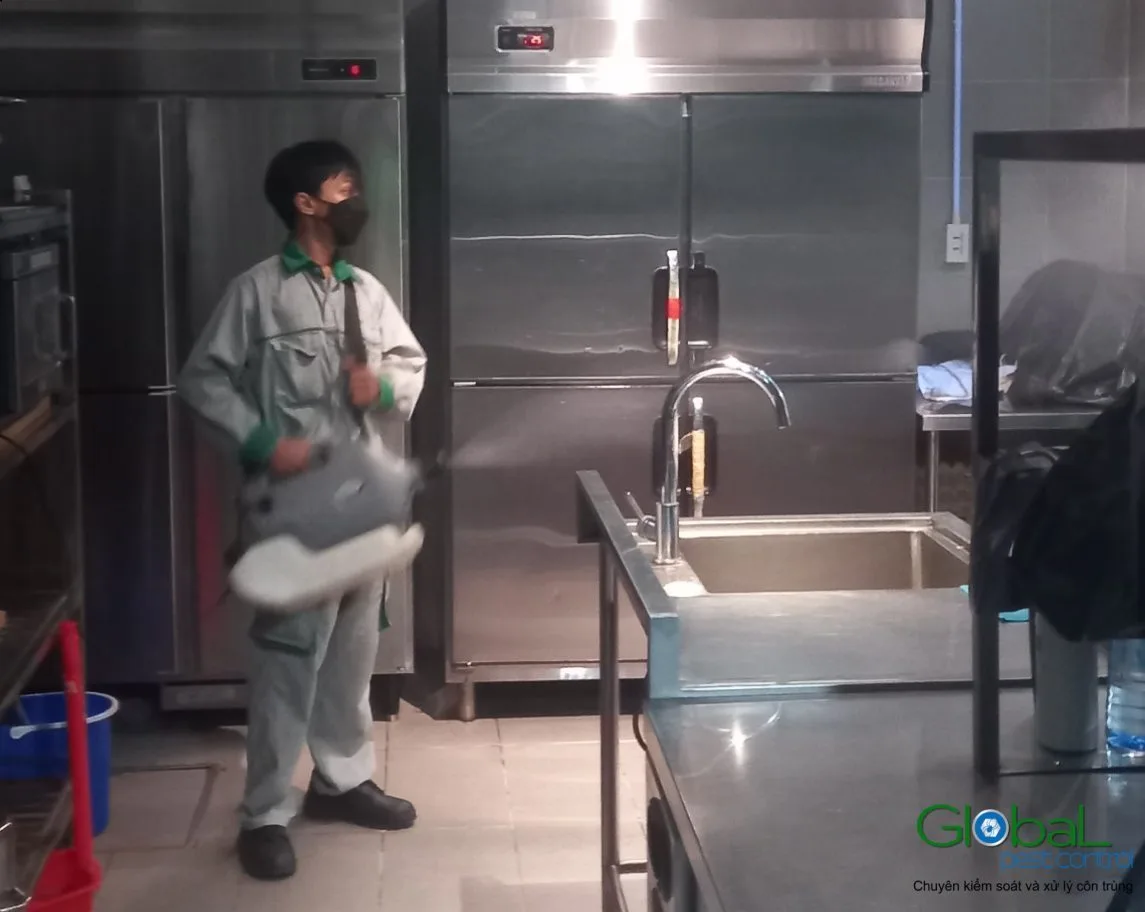
Then treatment aimed at harbourage rather than at surfaces, drain treatment while the system is still loaded, and a list of proofing items to complete before the dry-season rodent pressure arrives in December.
For businesses, the audit angle
October is also a sensible month to review a year of records rather than only to treat. Twelve months of data through a complete wet and dry cycle is enough to see genuine patterns — which areas recur, which months, which devices — and that is exactly the analysis an auditor wants and most sites never do.
Doing it in October means any corrective actions identified can be completed before the year-end close and before the Tet shutdown, which is when several of them become impossible to schedule.
The one thing October does not fix
Termites do not follow this pattern in a useful way. A subterranean colony is active year-round and its behaviour is not governed by the seasonal cycle that shapes everything else here. Termite work is done when it is found rather than when the calendar suggests, and an October inspection is worthwhile mainly because it is another opportunity to look.
There is a caveat about warranties worth knowing. Most Vietnamese contractors offer a warranty of three to six months on a one-off treatment, which means an October treatment carries its warranty through the driest and quietest part of the year. That is good for you in the sense that the treatment is unlikely to be tested, and it is worth reading as a reason to judge the work on the following June rather than on the following February.
If you can only afford one visit a year
October, with a follow-up if the species requires one. That is a genuine recommendation rather than a sales position, and for a household with no current problem it is a reasonable annual rhythm. For a household with an active German cockroach population or a bed bug problem, the right month is now, whatever the calendar says.
Related reading
See the pest year in Ho Chi Minh City and the pest calendar. On frequency, monthly, quarterly or on demand and one-off or annual contract. For the following months, the December check. Our parent company runs the same annual rhythm in Vietnamese across its service programmes.
Global Pest Control is the English-language arm of Khử Trùng Toàn Cầu, based in Thu Duc City.
Common questions
We have a contract with monthly visits. Does this matter?
Less for the treatment itself and more for the survey. On a monthly contract, ask for one visit a year to be a full survey with a written annual review rather than a routine service, and October is the month to make it. Twelve routine visits and no review is a common pattern and it produces a file rather than a plan.
Is October too late for mosquito work?
For adult control, it is arguably the best moment, because you are removing a population that will not be quickly replaced. For container work, any month is the right month, and the discipline matters more than the timing. What is genuinely too late is starting a container programme in July and expecting a result the same month.
Should we wait until October if we have a problem now?
No. This is about when to schedule preventive and annual work, not about delaying a response to something active. A German cockroach population in August will be considerably larger by October, and the cost of waiting exceeds any benefit from the timing.