Comparing Two Proposals Fairly
Two proposals arrive for the same restaurant. One is three times the other. The instinct is to assume one company is expensive and the other is competitive, and that is usually the wrong reading.
They are almost always describing different jobs. Comparing them fairly means normalising them onto the same terms first, which takes about twenty minutes and changes the decision more often than not.
Put them on one page, on six axes
Visits per year. Areas included. Species covered. Methods used. Devices supplied and serviced. Documentation produced. Write both proposals into that grid and the differences become visible immediately.
Very often the cheaper proposal turns out to be four visits rather than twelve, front of house only, spray only, no devices and no report. That is a legitimate service and it is not the same purchase.
The lines that are usually missing
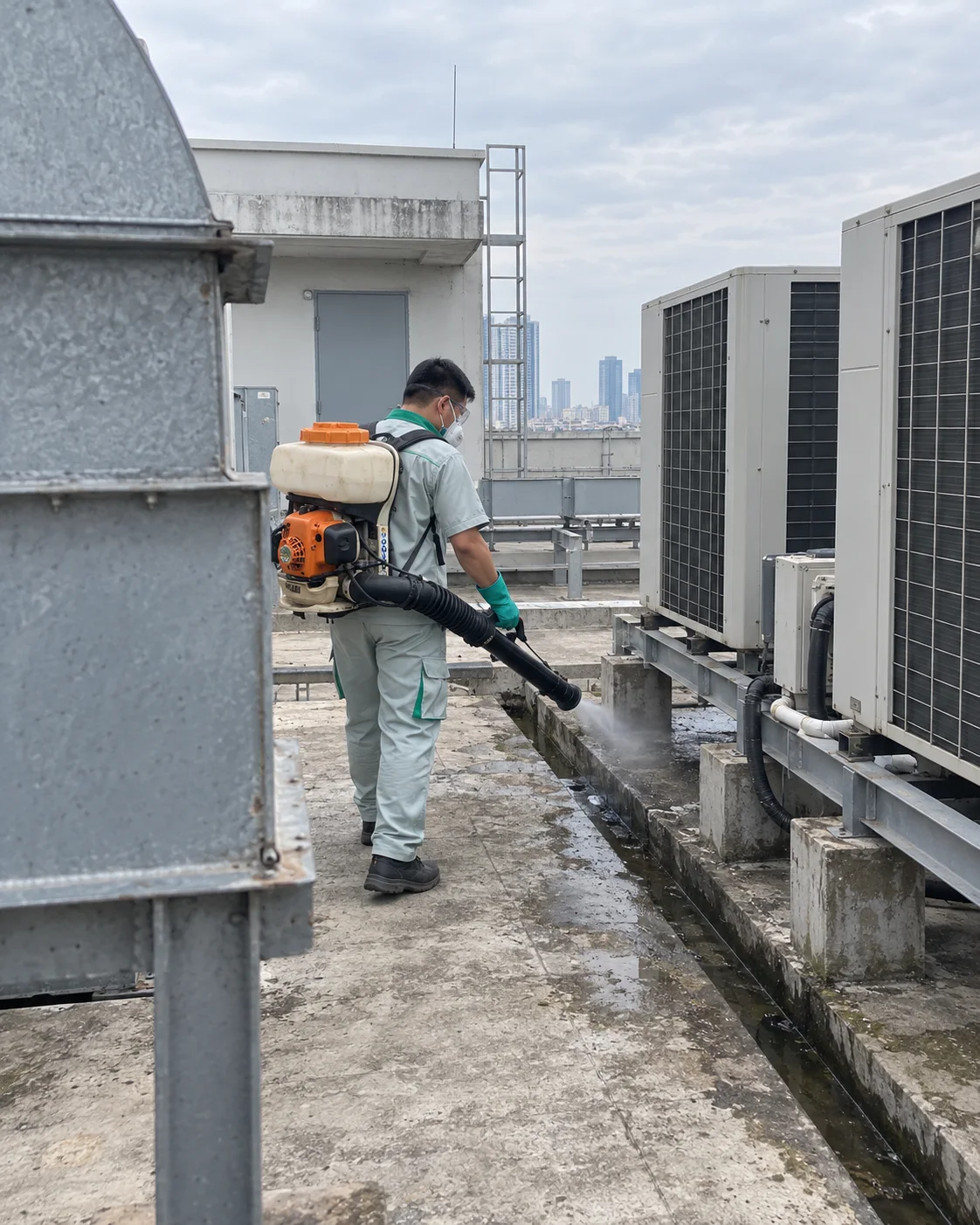
Follow-up visits and whether they are included. Emergency call-outs and whether they are charged. Devices — who supplies, who replaces, who pays for a damaged station. Drain treatment, which is frequently excluded by silence in a city where it matters more than almost anything. And documentation.
Each of those becomes a cost later if it is not a cost now, which is how a cheaper contract ends up more expensive in year one.
Ask both companies the same three questions
What will you do at the first visit that you will not do at the fifth. What happens if the problem persists after three visits. And what documentation will we hold at the end of a year.
The answers separate proposals more sharply than the pricing does. A company that describes a survey, a treatment phase and then a monitoring phase is thinking about the site; a company that describes the same visit twelve times is selling a schedule.
Beware the two extremes
A proposal far below the others usually means fewer visits, one method and no documentation — or, occasionally, an unsustainable price that will be renegotiated in month four. Ask what happens at renewal.
A proposal far above the others is not automatically better. Ask what the additional money buys in concrete terms, and if the answer is more frequent visits of the same type rather than more methods, more coverage or more documentation, it may be buying activity rather than control.
Frequency is not the only variable
A sound programme runs monthly, with rodent stations checked every week; between two monthly proposals, method and coverage decide the outcome. In practice, method and coverage matter more. A monthly programme with a proper survey, residual treatment along the routes insects use, gel bait in cracks, drain treatment and monitoring will outperform a monthly perimeter spray at a similar price.
The right question is not how often somebody comes but what happens when they do.
Check what is not in the scope
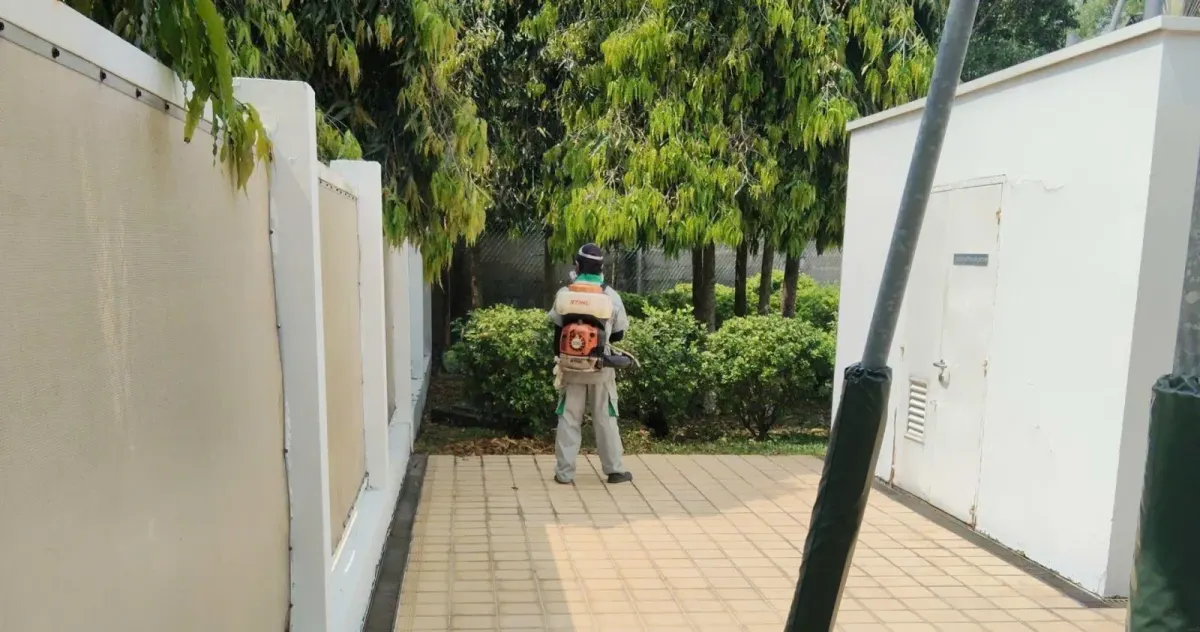
Read the areas list for what is absent. Basements, roof plant, service risers, external perimeter, drains and staff areas are the ones most often omitted, and they are frequently where the population actually lives. A proposal covering only the kitchen of a restaurant is a proposal covering the symptom.
Watch how each company handles the survey itself, because that is a free sample of the service. A company that walks the site for an hour, asks about deliveries and waste collection, lifts a plinth panel and looks at the drains is showing you what a routine visit will look like. A company that quotes from the floor area and a five-minute look is showing you that too.
The reference question
Ask for a reference at a comparable site — a similar size, a similar sector, ideally with a similar audit requirement. A company working in your sector will supply one readily. What you are checking is not whether they are pleasant but whether the documentation arrives, whether recommendations are followed up, and how the company behaves when something goes wrong.
Related reading
See what a quotation should tell you and reading a Vietnamese quotation. On choosing, how to choose a company and a cheap quote and a complete quote. For contracts, what a factory contract should include. Our own scope and rates are on the price list, and our parent company publishes its Vietnamese services at khutrungtoancau.vn.
Global Pest Control is the English-language arm of Khử Trùng Toàn Cầu, based in Thu Duc City.
Common questions
Is it fair to show one company another\x27s proposal?
Showing the scope is reasonable and common in a tender; showing the price is a matter of how you want to run the process. If you do share pricing, share it with both. What is genuinely useful is telling a company which specific elements of a competing scope you want matched, because that produces a comparable proposal rather than a discount.
Should we always take the middle quote?
No — that is a heuristic rather than an analysis, and it frequently selects a proposal that is average on every axis and strong on none. Normalise the scopes first; sometimes the cheapest becomes the best value once it is uplifted to match, and sometimes the most expensive turns out to be the only one covering the drains.
How long should a first contract be?
Twelve months is standard here and reasonable, because a full wet and dry cycle is what tells you whether the programme works. What is worth negotiating is a review point at three or six months with a defined exit, so a poor fit does not have to be endured for a year.