One-Off Treatment or Annual Contract: Which Do You Need?
The honest answer depends on one thing: whether the source of the problem is inside the boundary you control. Everything else — property size, budget, how alarmed you are — matters less than that.
When a one-off treatment is the right purchase
- A defined problem with one species, found early
- A source you can identify and close, such as a gap under a door or an unsealed pipe
- A standalone property rather than a unit in a shared building
- No food business, no shared drainage stack, no adjoining premises
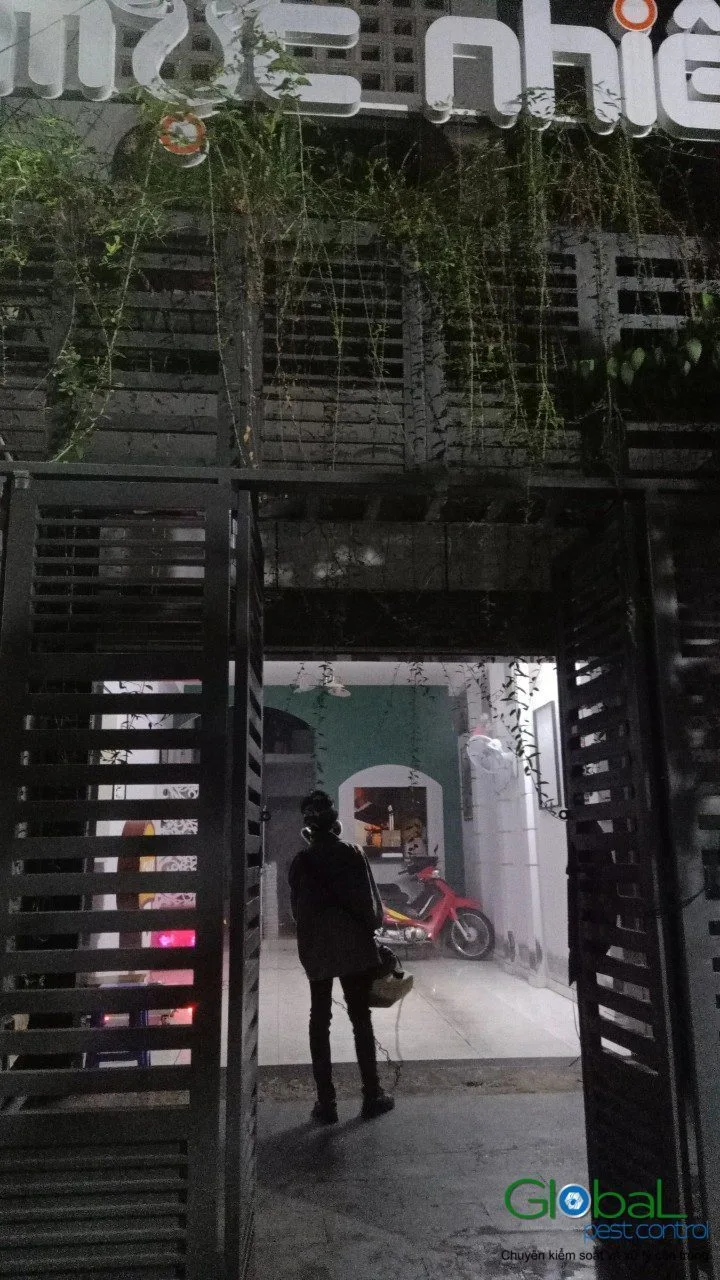
A townhouse with an ant trail from a garden planter is the clearest example. Treat the colony, move the planter, and the problem is finished.
When a contract earns its cost
- An apartment in a stack where neighbours have the same problem
- Any food business, where the requirement is documentation as much as treatment
- A property backing onto a canal, a market, a construction site or a restaurant
- A building with an older fabric and connected voids
- Anywhere an audit will ask for twelve months of records
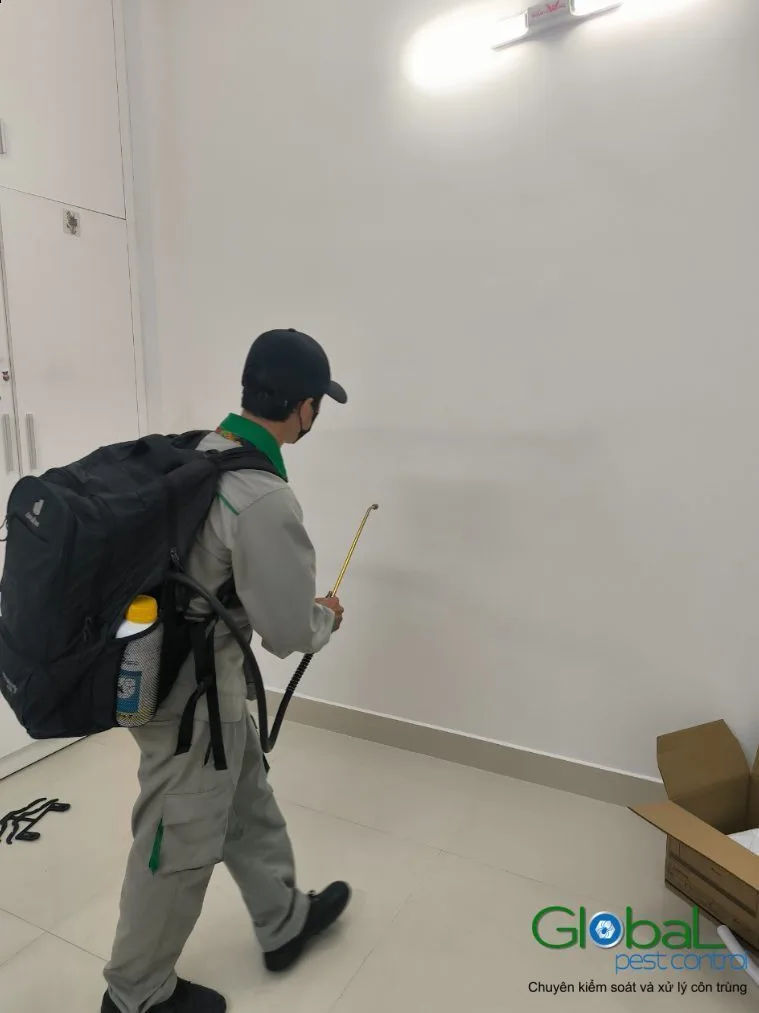
In these cases treatment does not end the problem; it holds it down. Paying for that repeatedly at single-visit rates costs more than a programme and produces no records.
What frequency actually means
Monthly is standard for food businesses and is about record continuity as much as insect pressure. Quarterly suits most offices and apartments under moderate pressure. Twice a year is a maintenance rhythm for a low-risk standalone home, and it is usually paired with an agreement to call between visits if something appears.
Frequency above monthly is rare and normally indicates a structural problem that should be fixed rather than treated more often.
The middle option most people are not offered
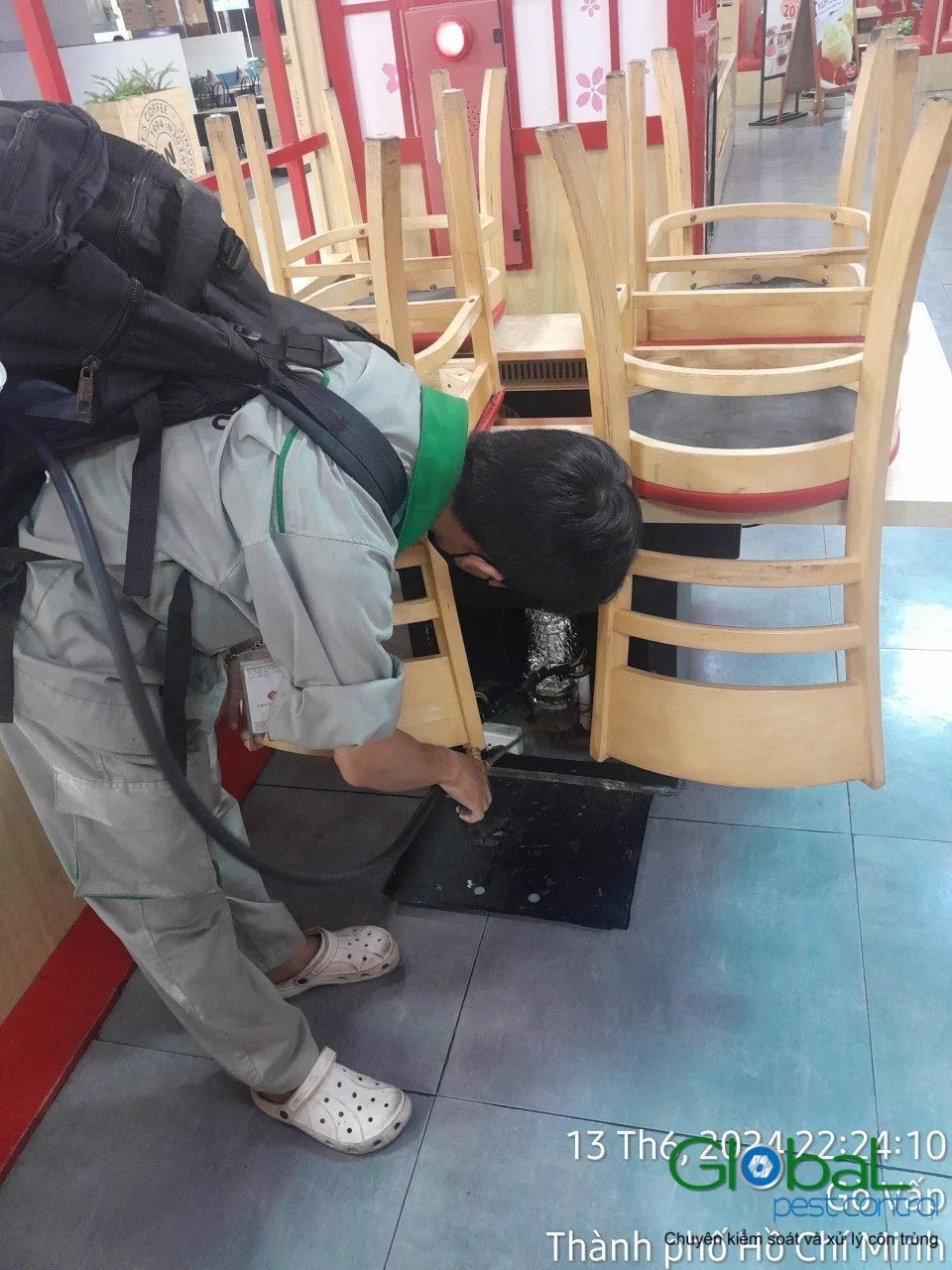
A treatment with a follow-up and a defined warranty period — typically two visits and three to six months of cover — sits between the two. For a household with a real but contained problem it is often the right purchase, and it is worth asking for by name.
Questions that decide it
Ask the technician after the inspection: where is the source, is it inside my unit, and can it be closed? If the answer is that the source is in the building's drainage or in a neighbouring premises, a one-off treatment will disappoint no matter how well it is done.
If the answer is that it is inside your unit and the entry point can be sealed, a contract is probably selling you insurance against something you have just removed.
What a household contract should actually contain
- A stated number of visits per year and the interval between them
- Which pests are covered, and which are chargeable extras
- Whether call-outs between scheduled visits are included
- What the visit includes: inspection, treatment, monitoring, reporting
- Notice period and how to end it
A contract that promises "regular treatment" without a number, and does not say what happens when you call between visits, is not a contract worth having. Those two clauses are the ones that get used.
The false economy in each direction
Buying a contract for a standalone house with no pressure and no history is paying for visits that find nothing. Buying single visits repeatedly for an apartment above a restaurant is paying full price four times a year for work that would have been cheaper as a programme, and getting no records for it.
The mistake in both directions comes from choosing on price rather than on where the source is.
Reviewing it annually
Whichever you choose, look at it once a year. For a contract: what was found on each visit, and did anything change? A year of reports saying "no activity found" in a low-risk property is a reason to reduce frequency, and an honest contractor will say so.
For repeated single visits: how many were there, what did they cost together, and did the problem ever actually end? Three call-outs in a year is a programme being bought in the most expensive way available.
What happens if you cancel
Stopping a programme in a property under real external pressure does not return you to the condition before the contract; it returns you to the condition the pressure produces, usually within a few months. That is worth knowing before cancelling on the basis that nothing has been found recently.
Nothing being found is what a working programme looks like. If you want to test whether it is still needed, reduce the frequency for a year and keep monitors in place, rather than stopping and finding out the expensive way.
For landlords with several units
A landlord with three or four apartments in the same building is in an unusual position: the units share the risk, and a single contractor treating all of them at the same visit costs far less per unit than three separate call-outs across the year.
It also produces a record per unit, which settles handover discussions with tenants. For anyone letting property here it is usually the cheapest way to buy both the treatment and the evidence at once.
Global Pest Control is the English-language arm of Khử Trùng Toàn Cầu. The same technicians and the same programmes are described on the Vietnamese price list.
Book an inspection
Site inspections are free of charge and carry no obligation. A technician walks the property, identifies the species and the harbourage, and sends a written quotation with the method and the schedule — normally within one working day.
Request an inspection · See indicative prices · All services