What Happens to Pests During a Flood
Parts of Ho Chi Minh City flood several times a year, from heavy rain, from high tides on the canal system, or from both together. Residents reasonably assume that water clears the streets of insects and rodents.
It does the opposite. Flooding is a displacement event, and everything it displaces moves in the same direction: up, and inward.
During the flood
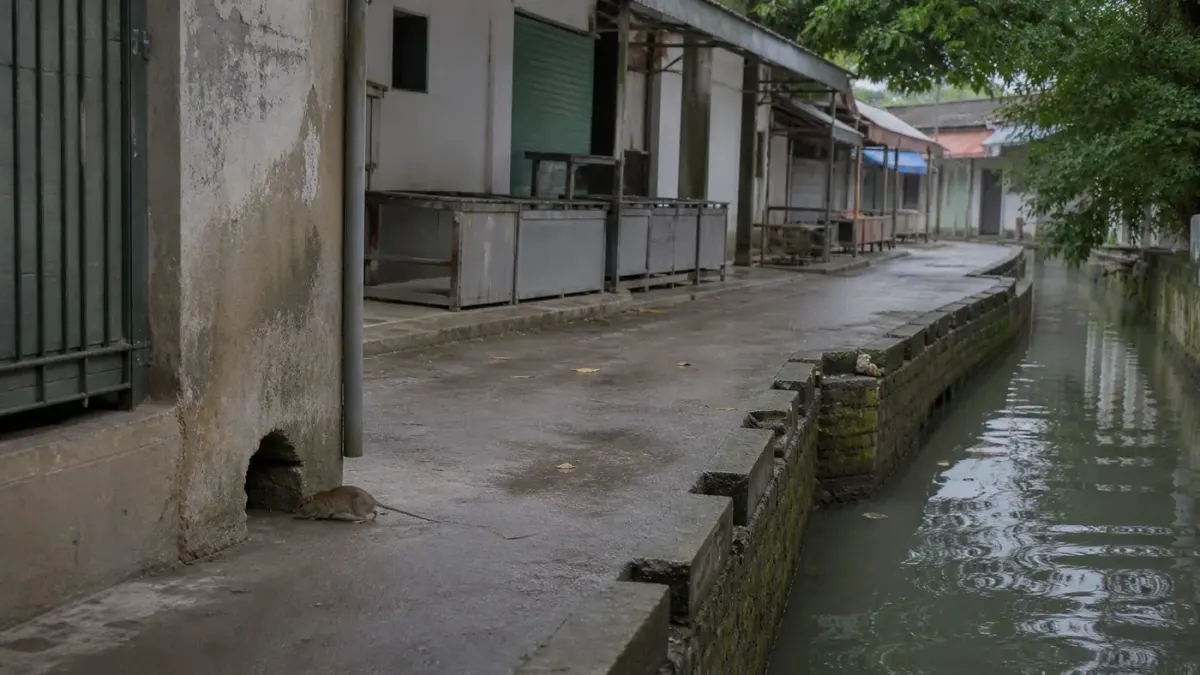
Rodents leave burrows and drainage systems as they fill, and they move to whatever is higher and drier — which means ground floors, stairwells, basements above the water line, wall cavities and vehicles. This is the period when people see rats in places they never have before, and it is not evidence of an infestation in that building.
Ants relocate entire colonies, sometimes rafting on the water surface, and will establish in a wall void or under a floor if they find one. Cockroaches from drainage systems are pushed up through floor gullies and manholes in numbers.
The first two days after
This is when most reports arrive, and the timing catches people out because the water has already gone. Displaced animals are now inside buildings and are looking for food and shelter in an unfamiliar place, so they are visible in a way that a settled population is not.
Drainage systems are also disturbed, water seals have been blown out by surging flow, and manhole covers and gully gratings have moved. Several routes that were closed a week ago are now open.
Two to three weeks after
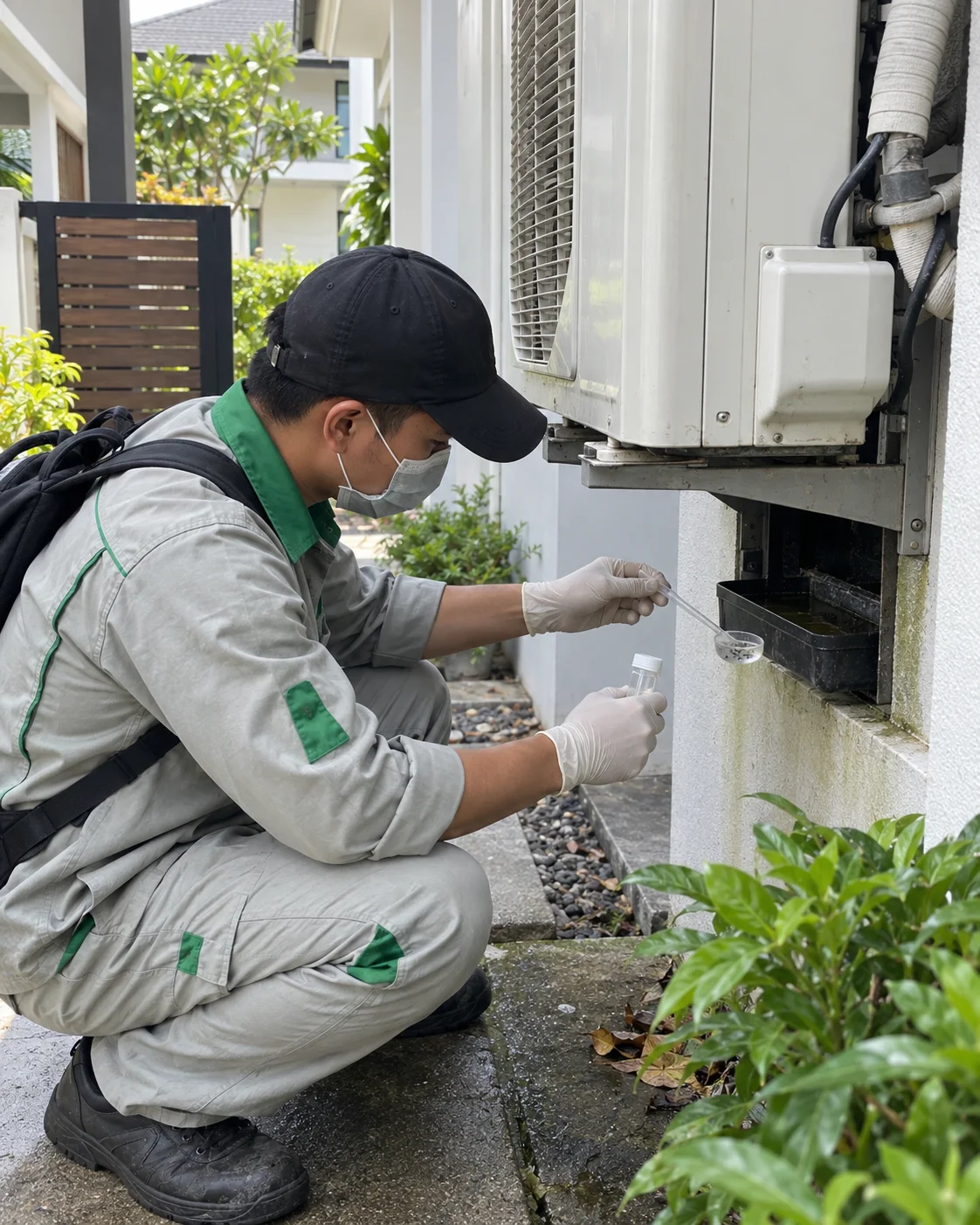
The second wave is mosquitoes, and it is entirely predictable. Every container that filled during the flood — and flooding fills everything — has had a full generation cycle. Numbers rise sharply about two to three weeks after the water goes.
The window to prevent that is the first few days, when tipping out standing water is still possible and cheap. It is also exactly the period when everybody is dealing with more urgent damage, which is why the mosquito wave arrives so reliably.
What to do immediately after water recedes
Tip out every container, including the ones that were not containers before — a plant pot that lost its drainage, a bucket that filled, a tarpaulin fold, a tyre, a low point in a yard. Check that floor drain gratings are seated and that traps hold water, because surging flow displaces both.
Then look at the perimeter for new gaps, and at wall bases inside for mud lines that show where water reached. Anything soft that got wet — cardboard, stored fabric, a mattress in a ground-floor room — comes out rather than dries out.
The contamination question
Flood water in an urban area carries sewage, and surfaces it touched should be treated as contaminated regardless of how they look once dry. For a food business this is a food safety matter before it is a pest matter: anything porous that was submerged is discarded, and everything else is cleaned and disinfected before the site reopens.
From a pest point of view, the relevant consequence is that flood residue is organic material spread across surfaces, and it feeds flies and cockroaches for weeks after the visible mess has been cleaned.
There is one exception to the wait-and-dry rule, and it is the drains. Surge flow through a drainage system strips the organic film that drain flies breed in and then leaves fresh deposits as flow drops, so the fortnight after a flood is when drain treatment does the most good. It is also when floor traps most often need refilling, because the surge has emptied them.
Why treatment timing matters here
Treating during or immediately after a flood is largely wasted, because surfaces are wet, product does not adhere, and the population is still moving. The productive sequence is to clean and dry first, seal the routes that opened, then treat once surfaces will hold a deposit — usually three to seven days after the water goes, depending on how quickly the property dries.
Related reading
See why activity spikes after rain and rainy season pest control. For low-lying property, waterside properties and why ground floor units have more problems. Basements are covered in basement car parks. Our parent company handles post-flood work in Vietnamese through its rodent control programme.
Global Pest Control is the English-language arm of Khử Trùng Toàn Cầu, based in Thu Duc City.
Common questions
Rats appeared in our building during a flood and then vanished. Do we still need to act?
Usually a light response rather than a full programme. Most displaced animals return to their normal range once conditions allow, so the useful work is checking what routes opened during the flood and closing them, plus a period of monitoring to confirm nothing stayed. Full treatment on the basis of a displacement event is often unnecessary.
Should we put down bait during a flood?
No. Bait placed in a flooded area is washed away, becomes a contamination risk, and is placed where animals are transiting rather than where they live, so it teaches nothing. Wait until the water has gone, establish where activity actually is with monitors, then place anything toxic.
How long until the mosquitoes arrive after a flood?
Two to three weeks in this climate, reliably. That gives you a clear window: containers emptied in the first three or four days produce nothing, and containers left until week two have already done their work. It is the most predictable thing in this whole article and the most consistently missed.