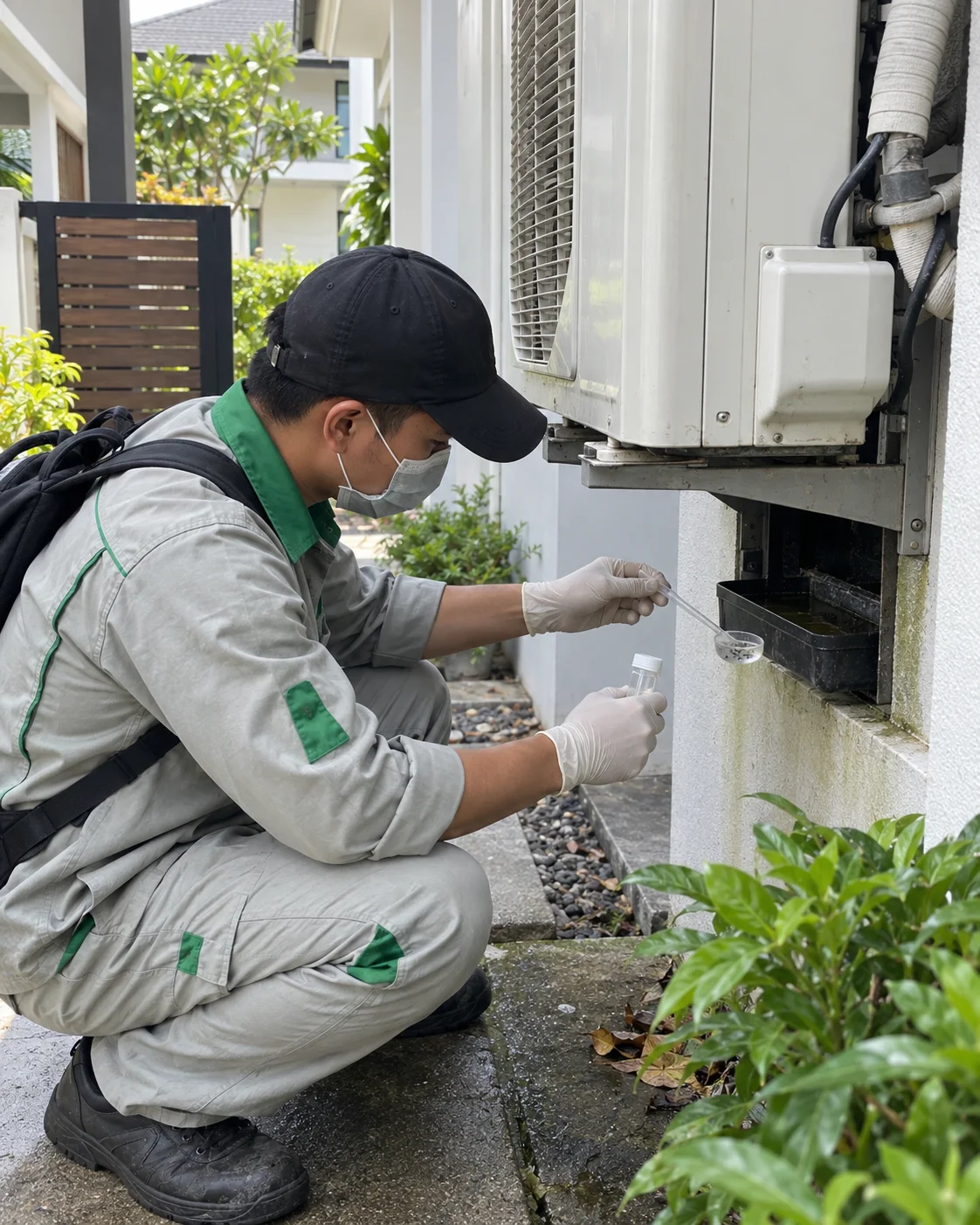
What Actually Happens During a Pest Control Visit
A useful first visit is mostly inspection. If a technician arrives, sprays for fifteen minutes and leaves without telling you which species you have or where it is living, you have paid for an air freshener with a residue.
Knowing what the visit should contain makes it easy to judge, even without any technical background.
Inspection comes first, and takes longer than treatment
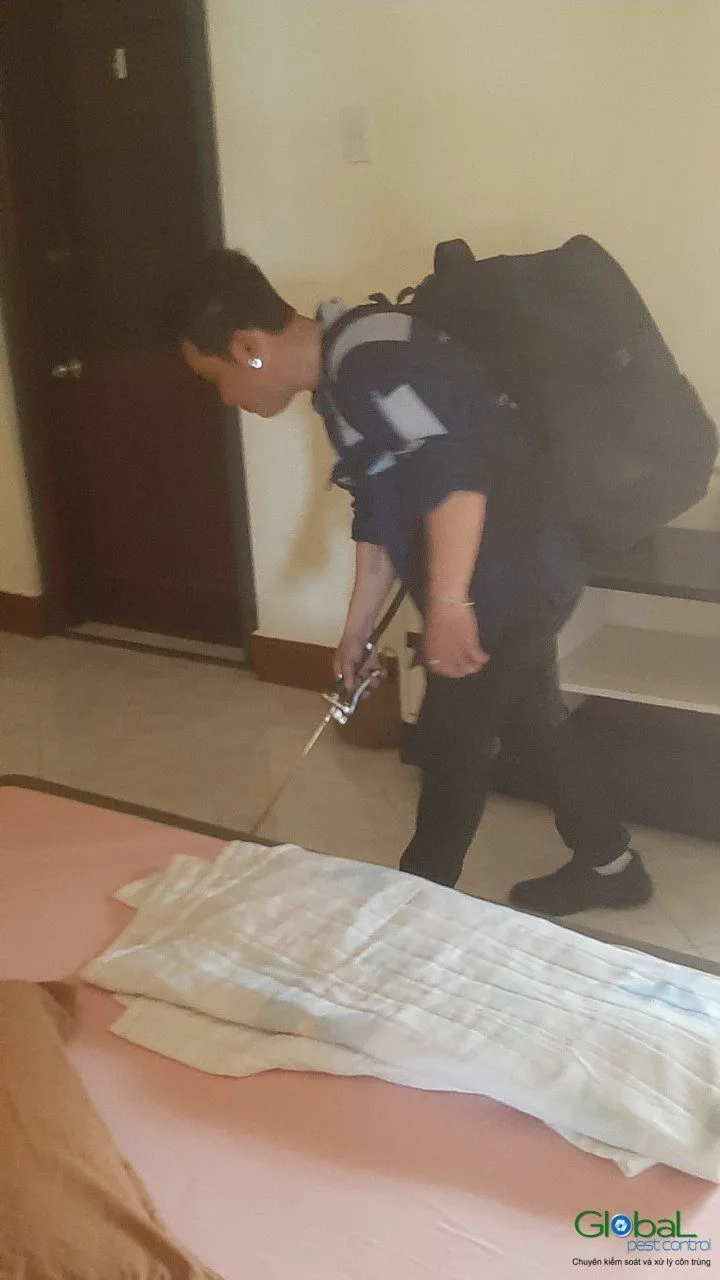
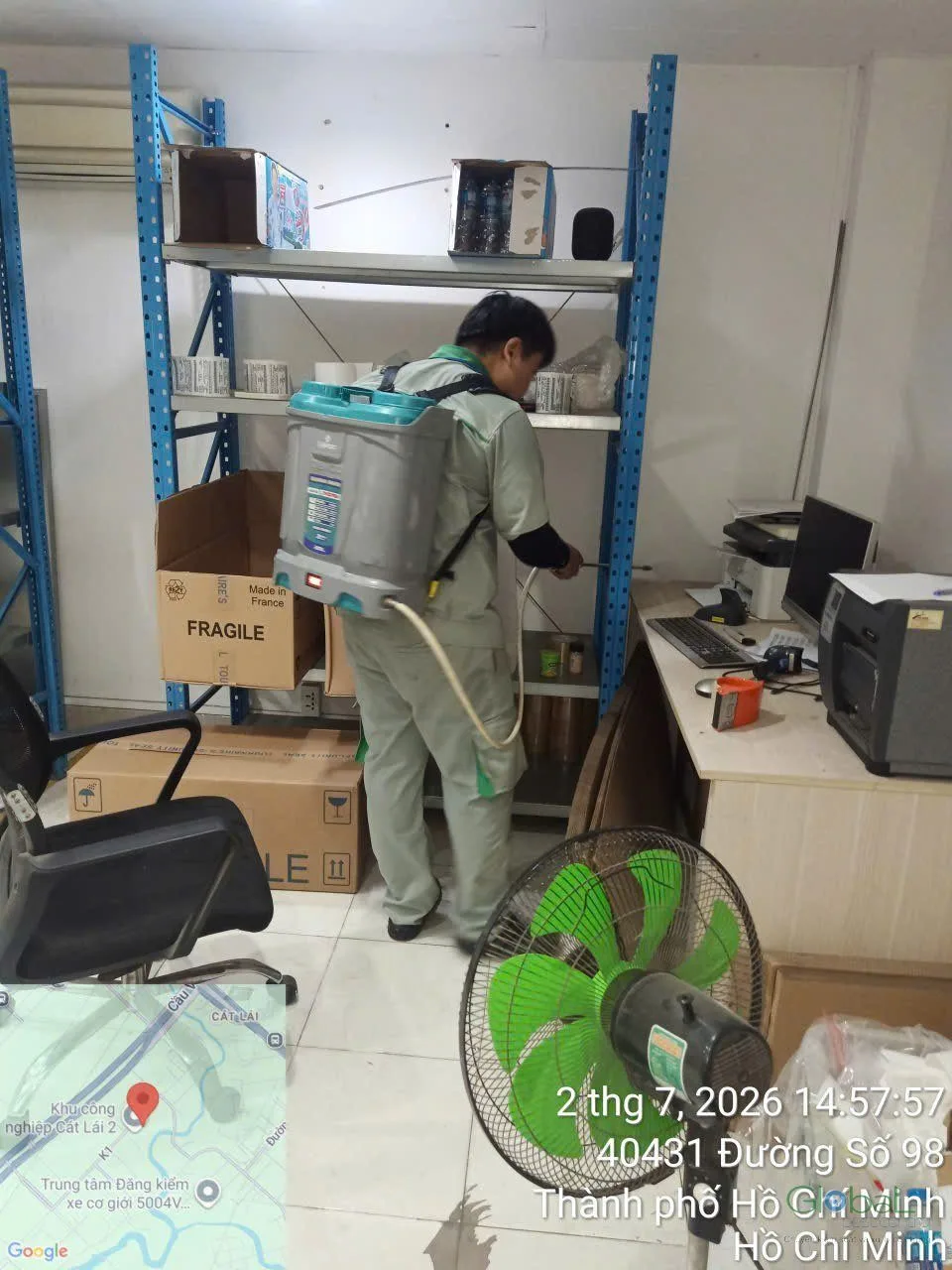
The technician should open cabinets, look behind and under appliances, check floor drains, look at the gap under doors, and check any balcony or service area. For a one-bedroom apartment that is fifteen to twenty-five minutes of looking before anything is applied.
They should tell you what they found and where. "German cockroaches, harbourage behind the refrigerator motor and in the hinge recesses of the sink cabinet" is an inspection result. "You have cockroaches" is not.
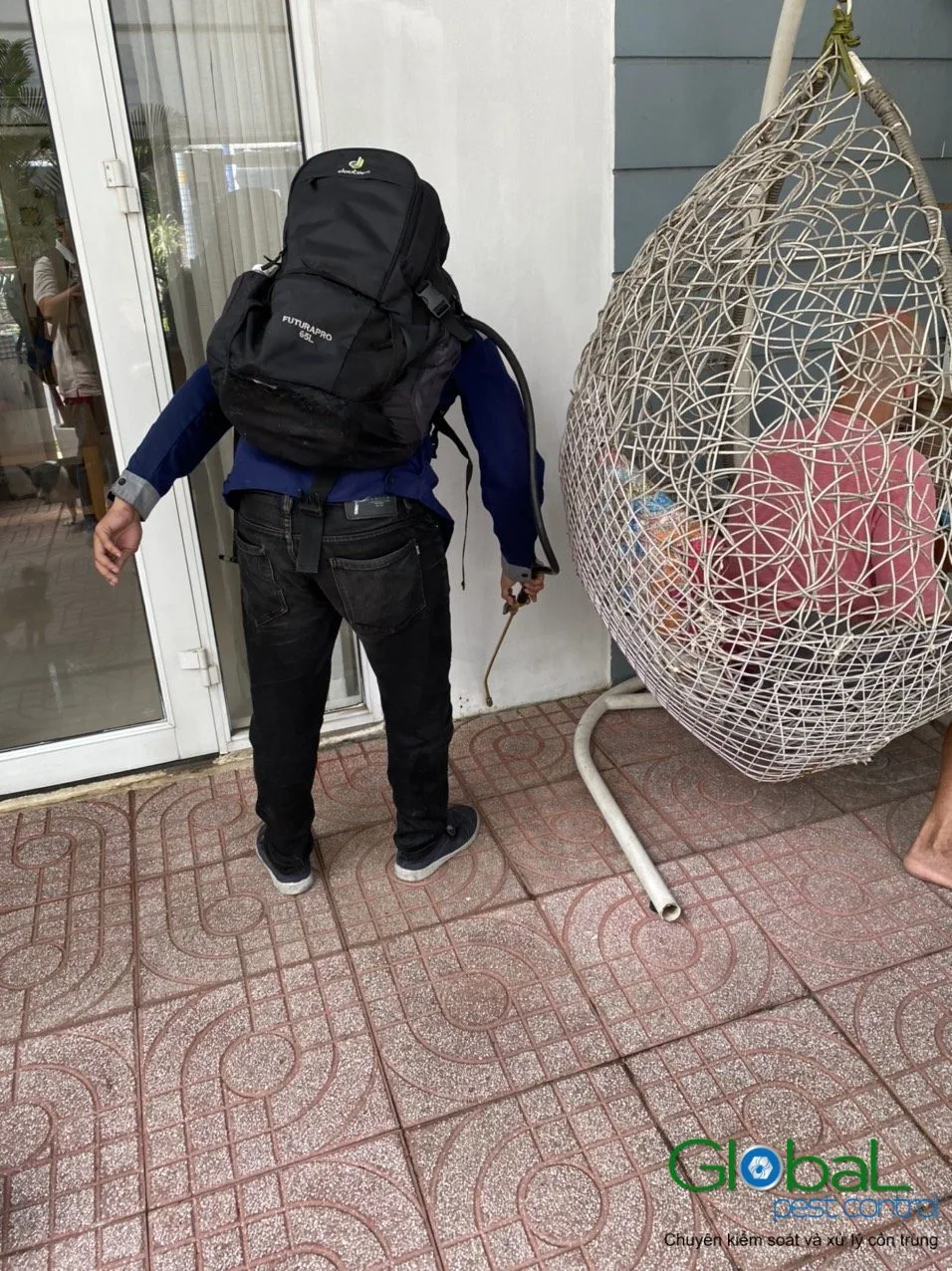
Treatment should match the species and the location
Different findings lead to different work, and a company that does the same thing every time is not inspecting:
- German cockroaches indoors: gel bait placed in cracks and voids, not a surface spray
- American cockroaches from drains: treatment of the drainage route and correction of the water seal
- Ants: bait matched to whether the colony is feeding on sugar or protein
- Rodents: proofing and trapping inside, bait stations outside, never loose bait in a living space
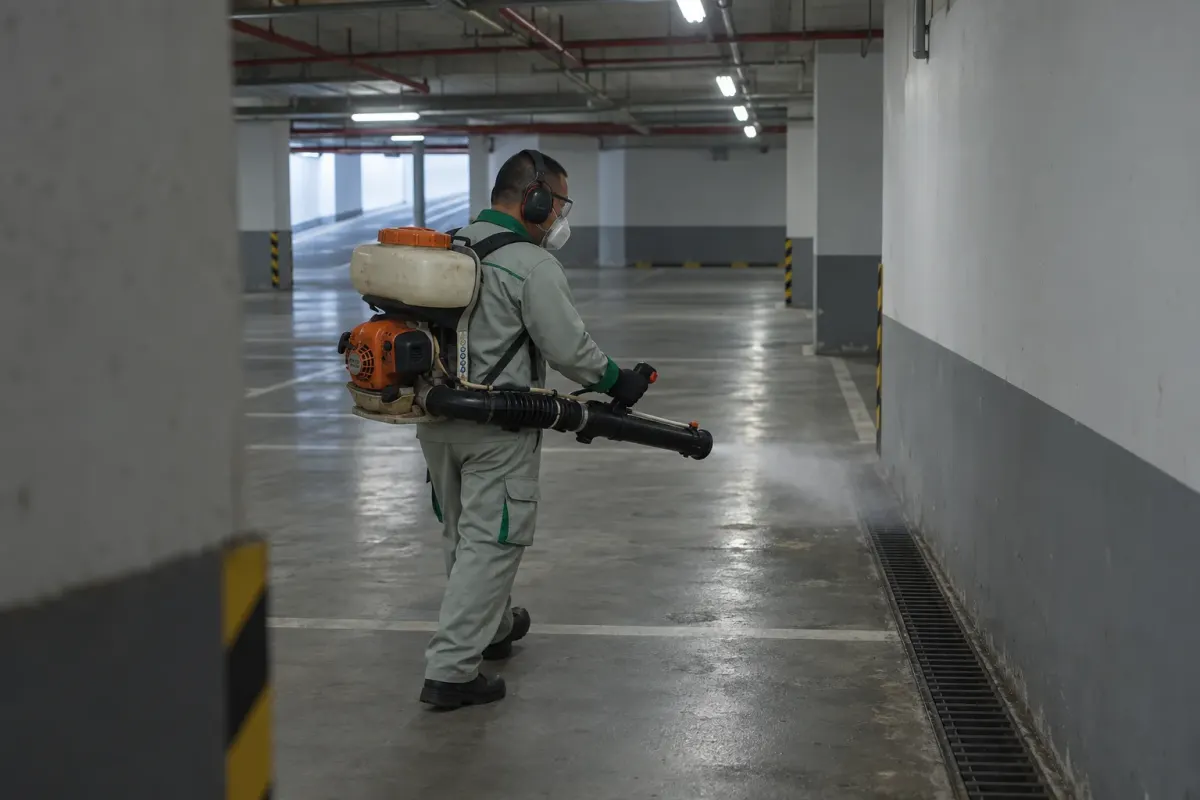
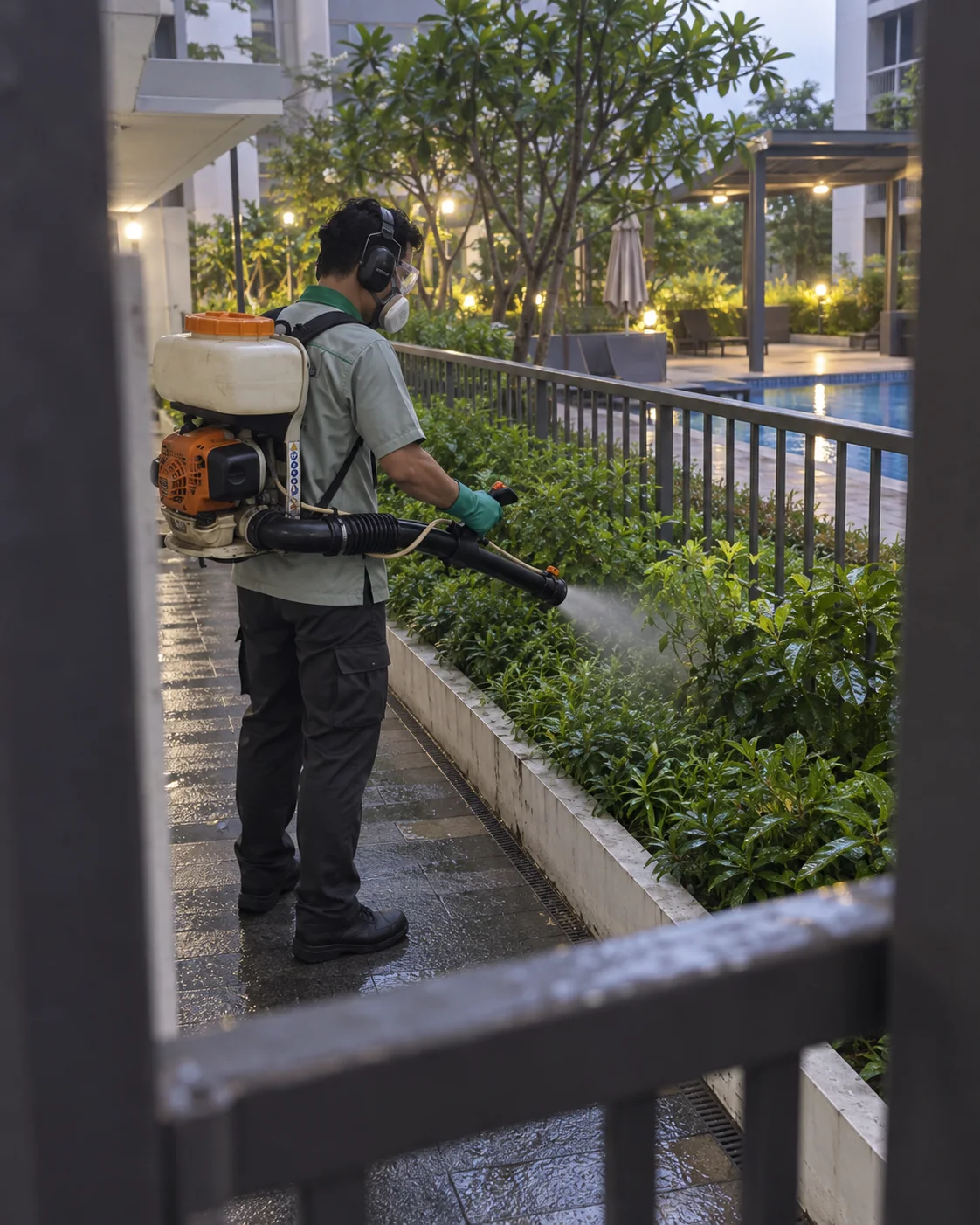
- Mosquitoes: source reduction plus treatment of resting sites, with fogging only where it is justified
What should be left with you
At minimum: what was found, what was applied and where, the product name, any re-entry period, and what happens next. In writing, even if it is handwritten on a docket.
That document is worth keeping. It is what you show a landlord at handover, what an auditor asks for in a commercial kitchen, and what tells the next technician what was done last time.
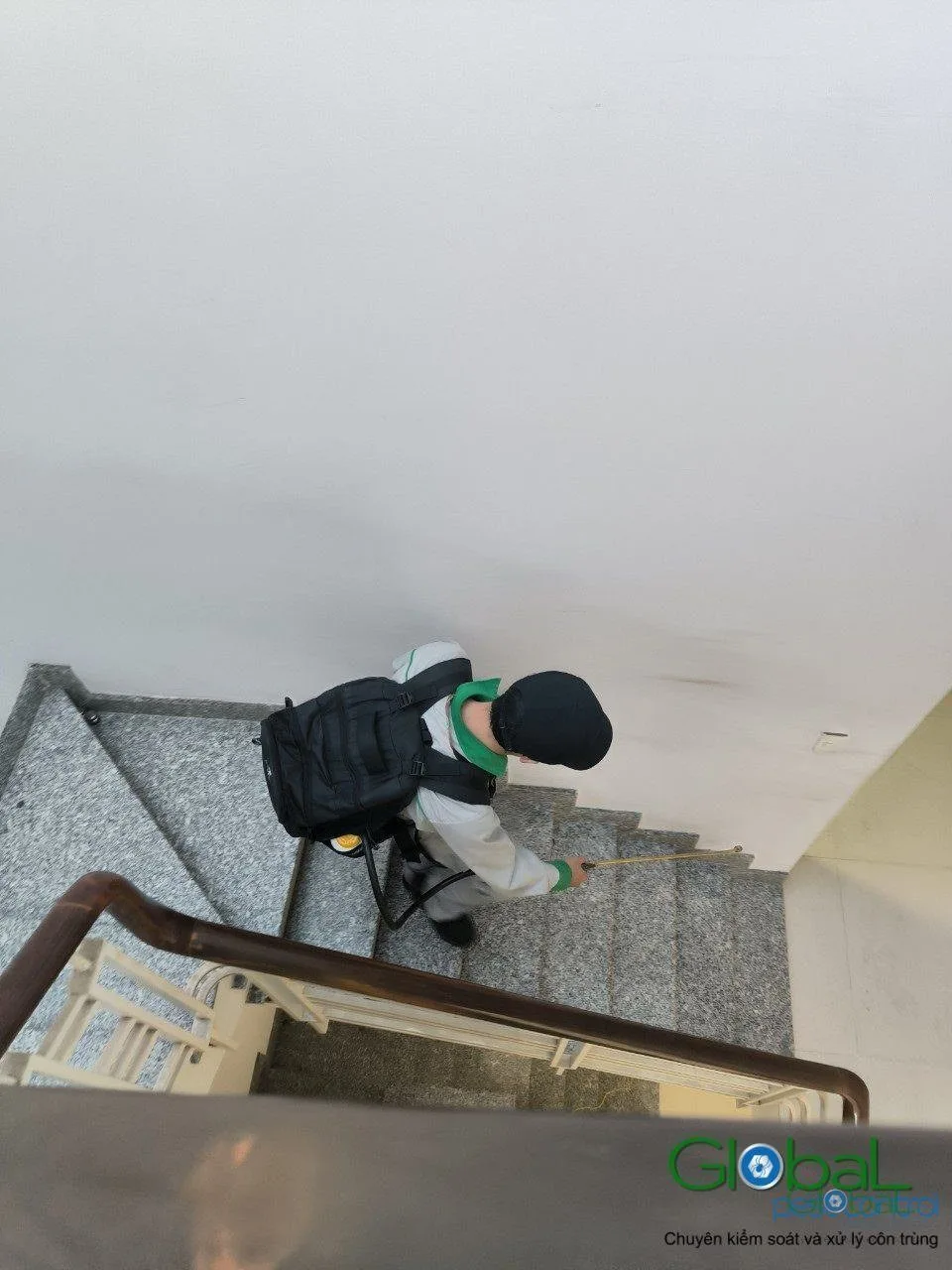
How long it takes
- One-bedroom apartment: forty-five minutes to an hour, most of it inspection
- Three-bedroom apartment or townhouse: one and a half to two hours
- Restaurant kitchen: two hours or more, usually outside service times
- Follow-up visit: shorter, focused on checking bait consumption and monitors
Why a second visit is usually part of the job
Baits work over days, and insect eggs already laid are not affected by anything applied on the day. For cockroaches and ants a follow-up at two to three weeks catches the generation that hatched after the first visit.
A quotation that includes a follow-up is not padding. A quotation for a single visit against an established population usually means a second call at full price a month later.
What a technician is actually reading
An experienced technician is looking for evidence rather than for insects. Smear marks along a skirting show a rodent route. Dark specks in a hinge recess show cockroach harbourage. A trail of ants at a particular time of day shows where the colony is and what it is currently feeding on.
This is why a good inspection includes questions about times of day and about what changed recently. A problem that started three weeks ago often has an event behind it: a delivery, a renovation next door, a blocked drain.
What happens on a follow-up visit
- Bait placements are checked for consumption, which shows whether the population is feeding
- Monitors are read and compared with the first visit
- New placements are made where consumption was high
- Areas that were clear are checked again, because populations move
- The report is updated so the two visits read as one record
A follow-up that consists of another general spray is not a follow-up. The point is measurement.
Working around a household
Tell the company in advance about infants, anyone pregnant, pets, aquariums and asthma. It changes the products, the placements and the re-entry advice, and it is far easier to plan for than to work around on arrival.
The same applies to access. If the building requires registration for contractors, or the lift needs booking, say so when arranging the appointment. A technician turning away at reception is the most common cause of a wasted visit.
What to do while the technician is there
Stay for the inspection if you can. Ten minutes walking through the property with the technician is worth more than any report, because you can point at what you have seen and they can point at what they have found.
Ask three questions at the end: what species is it, where is it living, and what should I not clean. Those three cover the diagnosis, the source and the single most common way a treatment gets undone. Everything else can be read later.
Access, keys and repeat visits
Agree at the first visit how the follow-up will be accessed. In apartment buildings this is the most common reason a second visit does not happen: the resident is at work, the building will not admit a contractor, and the appointment quietly lapses.
Options that work are booking an evening or weekend slot, arranging access through building management in advance, or leaving a key with reception with written authority. Deciding it while the technician is still standing in the kitchen takes thirty seconds and saves the visit.
Global Pest Control is the English-language arm of Khử Trùng Toàn Cầu. The same technicians and the same programmes are described on our published Vietnamese price list.
Book an inspection
Site inspections are free of charge and carry no obligation. A technician walks the property, identifies the species and the harbourage, and sends a written quotation with the method and the schedule — normally within one working day.
Request an inspection · See indicative prices · All services