Pest Control With Asthma or Allergies in the Household
A household with asthma, allergic rhinitis or another respiratory condition has a genuine reason to ask careful questions before a treatment, and there is a good answer available.
There is also a second point worth knowing, which cuts the other way: cockroach allergen is a well-documented asthma trigger, so leaving an infestation in place is not the cautious option.
What matters is whether it becomes airborne
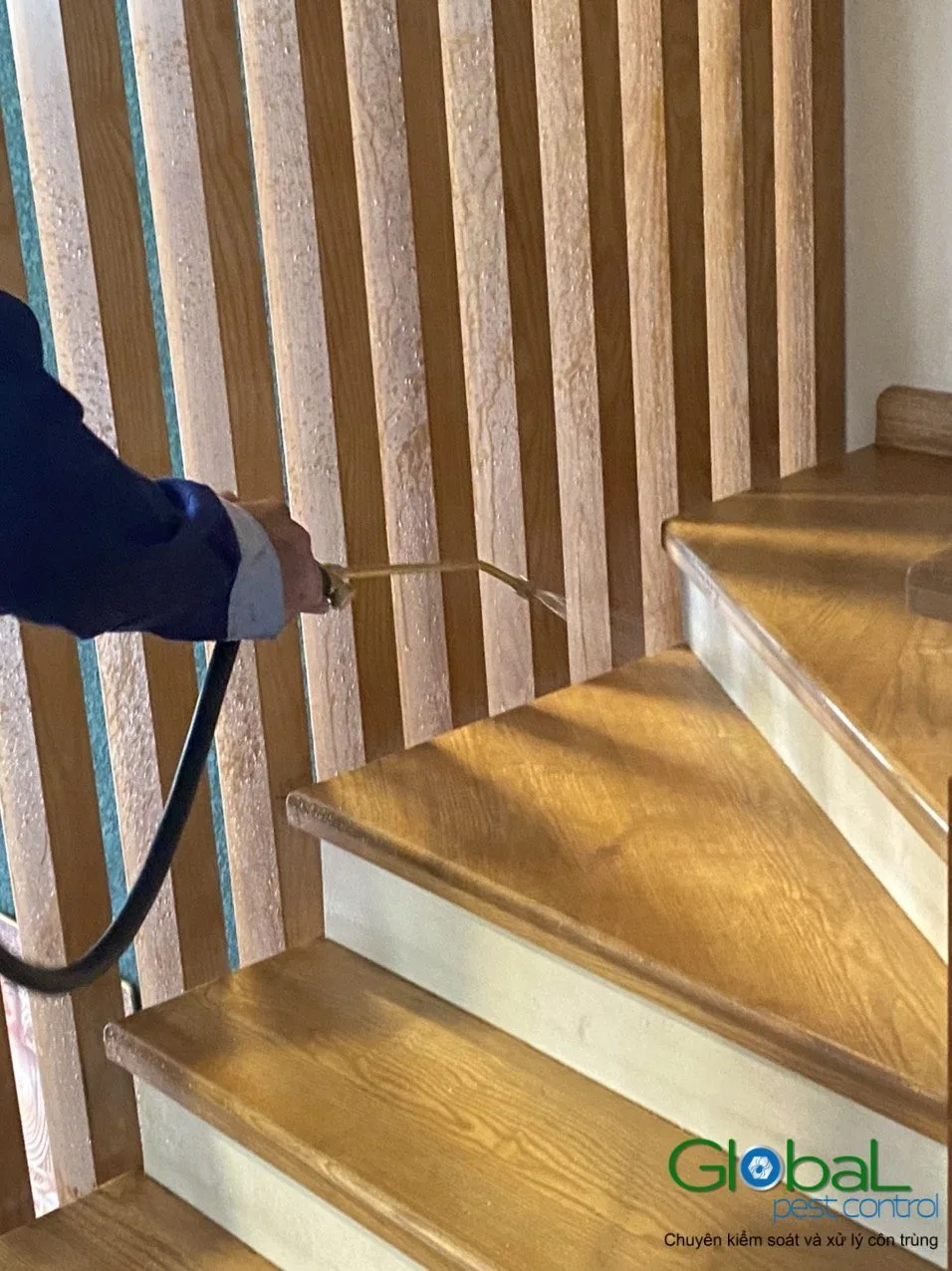
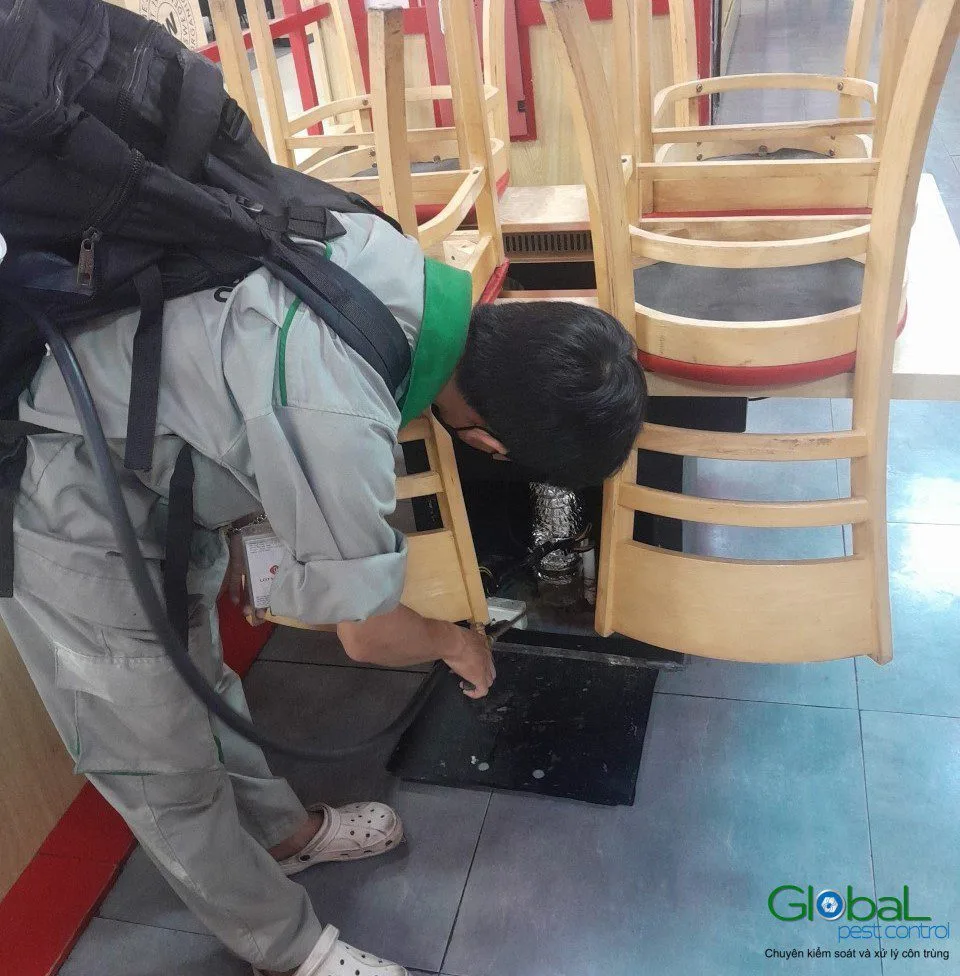
For a respiratory condition, the variable is inhalation. A gel bait inside a cabinet void releases nothing into the air. A residual applied only into cracks and joints, and allowed to dry with the windows open, leaves very little in the air of the room.
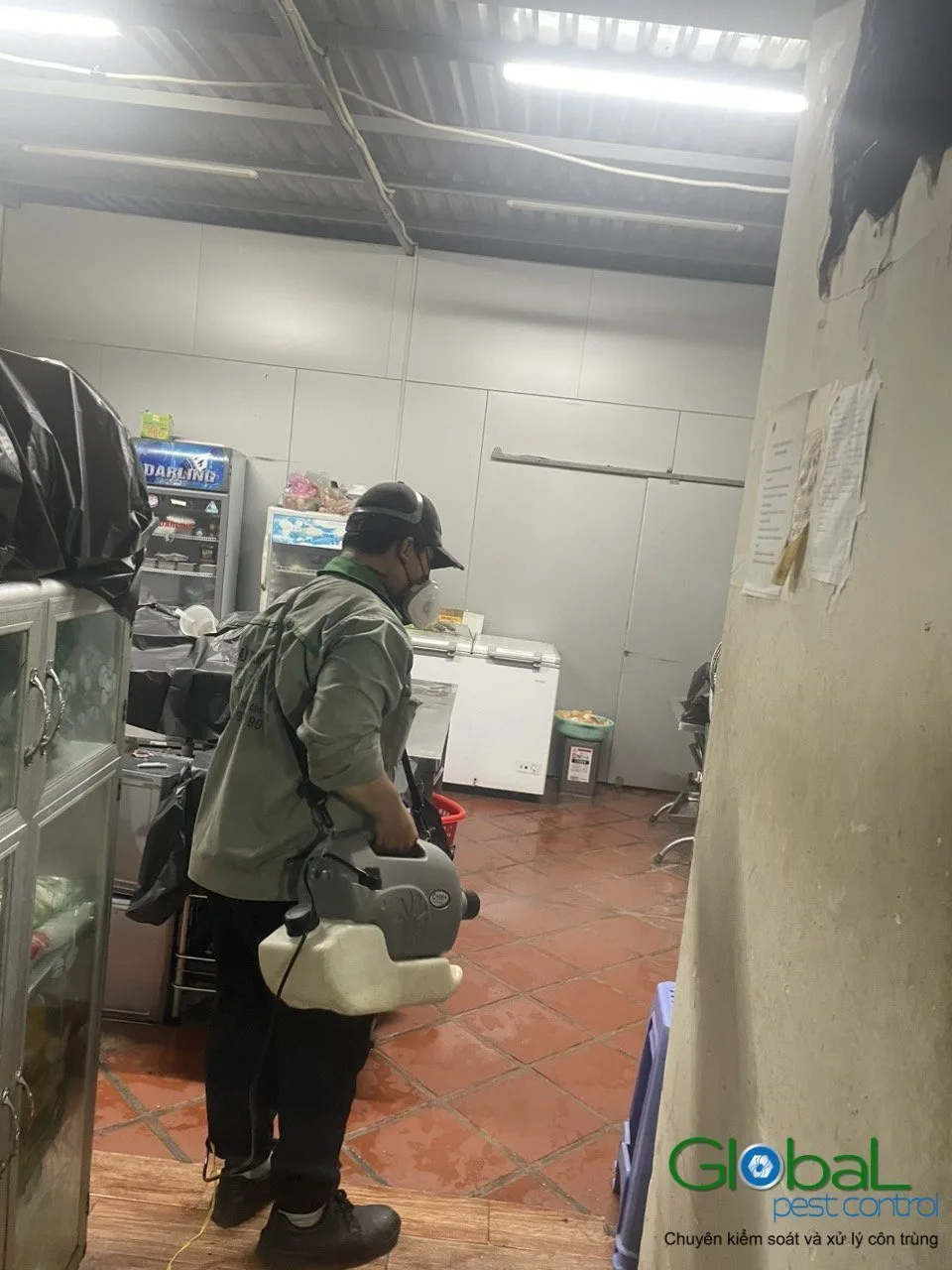
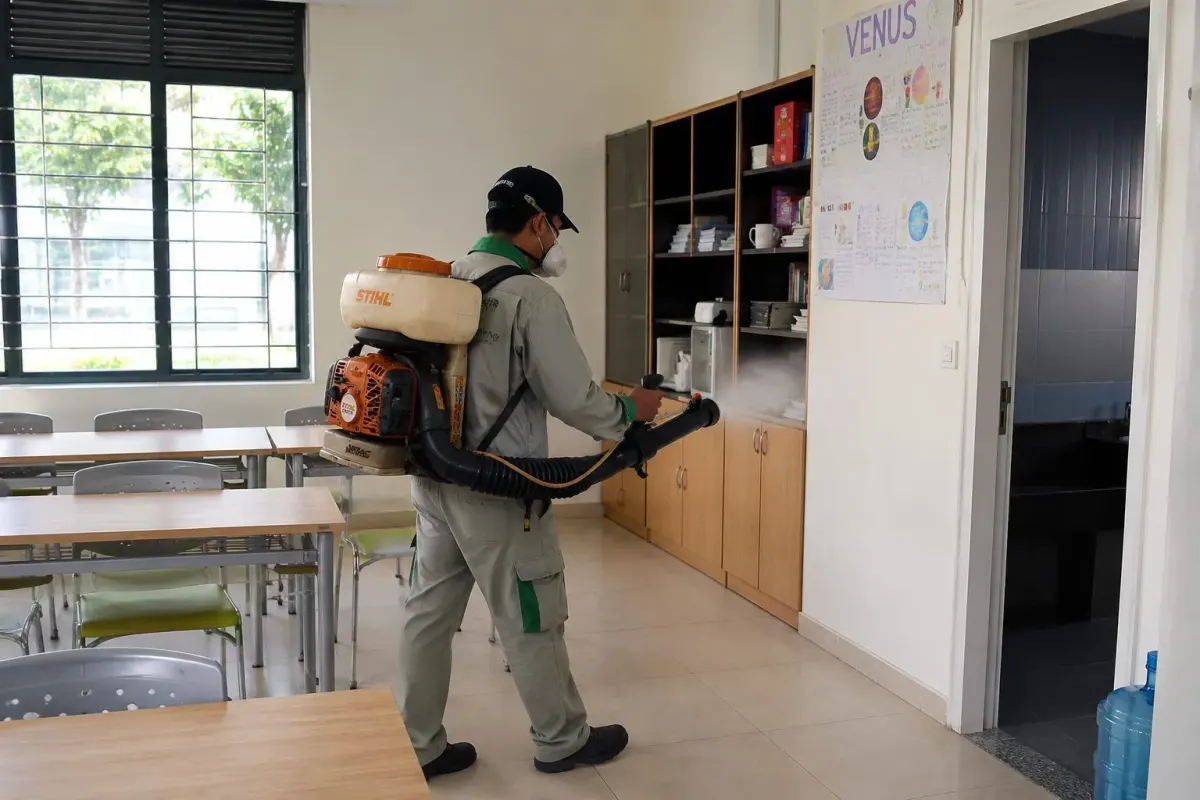
Misting puts fine droplets into the air of the room by design, which is why the person with asthma stays out until the room is aired. That is the method to avoid, and it is also the method with the least benefit in most household situations, so declining it costs nothing.
The cockroach allergen question
Cockroach allergens — from droppings, shed skins and body fragments — are a recognised trigger for asthma, and the association is strongest in dense urban housing. In a household with an asthmatic child, an established German cockroach population is a health issue rather than only a nuisance.
That changes the risk calculation. The choice is not between a treatment and nothing; it is between a targeted low-exposure treatment and an ongoing allergen source. Framed that way, doing the work carefully is clearly better than doing nothing.
Cleaning matters more here than usual
Because the allergen is particulate, removal is part of the treatment rather than an afterthought. Vacuuming with a good filter, wiping down cabinet interiors after a population has been dealt with, and cleaning behind appliances all reduce the residual allergen load.
This should happen after the treatment period rather than during it, so it does not remove the residual from the surfaces where it is needed. The sequence is treat, wait the stated period, then clean thoroughly.
Dust mites and damp, which are the other half
In this climate, dust mites and mould are frequently a larger contributor to respiratory symptoms than any insecticide would be. Both depend on humidity, so a dehumidifier, mattress and pillow encasements, and hot washing of bedding often do more for a household than anything we apply.
We mention it because the enquiry that arrives is usually about product safety, and the more useful conversation is often about moisture.
What to request
Gel bait in cracks and closed voids, residual only into cracks and joints. No misting while the person is at home, and no residual on open surfaces in the rooms they use. A longer re-entry period than the minimum, with the rooms ventilated before return. The active ingredient and placement stated on the report.
And tell the technician about the condition before the visit rather than at the door, because it changes the plan rather than the execution.
On the day
The person affected leaves for the application and for a longer period afterwards than the stated minimum. Open windows and get air moving before returning. Keep medication accessible, which is an obvious point that is easy to overlook when a household is disrupted.
If a symptom occurs after a treatment, that is a matter for a doctor, and the product data sheet is what they will want. We can supply it the same day.
The other allergen nobody mentions
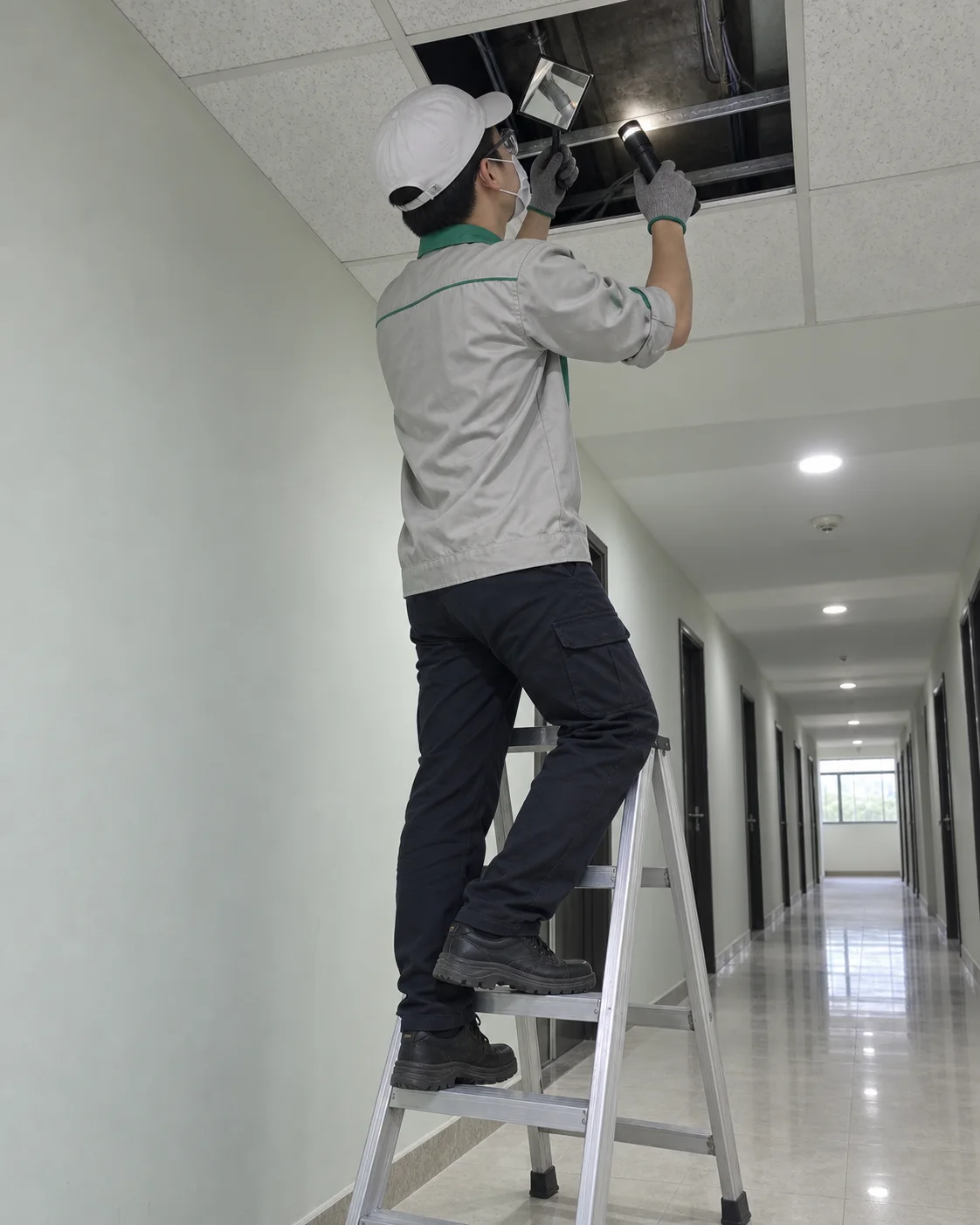
Rodent urine and dander are also documented respiratory allergens, and in a building with an established rodent population in ceiling voids or risers, the material becomes airborne through dust. This is one more reason not to sweep or vacuum dry rodent droppings — the airborne route is the one that matters, and it matters considerably more in a household with asthma. Damp down, wipe up, and dispose of it sealed.
Where our expertise stops
We are not medical practitioners and we do not advise on whether a particular person can tolerate a particular exposure. What we can do is describe precisely what was used and where, and design the work so that the question does not arise — which for a respiratory household means no airborne application at all.
Related reading
See safety with children, pets and pregnancy and re-entry times explained. On methods, when fogging is and is not the right tool. For damp, silverfish, booklice and damp. Our parent company runs the Vietnamese-language cockroach programme for homes.
Global Pest Control is the English-language arm of Khử Trùng Toàn Cầu, based in Thu Duc City.
Common questions
Should we delay treatment because of the asthma?
Usually the opposite, if the problem is cockroaches. Cockroach allergen is a documented asthma trigger, so an established population in the home is itself a respiratory issue, and a targeted low-exposure treatment removes a source rather than adding one. What should be delayed or declined is any airborne method, not the treatment itself.
Is a low-odour product safer for asthma?
Not necessarily, and this is a common confusion. Odour comes from the solvent rather than the active ingredient, so a low-odour formulation is more comfortable without being less potent. Comfort is worth something — a strong smell can itself trigger symptoms — but it is not a safety measure, and placement matters far more.
Can we stay in another room during the treatment?
For a household with a respiratory condition we would suggest leaving the property entirely during application and for a longer period than the stated minimum, since apartments here share air between rooms far more than people assume. If leaving is genuinely impossible, the work should be limited to gel bait and crack-and-joint residual treatment, and scheduled around the person.