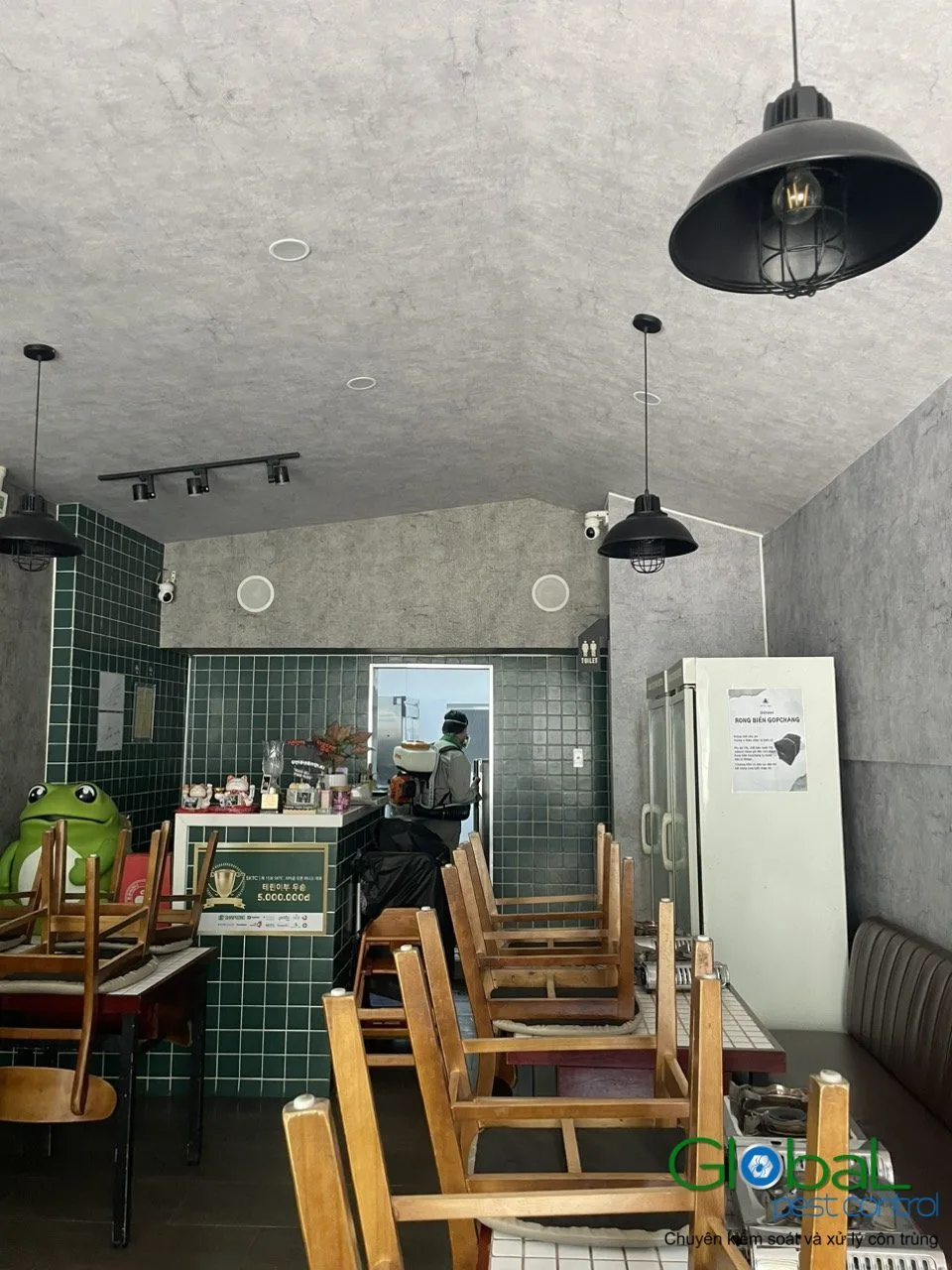
Rainy Season Pest Control in Ho Chi Minh City
The rainy season in Ho Chi Minh City runs from about May to November, and it changes three things at once for pest control: standing water multiplies mosquito breeding sites, humidity and warmth speed up cockroach breeding, and treatments applied to outdoor surfaces wash off far faster than they do in the dry months.
That third point is the one most people are never told, and it explains why an outdoor treatment that worked in February seems to do nothing in August.
Standing water is the whole mosquito problem
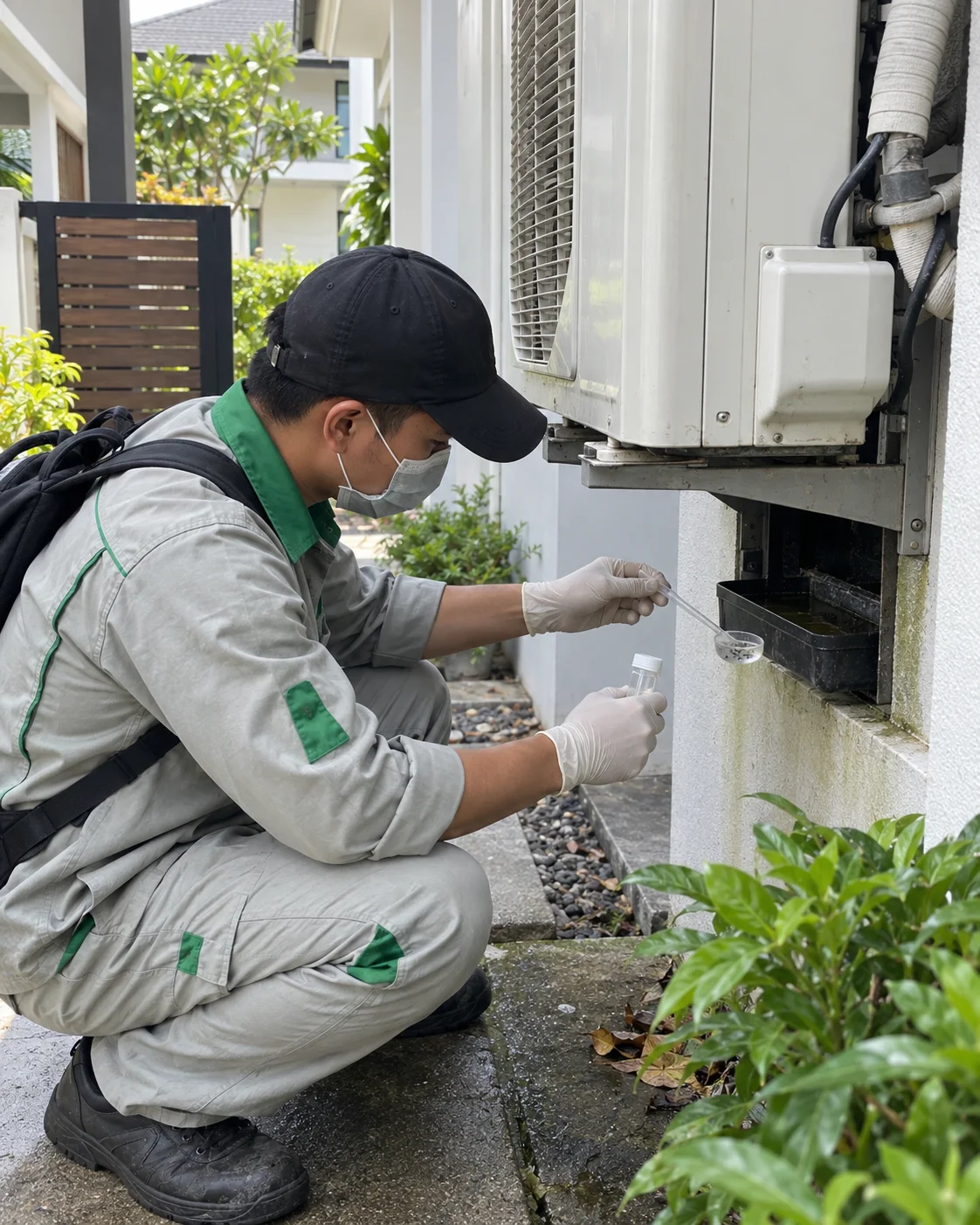
A mosquito does not need a pond. It needs about a bottle-cap of water standing for a week. In a typical apartment or townhouse the candidates are the same every time:
- Saucers under potted plants on a balcony or terrace
- The condensate tray or drain line of an air-conditioning unit
- Roof drains and gutters blocked with leaves
- Buckets, mop pails and washing-machine drain pans left standing
- Decorative water features and unused aquariums
- Any tarpaulin, lid or bin that collects rain
Removing these does more than any amount of spraying. Adult mosquitoes are replaced within days; breeding sites are not.
Why fogging alone disappoints during the rains
Fogging kills the adult mosquitoes flying at the moment it is done. It has almost no residual effect and none at all on larvae in water. In the dry season that can be enough to break a cycle. During the rains, a new generation emerges from the same sites within a week and the room feels no different.
The work that holds through the rainy season is source reduction — finding and emptying breeding sites — with treatment of resting sites such as shaded vegetation, stairwells and the underside of furniture. Fogging is worth doing before an event or after a dengue case, not as the whole programme.
Drains, gullies and the cockroach route
Humidity raises cockroach activity, but the bigger seasonal change is drainage. Floor gullies in bathrooms and utility areas hold a water seal that blocks the pipe. When a gully is rarely used the seal evaporates, and the pipe becomes an open corridor between units in the same stack.
Pouring a litre of water down every unused floor drain once a week costs nothing and closes that route. It is the single most effective thing an apartment resident can do without calling anyone.
Ants move indoors when the ground floods
Colonies nesting in soil, planters and wall cavities are driven upward and inward by heavy rain. A kitchen that has been quiet for months can have a trail along the counter within a day of a storm. Spraying the trail removes the workers you can see and leaves the colony intact, which is why the trail returns in a different place two days later.
Baiting works with the behaviour instead: workers carry the bait back and it reaches the nest. It is slower to look impressive and far more likely to end the problem.
Three checks worth doing before the rains start
- Clear roof drains, gutters and balcony outlets so water does not stand
- Check that every floor gully still holds water, and refill the ones that do not
- Seal gaps around pipe penetrations under sinks and behind washing machines, where rising insects enter
None of this is difficult. It is simply seasonal, and almost nobody does it until there is a problem.
Why outdoor treatments wash off, and what to do instead
Residual products applied to external walls, plinths and paving are designed to sit on the surface for weeks. Heavy tropical rain removes much of that within days, particularly on smooth or unrendered surfaces and anywhere rain runs rather than falls.
The response is not more product. It is to place treatment where rain does not reach — the underside of window ledges, the sheltered face of a wall, under a stair, behind a downpipe — and to accept a shorter interval outdoors during the rains than in the dry months.
Termites and the rains
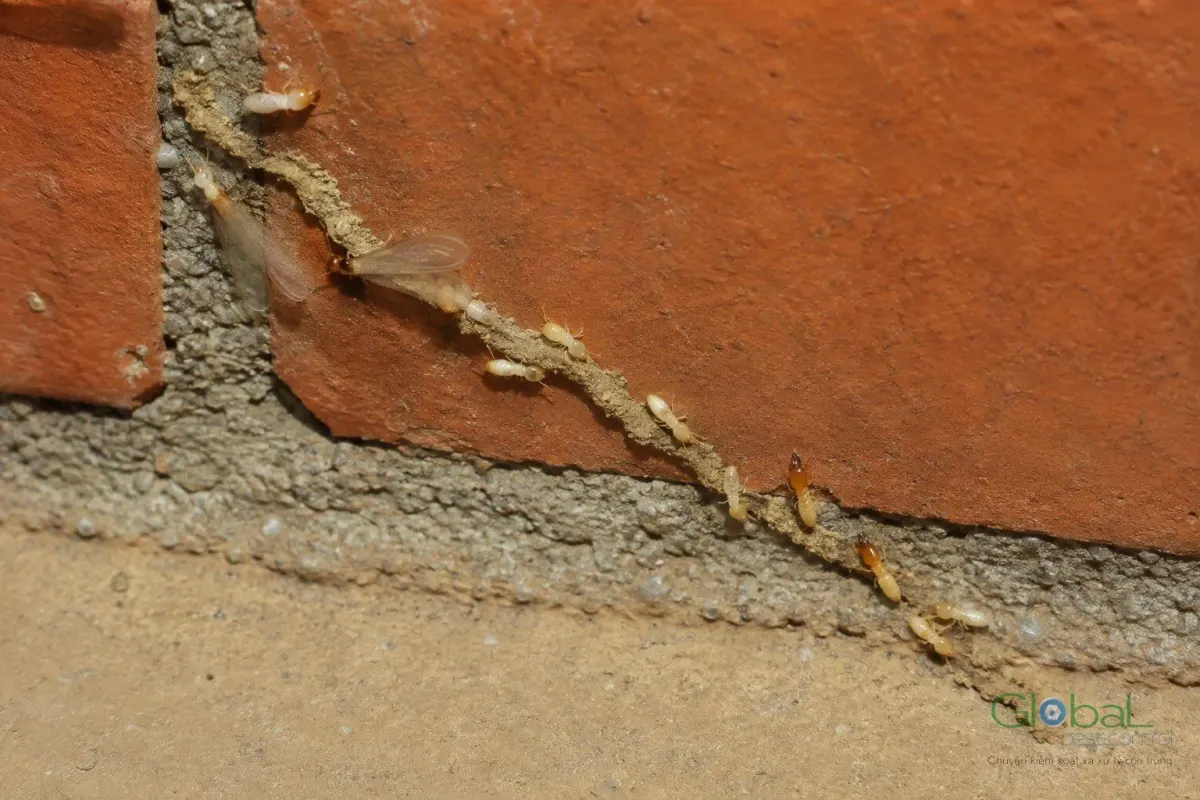
Rain raises soil moisture, and subterranean termites move more freely in moist soil. This is why activity found in June is often more extensive than the same colony would have shown in February. It also means mud tubes appear and are abandoned faster, which can make an inspection confusing.
A tube that is dry and crumbles is not necessarily evidence that the colony has gone. Termites reroute constantly. The reliable check is whether the timber behind it is sound, not whether the tube is currently in use.
What changes for a food business
- Grease traps fill faster because more water passes through the system
- External bins need collection more often; wet waste attracts flies within a day
- Delivery areas stay wet, and standing water at a goods-in door is a mosquito site
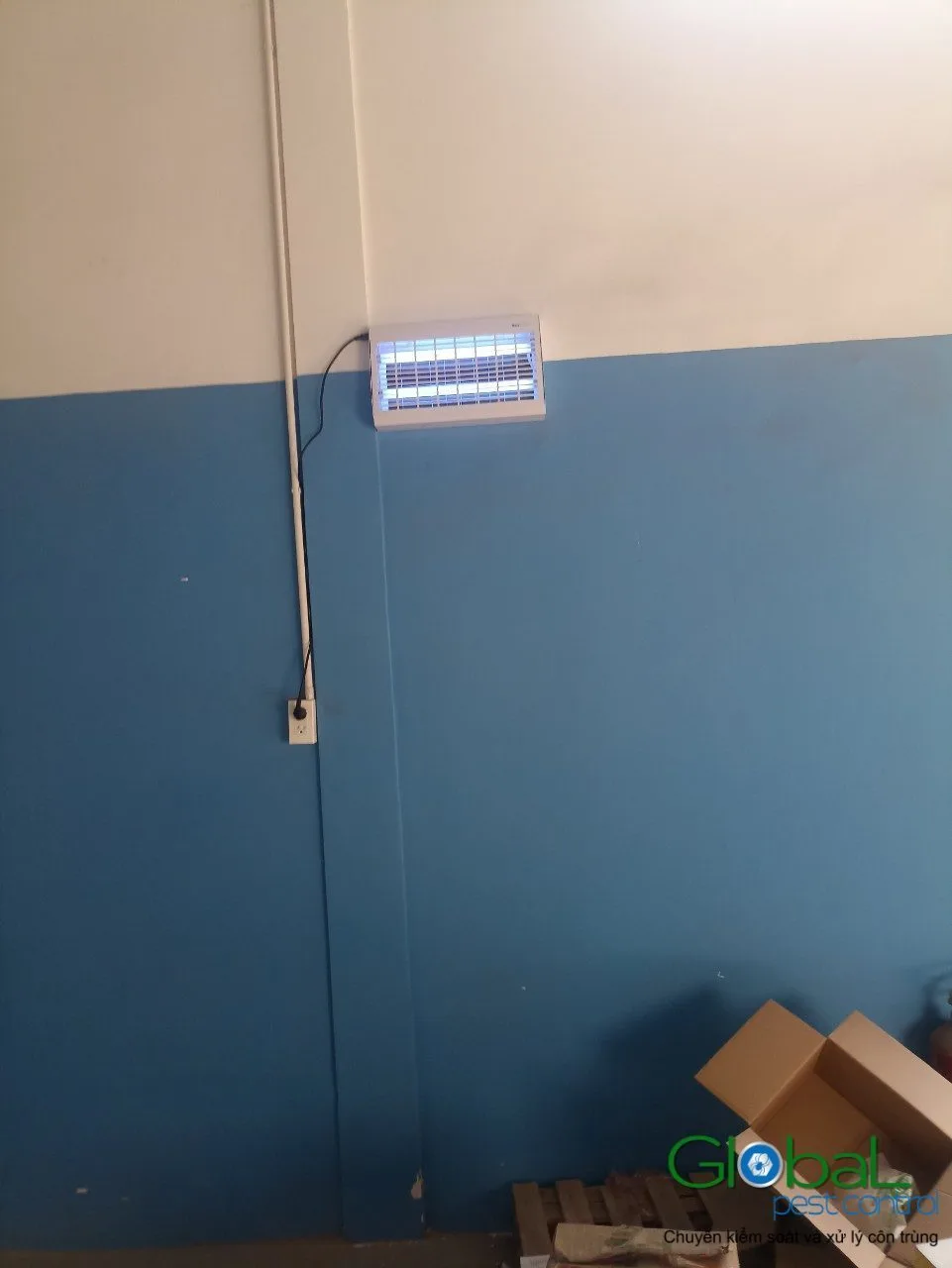
- Fly killer catch counts rise, which is normal — the useful signal is which device rises
Auditors are used to seeing higher catch numbers in the wet months. What they look for is whether anyone noticed and did anything, not whether the numbers stayed flat.
Global Pest Control is the English-language arm of Khử Trùng Toàn Cầu. The same technicians and the same programmes are described on our Vietnamese-language service pages.
Book an inspection
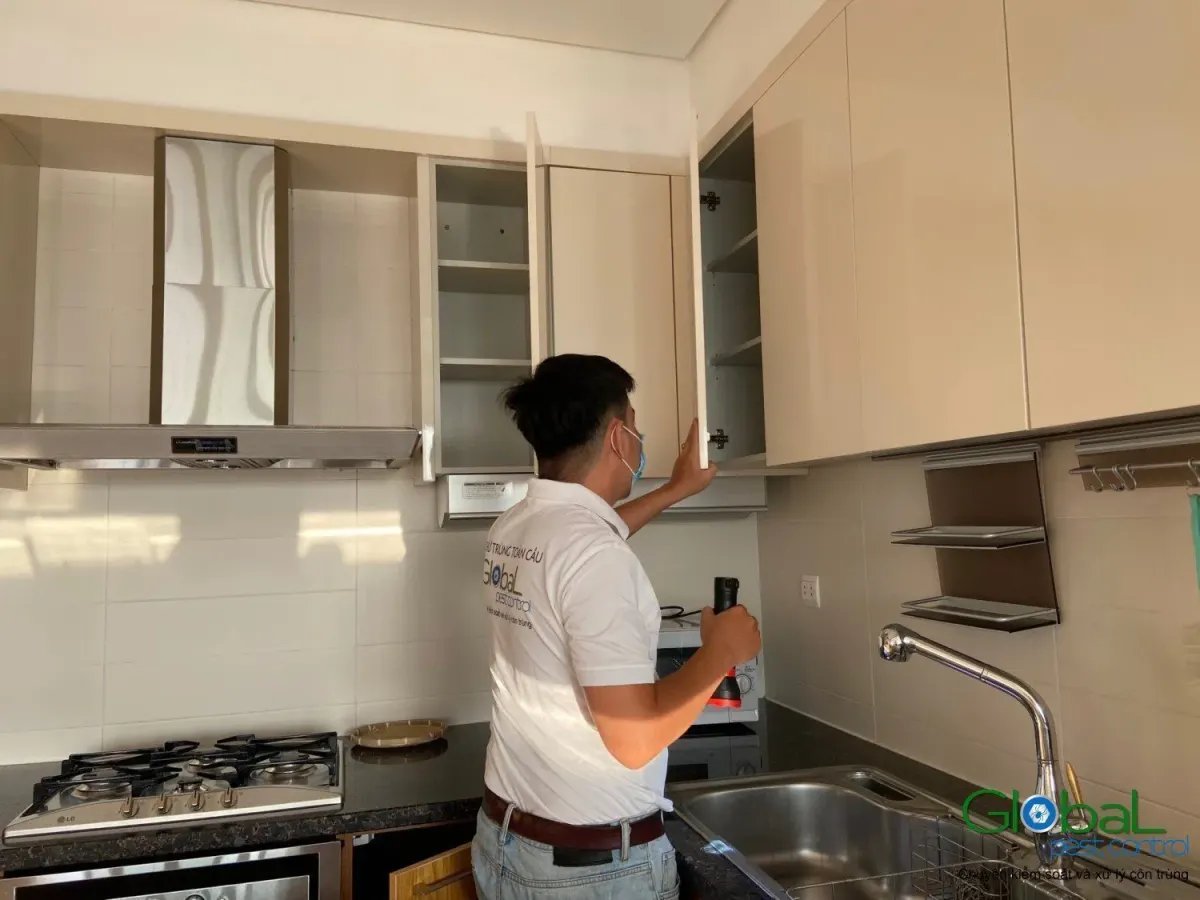
Site inspections are free of charge and carry no obligation. A technician walks the property, identifies the species and the harbourage, and sends a written quotation with the method and the schedule — normally within one working day.
Request an inspection · See indicative prices · All services